
Port Orford Cedar
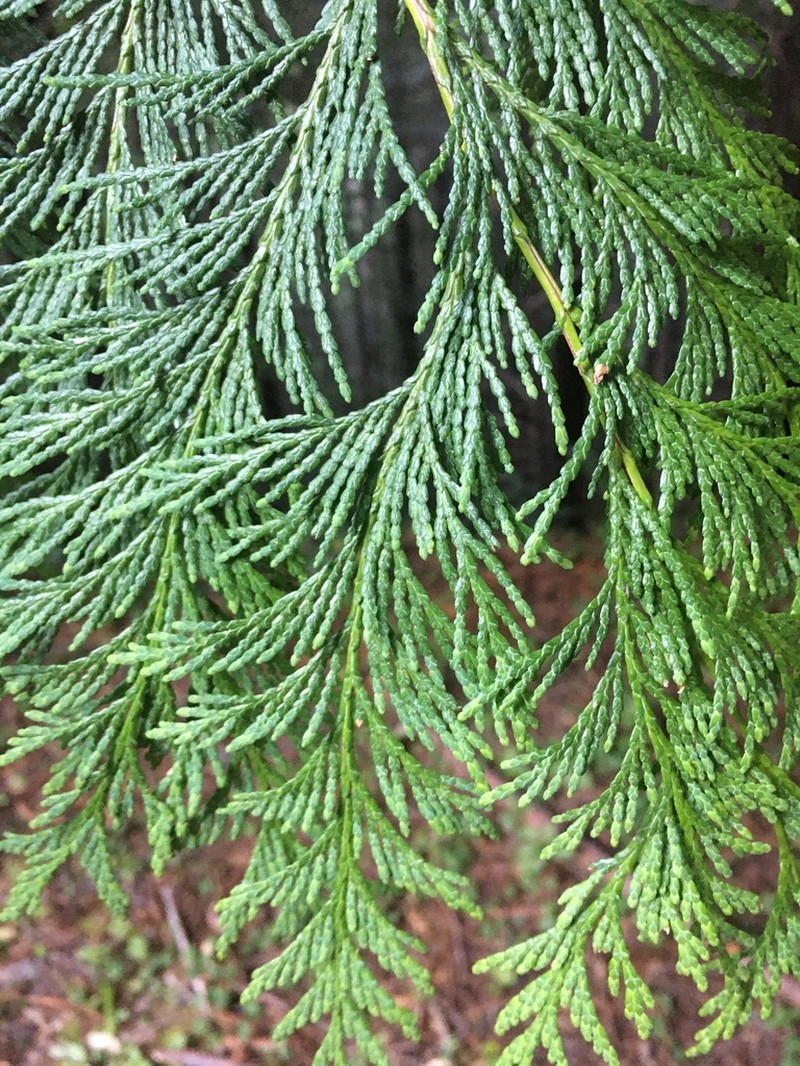
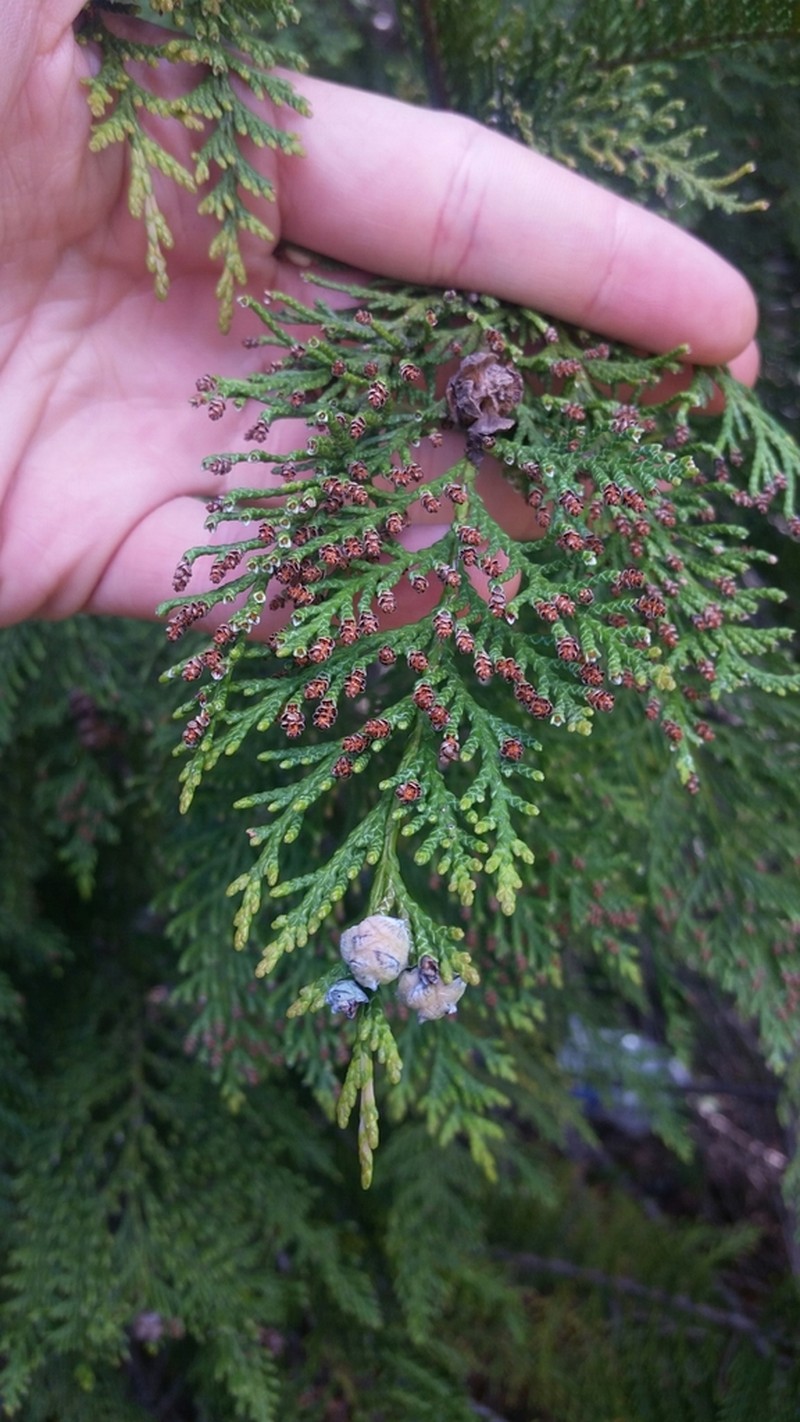
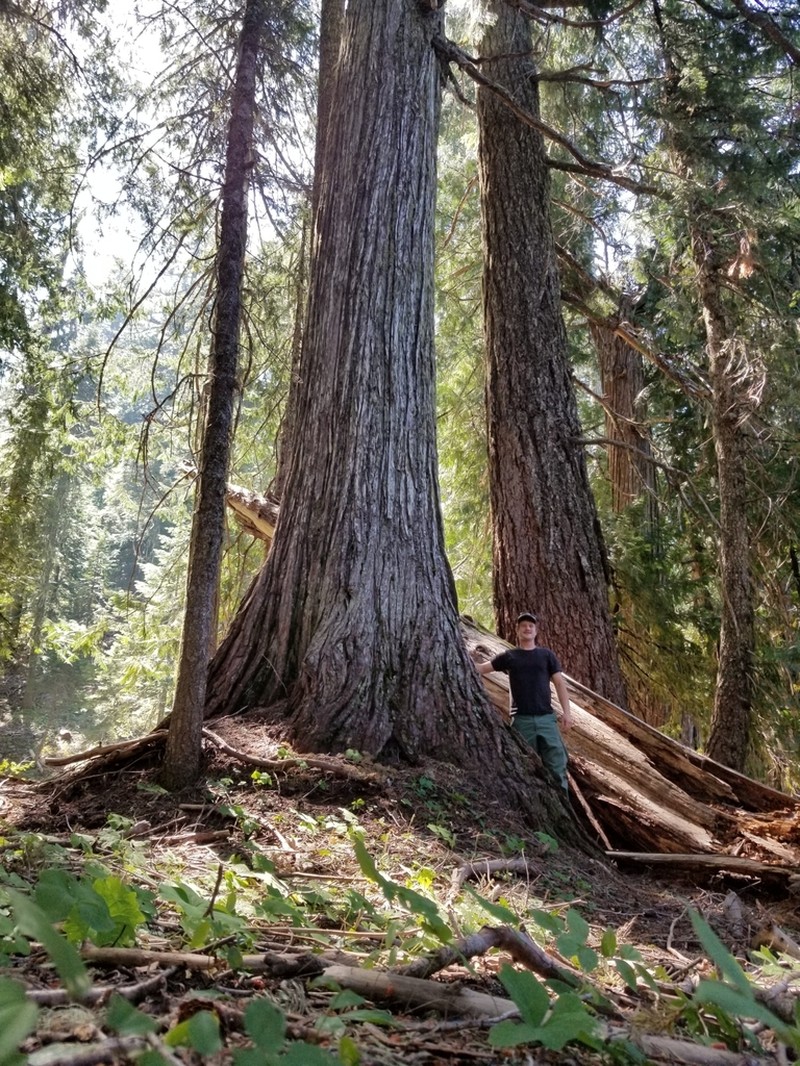
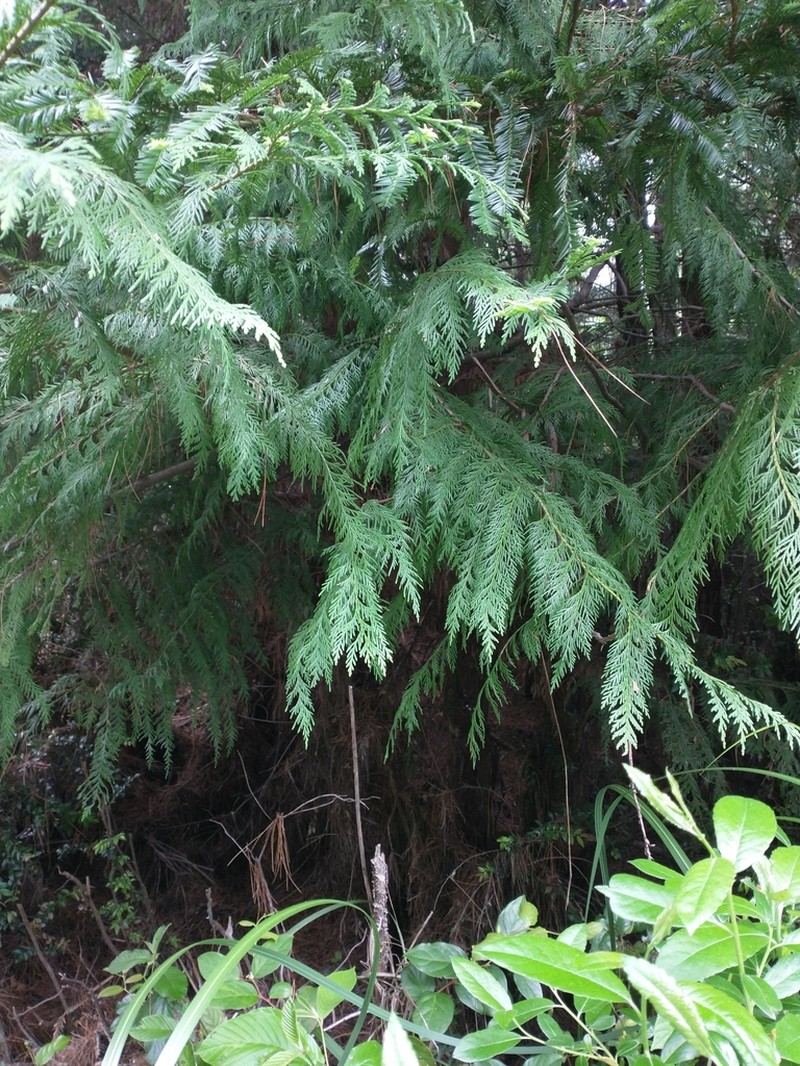
Chamaecyparis lawsoniana
- Native to:
- United States
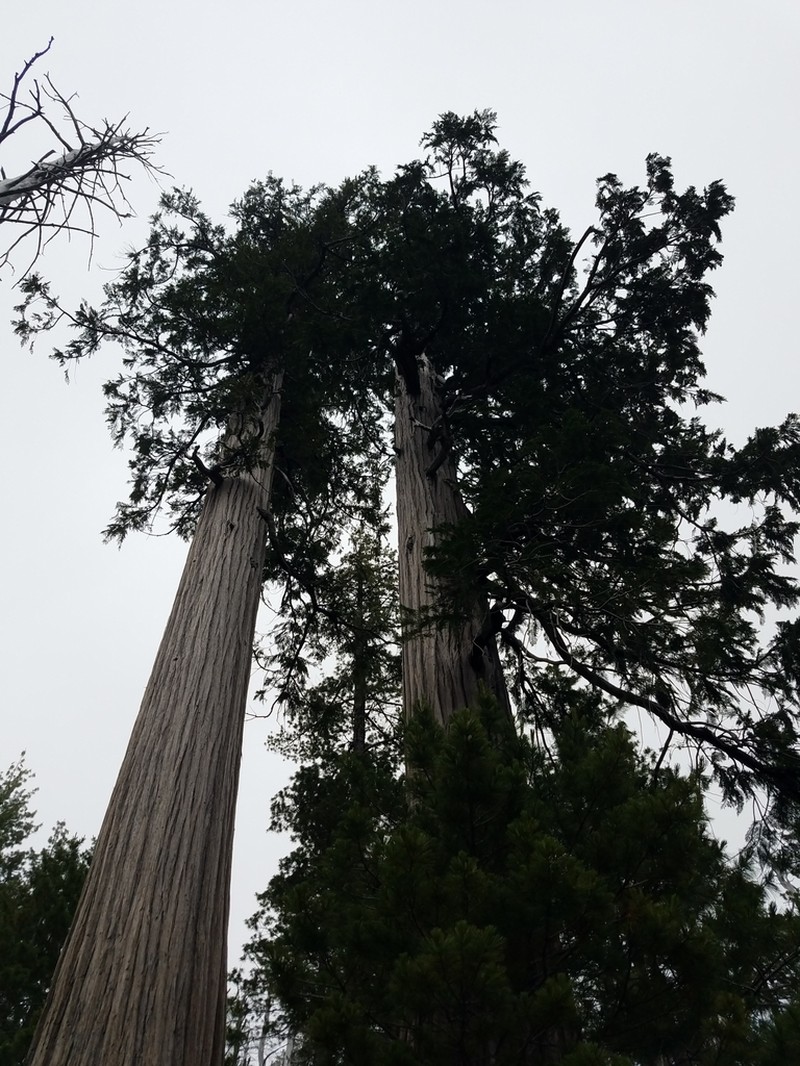
iNaturalist: © coldwater_lifestyle (iNaturalist #52602504)
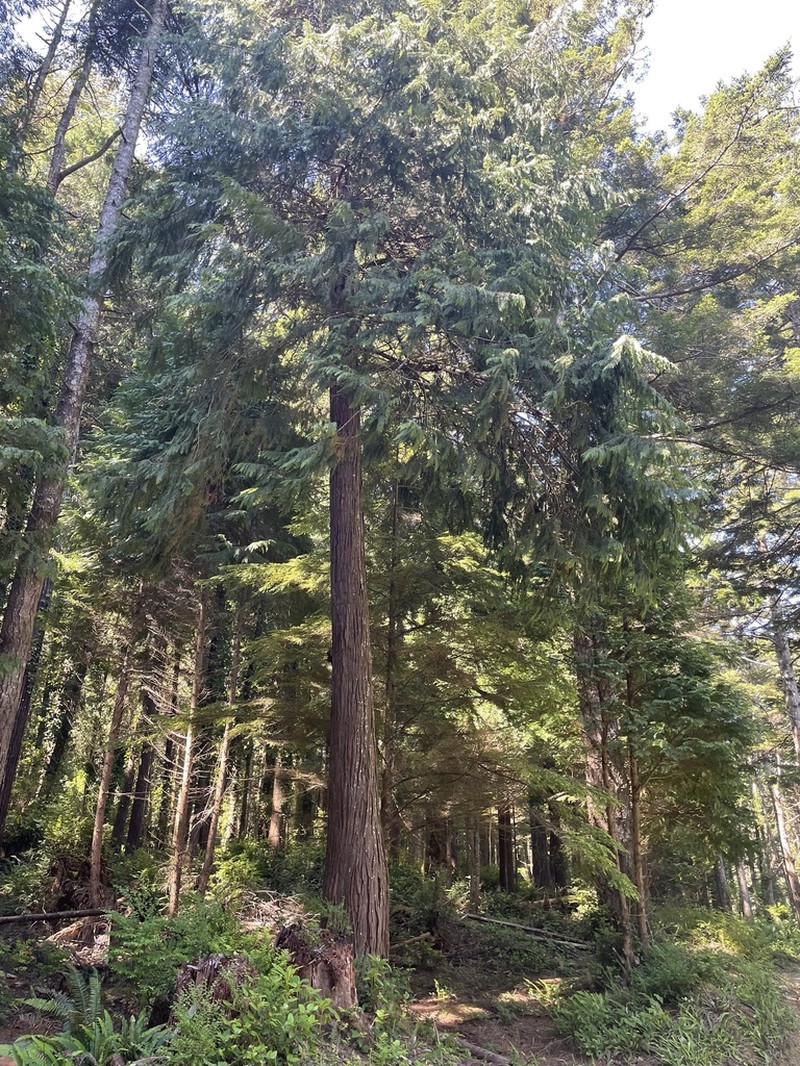
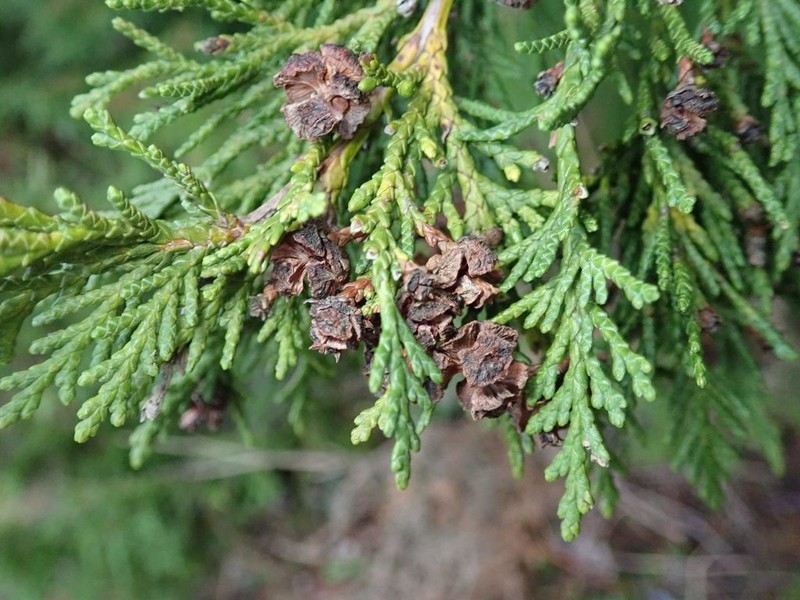
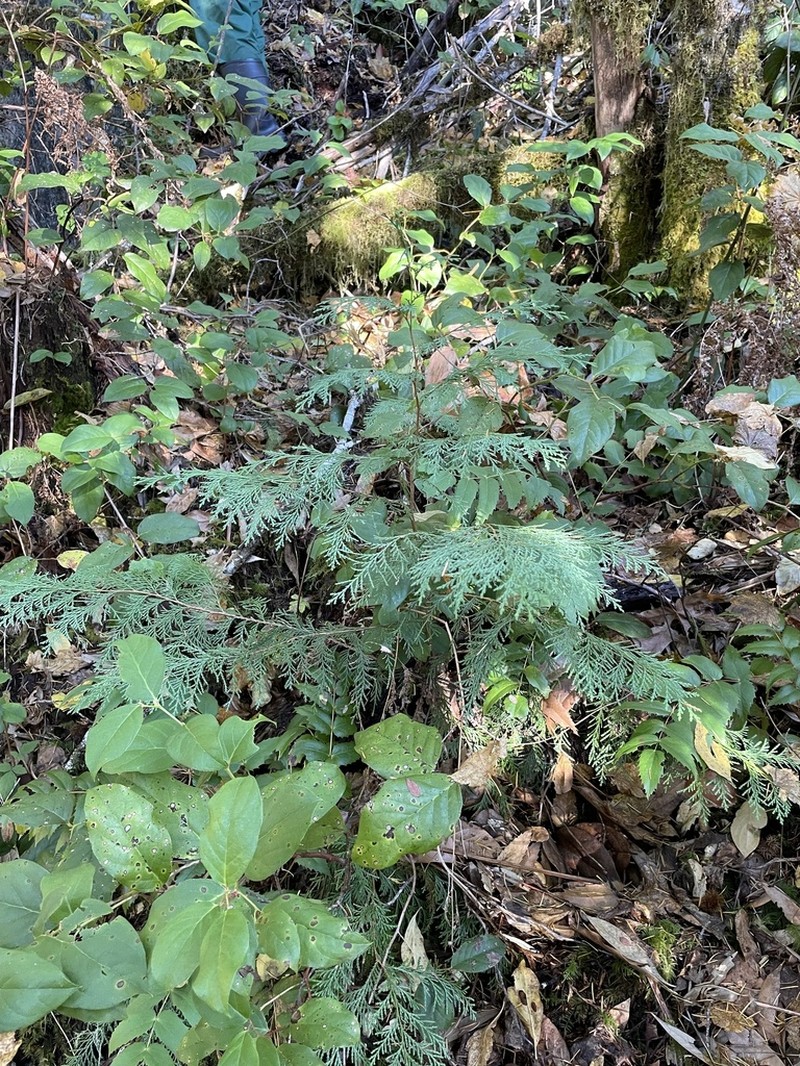
Taxonomy
- Division:
- Coniferophyta | - Conifers
- Family:
- Cupressaceae
- Genus:
- Chamaecyparis
- Species:
- Chamaecyparis lawsoniana
- USDA Symbol:
- CHLA
Growth Characteristics
- Life Cycle:
- Perennial
- Growth Habit:
- Tree
- Height:
- 6000 cm
- Light Requirements:
- Part Shade
- Drought Tolerance:
- Medium
Wildlife Benefits
- Bees:
- ★☆☆☆☆ Documented bee visitation (GBIF)
- Butterflies & Moths:
- ★★★★☆ Documented Lepidoptera association (GBIF)
- Caterpillars:
- ★☆☆☆☆ Recorded caterpillar host plant (HOSTS Database)
Host Plant for Caterpillars
Garden & Ecology Notes
- Wildlife Value:
- birds, small mammals
- Fragrant:
- Yes
Soil Requirements
- Soil Type:
- moist, well-drained loamy soil
- pH:
- 5.0 - 6.5 (acidic to slightly acidic)
- Drainage:
- excellent drainage required
- Moisture:
- consistently moist
- Notes:
- Thrives in cool, humid environments
Propagation & Germination
- Stratification:
- Cold/moist stratification required — 30–60 days
- Germination Time:
- 30–90 days
- Notes:
- Seeds benefit from cold stratification for 30-60 days to break dormancy; germination occurs in spring.
Pre-treatment: Seeds are placed in fine mesh bags into a 1% hydrogen peroxide (3:1 water/3% hydrogen peroxide) soak for 24 hours, rinsed, and placed in water for an additional 24 hours. The bags are placed in sealed containers in refrigeration at 1 to 3 °C for 30 days. Seeds should be checked weekly for mold and treated with 1% hydrogen peroxide if needed.
Establishment: Female cones are green and mature to brown. Generally ready to collect in the fall. They start to produce seed relatively early. They produce seed every year but is heavier every 4 to 5 years. Grows well in average, moist but well-drained soils in full sun/part shade. Needs to be sheltered from wind. Does best in areas with warm, dry summers and cool, wet winters. Found in California and Oregon, mostly from Coos Bay to the Klamath river with some additional isolated populations near the Trinity Mountains and Mount Shasta.
Source: npn.rngr.net
ORGHPS Germination Guide: Use repeated cycles of 4°C, then 20°C for 3 months each. Germination is very prolonged. * 13 - 42% germination rate
Where to Buy
Nationwide Seller
- Sheffield's Seed (seeds)