
Creeping Juniper
Juniperus horizontalis
- Native to:
- Canada, Labrador, United States
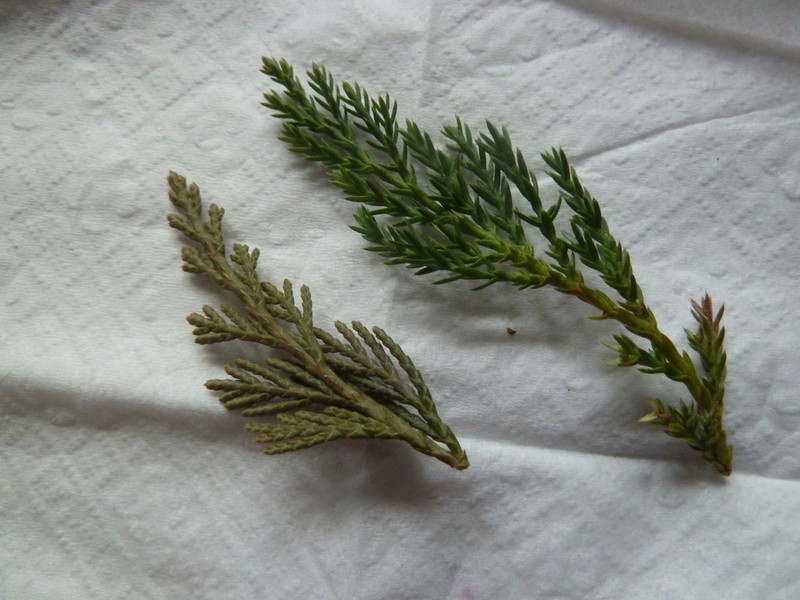
iNaturalist: © burkhard_plache (iNaturalist #21797238)
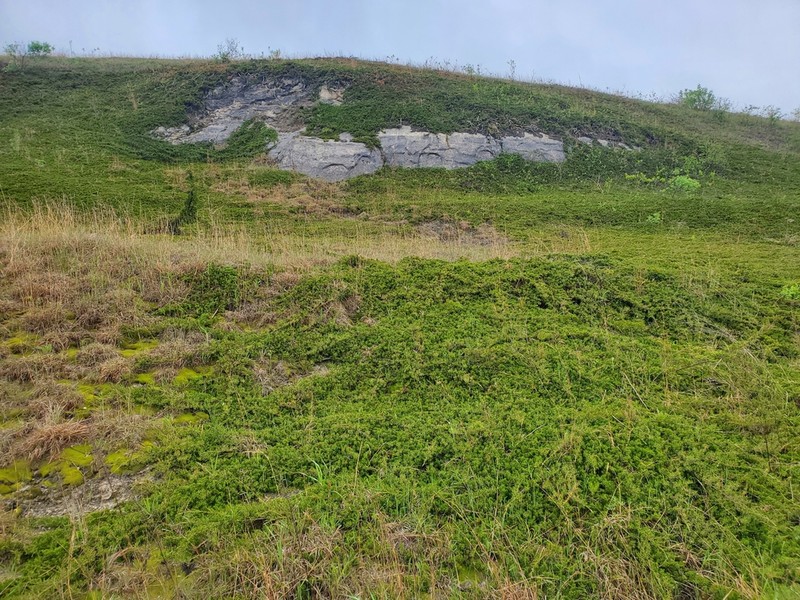
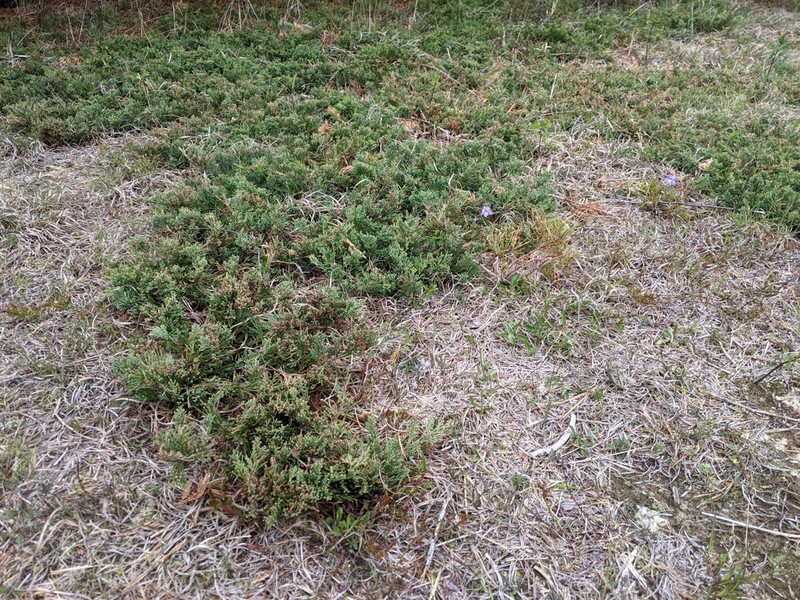
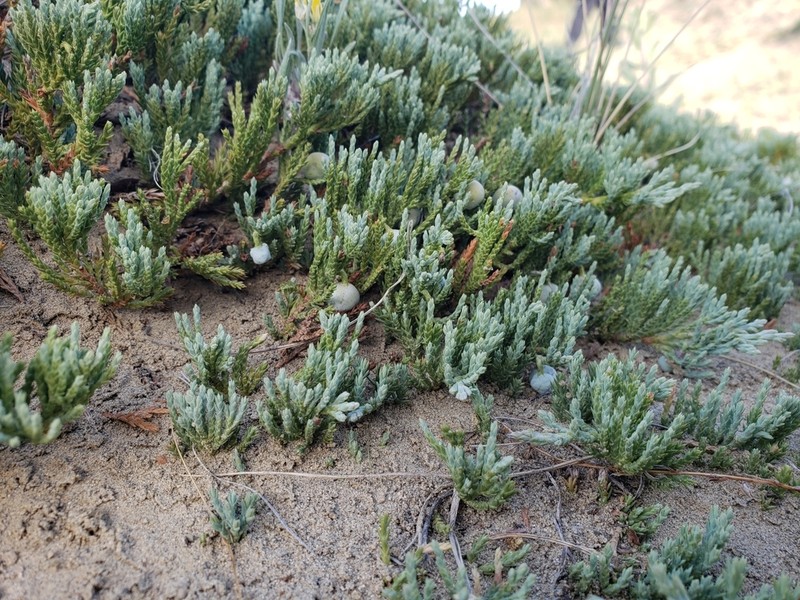
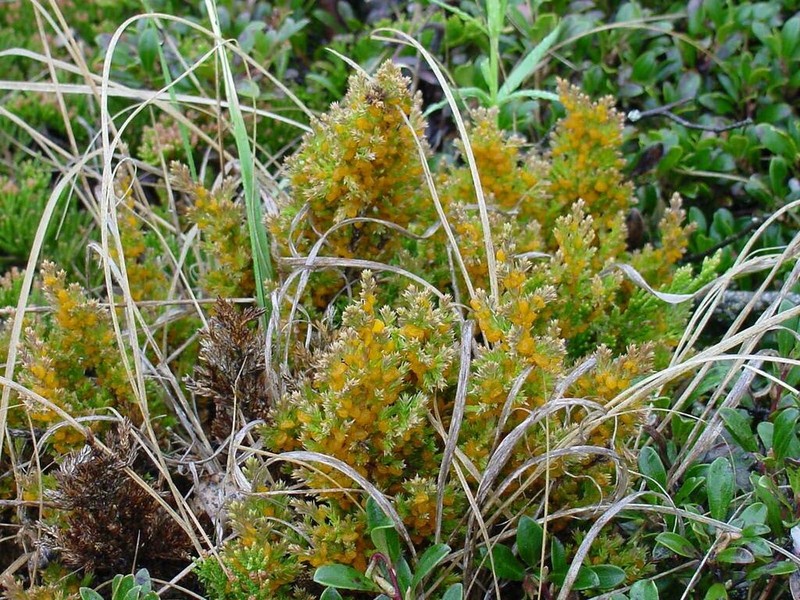
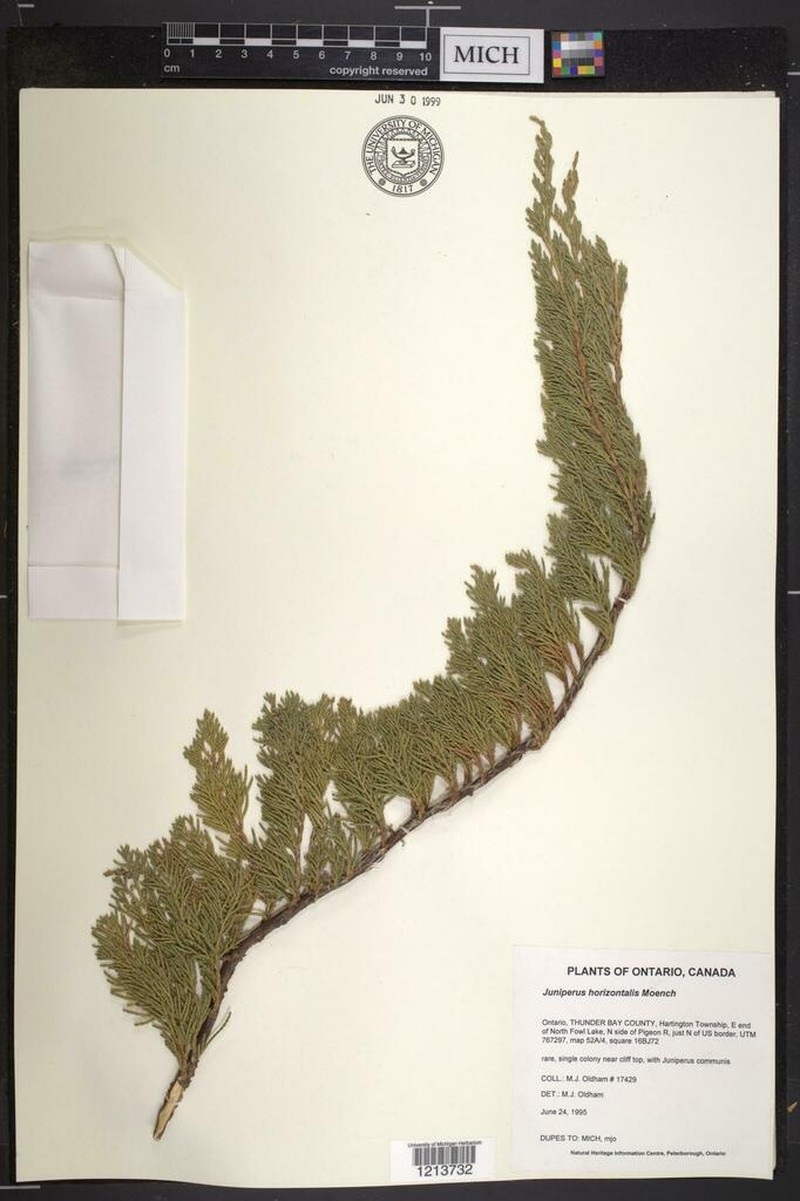
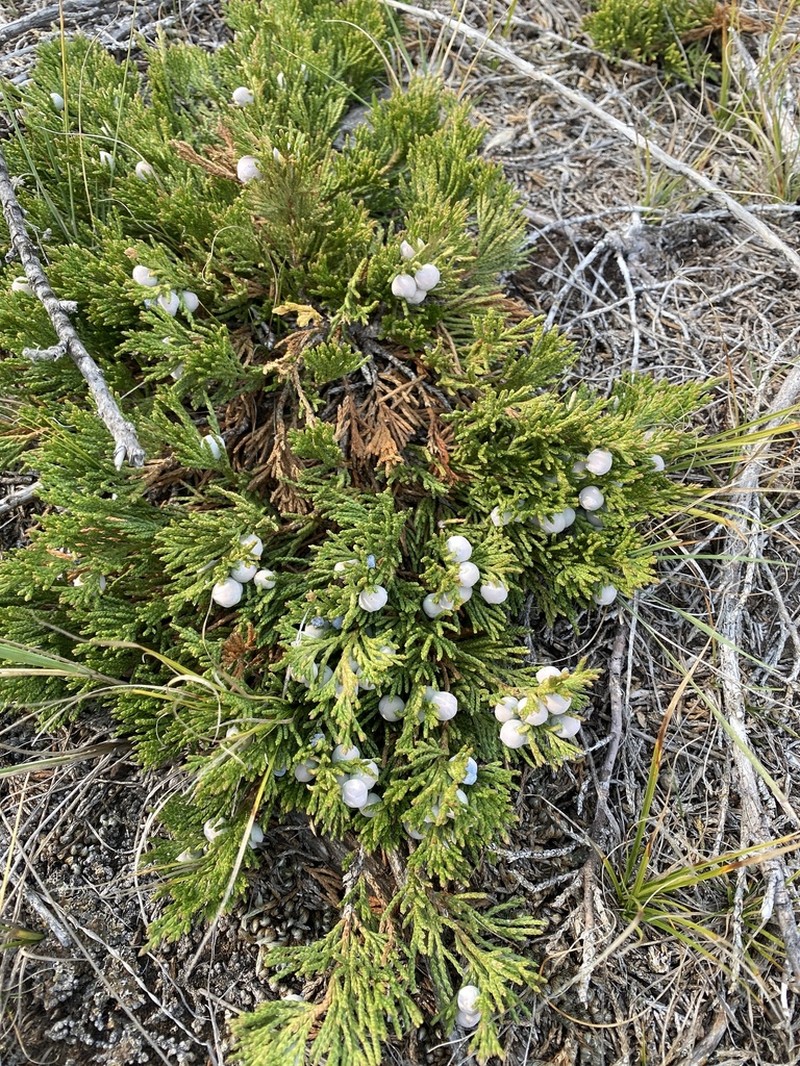
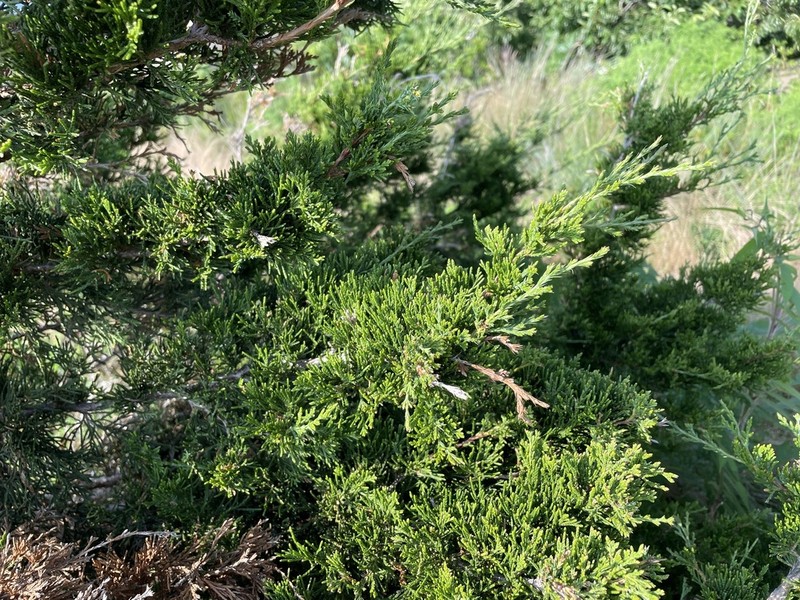
Taxonomy
- Division:
- Coniferophyta | - Conifers
- Family:
- Cupressaceae
- Genus:
- Juniperus
- Species:
- Juniperus horizontalis
- USDA Symbol:
- JUHO2
Growth Characteristics
- Life Cycle:
- Perennial
- Growth Habit:
- Subshrub
- Height:
- 60 cm
- Light Requirements:
- Full Sun,Part Shade
- Drought Tolerance:
- High
- Ground Cover:
- Yes
- Evergreen Shrub:
- Yes
- Landscaping Shrub:
- Yes
Wildlife Benefits
- Bees:
- ★☆☆☆☆ Documented bee visitation (GBIF)
- Butterflies & Moths:
- ★☆☆☆☆ Documented Lepidoptera association (GBIF)
- Caterpillars:
- ★☆☆☆☆ Recorded caterpillar host plant (HOSTS Database)
Keystone Species Ranking
- Caterpillar Keystone:
- ★★★★☆ Butterfly & moth species supported by this genus (NWF)
Host Plant for Caterpillars
Reported Fauna Sightings
Garden & Ecology Notes
- Wildlife Value:
- birds, small mammals
- Deer Resistant:
- Yes
- Salt Tolerant:
- Yes
Soil Requirements
- Soil Type:
- sandy, well-drained, nutrient-poor soil
- pH:
- 5.0 - 7.5 (slightly acidic to neutral)
- Drainage:
- excellent drainage required
- Moisture:
- dry to moderate
- Notes:
- native to rocky, sandy areas with low fertility
Propagation & Germination
- Stratification:
- Cold/moist stratification required — 30–60 days
- Germination Time:
- 30–90 days
- Notes:
- Seeds benefit from cold stratification for 30-60 days to break dormancy.
Pre-treatment: Cuttings are recut after collection, with 1/2 of basal leaves removed. Terminal buds are removed and cuttings are treated with a 2 minute Domain fungicide bath. Cuttings are then treated with 8000 ppm IBA and placed in a mist bed with bottom heat. Cuttings are 13 cm in length, 5 mm in diameter.
Establishment: Cuttings are collected from healthy field plants in early to mid May. Cuttings taken in late summer, fall, and winter have also been successfully rooted to high percentages.
Source: npn.rngr.net
ORGHPS Germination Guide: Use repeated cycles of 4°C, then 20°C for 3 months each. Germination is very prolonged. Requires soaking. Place in warm water until seeds swell, usually 24-48 hours. Discard water and any seeds that remain floating. * soak seeds a few seconds in boiling water
Where to Buy
Nationwide Seller
- Sheffield's Seed (seeds)