
Utah Juniper
Juniperus osteosperma
- Native to:
- United States
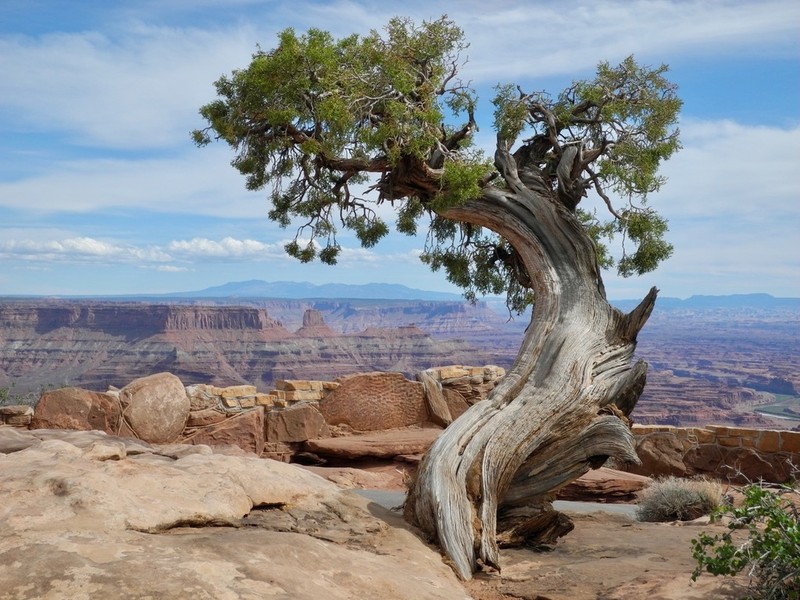
iNaturalist: © mjpapay (iNaturalist #66610196)


Taxonomy
- Division:
- Coniferophyta | - Conifers
- Family:
- Cupressaceae
- Genus:
- Juniperus
- Species:
- Juniperus osteosperma
- USDA Symbol:
- JUOS
Growth Characteristics
- Life Cycle:
- Perennial
- Growth Habit:
- Tree
- Height:
- 1200 cm
- Light Requirements:
- Full Sun
- Drought Tolerance:
- High
- Evergreen Shrub:
- Yes
- Landscaping Shrub:
- Yes
Wildlife Benefits
- Butterflies & Moths:
- ★★★☆☆ Documented Lepidoptera association (GBIF)
- Caterpillars:
- ★☆☆☆☆ Recorded caterpillar host plant (HOSTS Database)
Keystone Species Ranking
- Caterpillar Keystone:
- ★★★★☆ Butterfly & moth species supported by this genus (NWF)
Host Plant for Caterpillars
Lithophane longior, Sequoia sphinx (Sphinx sequoiae), Siva Hairstreak (Mitoura siva)
Reported Fauna Sightings
Butterflies:Juniper Hairstreak (Callophrys gryneus)
Garden & Ecology Notes
- Wildlife Value:
- birds, small mammals
- Deer Resistant:
- Yes
- Salt Tolerant:
- Yes
- Fire Ecology:
- Fire adapted — tolerates or benefits from fire
- Fire Notes:
- Thick bark provides some fire resistance; can resprout after low-severity fire.
Soil Requirements
- Soil Type:
- rocky, well-drained, nutrient-poor soil
- pH:
- 6.0 - 8.0 (slightly acidic to neutral)
- Drainage:
- excellent drainage required
- Moisture:
- dry to moderate
- Notes:
- Common in arid, desert-like environments
Propagation & Germination
- Stratification:
- Cold/moist stratification required — 30–90 days
- Germination Time:
- 30–90 days
- Notes:
- Seeds benefit from cold stratification for 30-90 days to break dormancy.
Pre-treatment: Seeds are placed in cold moist stratification for 98 days. Scarification techniques are also being examined, followed by warm stratification and then cold stratification.
Establishment: The protocols suggest different pre-treatment methods, with one suggesting cold moist stratification for 98 days and the other examining scarification techniques followed by warm and then cold stratification. The exact effectiveness of these methods is not provided.
Source: npn.rngr.net
Where to Buy
Nationwide Seller
- Sheffield's Seed (seeds)