
Phoenician Juniper
Juniperus phoenicea
- Native to:
- Baleares, France, Italy, Sardegna, Spain
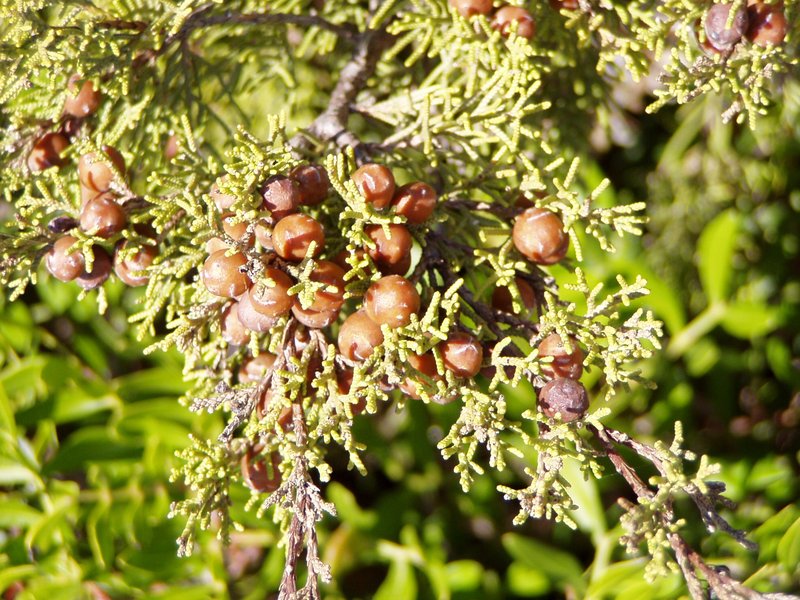
Júlio Reis ( Tintazul )

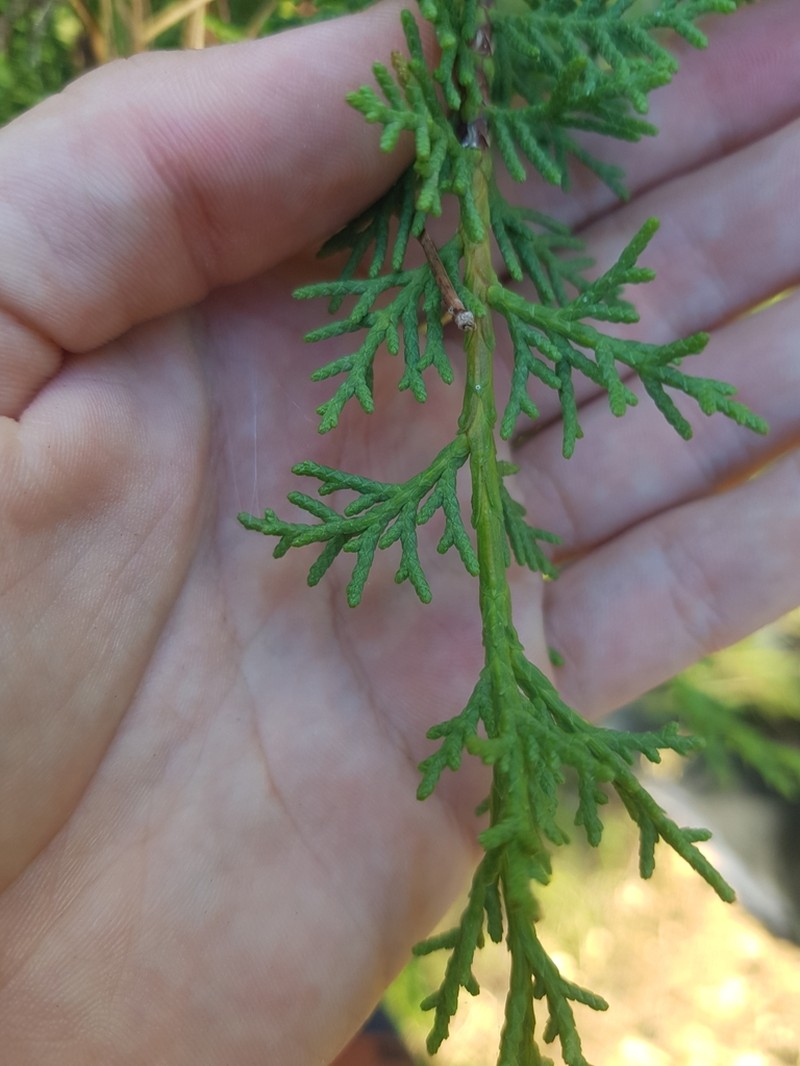
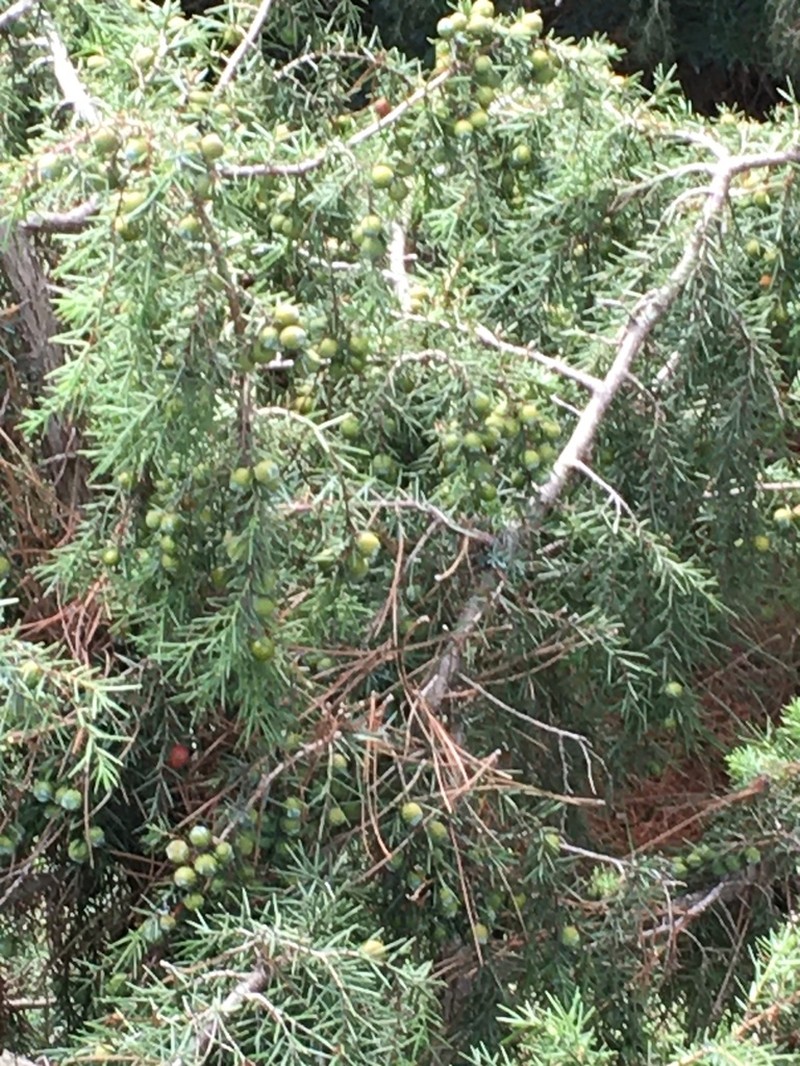
Taxonomy
- Division:
- Coniferophyta | - Conifers
- Family:
- Cupressaceae
- Genus:
- Juniperus
- Species:
- Juniperus phoenicea
- USDA Symbol:
- JUPH2
Growth Characteristics
- Life Cycle:
- Perennial
- Growth Habit:
- Shrub
- Height:
- 1200 cm
- Light Requirements:
- Full Sun
- Drought Tolerance:
- High
- Evergreen Shrub:
- Yes
- Landscaping Shrub:
- Yes
Keystone Species Ranking
- Caterpillar Keystone:
- ★★★★☆ Butterfly & moth species supported by this genus (NWF)
Garden & Ecology Notes
- Wildlife Value:
- birds, small mammals
- Deer Resistant:
- Yes
- Salt Tolerant:
- Yes
- Fragrant:
- Yes
Soil Requirements
- Soil Type:
- sandy, well-drained, nutrient-poor soil
- pH:
- 6.0 - 8.0 (neutral to slightly alkaline)
- Drainage:
- excellent drainage required
- Moisture:
- dry to moderate
- Notes:
- thrives in rocky and coastal areas
Propagation & Germination
- Stratification:
- Cold/moist stratification required — 30–60 days
- Germination Time:
- 30–90 days
- Notes:
- Seeds benefit from cold stratification for 30-60 days to break dormancy.