
Eastern Redcedar
Juniperus virginiana
- Native to:
- Canada, Mexico, United States, Virgin Islands
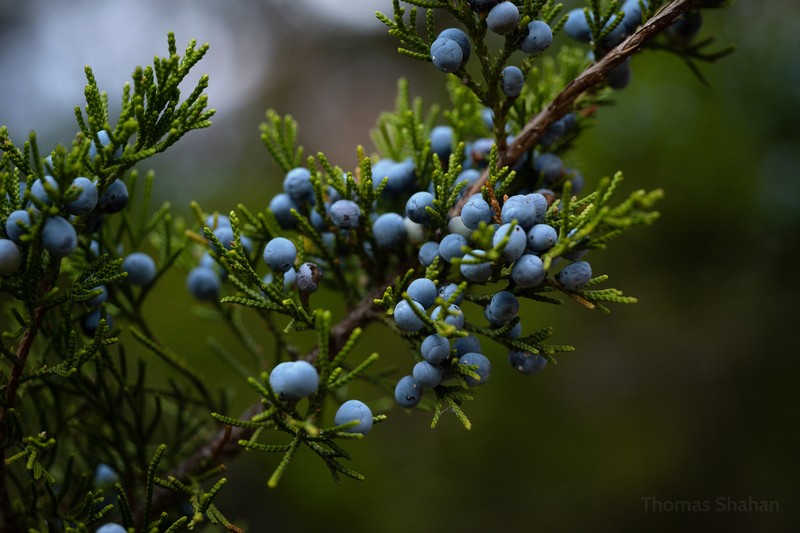
iNaturalist: © brettjackson (iNaturalist #106945822)
Taxonomy
- Division:
- Coniferophyta | - Conifers
- Family:
- Cupressaceae
- Genus:
- Juniperus
- Species:
- Juniperus virginiana
- USDA Symbol:
- JUVI
Growth Characteristics
- Life Cycle:
- Perennial
- Growth Habit:
- Tree
- Height:
- 3000 cm
- Light Requirements:
- Full Sun,Part Shade,Shade
- Drought Tolerance:
- High
Wildlife Benefits
- Bees:
- ★☆☆☆☆ Documented bee visitation (GBIF)
- Butterflies & Moths:
- ★★★★☆ Documented Lepidoptera association (GBIF)
- Caterpillars:
- ★★★☆☆ Recorded caterpillar host plant (HOSTS Database)
- Hummingbirds:
- ★☆☆☆☆ Documented hummingbird visits (GBIF)
Keystone Species Ranking
- Caterpillar Keystone:
- ★★★★☆ Butterfly & moth species supported by this genus (NWF)
Host Plant for Caterpillars
Argyresthia affinis, Argyresthia annettella, Argyresthia freyella, Argyresthia quadristrigella, Bagworm moth (Thyridopteryx ephemeraeformis), Cecropia moth (Hyalophora cecropia), Coleotechnites albicostata, Coleotechnites australis, Coleotechnites obliquistrigella, Coleotechnites occidentis, common eupithecia (Eupithecia miserulata), Cudonigera houstonana, Dichomeris marginella, Fall webworm (Hyphantria cunea), Gypsy moth (Lymantria dispar), Imperial Moth (Eacles imperialis), Juniper-twig geometer (Patalene olyzonaria), Periploca nigra, Semiothisa atrofasciata, Semiothisa continuata, Synaxis jubararia, White-marked Tussock Moth (Orgyia leucostigma), Eastern Tailed-Blue (Incisalia niphon), 🛑Hessel's hairstreak (Mitoura hesseli), Juniper Hairstreak (Mitoura grynea), Siva Hairstreak (Mitoura siva)
Reported Fauna Sightings
Hummingbirds: Ruby-throated Hummingbird (Archilochus colubris) Moths:Bagworm moth (Thyridopteryx ephemeraeformis), Juniper-twig geometer (Patalene olyzonaria) Butterflies:Common Buckeye (Junonia coenia), Juniper Hairstreak (Callophrys gryneus)
Garden & Ecology Notes
- Wildlife Value:
- birds, small mammals
- Salt Tolerant:
- Yes
- Fragrant:
- Yes
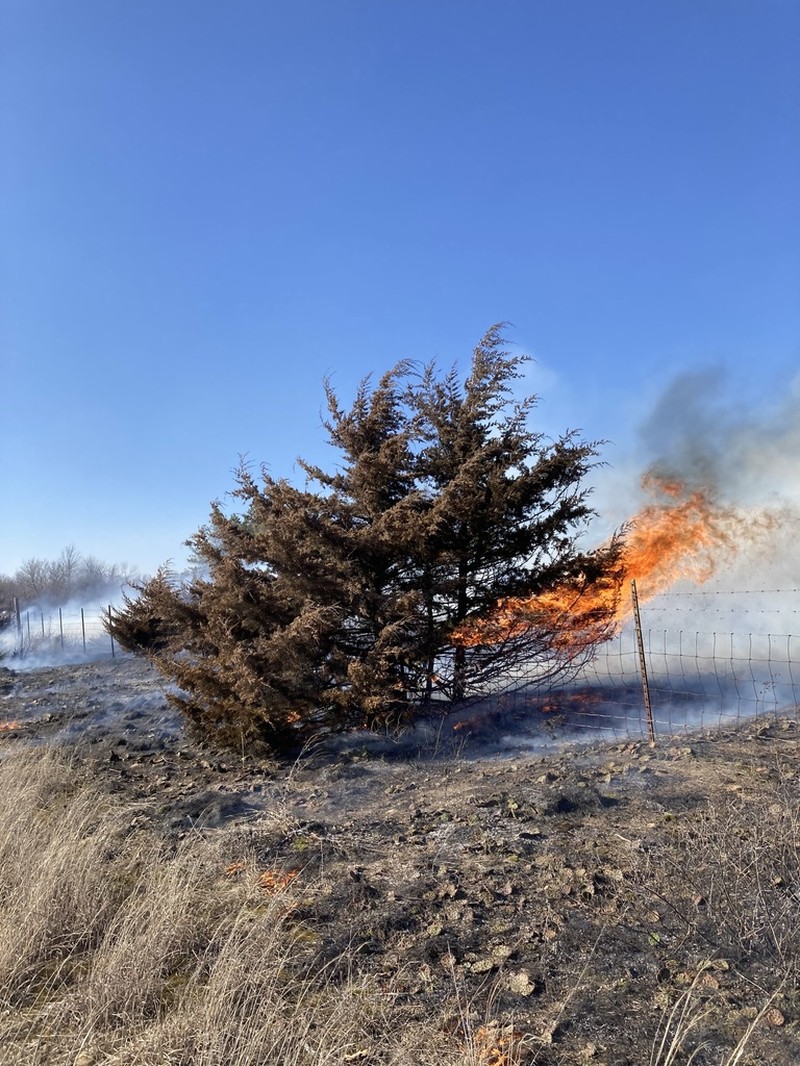
- Fire Ecology:
- Fire adapted — tolerates or benefits from fire
- Fire Notes:
- Thick bark provides some fire resistance; can regenerate from seed after fire.
Soil Requirements
- Soil Type:
- rocky, well-drained, nutrient-poor soil
- pH:
- 6.0 - 8.0 (slightly acidic to alkaline)
- Drainage:
- excellent drainage required
- Moisture:
- dry to moderate
- Notes:
- Thrives in a variety of soil types, including clay, loam, and sandy soils.
Propagation & Germination
- Stratification:
- Cold/moist stratification required — 30–90 days
- Germination Time:
- 30–90 days
- Notes:
- Seeds benefit from cold stratification; germination may be slow and erratic.
Pre-treatment: Seeds are cold stratified for 30 to 120 days. Some protocols suggest natural stratification by planting in the fall.
Establishment: Seeds are collected from various sources, including wild collection and commercial purchase. There is some variation in the depth of sowing and field density between protocols. J. virginiana is found in a variety of locations and soil types across North America.
Source: npn.rngr.net
Where to Buy
Nationwide Seller
- Sheffield's Seed (seeds)