
Redwood
Sequoia sempervirens
- Native to:
- United States
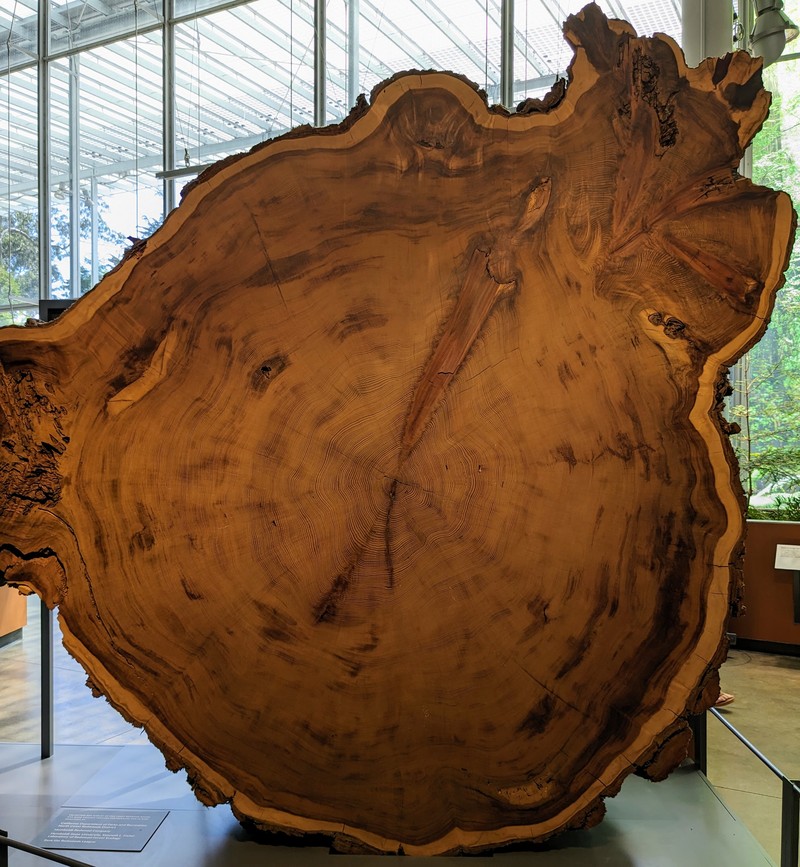
Wikimedia: Elwood P. Dowd
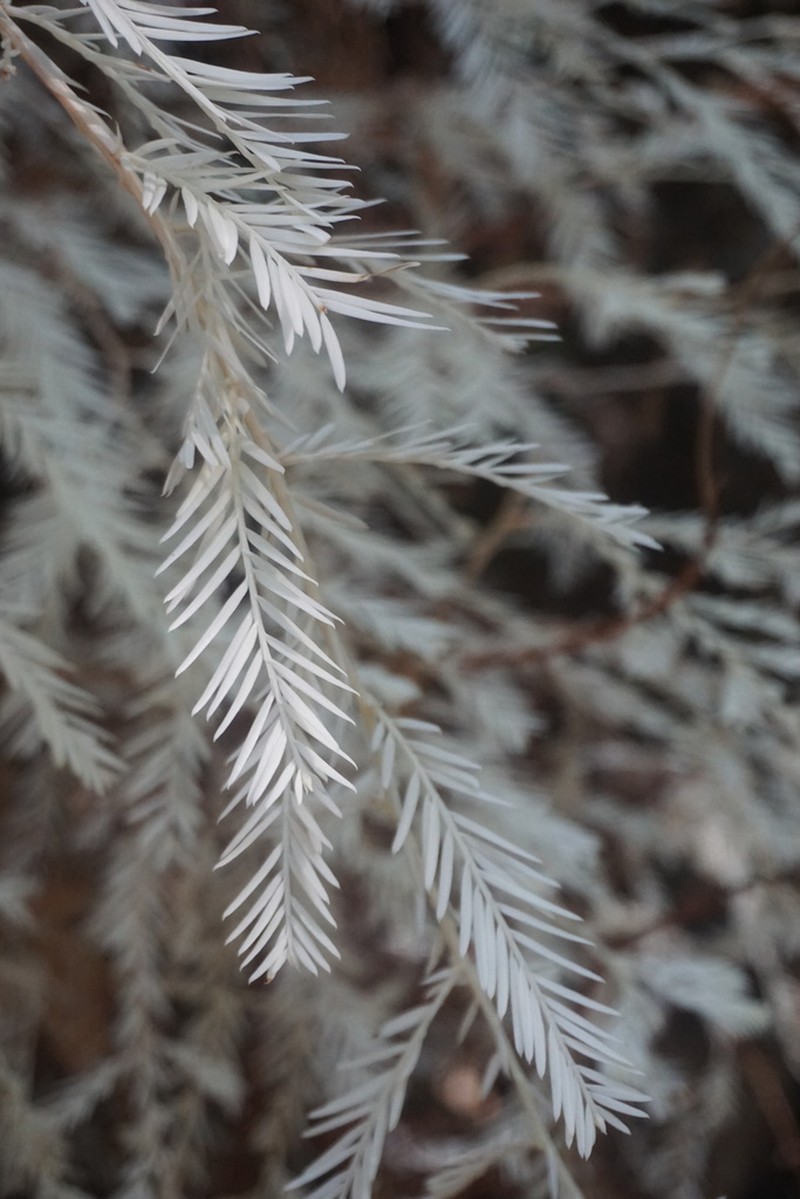
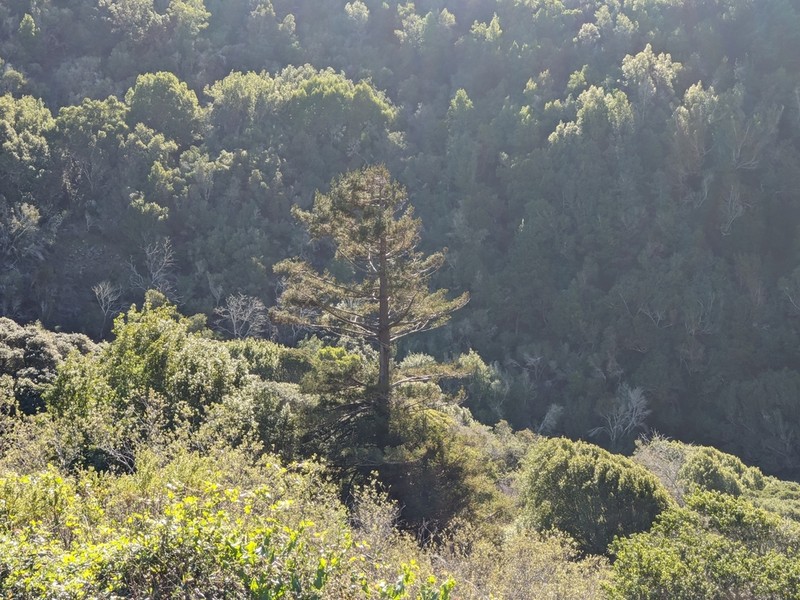
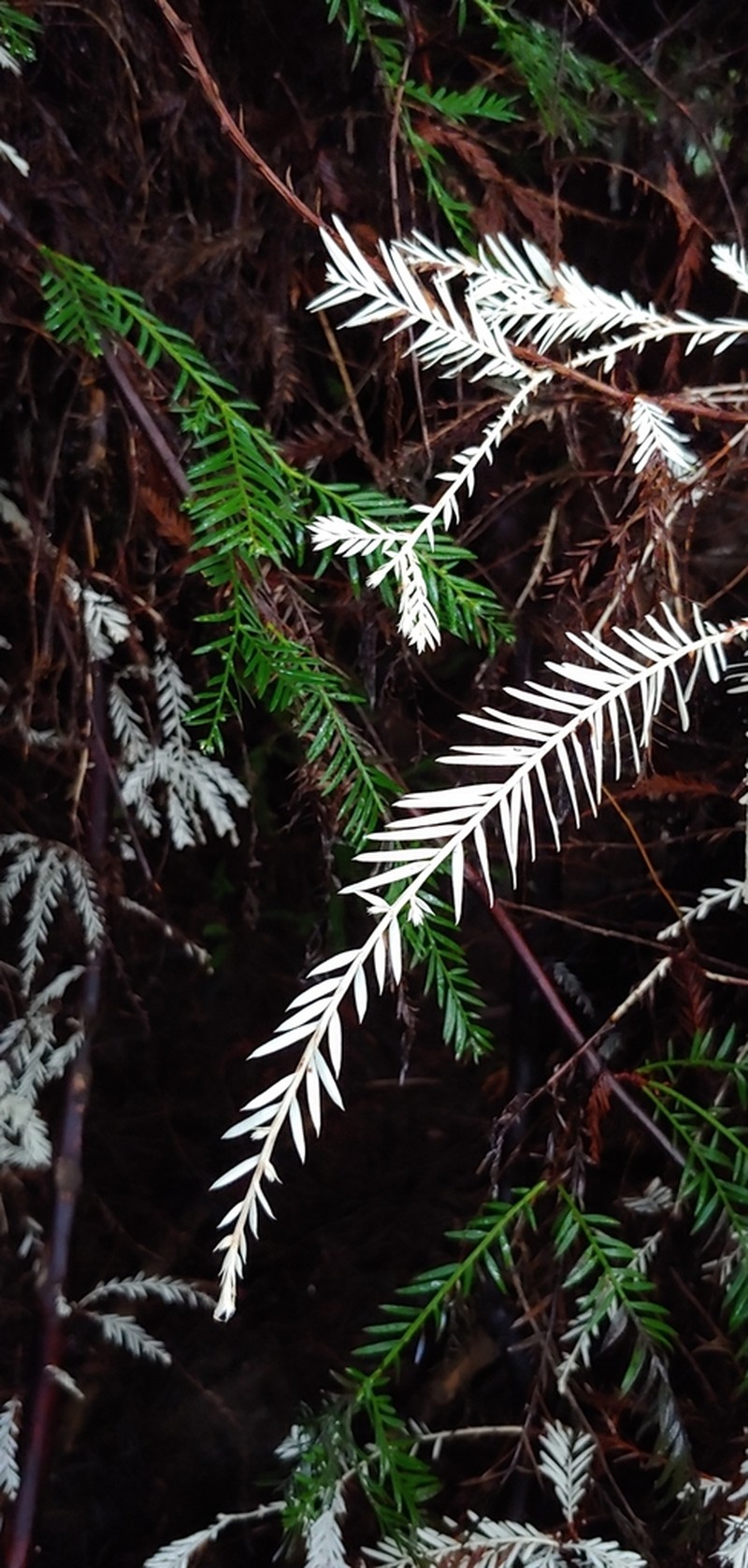
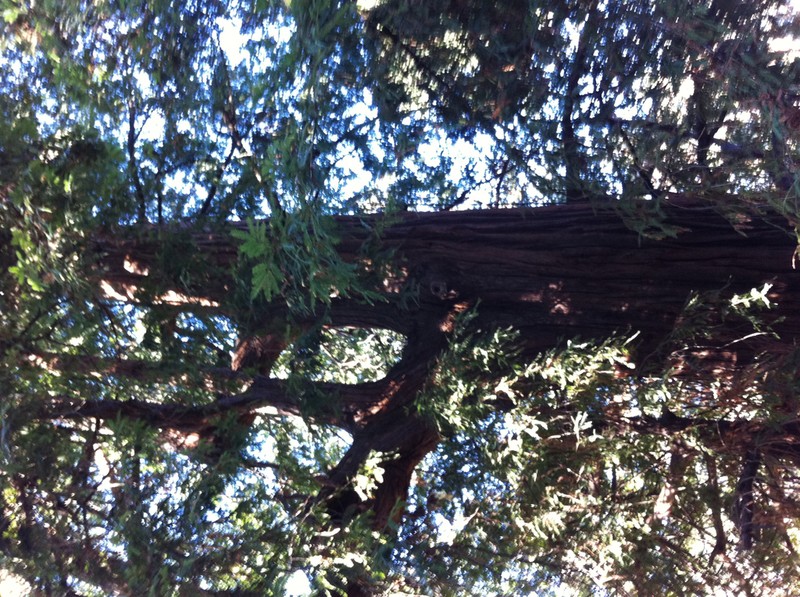
Taxonomy
- Division:
- Coniferophyta | - Conifers
- Family:
- Cupressaceae
- Genus:
- Sequoia
- Species:
- Sequoia sempervirens
- USDA Symbol:
- SESE3
Growth Characteristics
- Life Cycle:
- Perennial
- Growth Habit:
- Tree
- Height:
- 115800 cm
- Light Requirements:
- Full Sun
- Drought Tolerance:
- Medium
Wildlife Benefits
- Bees:
- ★☆☆☆☆ Documented bee visitation (GBIF)
- Butterflies & Moths:
- ★★☆☆☆ Documented Lepidoptera association (GBIF)
- Caterpillars:
- ★☆☆☆☆ Recorded caterpillar host plant (HOSTS Database)
- Hummingbirds:
- ★☆☆☆☆ Documented hummingbird visits (GBIF)
Host Plant for Caterpillars
sequoia pitch moth (Synanthedon sequoiae)
Reported Fauna Sightings
Hummingbirds: Anna's Hummingbird (Calypte anna)
Garden & Ecology Notes
- Wildlife Value:
- birds, small mammals
- Fragrant:
- Yes
- Fire Ecology:
- Fire adapted — tolerates or benefits from fire
- Fire Notes:
- Thick bark provides moderate fire resistance; serotinous cones not present; regeneration after fire from seed or sprouts.
Soil Requirements
- Soil Type:
- rich, well-drained loamy soil
- pH:
- 5.5 - 6.5 (slightly acidic to neutral)
- Drainage:
- excellent drainage required
- Moisture:
- consistently moist
- Notes:
- Thrives in coastal fog belt with high humidity
Propagation & Germination
- Stratification:
- Cold/moist stratification required — 30–60 days
- Germination Time:
- 14–28 days
- Notes:
- Seeds require cold stratification for 30-60 days; sow in well-drained seedbed with light.
Pre-treatment: None required
Establishment: S. sempervirens is found from extreme coastal Oregon south to central California.
Source: npn.rngr.net
Where to Buy
Nationwide Seller
- Sheffield's Seed (seeds)