
Balsam Fir
Abies balsamea
- Native to:
- Canada, Labrador, Prince Edward I., United States, Virgin Islands
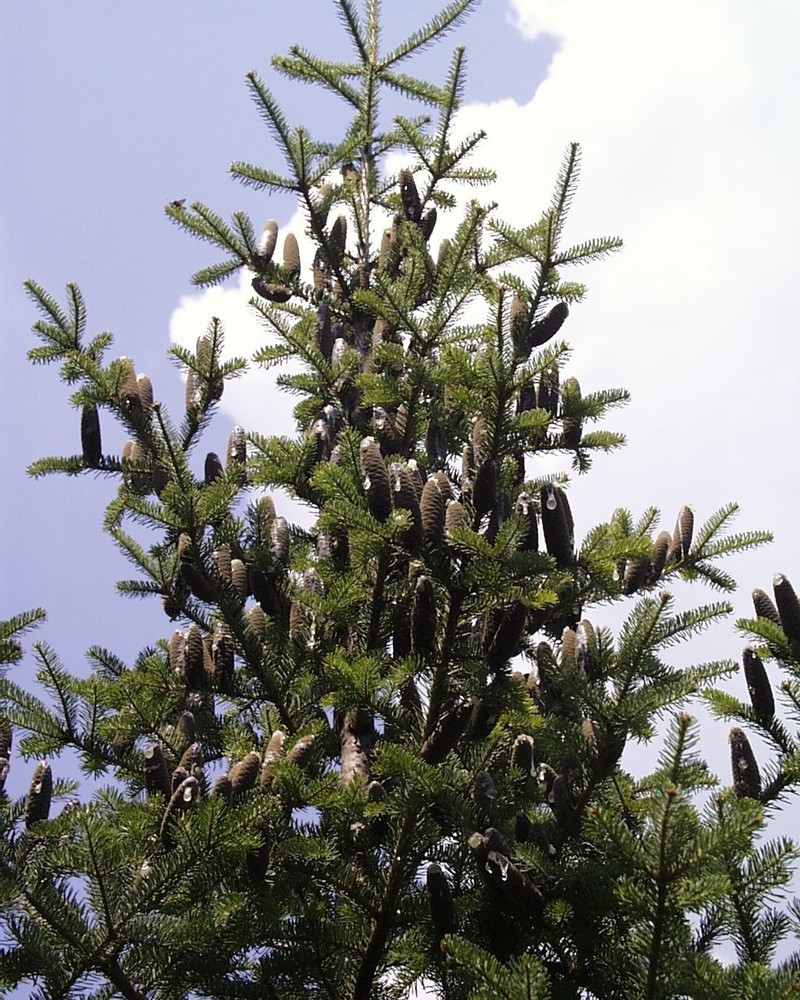
U.S. Fish and Wildlife Service
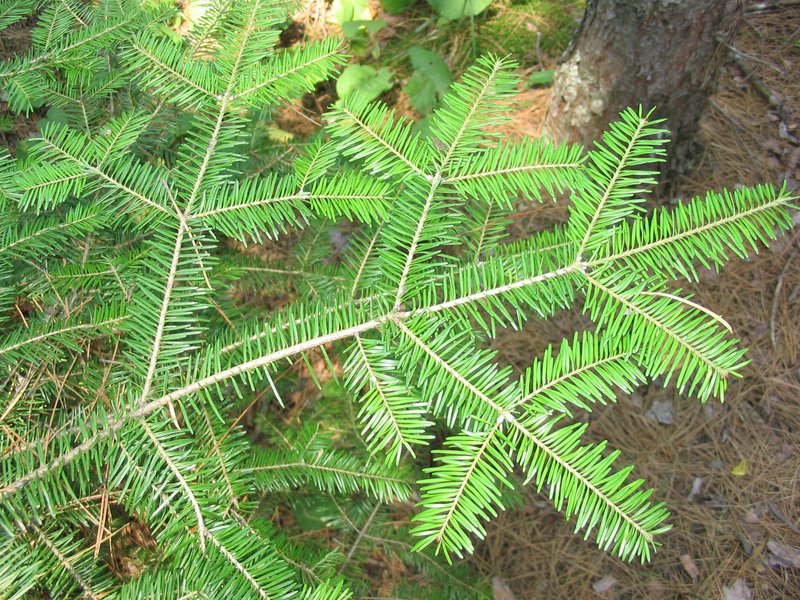
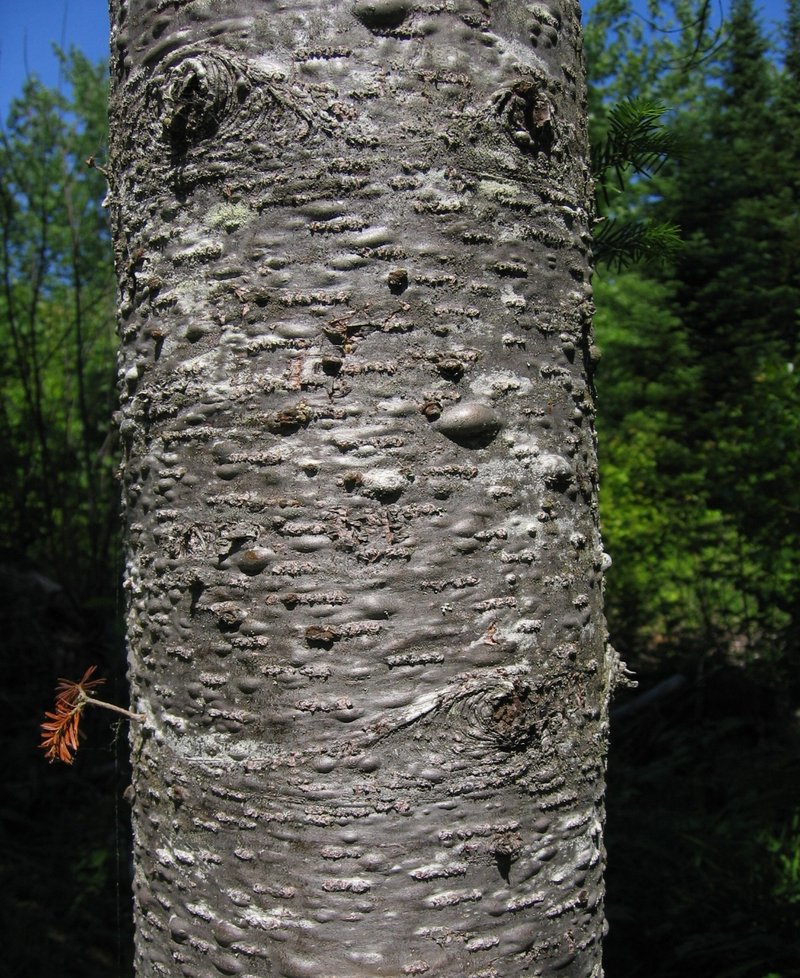
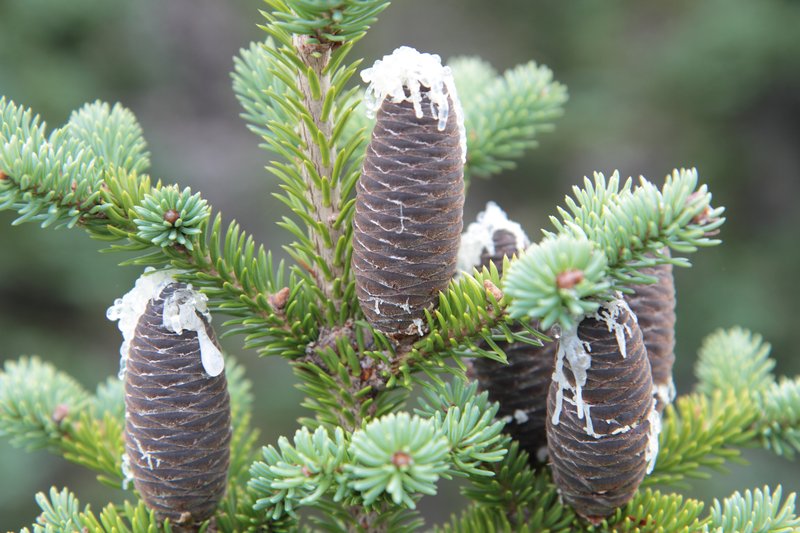
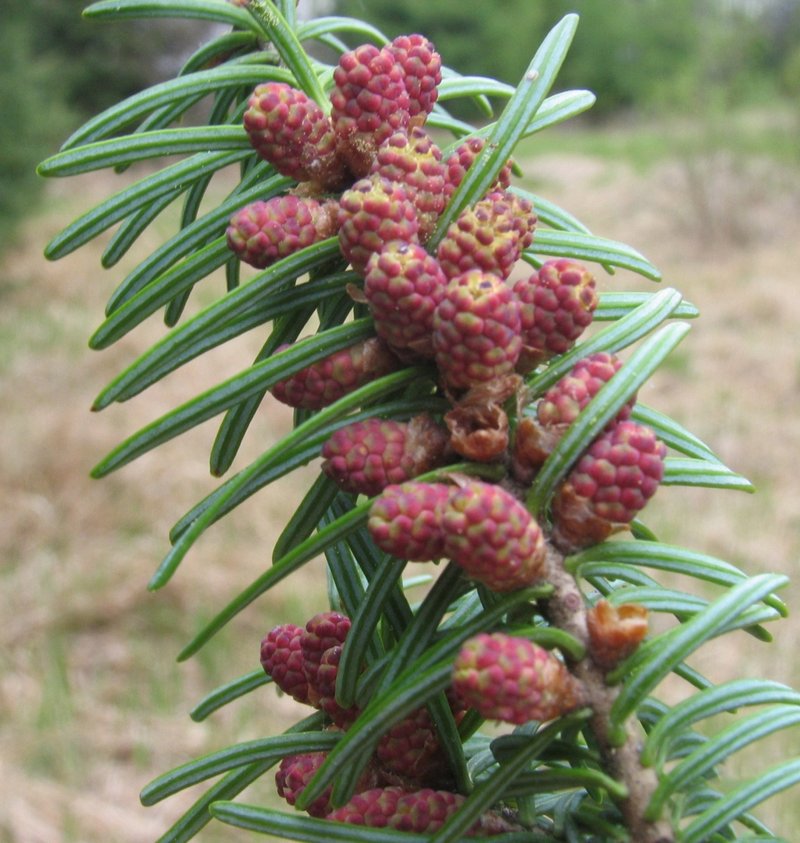
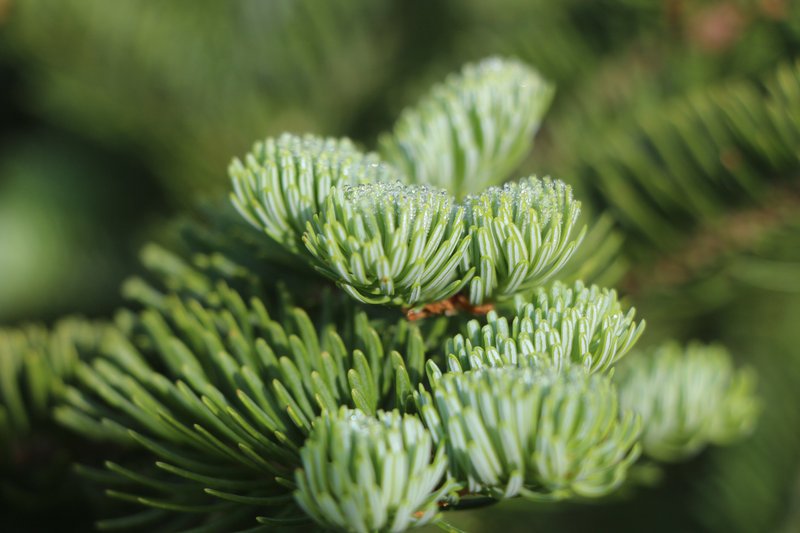
Taxonomy
- Division:
- Coniferophyta | - Conifers
- Family:
- Pinaceae
- Genus:
- Abies
- Species:
- Abies balsamea
- USDA Symbol:
- ABBA
Growth Characteristics
- Life Cycle:
- Perennial
- Growth Habit:
- Tree
- Height:
- 3000 cm
- Light Requirements:
- Full Sun,Part Shade,Shade
- Drought Tolerance:
- Low
Wildlife Benefits
- Bees:
- ★☆☆☆☆ Documented bee visitation (GBIF)
- Butterflies & Moths:
- ★★★★★ Documented Lepidoptera association (GBIF)
- Caterpillars:
- ★★★★★ Recorded caterpillar host plant (HOSTS Database)
Keystone Species Ranking
- Caterpillar Keystone:
- ★★★★★ Butterfly & moth species supported by this genus (NWF)
Host Plant for Caterpillars
Acleris gloveranus, Anacamptodes vellivolata, Archepandemis borealis, Argyresthia abies, Black zigzag (Panthea acronyctoides), black-dashed hydriomena moth (Hydriomena divisaria), Brown angle shades (Phlogophora periculosa), Canadian Melanolophia (Melanolophia canadaria), Carrot Epiblema Moth (Epiblema radicana), Chain-lined geometer moth (Cingilia catenaria), Columbia silk moth (Hyalophora columbia), common idia (Idia aemula), Comstock's sallow (Feralia comstocki), Conifer swift (Korscheltellus gracilis), Curve-lined looper (Lambdina fervidaria), Dark-spotted Palthis (Palthis angulalis), early zanclognatha (Zanclognatha cruralis), Eastern blackheaded budworm (Acleris variana), Eastern spruce budworm (Choristoneura fumiferana), Epinotia balsameae, Eucosma tocullionana, Eueretagrotis perattentus, Eupithecia albicapitata, Eupithecia annulata, Eupithecia filmata, Eupithecia luteata, Eupithecia mutata, Eupithecia palpata, Eupithecia transcanadata, False hemlock looper (Nepytia canosaria), fir coneworm (Dioryctria abietivorella), forgotten fan-foot (Zanclognatha protumnusalis), gray spruce looper (Caripeta divisata), Green-marked looper (Syngrapha viridisigma), Gypsy moth (Lymantria dispar), Hare-Lip Dagger Moth (Acronicta lepusculina), hibiscus Quaker (Orthosia hibisci), hooked silver Y (Syngrapha alias), hopeful dagger moth (Acronicta sperata), Imitated Melanolophia (Melanolophia imitata), Io moth (Automeris io), Jocose Sallow (Feralia jocosa), Larch Pug (Eupithecia lariciata), Little White Lichen Moth (Clemensia albata), maple twig borer (Barbara mappana), Morrison's pero (Pero morrisonaria), mottled gray carpet moth (Cladara limitaria), Mournful Thorn (Lambdina fiscellaria), Nameless Pinion (Lithophane innominata), Northern Pine Tussock Moth (Dasychira plagiata), Northern Variable Dart (Xestia badicollis), oak nycteoline (Nycteola revayana), obscure leafroller (Argyrotaenia occultana), packard's archips moth (Archips packardiana), Painted Lichen Moth (Hypoprepia fucosa), Pine Hypagyrtis Moth (Hypagyrtis piniata), Porcelain Gray (Protoboarmia porcelaria), powdered eufidonia (Eufidonia notataria), Ratzeburg's tortricid moth (Zeiraphera ratzeburgiana), Rusty Tussock Moth (Orgyia antiqua), Semiothisa granitata, Semiothisa signaria, signate melanolophia moth (Melanolophia signataria), Silver-spotted Tiger Moth (Lophocampa argentata), southern nepytia (Nepytia semiclusaria), sparganothis fruitworm moth (Sparganothis sulfureana), spruce bud moth (Zeiraphera canadensis), spruce coneworm (Dioryctria reniculella), Syngrapha abstrusa, Syngrapha rectangula, tawny brown carpet moth (Anacamptodes ephyraria), Unmarked dagger moth (Acronicta innotata), Variable Climbing Cutworm (Xestia elimata), Variegated cutworm (Peridroma saucia), variegated midget (Elaphria versicolor), Western spruce budworm (Choristoneura occidentalis), wheatear sallow (Lithophane fagina), white triangle tortrix (Clepsis persicana), white-fringed emerald (Nemoria mimosaria), White-lined leafroller (Amorbia humerosana), White-marked Tussock Moth (Orgyia leucostigma), Xestia perquiritata, Xestia praevia, Zeiraphera improbana, Zeiraphera unfortunana, Menapia White (Neophasia menapia)
Reported Fauna Sightings
Moths:Eastern spruce budworm (Choristoneura fumiferana)
Garden & Ecology Notes
- Wildlife Value:
- birds, small mammals
- Fragrant:
- Yes
- Fire Notes:
- Balsam fir is fire-sensitive; severe fire can kill mature trees and reduce regeneration.
Soil Requirements
- Soil Type:
- moist, well-drained, acidic loam
- pH:
- 4.0 - 6.0 (acidic to slightly acidic)
- Drainage:
- tolerates poor drainage
- Moisture:
- consistently moist
- Notes:
- prefers cool, humid environments
Propagation & Germination
- Stratification:
- Cold/moist stratification required — 30–60 days
- Germination Time:
- 21–60 days
- Notes:
- Seeds require cold stratification for 30-60 days; germination occurs at 20-25°C.
Pre-treatment: Seeds are cold moist stratified for 28 days
Establishment: A. balsamea is found from 0 to 1700 m elevation; across Canada and south through the eastern United States to Virginia, and the upper Midwest in Minnestoa, Michigan and Wisconsin.
Source: npn.rngr.net
Where to Buy
Nationwide Seller
- Sheffield's Seed (seeds)