
White Fir
Abies concolor
Also known as: Sierra White Fir
- Native to:
- Mexico, United States
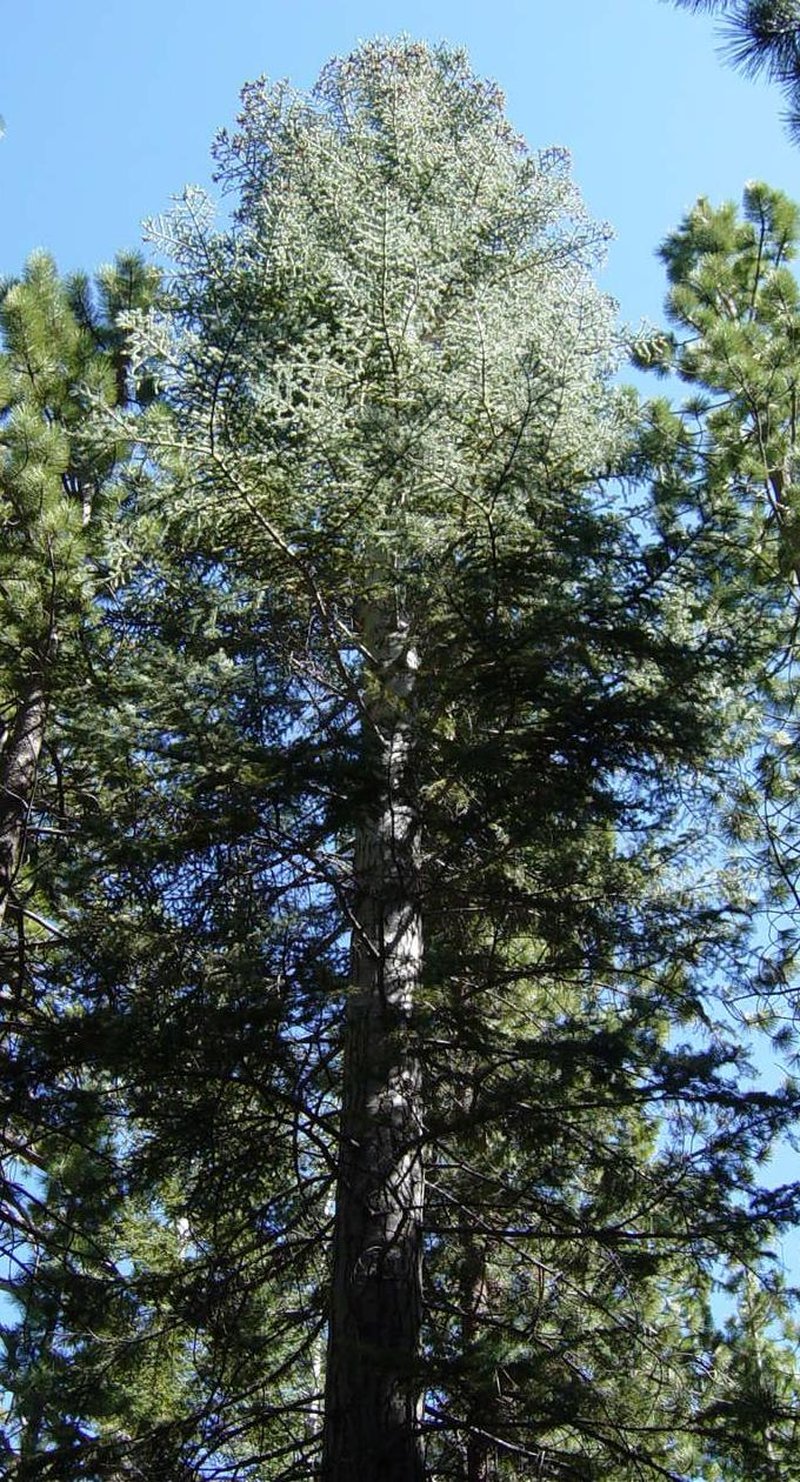
Puncsos
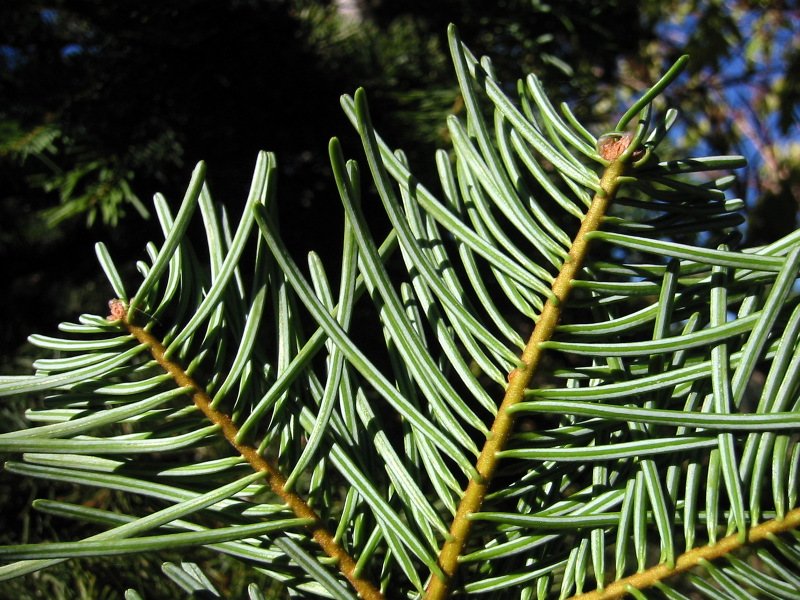
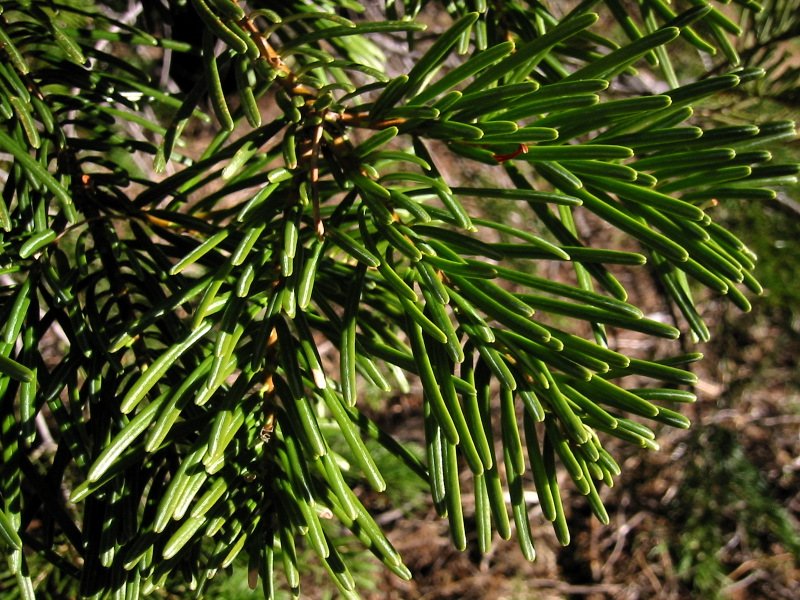
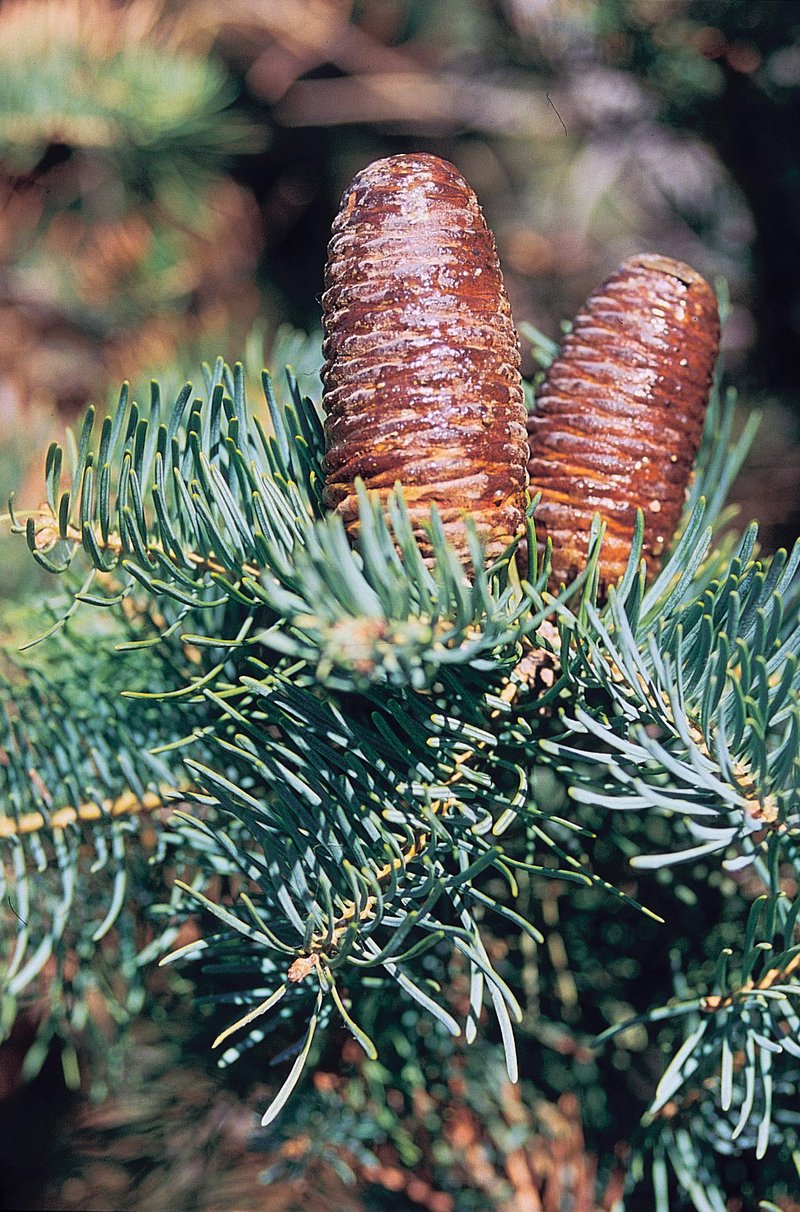
Taxonomy
- Division:
- Coniferophyta | - Conifers
- Family:
- Pinaceae
- Genus:
- Abies
- Species:
- Abies concolor
- USDA Symbol:
- ABCO
Growth Characteristics
- Life Cycle:
- Perennial
- Growth Habit:
- Tree
- Height:
- 6000 cm
- Light Requirements:
- Full Sun,Part Shade
- Drought Tolerance:
- Medium
Wildlife Benefits
- Butterflies & Moths:
- ★★★★★ Documented Lepidoptera association (GBIF)
- Caterpillars:
- ★★★★☆ Recorded caterpillar host plant (HOSTS Database)
Keystone Species Ranking
- Caterpillar Keystone:
- ★★★★★ Butterfly & moth species supported by this genus (NWF)
Host Plant for Caterpillars
Achytonix epipaschia, Acleris gloveranus, Argyrotaenia klotsi, Barbara colfaxiana, Carrot Epiblema Moth (Epiblema radicana), Chionodes abella, Choristoneura sp., cloaked pug (Eupithecia abietaria), Coleotechnites , coneworm moth (Dioryctria ), Cydia bracteatana, Dorsal Argyrotaenia Moth (Argyrotaenia dorsalana), Douglas-fir tussock moth (Orgyia pseudotsugata), Eastern spruce budworm (Choristoneura fumiferana), Egira simplex, Eucosma siskiyouana, Eupithecia catalinata, Eupithecia spermaphaga, Freeman's nepytia (Nepytia freemani), green spruce coneworm (Choristoneura viridis), Mountain Enypia (Enypia griseata), Oslar's Tussock Moth (Orgyia oslari), phantasm moth (Nepytia phantasmaria), Silver-spotted Tiger Moth (Lophocampa argentata), Syngrapha celsa, Western spruce budworm (Choristoneura occidentalis), western spruce budworm (Argyrotaenia provana), white triangle tortrix (Clepsis persicana), white-fir needleminer (Epinotia meritana), Ypsolopha nella, Zeiraphera hesperiana
Garden & Ecology Notes
- Wildlife Value:
- birds, small mammals
- Fragrant:
- Yes
- Fire Ecology:
- Fire adapted — tolerates or benefits from fire
- Fire Notes:
- Thick bark provides some fire resistance; regenerates after low-severity fire.
Soil Requirements
- Soil Type:
- rich, well-drained loamy soil
- pH:
- 5.5 - 7.0 (slightly acidic to neutral)
- Drainage:
- excellent drainage required
- Moisture:
- consistently moist
- Notes:
- Prefers cool, moist environments in mountainous regions
Propagation & Germination
- Stratification:
- Cold/moist stratification required — 30–60 days
- Germination Time:
- 14–30 days
- Notes:
- Seeds benefit from cold stratification for 30-60 days to break dormancy.
Pre-treatment: Seeds are removed from storage and placed in water at room temperature for 12 - 18 hours, then placed in self-sealing, polyethylene baggies and placed in refrigerated conditions (2 to 4°C) for 28 days to satisfy stratification requirements.
Establishment: Entire cones are harvested by hand from trees when they begin to turn tan or brown, prior to scale opening. This typically occurs in early to mid-September within its natural range and slightly later when grown at lower elevations. The species is found from Idaho and Oregon south through California and in the southern Rocky mountains in New Mexico and Southern Colorado.
Source: npn.rngr.net
Where to Buy
Nationwide Seller
- Sheffield's Seed (seeds)