
Tamarack
Larix laricina
- Native to:
- Canada, Labrador, Prince Edward I., United States
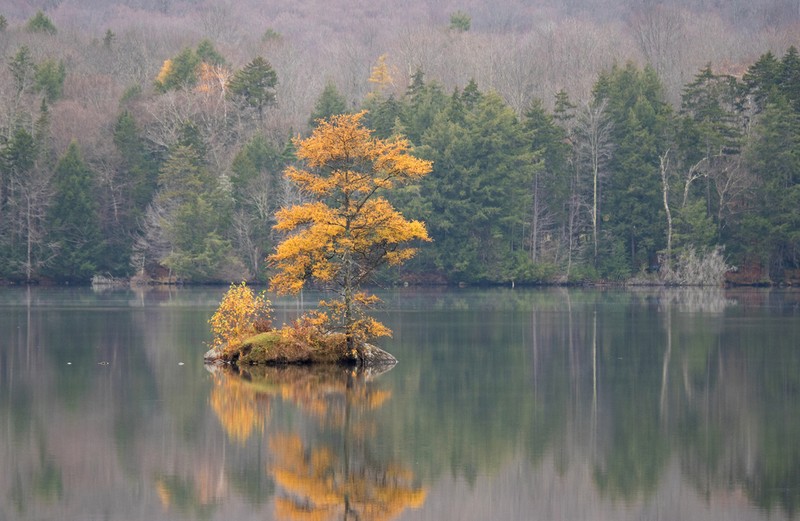
iNaturalist: © susanelliott (iNaturalist #63779953)
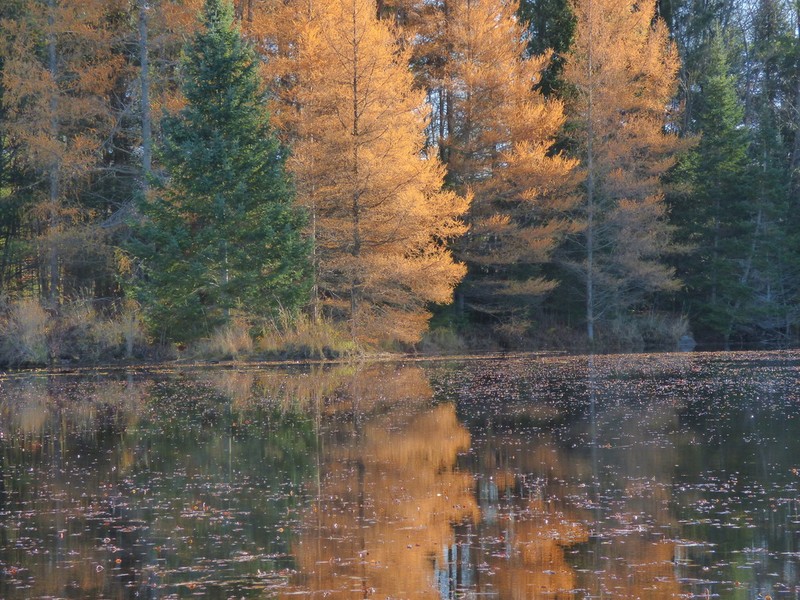
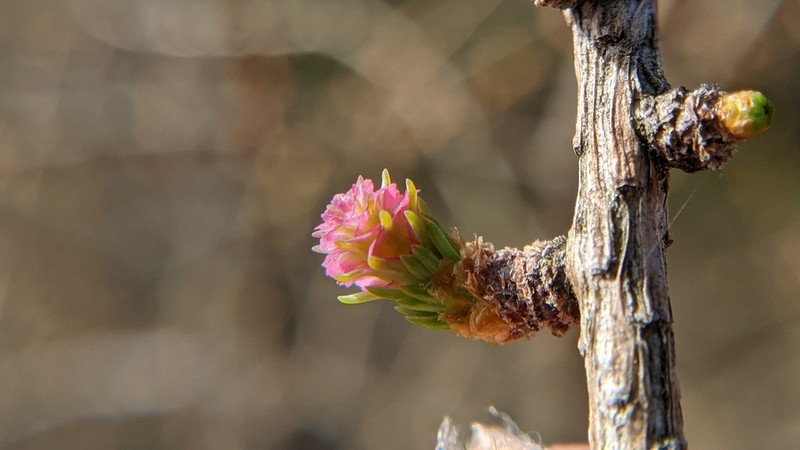
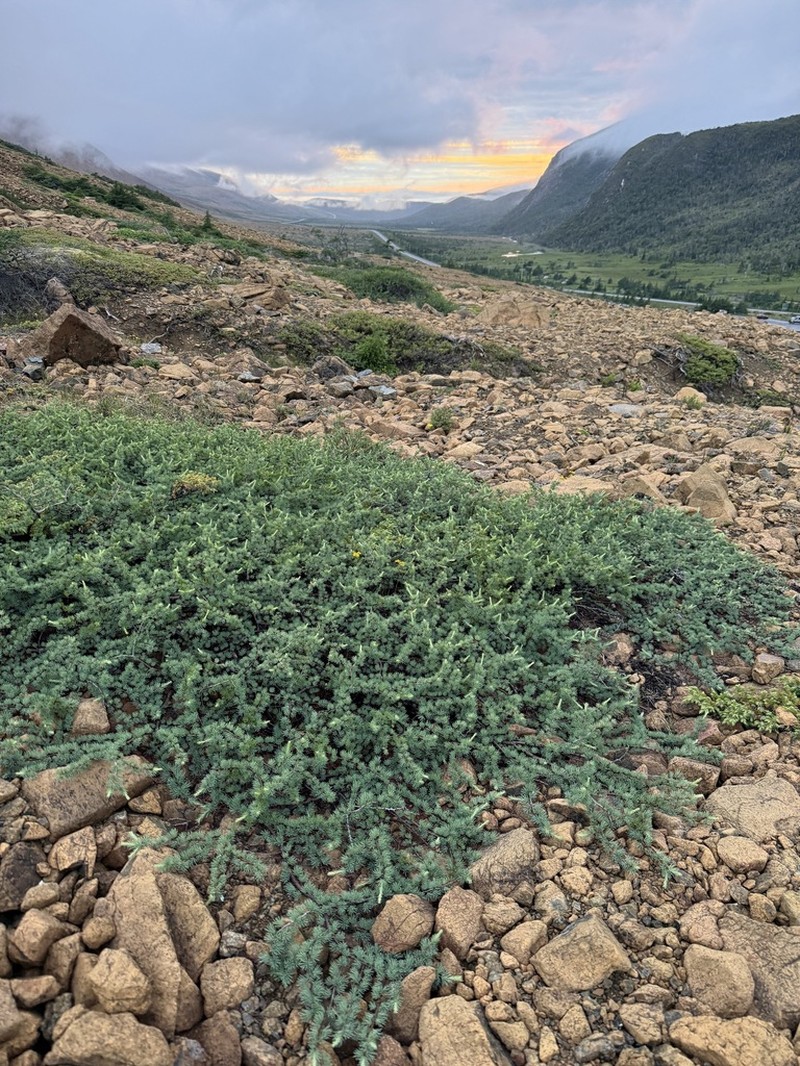
Taxonomy
- Division:
- Coniferophyta | - Conifers
- Family:
- Pinaceae
- Genus:
- Larix
- Species:
- Larix laricina
- USDA Symbol:
- LALA
Growth Characteristics
- Life Cycle:
- Perennial
- Growth Habit:
- Tree
- Height:
- 3000 cm
- Light Requirements:
- Full Sun,Shade
- Drought Tolerance:
- Low
Wildlife Benefits
- Bees:
- ★☆☆☆☆ Documented bee visitation (GBIF)
- Butterflies & Moths:
- ★★★★★ Documented Lepidoptera association (GBIF)
- Caterpillars:
- ★★★★★ Recorded caterpillar host plant (HOSTS Database)
Keystone Species Ranking
- Caterpillar Keystone:
- ★★★★★ Butterfly & moth species supported by this genus (NWF)
Host Plant for Caterpillars
Anacamptodes vellivolata, Anaplectoides pressus, Aplectoides condita, Apple Sphinx (Sphinx gordius), Black zigzag (Panthea acronyctoides), black-dashed hydriomena moth (Hydriomena divisaria), Canadian Melanolophia (Melanolophia canadaria), Ceanothus Silkmoth (Hyalophora euryalus), Cecropia moth (Hyalophora cecropia), Chain-lined geometer moth (Cingilia catenaria), Columbia silk moth (Hyalophora columbia), common eupithecia (Eupithecia miserulata), contracted spanworm (Thera contractata), Dawn Rustic (Xestia dilucida), Eastern blackheaded budworm (Acleris variana), Eastern Panthea (Panthea furcilla), Eastern spruce budworm (Choristoneura fumiferana), Eupithecia annulata, Eupithecia fletcherata, Eupithecia luteata, Eupithecia palpata, False hemlock looper (Nepytia canosaria), false sphinx (Lapara bombycoides), gray spruce looper (Caripeta divisata), Great Brocade (Eurois occulta), Gypsy moth (Lymantria dispar), hibiscus Quaker (Orthosia hibisci), Hickory Tussock Moth (Lophocampa caryae), Imperial Moth (Eacles imperialis), Jocose Sallow (Feralia jocosa), Lacanobia nevadae, larch needleminer (Coleotechnites laricis), Larch Pug (Eupithecia lariciata), Larch Tolype (Tolype laricis), laricella moth (Argyresthia laricella), Melanchra assimilis, Melanchra pulverulenta, Morrison's pero (Pero morrisonaria), mottled gray carpet moth (Cladara limitaria), Northern Pine Tussock Moth (Dasychira plagiata), obscure leafroller (Argyrotaenia occultana), Papestra cristifera, Peppered Moth (Biston betularia), Petrealis Owlet Moth (Chytolita petrealis), Pine Hypagyrtis Moth (Hypagyrtis piniata), Porcelain Gray (Protoboarmia porcelaria), powdered eufidonia (Eufidonia notataria), Prochoerodes transversata, Semiothisa denticulata, Semiothisa granitata, Semiothisa oweni, Semiothisa sexmaculata, Semiothisa submarmorata, signate melanolophia moth (Melanolophia signataria), southern nepytia (Nepytia semiclusaria), sparganothis fruitworm moth (Sparganothis sulfureana), Spiramater lutra, spruce coneworm (Dioryctria reniculella), sweetfern geometer (Cyclophora pendulinaria), Syngrapha rectangula, Variable Climbing Cutworm (Xestia elimata), variegated midget (Elaphria versicolor), wheatear sallow (Lithophane fagina), white triangle tortrix (Clepsis persicana), White-marked Tussock Moth (Orgyia leucostigma), Xestia praevia, Young's Dart (Xestia youngii), Zeiraphera improbana
Reported Fauna Sightings
Moths:Chain-lined geometer moth (Cingilia catenaria), private sallow moth (Sutyna privata)
Garden & Ecology Notes
- Wildlife Value:
- birds, small mammals
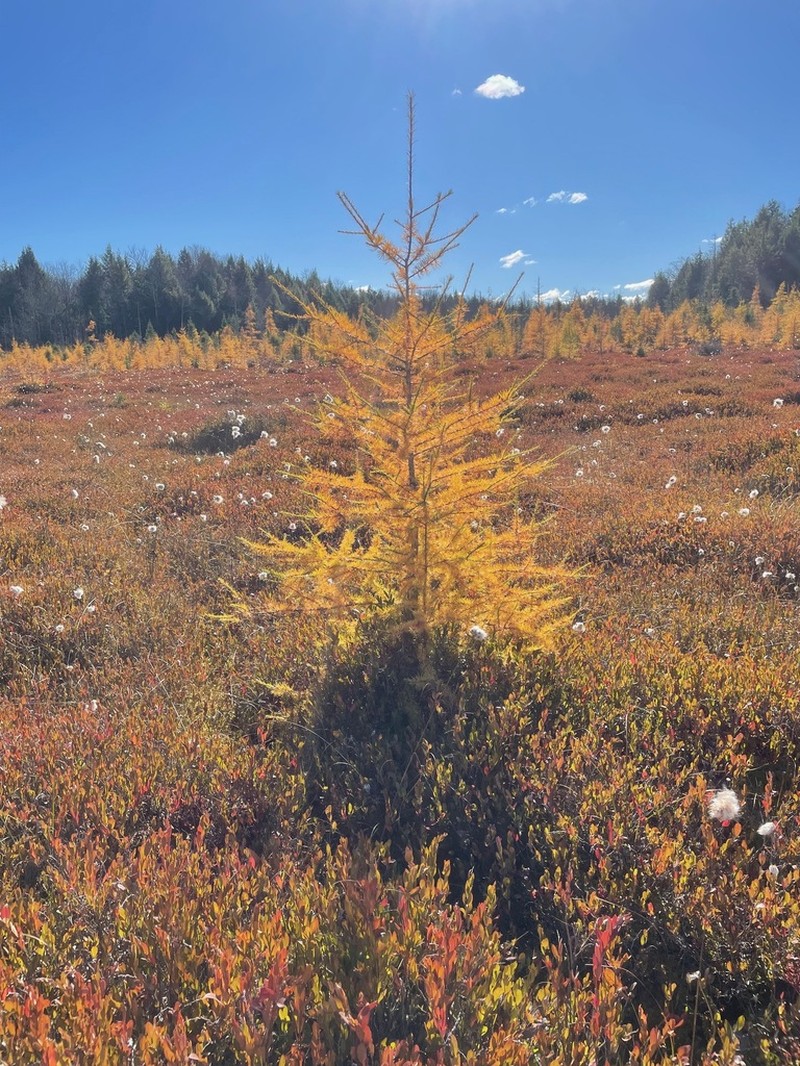
- Fall Color:
- yellow
Soil Requirements
- Soil Type:
- peaty, acidic, nutrient-poor soil
- pH:
- 4.0 - 6.0 (acidic to slightly acidic)
- Drainage:
- tolerates poor drainage
- Moisture:
- consistently moist
- Notes:
- Commonly found in bogs and wetlands
Propagation & Germination
- Stratification:
- Cold/moist stratification required — 30–60 days
- Germination Time:
- 14–28 days
- Notes:
- Seeds require cold stratification for 30-60 days; sow in spring after last frost.
Pre-treatment: Seeds are placed in cold moist stratification for 0 to 42 days.
Establishment: L. laricina is found in boreal forests on wet, poorly drained sphagnum bogs and muskegs. It is also on upland mineral soils. It ranges from Alaska and Yukon across Canada to New Brunswick ,Newfoundland,St. Pierre and Miquelon south throuth the eastern United States to West Virginia. It is also found in the midwestern states from Michigan, Minnesota, Wisconsin, and Ohio.
Source: npn.rngr.net
ORGHPS Germination Guide: Sow @ 4C for 3 weeks, then place @ 20C.
Where to Buy
Nationwide Seller
- Sheffield's Seed (seeds)