
Western Larch
Larix occidentalis
- Native to:
- Canada, United States
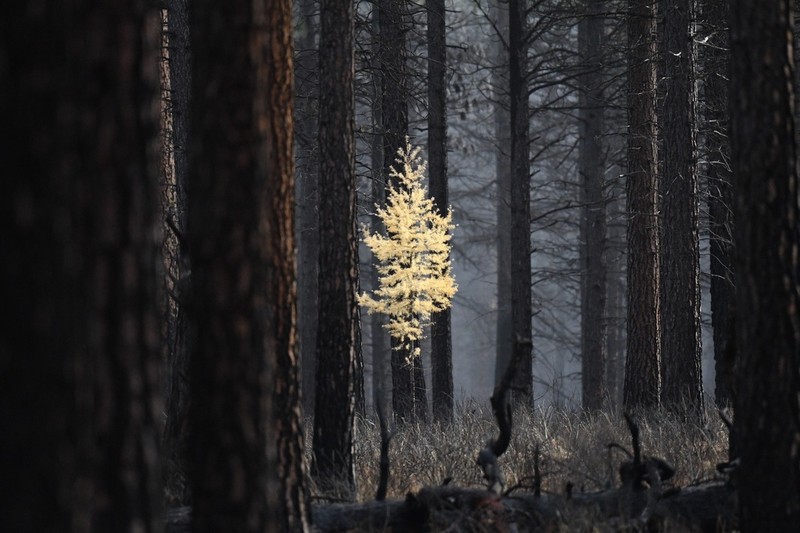
iNaturalist: © deschutesander (iNaturalist #253357825)
Taxonomy
- Division:
- Coniferophyta | - Conifers
- Family:
- Pinaceae
- Genus:
- Larix
- Species:
- Larix occidentalis
- USDA Symbol:
- LAOC
Growth Characteristics
- Life Cycle:
- Perennial
- Growth Habit:
- Tree
- Height:
- 6000 cm
- Light Requirements:
- Full Sun
- Drought Tolerance:
- Medium
Wildlife Benefits
- Bees:
- ★☆☆☆☆ Documented bee visitation (GBIF)
- Butterflies & Moths:
- ★☆☆☆☆ Documented Lepidoptera association (GBIF)
- Caterpillars:
- ★★★☆☆ Recorded caterpillar host plant (HOSTS Database)
- Hummingbirds:
- ★☆☆☆☆ Documented hummingbird visits (GBIF)
Keystone Species Ranking
- Caterpillar Keystone:
- ★★★★★ Butterfly & moth species supported by this genus (NWF)
Host Plant for Caterpillars
Argyresthia columbia, Cydia laricana, Cydia leucobasis, Douglas-fir tussock moth (Orgyia pseudotsugata), Eastern blackheaded budworm (Acleris variana), Eupithecia palpata, gray spruce looper (Caripeta divisata), Imitated Melanolophia (Melanolophia imitata), Kaslo silkmoth (Hyalophora "kasloensis"), Melanchra pulverulenta, Mournful Thorn (Lambdina fiscellaria), Nameless Pinion (Lithophane innominata), Nantucket pine tip moth (Rhyacionia frustrana), ornate eupithecia (Eupithecia ornata), Papestra cristifera, Porcelain Gray (Protoboarmia porcelaria), Rusty Tussock Moth (Orgyia antiqua), Semiothisa granitata, Semiothisa sexmaculata, striped epirranthis moth (Epirranthis substriataria), sulphur moth (Hesperumia sulphuraria), Synanthedon novaroensis, Western spruce budworm (Choristoneura occidentalis), white triangle tortrix (Clepsis persicana), Zeiraphera improbana
Garden & Ecology Notes
- Wildlife Value:
- birds, small mammals
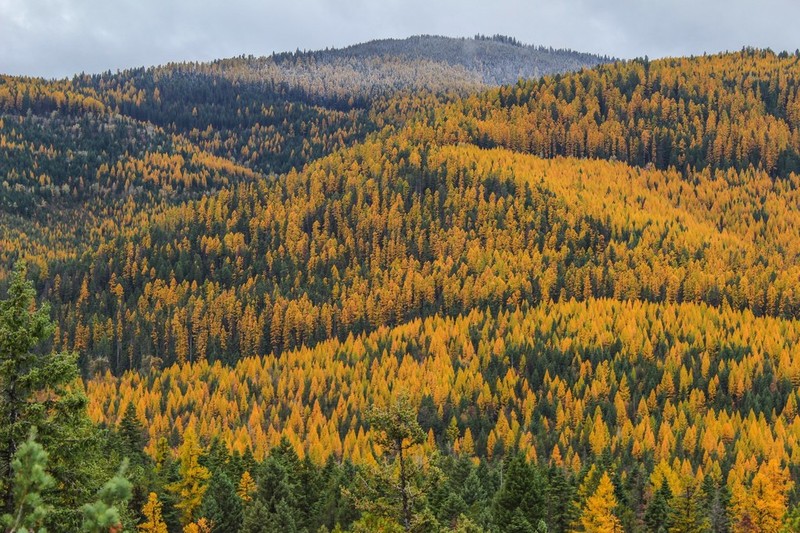
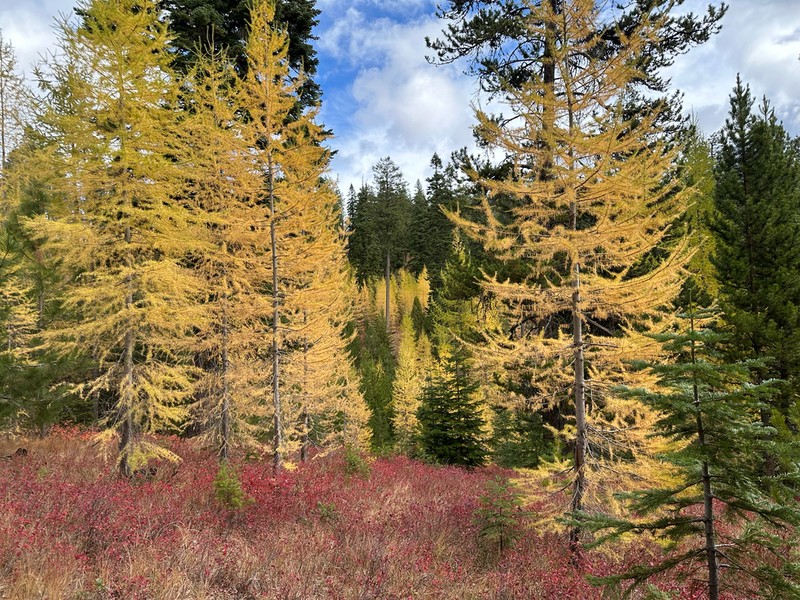
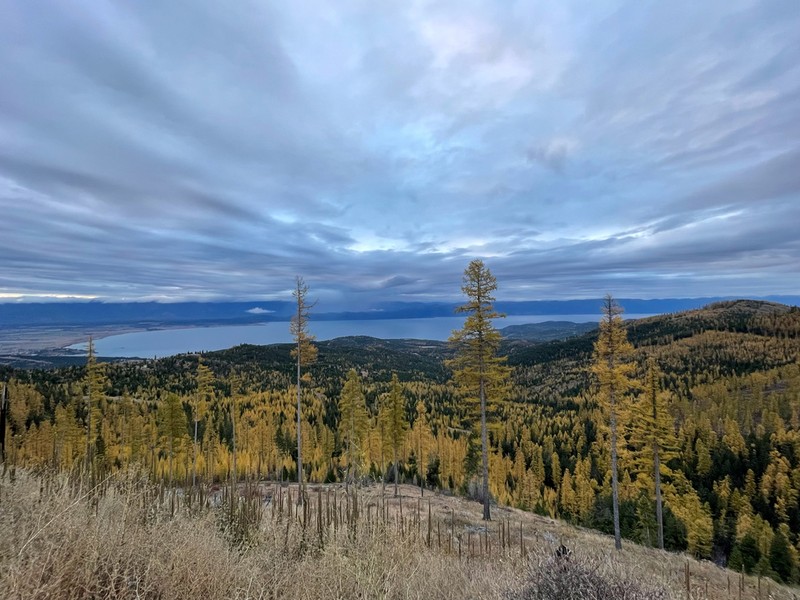
- Fall Color:
- yellow
- Fire Ecology:
- Fire adapted — tolerates or benefits from fire
- Fire Notes:
- Thick bark provides some fire resistance; serotinous cones are not present.
Soil Requirements
- Soil Type:
- well-drained, sandy or loamy soil
- pH:
- 5.0 - 7.0 (slightly acidic to neutral)
- Drainage:
- excellent drainage required
- Moisture:
- dry to moderate
- Notes:
- prefers soils in mountainous regions
Propagation & Germination
- Stratification:
- Cold/moist stratification required — 30–60 days
- Germination Time:
- 14–28 days
- Notes:
- Seeds require cold stratification for 30-60 days to break dormancy.
Pre-treatment: Seeds are placed into fine mesh bags and soaked in running tap water for 48 hours. Then, seeds are stratified (cold, moist) for 28 to 42 days at 1 to 2°C (34 to 36°F). After stratification, seeds are soaked 24 hours in running tap water.
Establishment: Seed collection methods and timing vary slightly across protocols. Some suggest collection in August and September, others in September and October. Methods include using ladders, hydraulic lifts, climbing trees, or cutting branches. Cones are stored in burlap, mesh, or paper bags.
Source: npn.rngr.net
Where to Buy
Nationwide Seller
- Sheffield's Seed (seeds)