
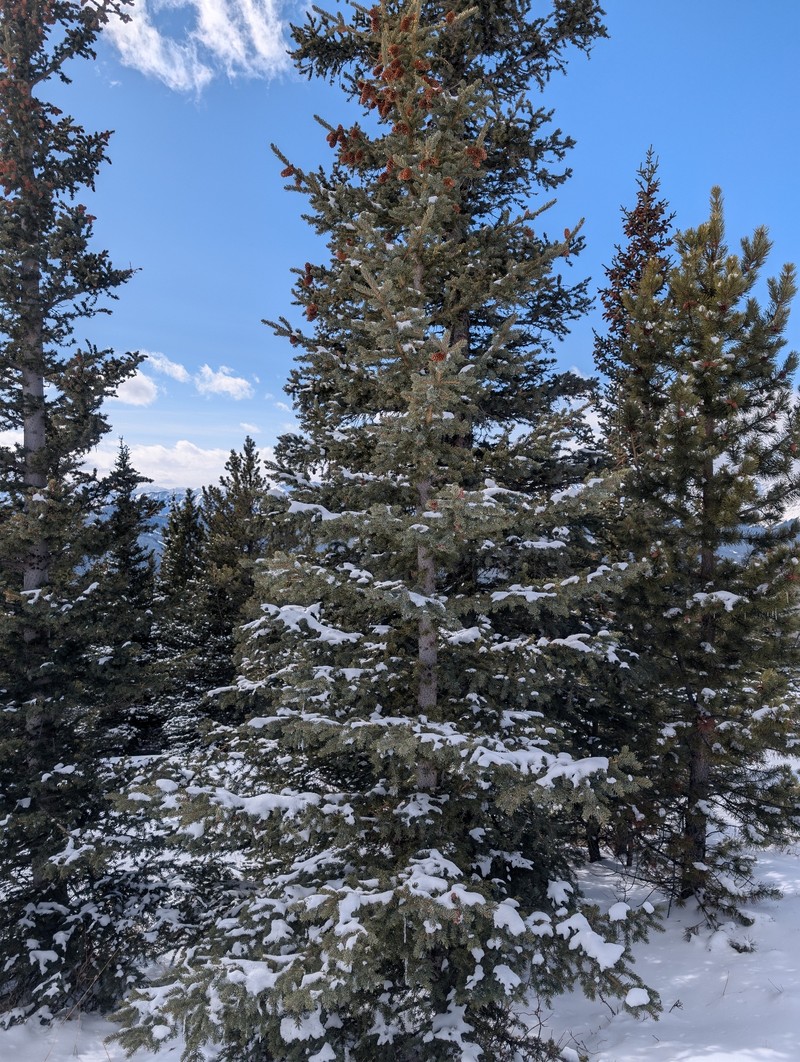
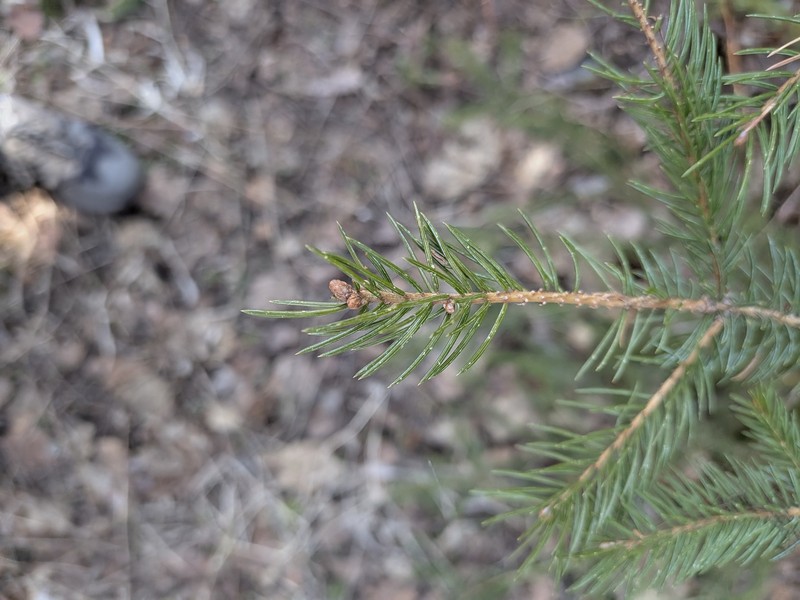
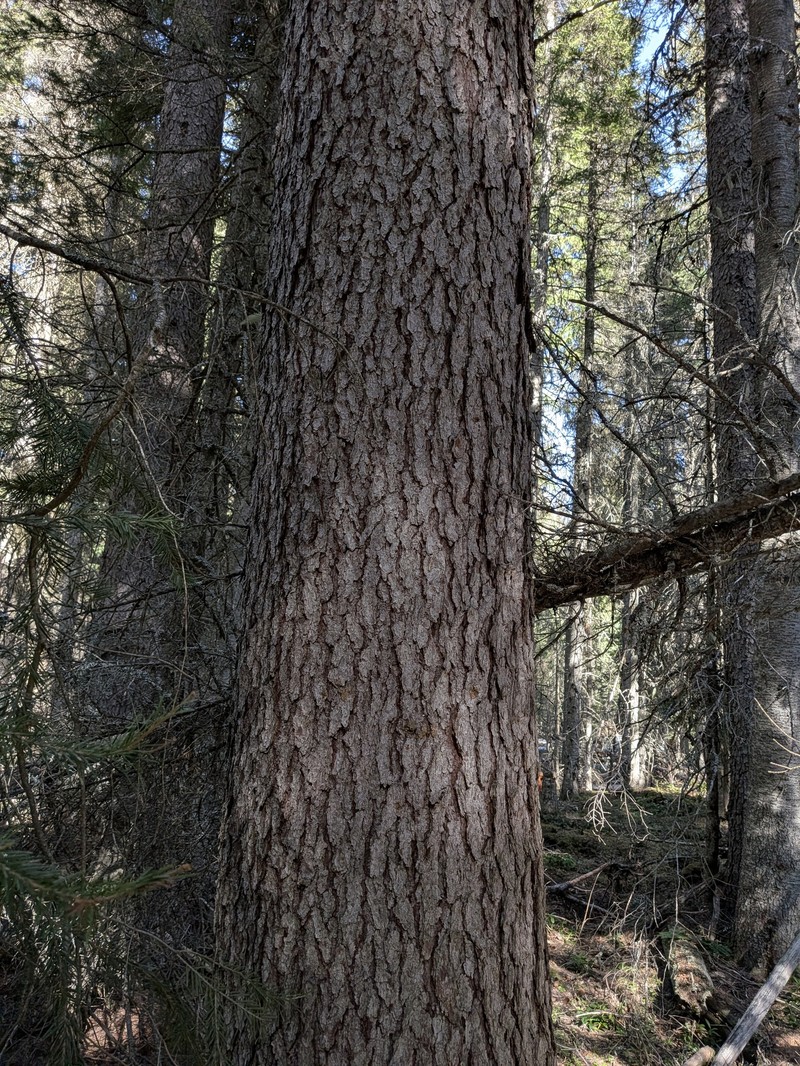
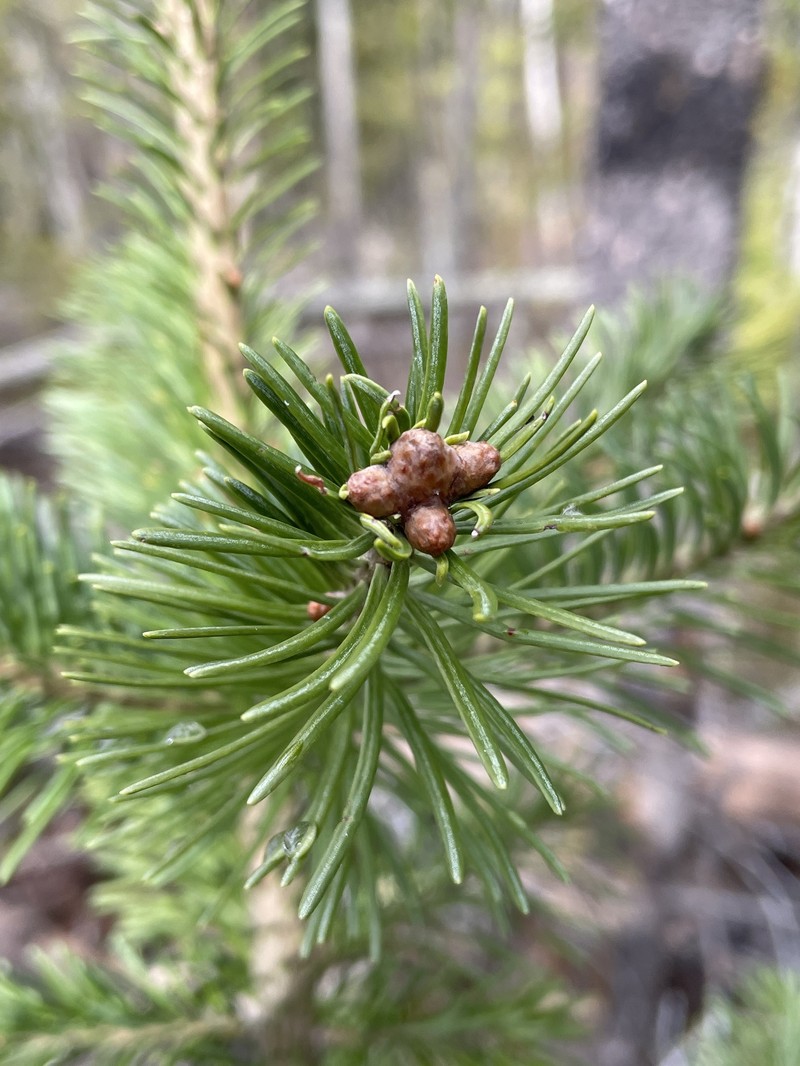
Western White Spruce
Picea ×albertiana
- Native to:
- Canada, United States
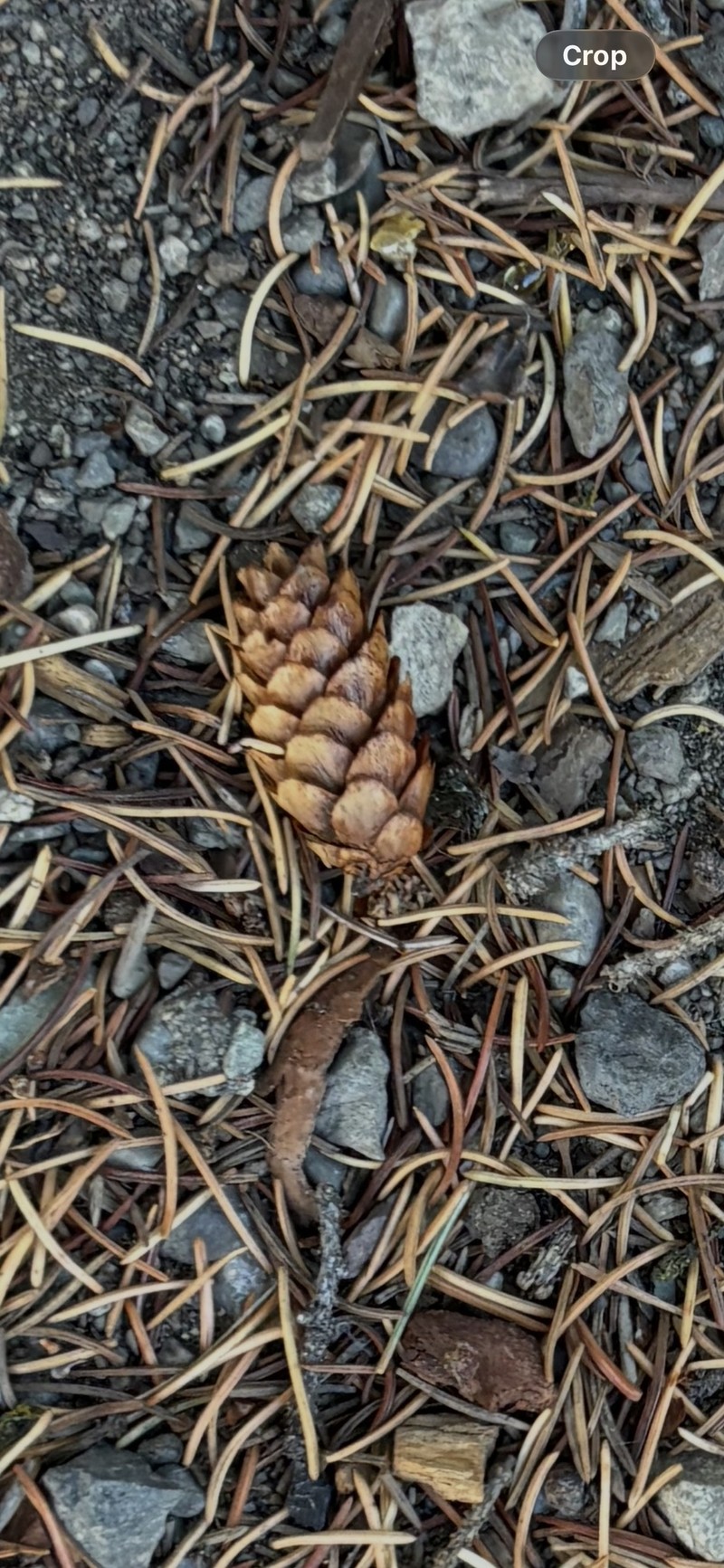
GBIF: Niel Brady Mathes
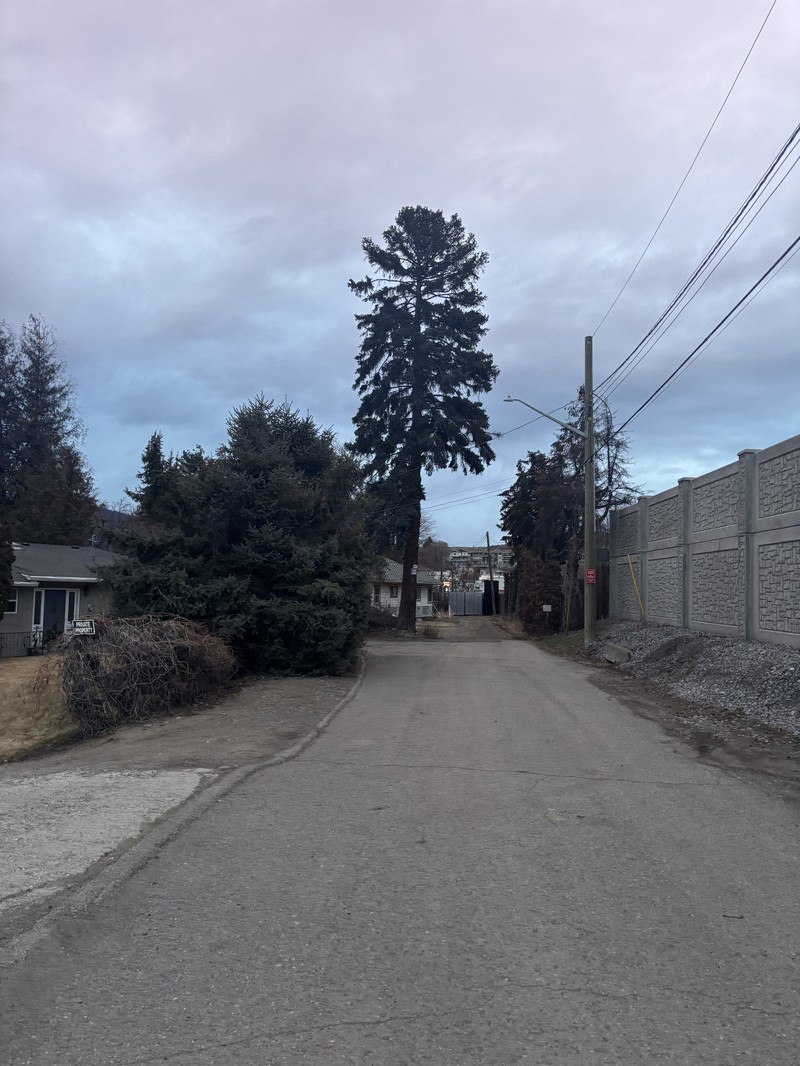
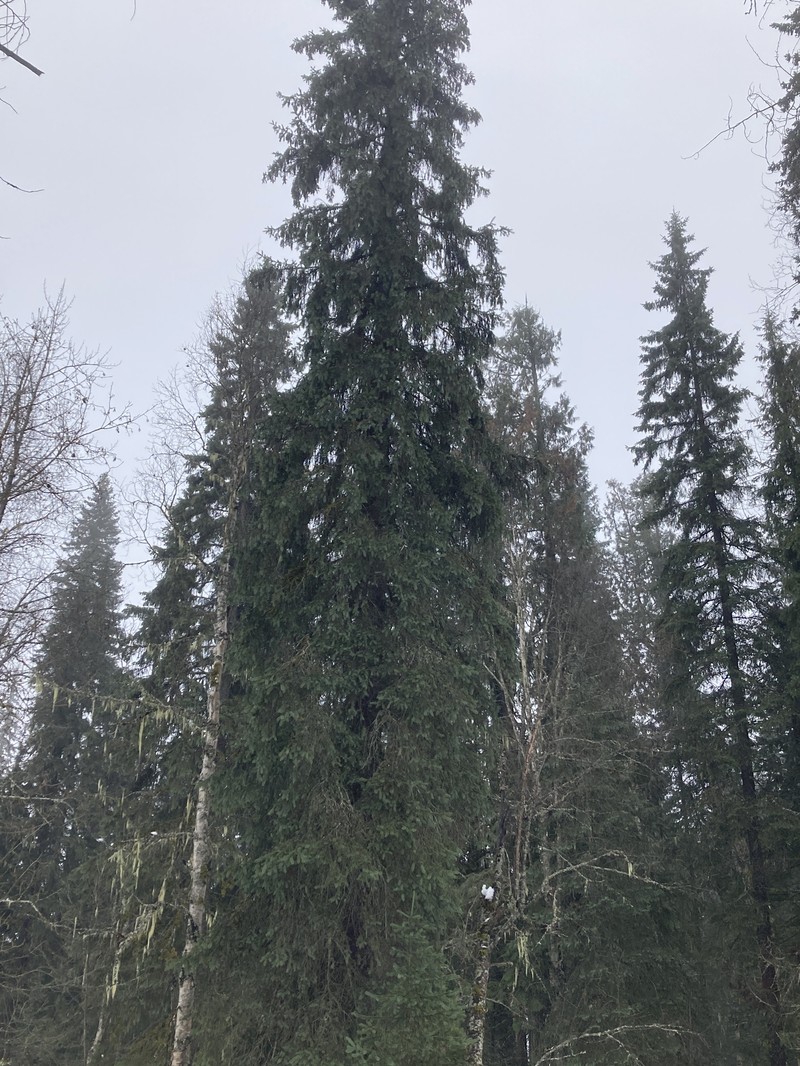
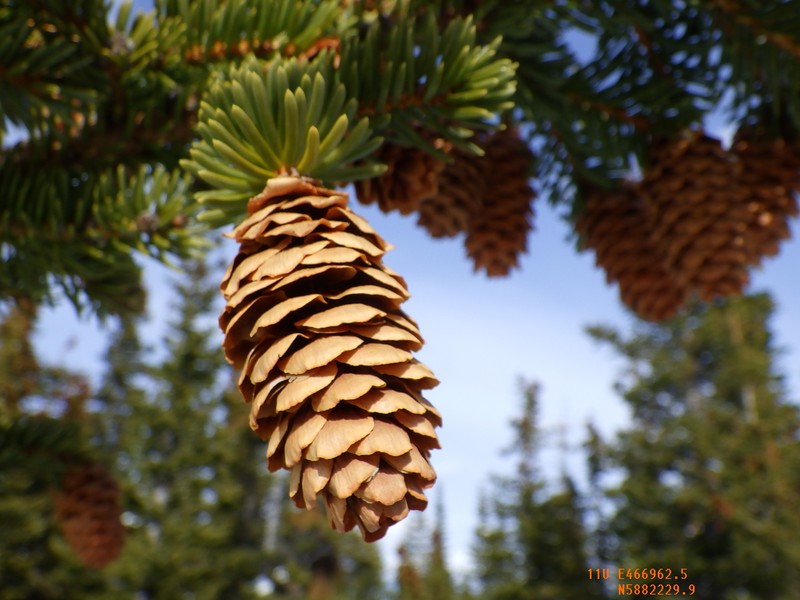
Taxonomy
- Division:
- Coniferophyta | - Conifers
- Family:
- Pinaceae
- Genus:
- Picea
- Species:
- Picea ×albertiana
- USDA Symbol:
- PIAL4
Growth Characteristics
- Life Cycle:
- Perennial
- Growth Habit:
- Tree
- Height:
- 3000 cm
- Light Requirements:
- Full Sun
- Drought Tolerance:
- Medium
Wildlife Benefits
- Caterpillars:
- ★★★★★ Recorded caterpillar host plant (HOSTS Database)
Keystone Species Ranking
- Caterpillar Keystone:
- ★★★★★ Butterfly & moth species supported by this genus (NWF)
Host Plant for Caterpillars
Allen's Aphelia (Aphelia alleniana), Argyresthia picea, Black zigzag (Panthea acronyctoides), black-dashed hydriomena moth (Hydriomena divisaria), Carrot Epiblema Moth (Epiblema radicana), Choristoneura biennis, Choristoneura sp., Coleotechnites ducharmei, Coleotechnites martini, Columbia silk moth (Hyalophora columbia), common idia (Idia aemula), Comstock's sallow (Feralia comstocki), Cydia rana, Cydia youngana, Dark-spotted Palthis (Palthis angulalis), Eastern blackheaded budworm (Acleris variana), Eastern Panthea (Panthea furcilla), Eastern spruce budworm (Choristoneura fumiferana), Eupithecia albicapitata, Eupithecia annulata, Eupithecia bradorata, Eupithecia casloata, Eupithecia columbrata, Eupithecia fletcherata, Eupithecia graefii, Eupithecia luteata, Eupithecia misturata, Eupithecia mutata, Eupithecia palpata, European spruce needleminer (Epinotia nanana), False hemlock looper (Nepytia canosaria), forgotten fan-foot (Zanclognatha protumnusalis), fragile dagger moth (Acronicta fragilis), gray spruce looper (Caripeta divisata), Greater Red Dart (Abagrotis alternata), Green-marked looper (Syngrapha viridisigma), Gypsy moth (Lymantria dispar), hibiscus Quaker (Orthosia hibisci), hooked silver Y (Syngrapha alias), Imitated Melanolophia (Melanolophia imitata), Imperial Moth (Eacles imperialis), Jocose Sallow (Feralia jocosa), larch budmoth (Zeiraphera diniana), Larch Pug (Eupithecia lariciata), Little White Lichen Moth (Clemensia albata), marsh moth (Dolichomia thymetusalis), Morrison's pero (Pero morrisonaria), mottled gray carpet moth (Cladara limitaria), Mournful Thorn (Lambdina fiscellaria), Nameless Pinion (Lithophane innominata), Northern Pine Tussock Moth (Dasychira plagiata), Oak besma (Besma quercivoraria), Obliquebanded leafroller (Choristoneura rosaceana), obscure leafroller (Argyrotaenia occultana), one-lined sparganothis moth (Sparganothis unifasciana), packard's archips moth (Archips packardiana), Painted Lichen Moth (Hypoprepia fucosa), Pine Hypagyrtis Moth (Hypagyrtis piniata), pinion shoot moth (Dioryctria reniculelloides), Pitch mass borer (Synanthedon pini), Porcelain Gray (Protoboarmia porcelaria), powdered eufidonia (Eufidonia notataria), Ratzeburg's tortricid moth (Zeiraphera ratzeburgiana), Red-banded leafroller (Argyrotaenia velutinana), Rusty Tussock Moth (Orgyia antiqua), Semiothisa granitata, Sidus sallow (Eupsilia sidus), signate melanolophia moth (Melanolophia signataria), sparganothis fruitworm moth (Sparganothis sulfureana), Spiramater lutra, spruce bud moth (Zeiraphera canadensis), spruce coneworm (Dioryctria reniculella), spruce needleminer (Coleotechnites piceaella), striped epirranthis moth (Epirranthis substriataria), Syngrapha abstrusa, Syngrapha celsa, Syngrapha rectangula, Syngrapha selecta, Three-lined balsa moth (Balsa tristrigella), Variable Climbing Cutworm (Xestia elimata), variegated midget (Elaphria versicolor), white triangle tortrix (Clepsis persicana), white-fringed emerald (Nemoria mimosaria), White-marked Tussock Moth (Orgyia leucostigma), Xenotemna pallorana, Xestia perquiritata, Xestia praevia, Zanclognatha minoralis, Zeiraphera fortunana, Zeiraphera improbana, Zeiraphera unfortunana, 🛑Bog Elfin (Incisalia lanoraieensis), Eastern Tailed-Blue (Incisalia niphon)
Garden & Ecology Notes
- Wildlife Value:
- birds, small mammals
Soil Requirements
- Soil Type:
- rich, well-drained loamy soil
- pH:
- 5.5 - 7.0 (slightly acidic to neutral)
- Drainage:
- excellent drainage required
- Moisture:
- consistently moist
- Notes:
- Prefers cool, moist environments
Propagation & Germination
- Stratification:
- Cold/moist stratification required — 30–60 days
- Germination Time:
- 21–60 days
- Notes:
- Seeds require cold stratification for 30-60 days to break dormancy; sow in spring.
Pre-treatment: Cold-moist stratification for 30 days at 1–5°C (34–41°F).; then Cold-moist stratification for 60 days.
Source: Claude AI