
Engelmann Spruce
Picea engelmannii
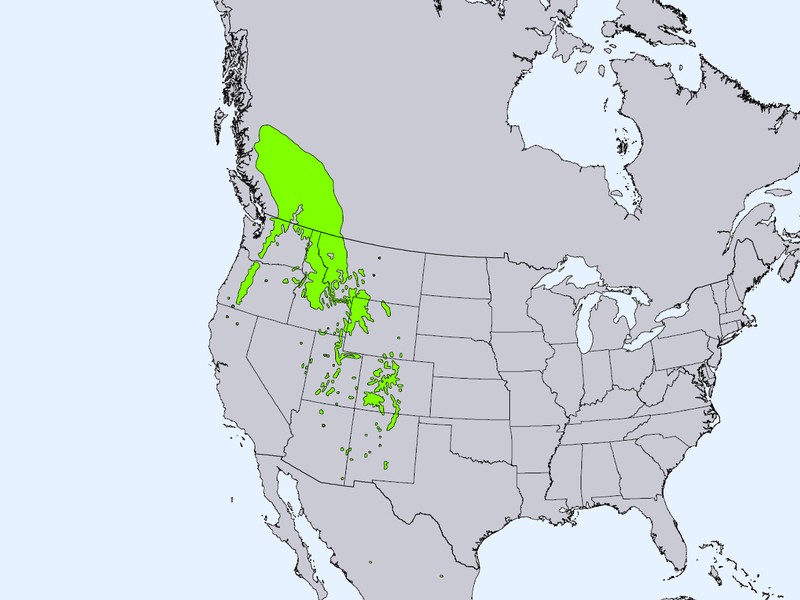
- Native to:
- Canada, Mexico, United States
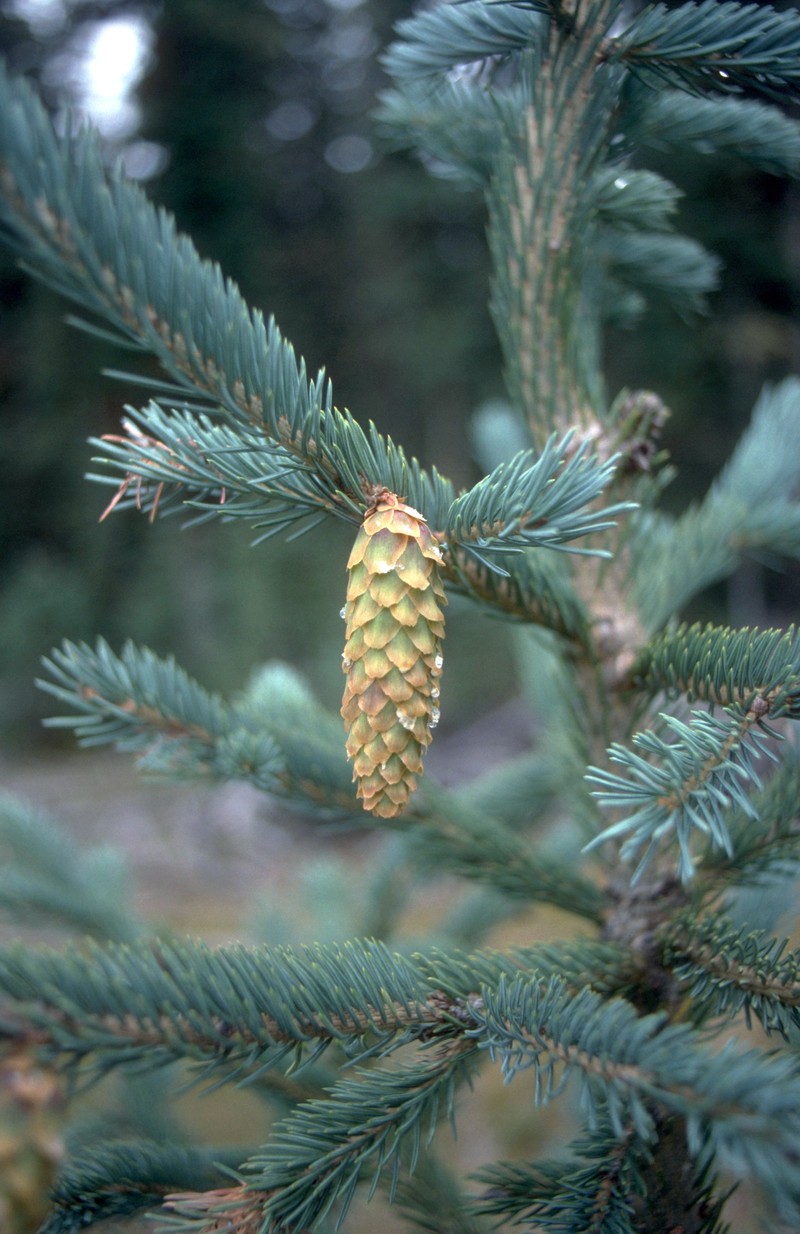
Dave Powell, USDA Forest Service, Bugwood.org
Taxonomy
- Division:
- Coniferophyta | - Conifers
- Family:
- Pinaceae
- Genus:
- Picea
- Species:
- Picea engelmannii
- USDA Symbol:
- PIEN
Growth Characteristics
- Life Cycle:
- Perennial
- Growth Habit:
- Tree
- Height:
- 6100 cm
- Light Requirements:
- Full Sun,Part Shade
- Drought Tolerance:
- Medium
Wildlife Benefits
- Bees:
- ★☆☆☆☆ Documented bee visitation (GBIF)
- Butterflies & Moths:
- ★★★★☆ Documented Lepidoptera association (GBIF)
- Caterpillars:
- ★★★★☆ Recorded caterpillar host plant (HOSTS Database)
- Hummingbirds:
- ★☆☆☆☆ Documented hummingbird visits (GBIF)
Keystone Species Ranking
- Caterpillar Keystone:
- ★★★★★ Butterfly & moth species supported by this genus (NWF)
Host Plant for Caterpillars
Choristoneura biennis, Choristoneura sp., Comstock's sallow (Feralia comstocki), Cydia leucobasis, Cydia rana, Cydia youngana, Dark-spotted Palthis (Palthis angulalis), Dorsal Argyrotaenia Moth (Argyrotaenia dorsalana), Eastern spruce budworm (Choristoneura fumiferana), Endothenia albolineana, Eupithecia albicapitata, Eupithecia annulata, Eupithecia casloata, Eupithecia luteata, Eupithecia palpata, Eupithecia pseudotsugata, False hemlock looper (Nepytia canosaria), gray spruce looper (Caripeta divisata), Imitated Melanolophia (Melanolophia imitata), Large Fruit-tree Tortrix (Archips oporana), maple twig borer (Barbara mappana), Melanchra pulverulenta, mottled gray carpet moth (Cladara limitaria), Mournful Thorn (Lambdina fiscellaria), Nameless Pinion (Lithophane innominata), obscure leafroller (Argyrotaenia occultana), packard's archips moth (Archips packardiana), Petrova burkeana, Pine Hypagyrtis Moth (Hypagyrtis piniata), Porcelain Gray (Protoboarmia porcelaria), Ratzeburg's tortricid moth (Zeiraphera ratzeburgiana), Semiothisa granitata, spruce coneworm (Dioryctria reniculella), Synanthedon novaroensis, Syngrapha abstrusa, Syngrapha angulidens, Syngrapha celsa, Syngrapha selecta, Variable Climbing Cutworm (Xestia elimata), western pineshoot borer (Eucosma sonomana), Western spruce budworm (Choristoneura occidentalis), Xestia perquiritata, Zeiraphera fortunana, Zeiraphera improbana, Zeiraphera unfortunana, Zeiraphera vancouverana, Zenophleps lignicolorata
Reported Fauna Sightings
Hummingbirds: Broad-tailed Hummingbird (Selasphorus platycercus)
Garden & Ecology Notes
- Wildlife Value:
- birds, small mammals
- Fire Notes:
- Thin-barked and susceptible to fire; typically killed by moderate to severe fire.
Soil Requirements
- Soil Type:
- moist, well-drained, loamy soil
- pH:
- 4.5 - 6.0 (acidic to slightly acidic)
- Drainage:
- excellent drainage required
- Moisture:
- consistently moist
- Notes:
- prefers cool, high-altitude environments
Propagation & Germination
- Stratification:
- Cold/moist stratification required — 30–60 days
- Germination Time:
- 21–60 days
- Notes:
- Seeds require cold stratification for 30-60 days to break dormancy; sow in spring.
Pre-treatment: Seeds are soaked in water for 12-48 hours, then stratified in a refrigerator at 1-3°C for 28-60 days. Seeds are also surface sterilized with an 8:1 water/bleach solution.
Establishment: Picea engelmannii is sensitive to excessive irrigation prior to and after germination. It is typically found above 3,000 feet elevation in moist forest or swampy areas. The species naturally occurs in a humid climatic zone with long, cold winters and short, cool summers.
Source: npn.rngr.net
Where to Buy
Nationwide Seller
- Sheffield's Seed (seeds)