
Black Spruce
Picea mariana
- Native to:
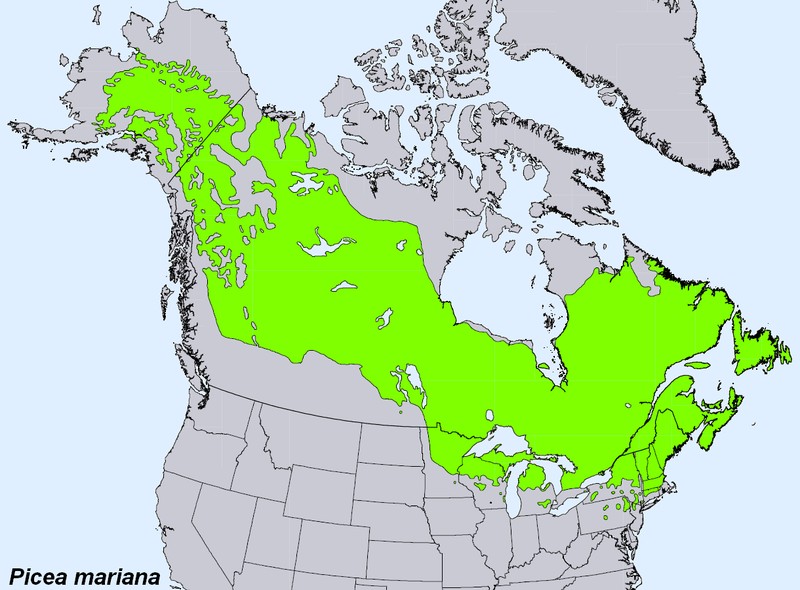
- Canada, Labrador, Prince Edward I., United States
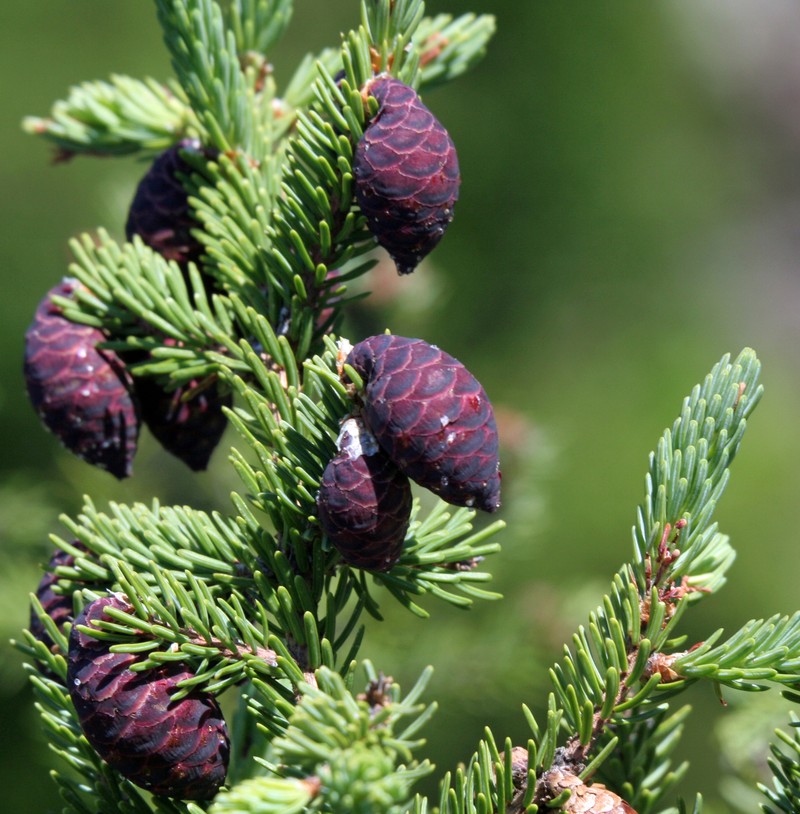
clairity on Flickr (www.flickr.com)
Taxonomy
- Division:
- Coniferophyta | - Conifers
- Family:
- Pinaceae
- Genus:
- Picea
- Species:
- Picea mariana
- USDA Symbol:
- PIMA
Growth Characteristics
- Life Cycle:
- Perennial
- Growth Habit:
- Tree
- Height:
- 3000 cm
- Light Requirements:
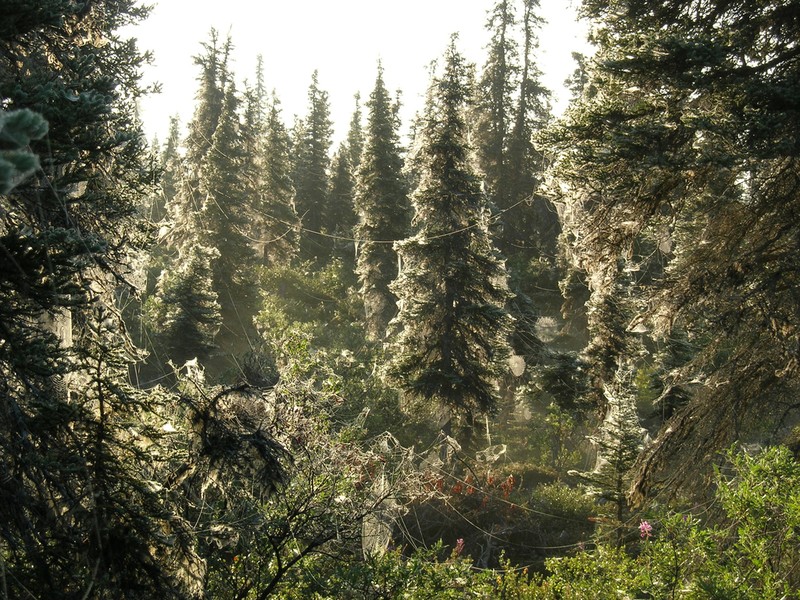
- Full Sun,Part Shade,Shade
- Drought Tolerance:
- Low
Wildlife Benefits
- Bees:
- ★☆☆☆☆ Documented bee visitation (GBIF)
- Butterflies & Moths:
- ★★★★★ Documented Lepidoptera association (GBIF)
- Caterpillars:
- ★★★★☆ Recorded caterpillar host plant (HOSTS Database)
Keystone Species Ranking
- Caterpillar Keystone:
- ★★★★★ Butterfly & moth species supported by this genus (NWF)
Host Plant for Caterpillars
Alberta leafroller (Archips alberta), Argyresthia mariana, Black zigzag (Panthea acronyctoides), black-dashed hydriomena moth (Hydriomena divisaria), Coleotechnites ducharmei, Columbia silk moth (Hyalophora columbia), common idia (Idia aemula), Comstock's sallow (Feralia comstocki), Dawn Rustic (Xestia dilucida), Eastern blackheaded budworm (Acleris variana), Eastern Panthea (Panthea furcilla), Eastern spruce budworm (Choristoneura fumiferana), Endothenia albolineana, Eupithecia annulata, Eupithecia casloata, Eupithecia fletcherata, Eupithecia palpata, European spruce needleminer (Epinotia nanana), False hemlock looper (Nepytia canosaria), forgotten fan-foot (Zanclognatha protumnusalis), Gerdana caritella, gray spruce looper (Caripeta divisata), Grey pug (Eupithecia subfuscata), Gypsy moth (Lymantria dispar), hibiscus Quaker (Orthosia hibisci), hooked silver Y (Syngrapha alias), Jocose Sallow (Feralia jocosa), Larch Pug (Eupithecia lariciata), Manto Tussock Moth (Dasychira manto), marsh moth (Dolichomia thymetusalis), Northern Pine Tussock Moth (Dasychira plagiata), obscure leafroller (Argyrotaenia occultana), packard's archips moth (Archips packardiana), Pine Hypagyrtis Moth (Hypagyrtis piniata), Porcelain Gray (Protoboarmia porcelaria), powdered eufidonia (Eufidonia notataria), Ratzeburg's tortricid moth (Zeiraphera ratzeburgiana), Red-banded leafroller (Argyrotaenia velutinana), Semiothisa granitata, spruce bud moth (Zeiraphera canadensis), spruce coneworm (Dioryctria reniculella), spruce needleminer (Coleotechnites piceaella), Syngrapha rectangula, Syngrapha selecta, Variable Climbing Cutworm (Xestia elimata), variegated midget (Elaphria versicolor), Xestia perquiritata, Xestia praevia, Zanclognatha minoralis, Zeiraphera improbana, Zeiraphera unfortunana, 🛑Bog Elfin (Incisalia lanoraieensis)
Reported Fauna Sightings
Moths:Apiate Epiglaea (Epiglaea apiata), Chain-lined geometer moth (Cingilia catenaria), Epinotia septemberana Butterflies:Brown Elfin (Callophrys augustinus), Jutta Arctic (Oeneis jutta)
Garden & Ecology Notes
- Wildlife Value:
- birds, small mammals
- Fire Ecology:
- Fire adapted — tolerates or benefits from fire
- Fire Notes:
- Thin bark and shallow roots make it susceptible to fire; however, serotinous cones in some populations allow post-fire regeneration.
Soil Requirements
- Soil Type:
- peaty, acidic, nutrient-poor soil
- pH:
- 4.0 - 5.5 (strongly acidic to acidic)
- Drainage:
- tolerates poor drainage
- Moisture:
- consistently moist
- Notes:
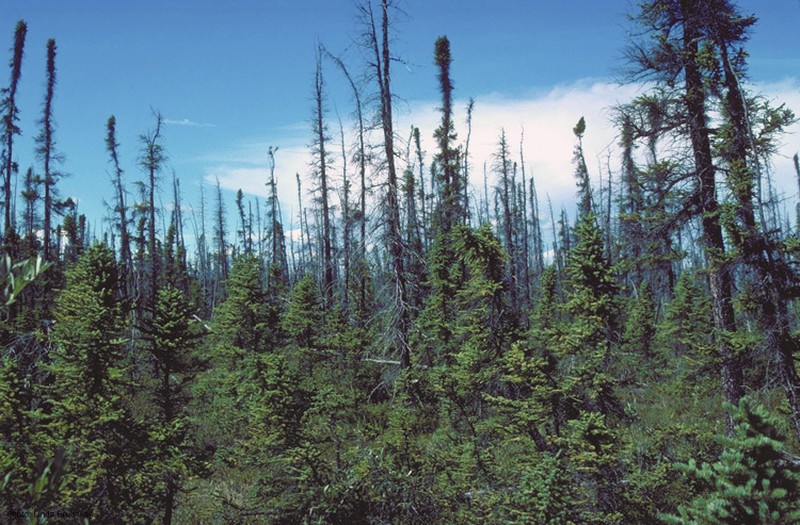
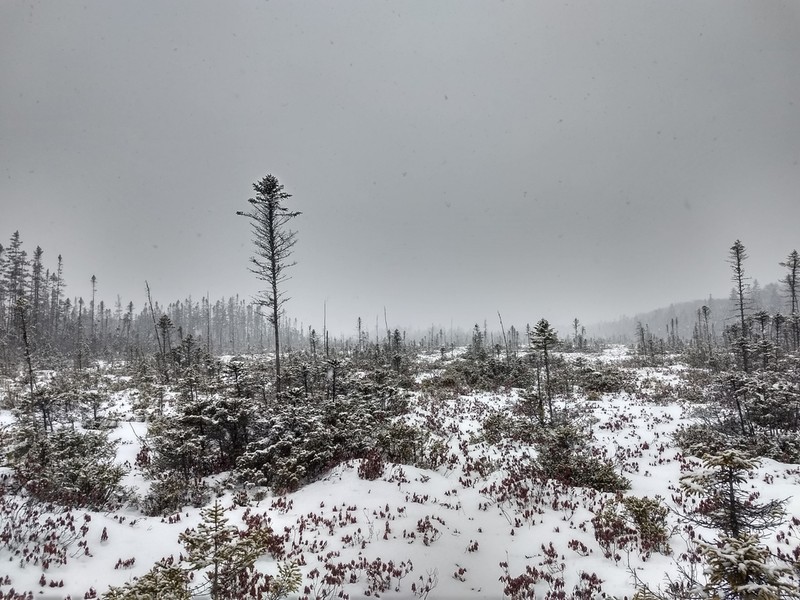
- Common in bogs and wetlands
Propagation & Germination
- Stratification:
- Cold/moist stratification required — 30–60 days
- Germination Time:
- 14–30 days
- Notes:
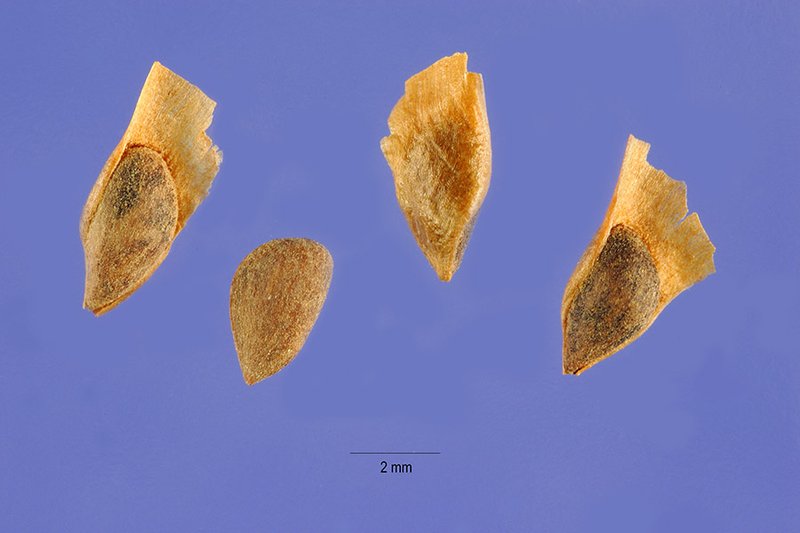
- Seeds require cold stratification for 30-60 days to break dormancy; sow on moist peat or sand.
Pre-treatment: Seeds are placed in cold moist stratification for 24 days.
Establishment: P. mariana is found in muskegs, bottomlands, bogs, and dry peatlands; from Alaska south across Canada to the Atlantic ocean. It is found south in the eastern United States from Maine to Pennsylvannia and south through the midwestern states to Minnesota, Michigan and Wisconsin.
Source: npn.rngr.net
Where to Buy
Nationwide Seller
- Sheffield's Seed (seeds)