
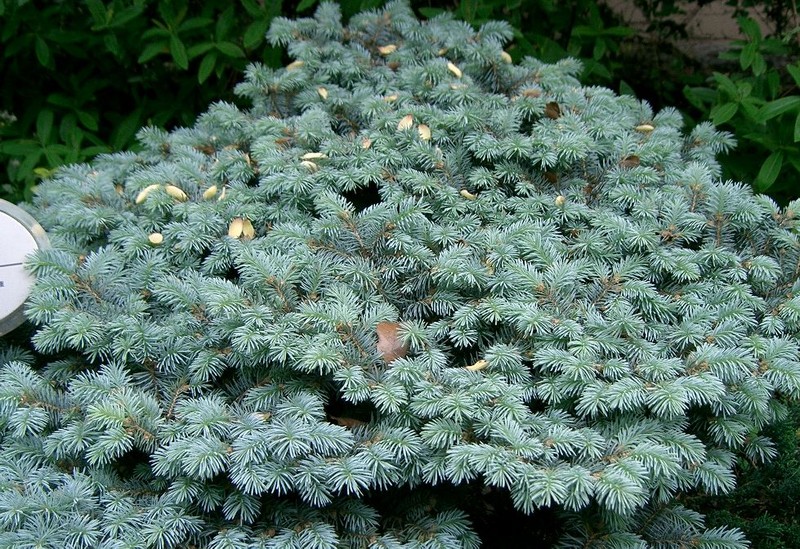
Blue Spruce
Picea pungens
- Native to:
- United States
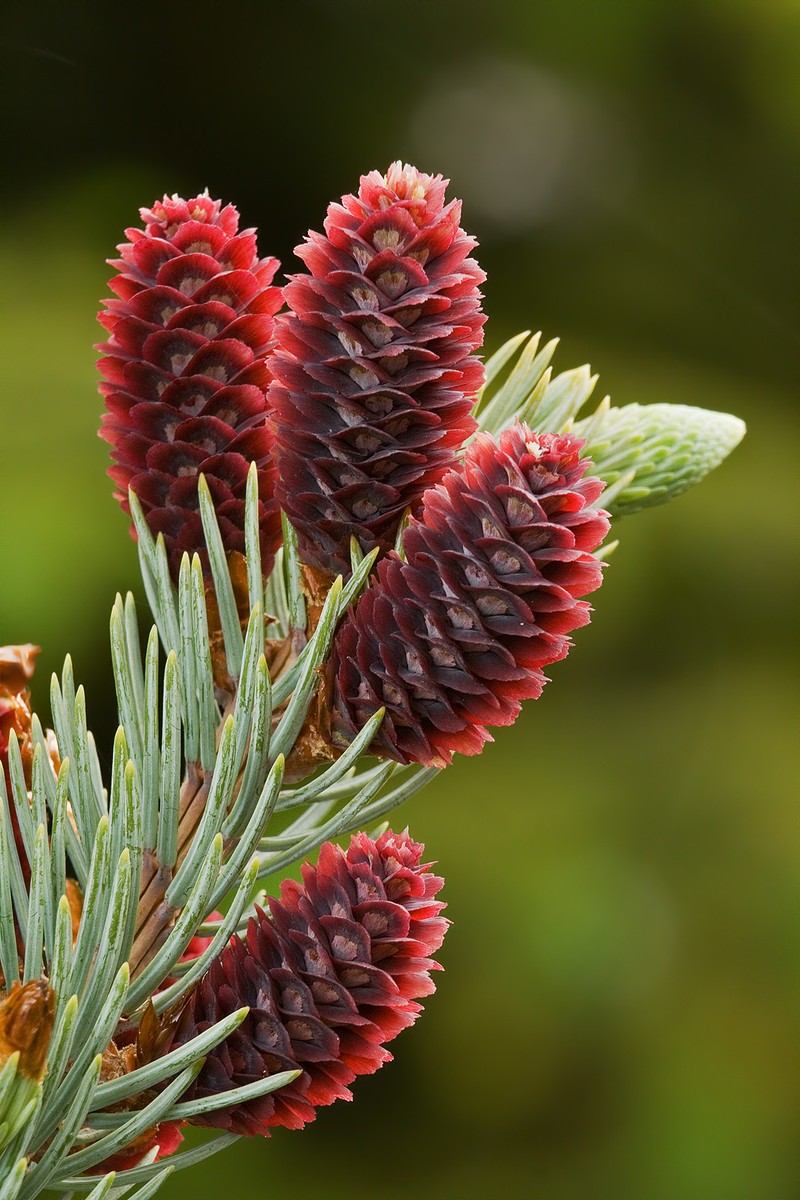
JJ Harrison ( https://www.jjharrison.com.au/ (www.jjharrison.com.au) )
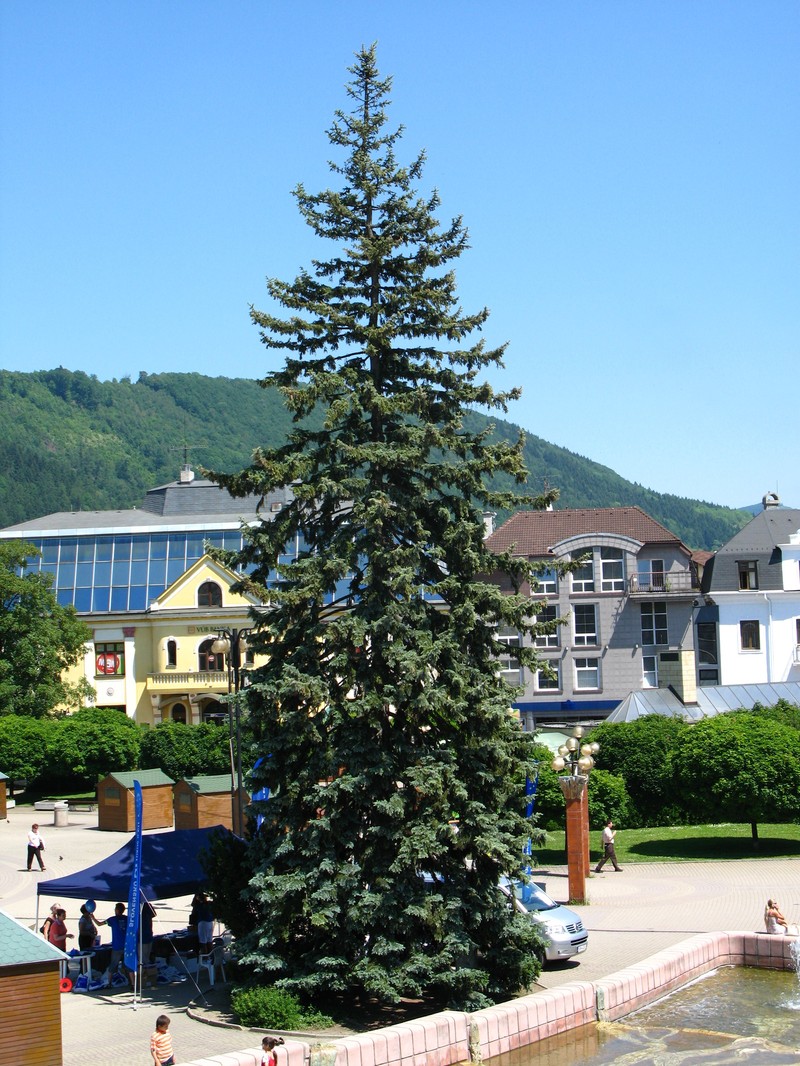
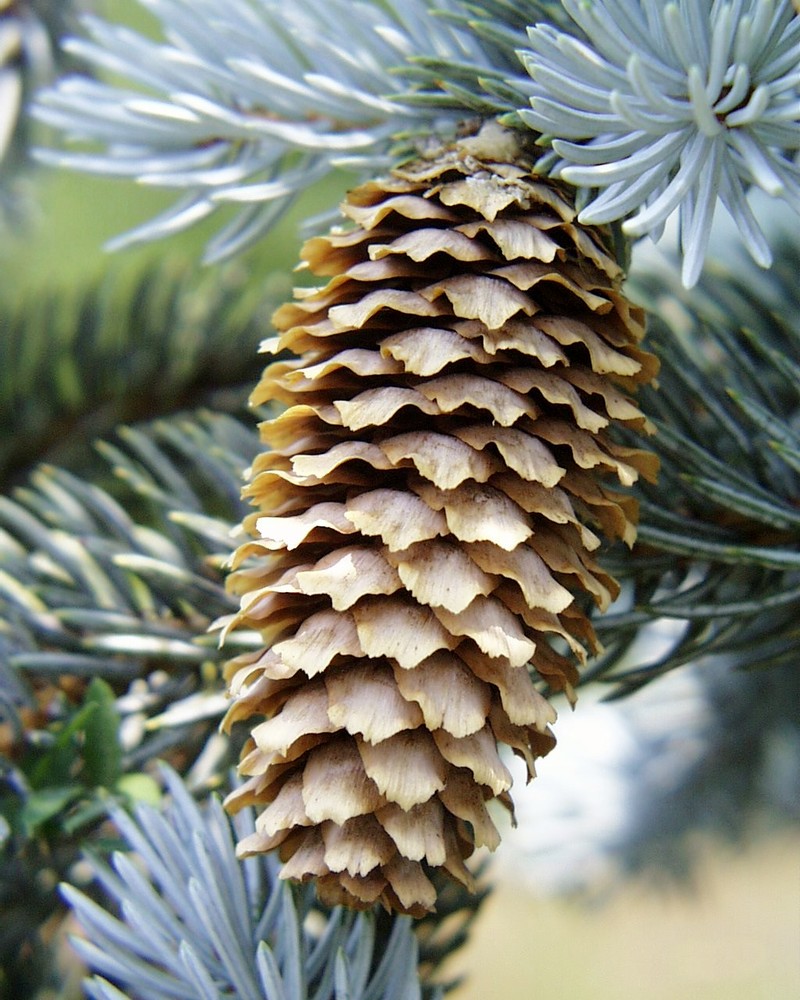
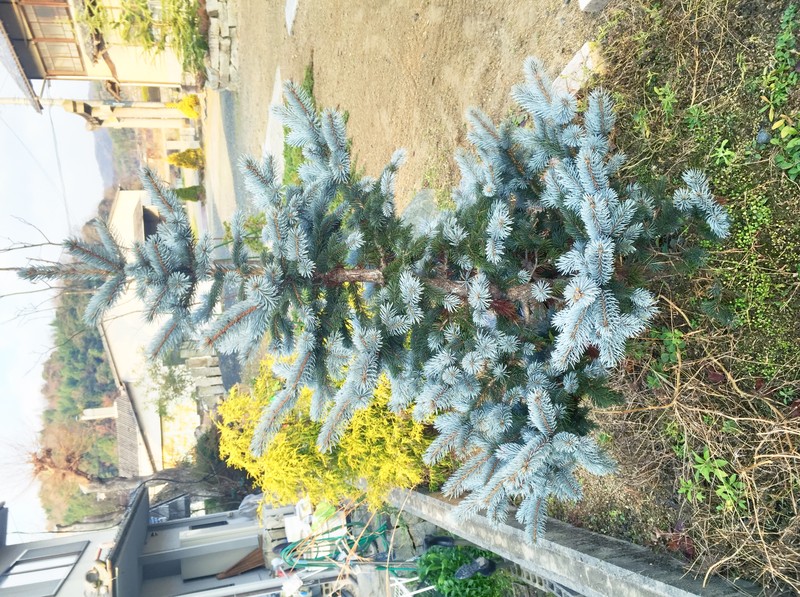
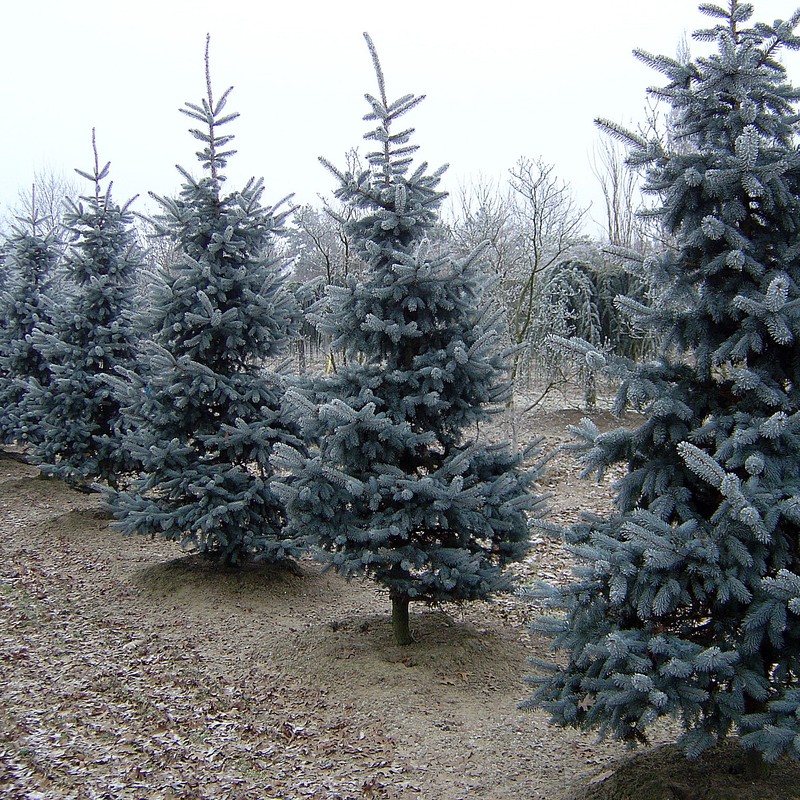
Taxonomy
- Division:
- Coniferophyta | - Conifers
- Family:
- Pinaceae
- Genus:
- Picea
- Species:
- Picea pungens
- USDA Symbol:
- PIPU
Growth Characteristics
- Life Cycle:
- Perennial
- Growth Habit:
- Tree
- Height:
- 3000 cm
- Light Requirements:
- Part Shade
- Drought Tolerance:
- Medium
Wildlife Benefits
- Butterflies & Moths:
- ★★☆☆☆ Documented Lepidoptera association (GBIF)
- Caterpillars:
- ★★☆☆☆ Recorded caterpillar host plant (HOSTS Database)
- Hummingbirds:
- ★☆☆☆☆ Documented hummingbird visits (GBIF)
Keystone Species Ranking
- Caterpillar Keystone:
- ★★★★★ Butterfly & moth species supported by this genus (NWF)
Host Plant for Caterpillars
common idia (Idia aemula), Cydia youngana, Dasychira grisefacta, Douglas-fir tussock moth (Orgyia pseudotsugata), Endothenia albolineana, Eupithecia columbrata, Eupithecia mutata, European spruce needleminer (Epinotia nanana), Gypsy moth (Lymantria dispar), orange tortrix moth (Argyrotaenia citrana), Rusty Tussock Moth (Orgyia antiqua), spruce needleminer (Coleotechnites piceaella), zebra caterpillar moth (Melanchra picta)
Reported Fauna Sightings
Moths:Bagworm moth (Thyridopteryx ephemeraeformis)
Garden & Ecology Notes
- Wildlife Value:
- birds, small mammals
Soil Requirements
- Soil Type:
- rich, well-drained loamy soil
- pH:
- 5.5 - 7.0 (slightly acidic to neutral)
- Drainage:
- excellent drainage required
- Moisture:
- consistently moist
- Notes:
- Prefers cool, moist environments in native range
Propagation & Germination
- Stratification:
- Cold/moist stratification required — 30–60 days
- Germination Time:
- 21–60 days
- Notes:
- Seeds require cold stratification for 30-60 days to break dormancy; sow in spring after treatment.
Pre-treatment: Seeds are imbibed in water for 2 days, then artificially stratified in a refrigerator for 45 days. Alternatively, seeds can be moistened and placed in self-sealing plastic baggies and stratified for 7 - 10 days at temperatures ranging from 2 to 4°C.
Establishment: Seeds are wild collected during fall months and are kept separated according to site, elevation and source. Entire cones can also be harvested by hand from trees when they turn purple to brown, typically in late September through early October. There are slight variations in pre-treatment and sowing depth between protocols.
Source: npn.rngr.net
Where to Buy
Nationwide Seller
- Sheffield's Seed (seeds)