
Whitebark Pine ⚠️ Threatened
Pinus albicaulis
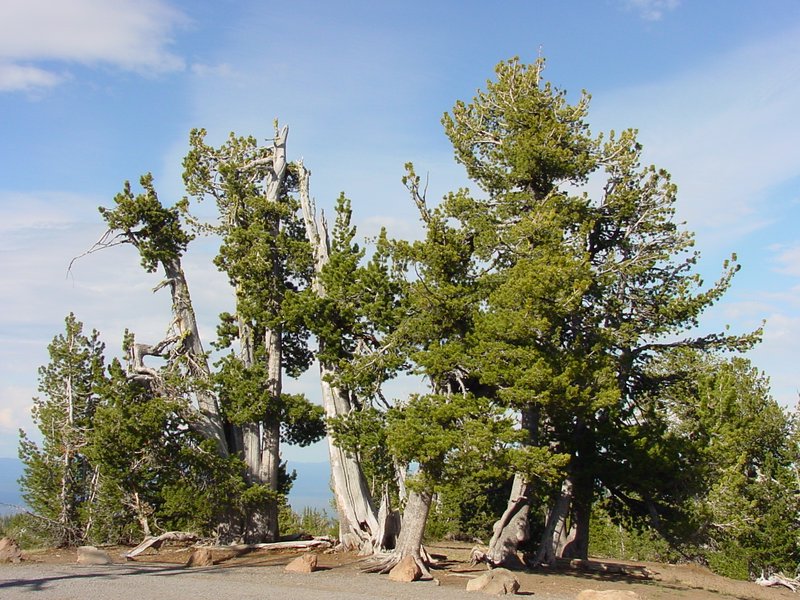
Richard Sniezko, US Forest Service
Taxonomy
- Division:
- Coniferophyta | - Conifers
- Family:
- Pinaceae
- Genus:
- Pinus
- Species:
- Pinus albicaulis
Growth Characteristics
- Life Cycle:
- Perennial
- Growth Habit:
- Tree
- Height:
- More than 40 ft
- Light Requirements:
- Full Sun
- Drought Tolerance:
- High
- Bloom Months:
- jul
- Bloom Colors:
- Yellow
Native Range
United States: California, Idaho, Montana, Nevada, Oregon, Washington, Wyoming, Canada: Alberta, British Columbia
Keystone Species Ranking
- Caterpillar Keystone:
- ★☆☆☆☆ Based on number of butterfly and moth species using this genus as host plant (Source: National Wildlife Federation)
Host Plant for Caterpillars
Soil Requirements
- Soil Type:
- rocky, well-drained, nutrient-poor soil
- pH:
- 4.5 - 6.0 (acidic to slightly acidic)
- Drainage:
- excellent drainage required
- Moisture:
- dry to moderate
- Notes:
- often found on windswept ridges and slopes
Germination Information
Pre-treatment: Hand scarify seedcoats with a file or nail clipper, ensuring that the endosperm is not damaged during scarification. Place seeds in a 48 hour running water rinse. Seeds are then placed into a 30 day warm, moist stratification at 69.8F day (12 hrs)/64.4F night (12hrs), with seeds exposed to light during day temperature cycle. Next, seeds are placed into a 30 to 100 day cold, moist stratification in moist peat in darkness at 33.8 to 37.4F.
Establishment: P. albicaulis is found at 1300 to 3700 m elevation; from British Columbia and Alberta to Washington, Oregon, Nevada, and California, and south through the Rocky mountains to Idaho, Montana, and Wyoming. It occurs at or near tree line on talus, exposed bedrock, or very young soils with little horizon development.
Source: npn.rngr.net