
Lodgepole Pine
Pinus contorta
- Native to:
- Canada, Mexico, United States
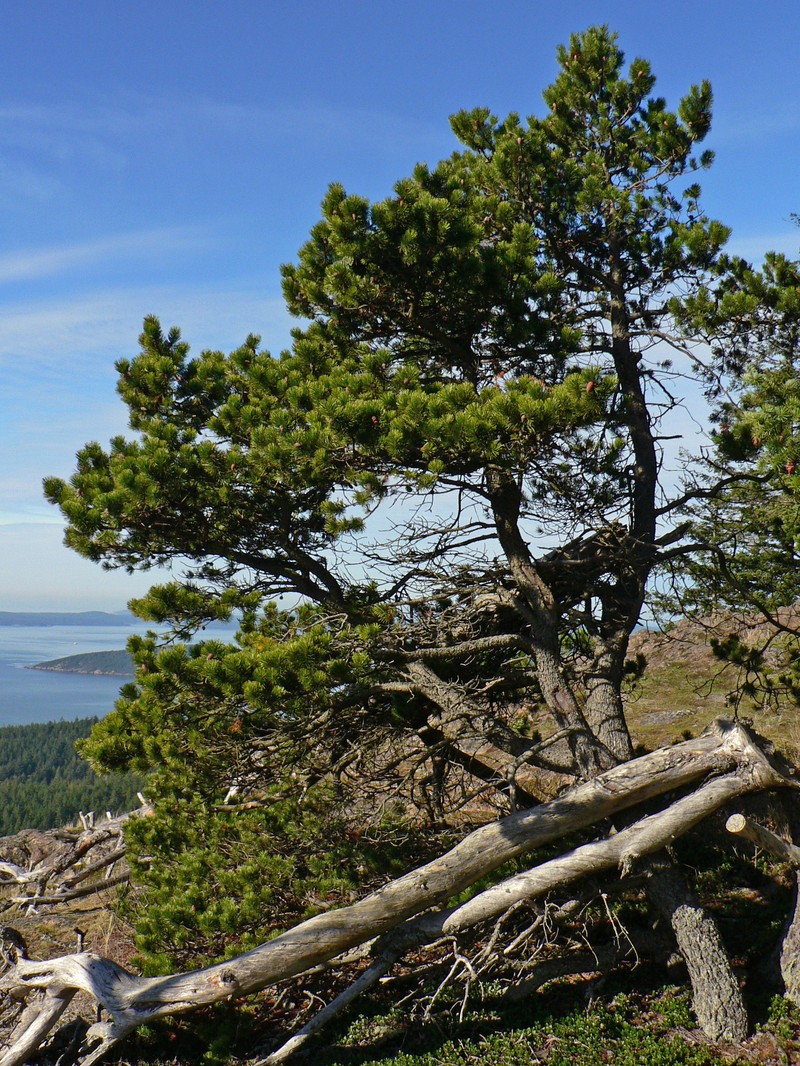
Walter Siegmund (en.wikipedia.org)
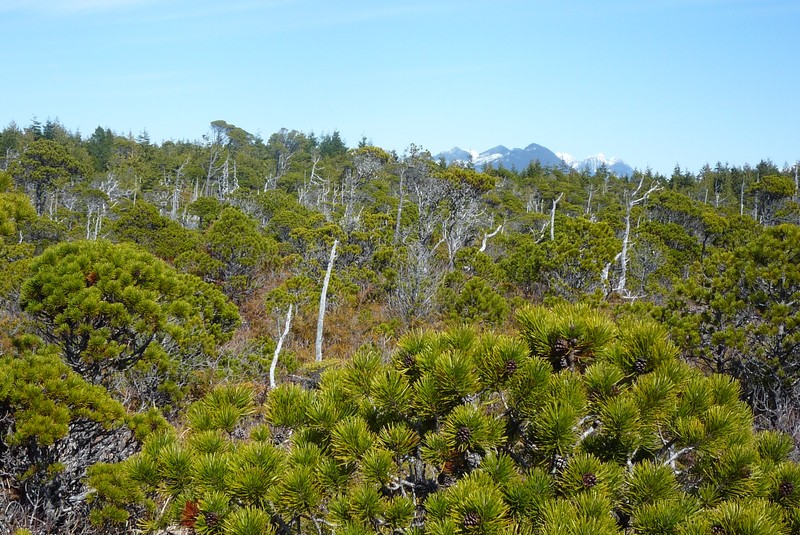
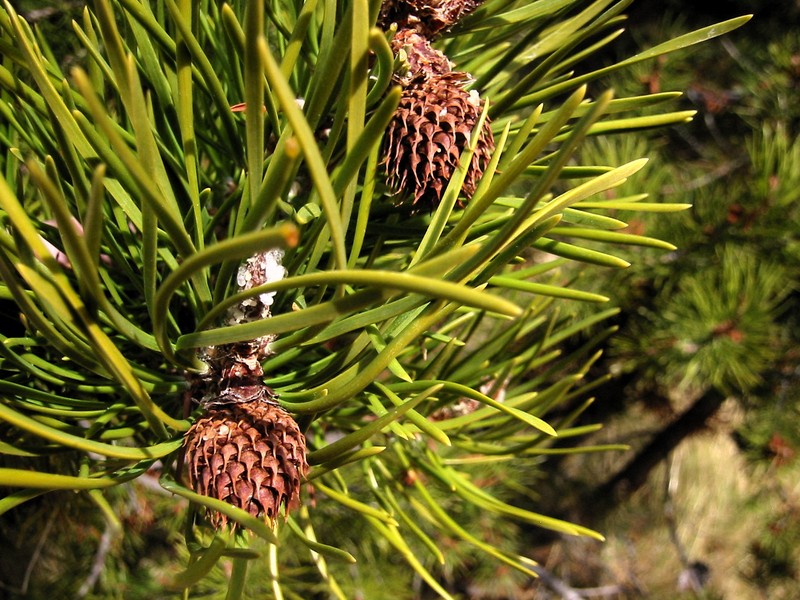
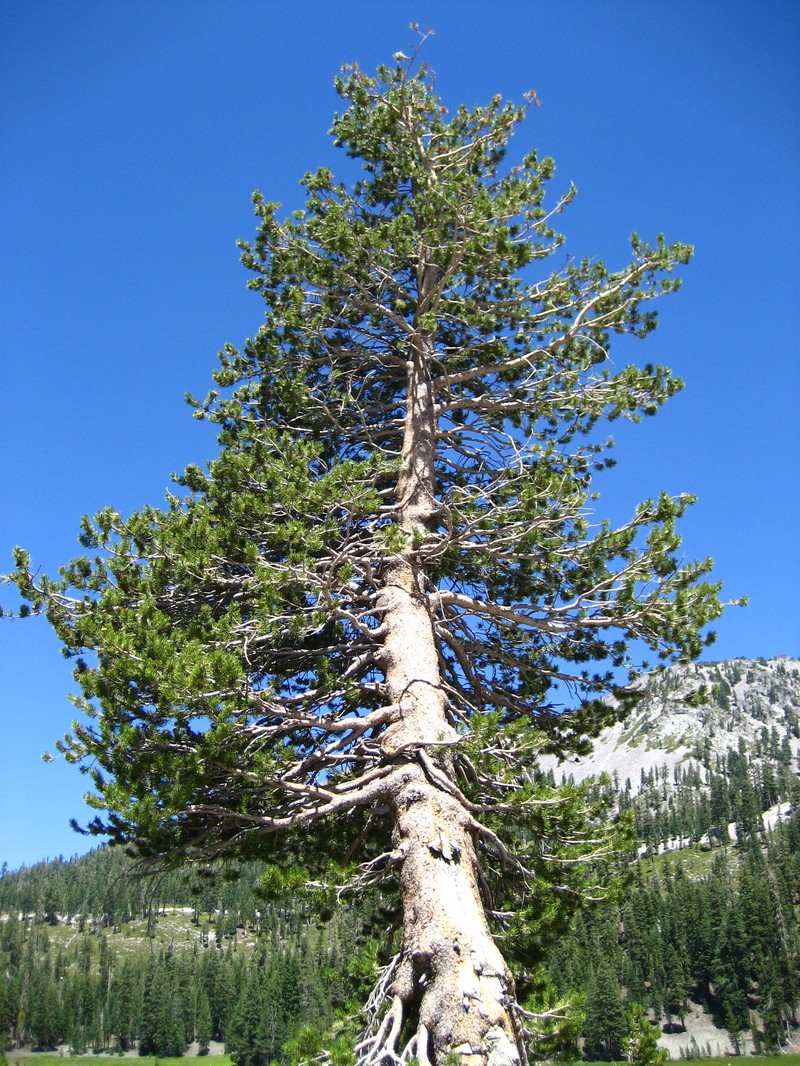
Taxonomy
- Division:
- Coniferophyta | - Conifers
- Family:
- Pinaceae
- Genus:
- Pinus
- Species:
- Pinus contorta
- USDA Symbol:
- PICO
Growth Characteristics
- Life Cycle:
- Perennial
- Growth Habit:
- Tree
- Height:
- 3000 cm
- Light Requirements:
- Full Sun
- Drought Tolerance:
- Medium
Wildlife Benefits
- Bees:
- ★☆☆☆☆ Documented bee visitation (GBIF)
- Butterflies & Moths:
- ★★★★★ Documented Lepidoptera association (GBIF)
- Caterpillars:
- ★★★★☆ Recorded caterpillar host plant (HOSTS Database)
- Hummingbirds:
- ★☆☆☆☆ Documented hummingbird visits (GBIF)
Keystone Species Ranking
- Caterpillar Keystone:
- ★★★★★ Butterfly & moth species supported by this genus (NWF)
Host Plant for Caterpillars
Reported Fauna Sightings
Garden & Ecology Notes
- Wildlife Value:
- birds, small mammals
- Fire Ecology:
- Requires fire for germination
- Fire Notes:
- Serotinous cones in some subspecies require fire to open and release seeds; fire-dependent for regeneration in many populations.
Soil Requirements
- Soil Type:
- sandy, acidic, nutrient-poor soil
- pH:
- 4.5 - 7.0 (acidic to neutral)
- Drainage:
- excellent drainage required
- Moisture:
- dry to moderate
- Notes:
- Thrives in nutrient-poor, well-drained soils typical of its native range.
Propagation & Germination
- Stratification:
- Cold/moist stratification required — 30–60 days
- Germination Time:
- 14–30 days
- Notes:
- Seeds benefit from cold stratification for 30-60 days to break dormancy.
Pre-treatment: Seeds are treated with a water/bleach bath, followed by a 48-hour running water rinse soak and a 30-45 day cold, moist stratification. Seeds are placed in fine mesh bags in moist peat moss and buried in ventilated containers at 3C. Nonstratified seeds germinate to higher percentages in light, while stratified seeds germinate to higher percentages in darkness.
Establishment: P. contorta is found in a wide range of locations from Alaska and Yukon to northern Baja California and Colorado. Seed collection varies with some coming from wild collections and others from seed orchards managed by government agencies. All seed is kept separate by collection area, elevation, and date collected.
Source: npn.rngr.net
Where to Buy
Nationwide Seller
- Sheffield's Seed (seeds)