
Shortleaf Pine
Pinus echinata
- Native to:
- United States, Virgin Islands
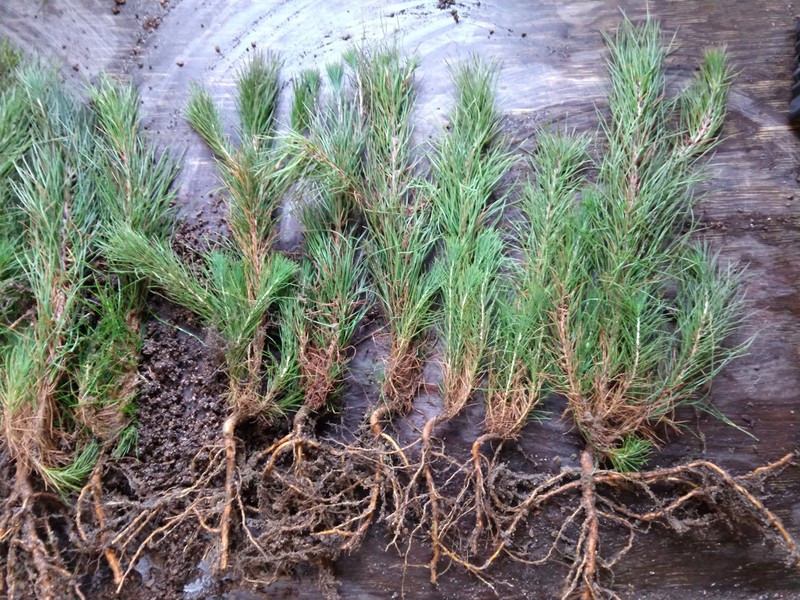
FUchesco
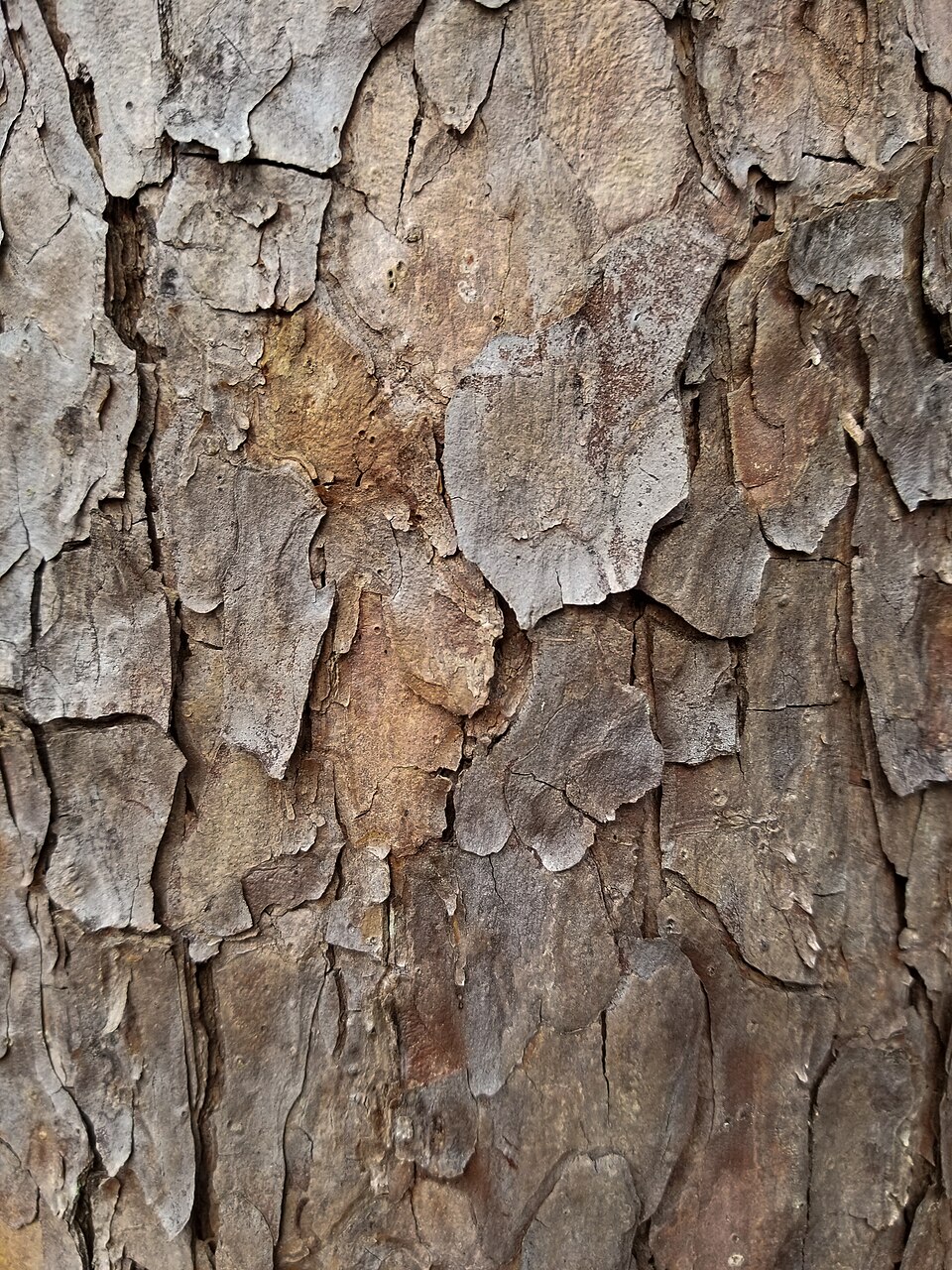
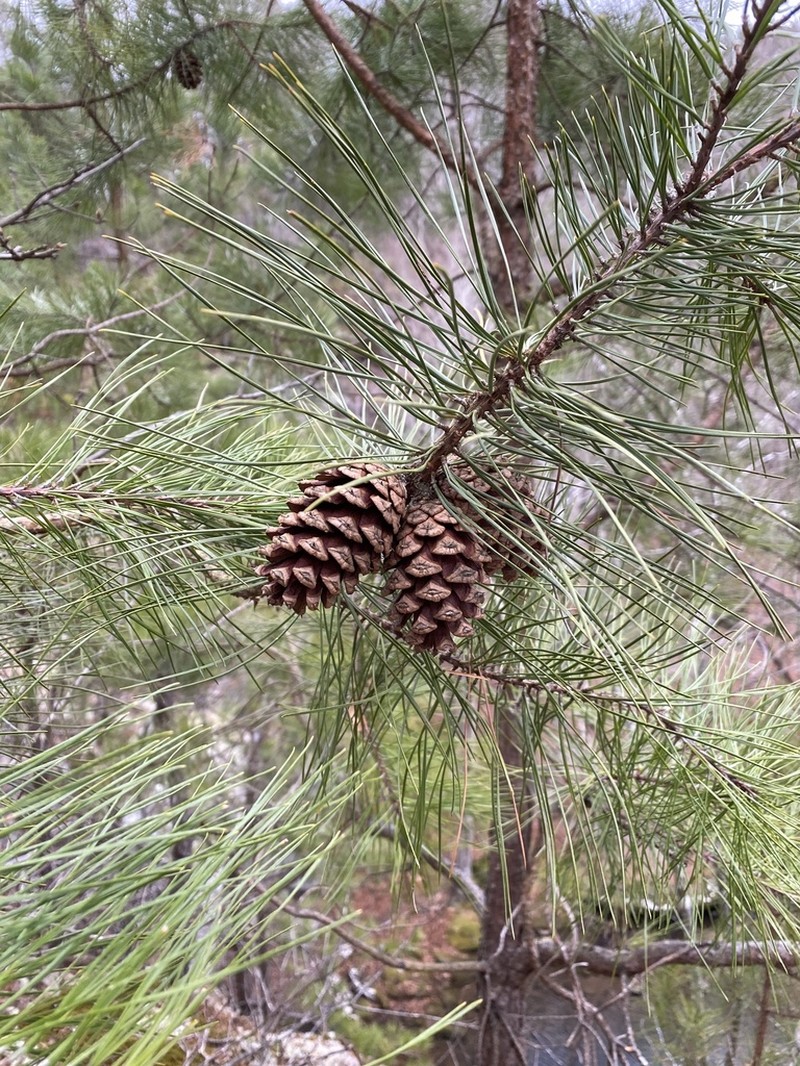
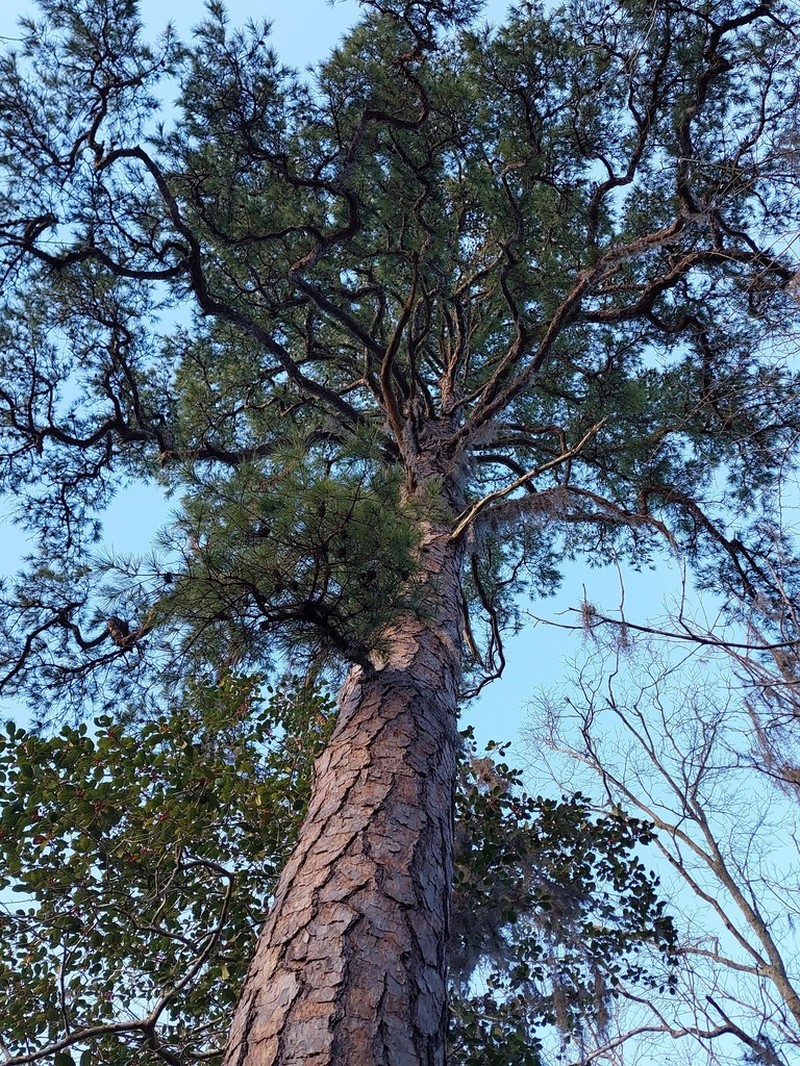
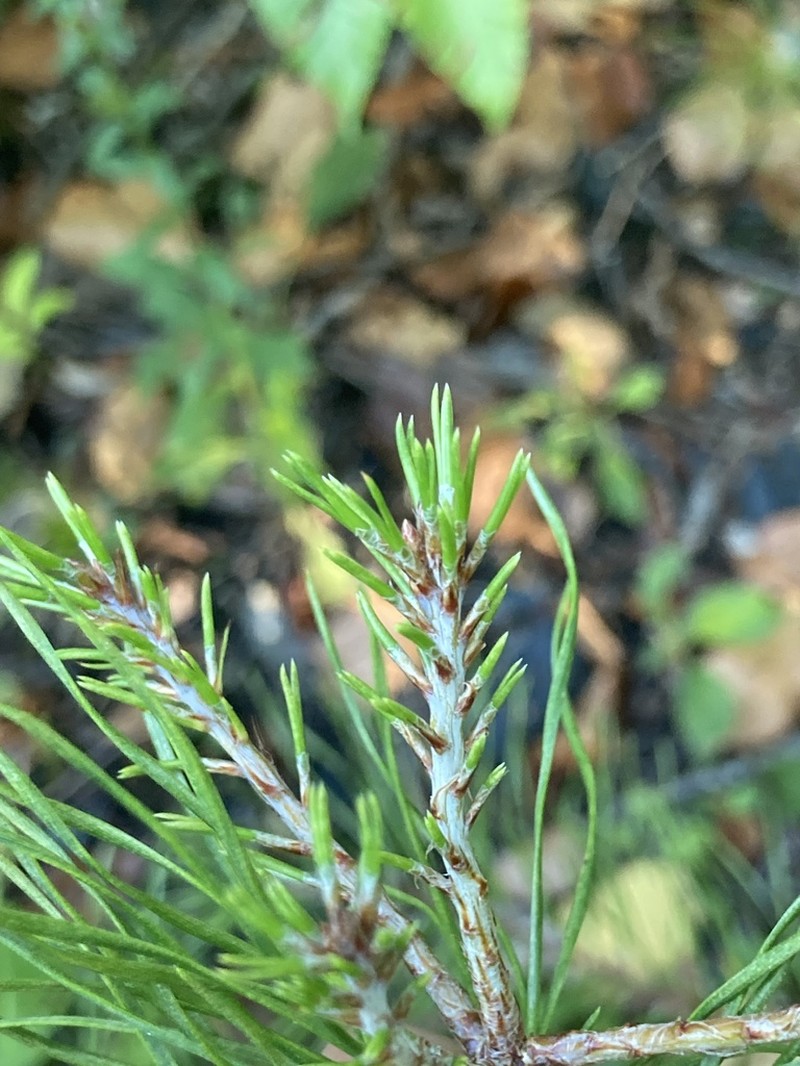
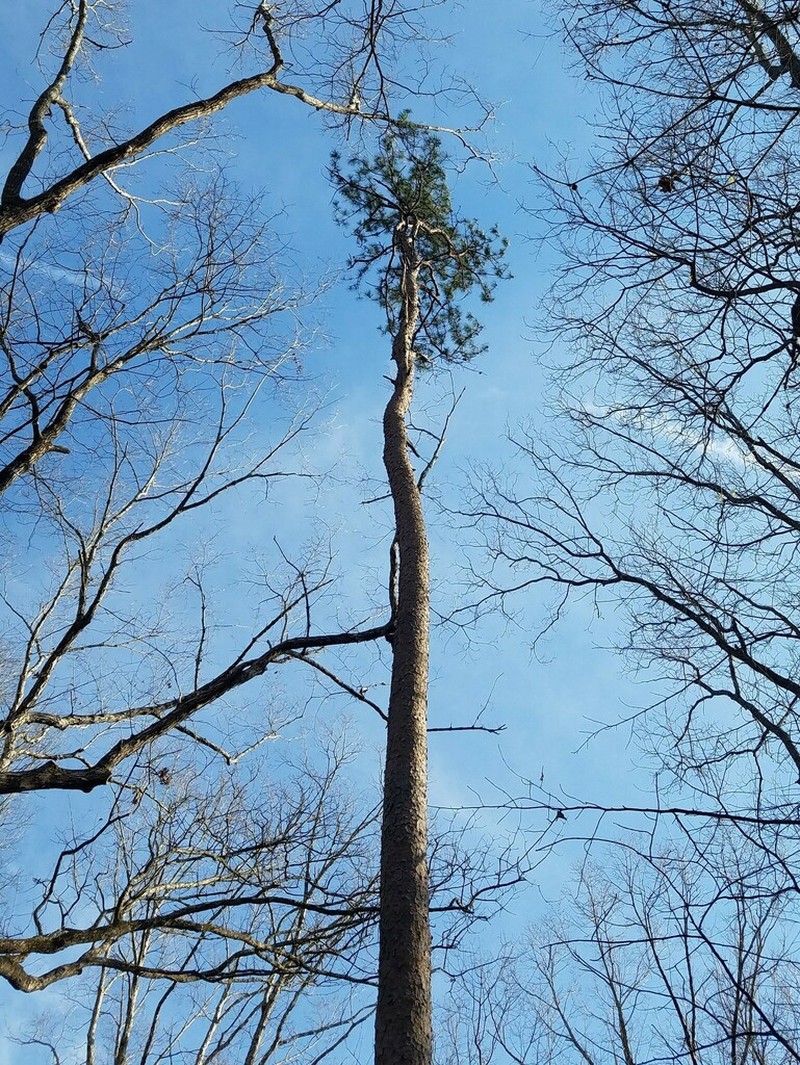
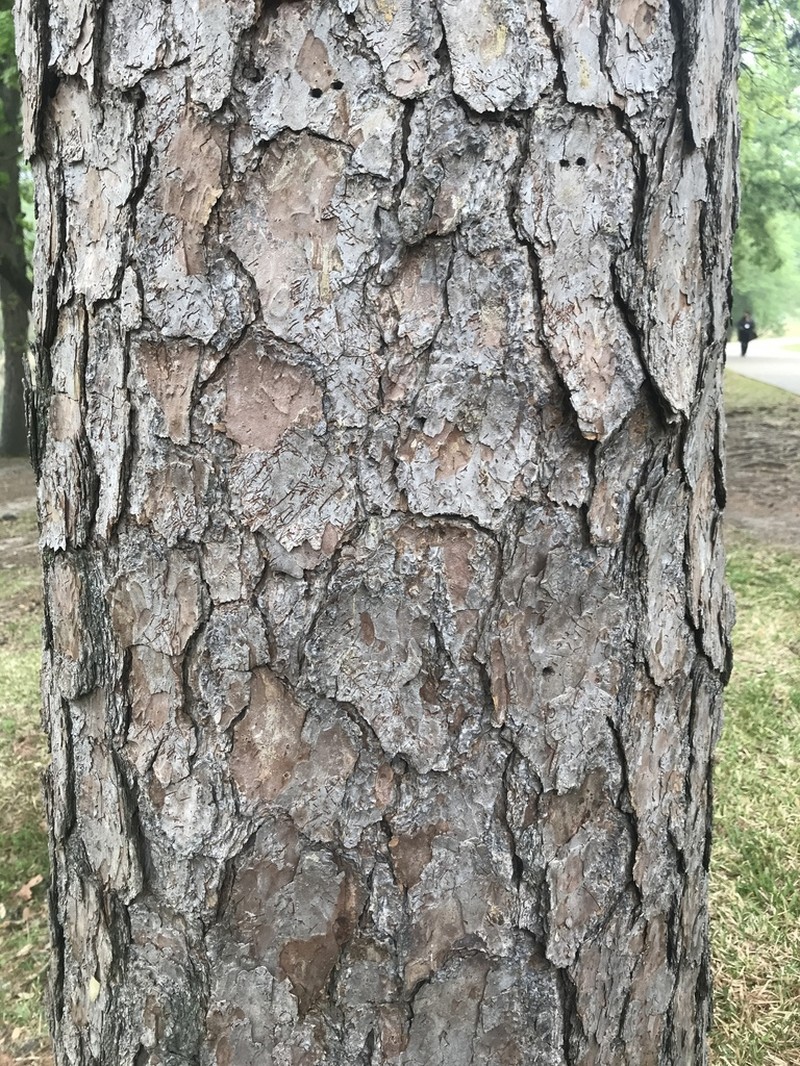
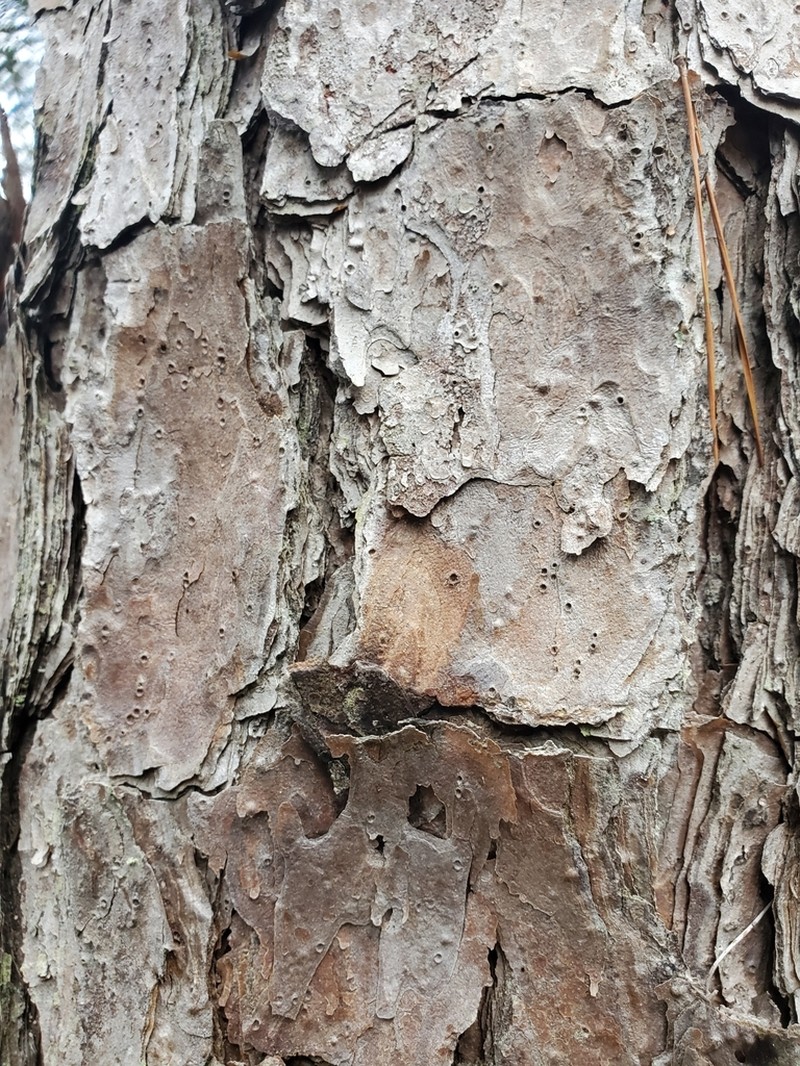
Taxonomy
- Division:
- Coniferophyta | - Conifers
- Family:
- Pinaceae
- Genus:
- Pinus
- Species:
- Pinus echinata
- USDA Symbol:
- PIEC2
Growth Characteristics
- Life Cycle:
- Perennial
- Growth Habit:
- Tree
- Height:
- 3050 cm
- Light Requirements:
- Part Shade
- Drought Tolerance:
- High
Wildlife Benefits
- Butterflies & Moths:
- ★★★☆☆ Documented Lepidoptera association (GBIF)
- Caterpillars:
- ★★★☆☆ Recorded caterpillar host plant (HOSTS Database)
Keystone Species Ranking
- Caterpillar Keystone:
- ★★★★★ Butterfly & moth species supported by this genus (NWF)
Host Plant for Caterpillars
Battaristis vittella, Confused Zale (Zale confusa), Eastern Panthea (Panthea furcilla), Giant Lophocampa (Lophocampa ingens), Imperial Moth (Eacles imperialis), Moodna pallidostrinella, Nantucket pine tip moth (Rhyacionia frustrana), Pandora moth (Coloradia pandora), Petrova houseri, pine devil moth (Citheronia sepulcralis), pine needle sheathminer (Zelleria haimbachi), pine needleminer (Exoteleia pinifoliella), pitch pine looper (Lambdina pellucidaria), pitch pine tip moth (Rhyacionia rigidana), Shortleaf Pinecone Borer (Eucosma cocana), southern nepytia (Nepytia semiclusaria), Eastern Tailed-Blue (Incisalia niphon)
Garden & Ecology Notes
- Wildlife Value:
- birds, small mammals
- Fire Ecology:
- Fire adapted — tolerates or benefits from fire
- Fire Notes:
- Thick bark provides some fire resistance; seedlings establish well in mineral soil after fire.
Soil Requirements
- Soil Type:
- sandy, acidic, nutrient-poor soil
- pH:
- 4.5 - 6.5 (acidic to slightly acidic)
- Drainage:
- excellent drainage required
- Moisture:
- dry to moderate
- Notes:
- Prefers dry, upland areas with poor fertility
Propagation & Germination
- Stratification:
- Cold/moist stratification required — 30–60 days
- Germination Time:
- 14–30 days
- Notes:
- Seeds benefit from cold stratification for 30-60 days to break dormancy; sow in well-drained seedbeds.
Pre-treatment: Seeds are cold stratified for 30 to 60 days and germinate at 21 C or soaked in water for 24 hours and treated with Thiram fungiide.
Establishment: Seeds are purchased from local people who collect within a 50 mile radius of the nursery. Ovulate cones mature in two years, and are red-brown, ovoid to conic, 4 to 7 cm long and are borne singly or in clusters, and bear winged seeds with a body length of 6 mm and wing length of up to 16 mm. Seeds are dispersed from late October to November and the majority of seeds fall in 2 to 3 weeks after cone open.
Source: npn.rngr.net
Where to Buy
Nationwide Seller
- Sheffield's Seed (seeds)
- Native Plants Nursery (nursery)