
Limber Pine
Pinus flexilis
- Native to:
- Canada, United States
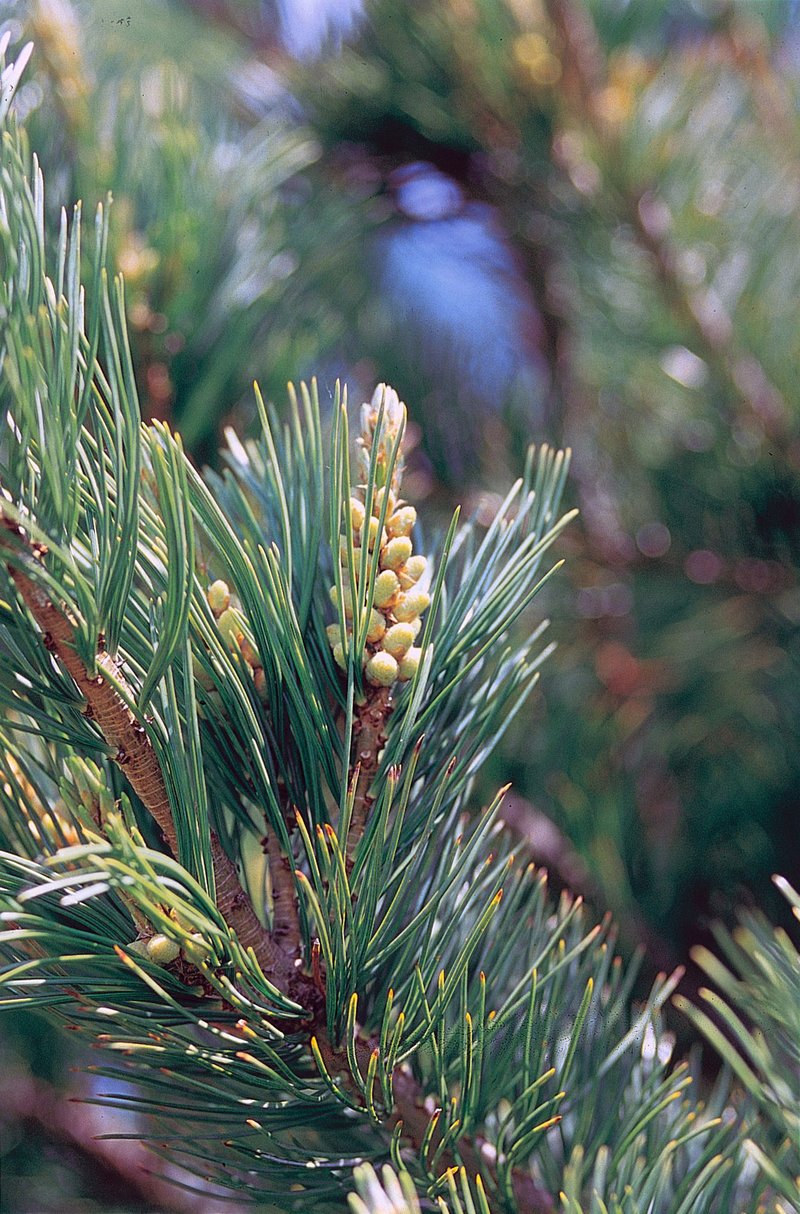
USDA-NRCS PLANTS Database / Herman, D.E. et al. 1996. North Dakota tree handbook. USDA NRCS ND State Soil Conservation Committee; NDSU Extension and Western Area Power Admin., Bismarck, ND.
Taxonomy
- Division:
- Coniferophyta | - Conifers
- Family:
- Pinaceae
- Genus:
- Pinus
- Species:
- Pinus flexilis
- USDA Symbol:
- PIFL2
Growth Characteristics
- Life Cycle:
- Perennial
- Growth Habit:
- Tree
- Height:
- 3000 cm
- Light Requirements:
- Full Sun,Part Shade
- Drought Tolerance:
- High
Wildlife Benefits
- Butterflies & Moths:
- ★★★★★ Documented Lepidoptera association (GBIF)
- Caterpillars:
- ★★☆☆☆ Recorded caterpillar host plant (HOSTS Database)
Keystone Species Ranking
- Caterpillar Keystone:
- ★★★★★ Butterfly & moth species supported by this genus (NWF)
Host Plant for Caterpillars
Garden & Ecology Notes
- Wildlife Value:
- birds, small mammals
- Fire Ecology:
- Fire adapted — tolerates or benefits from fire
- Fire Notes:
- Thick bark provides some fire resistance; can survive low-severity fires.
Soil Requirements
- Soil Type:
- rocky, well-drained, nutrient-poor soil
- pH:
- 5.5 - 7.5 (slightly acidic to neutral)
- Drainage:
- excellent drainage required
- Moisture:
- dry to moderate
- Notes:
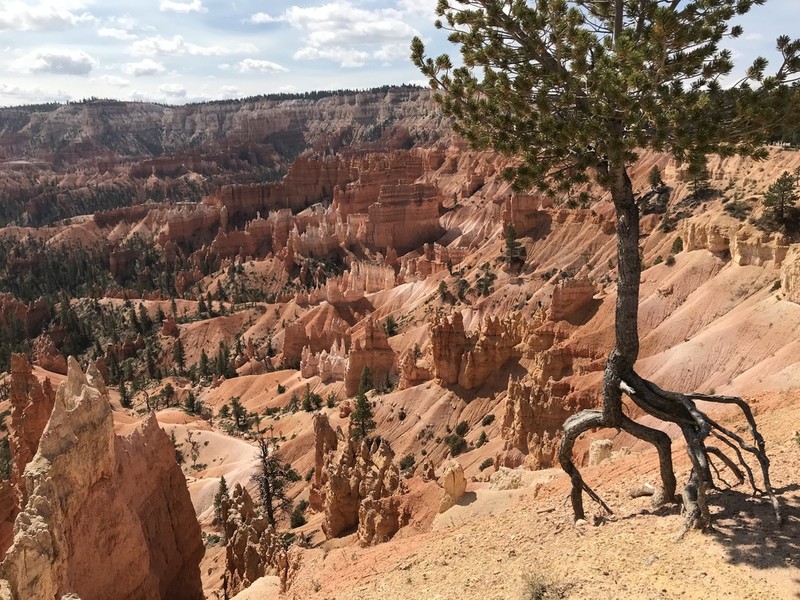
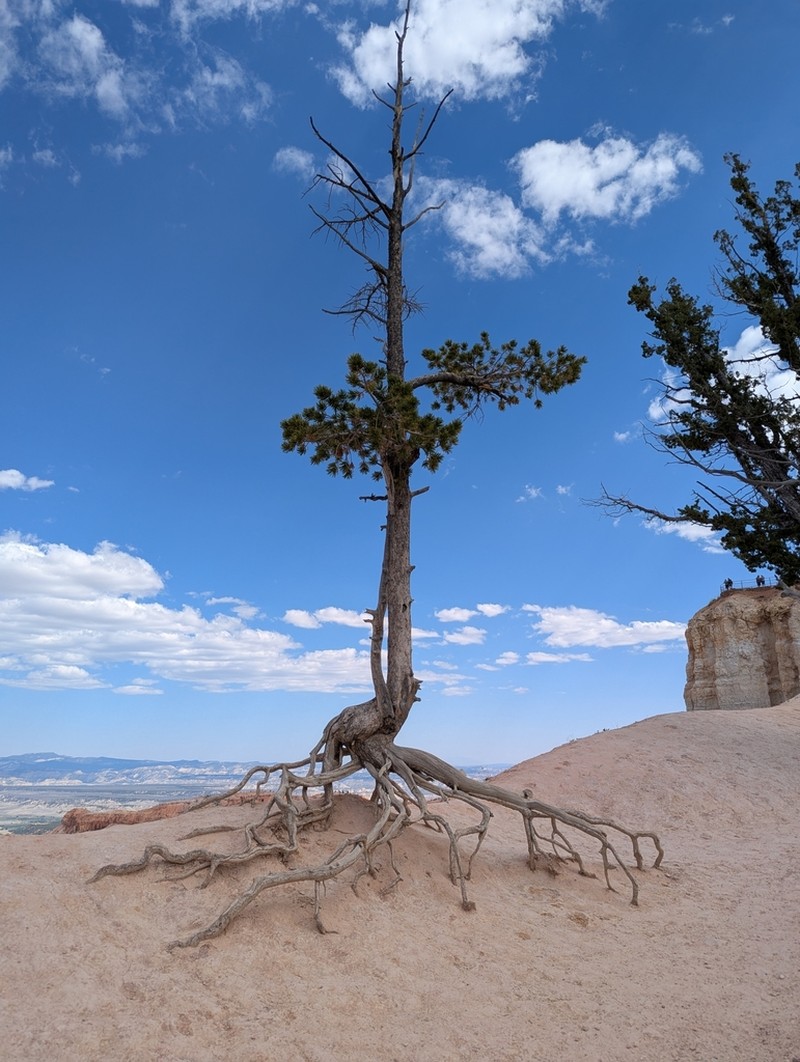
- commonly found on slopes and ridges
Propagation & Germination
- Stratification:
- Cold/moist stratification required — 30–90 days
- Germination Time:
- 30–60 days
- Notes:
- Seeds benefit from cold stratification for 1-3 months to break dormancy.
Pre-treatment: Seeds are cleansed with a 3:1 water/bleach soak for 8 minutes, followed by a 48 hour running water rinse. Seeds are then placed in cold moist stratification for 60 to 90 days at 34-37°F in fine mesh bags buried in moist peat moss in ventilated containers under refrigeration.
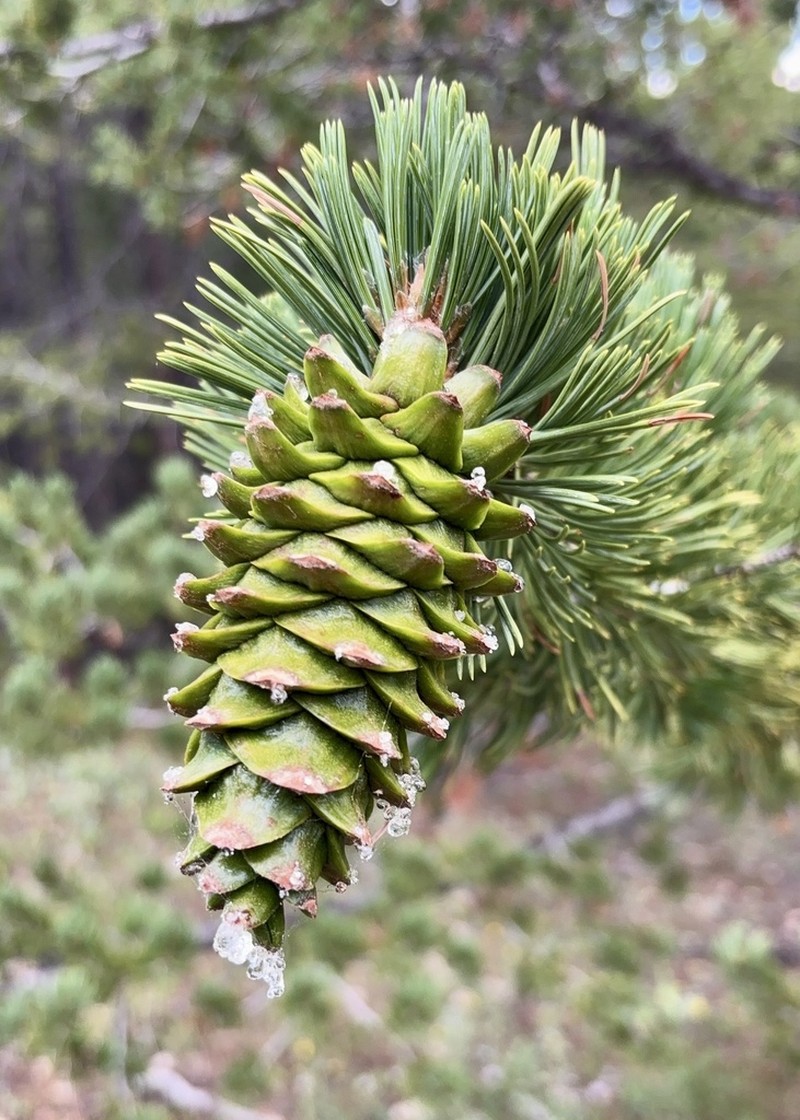
Establishment: Cones are collected in late September when they are yellowish brown and before cone scales are opened. Cones are cut from branches using pruning poles and hand pruners. Cones are kept in burlap sacks in the drying shed prior to cleaning. Seeds are brown at maturity. There are some regional variations in the timing of cone collection.
Source: npn.rngr.net
Where to Buy
Nationwide Seller
- Sheffield's Seed (seeds)