
Sugar Pine
Pinus lambertiana
- Native to:
- Mexico, United States
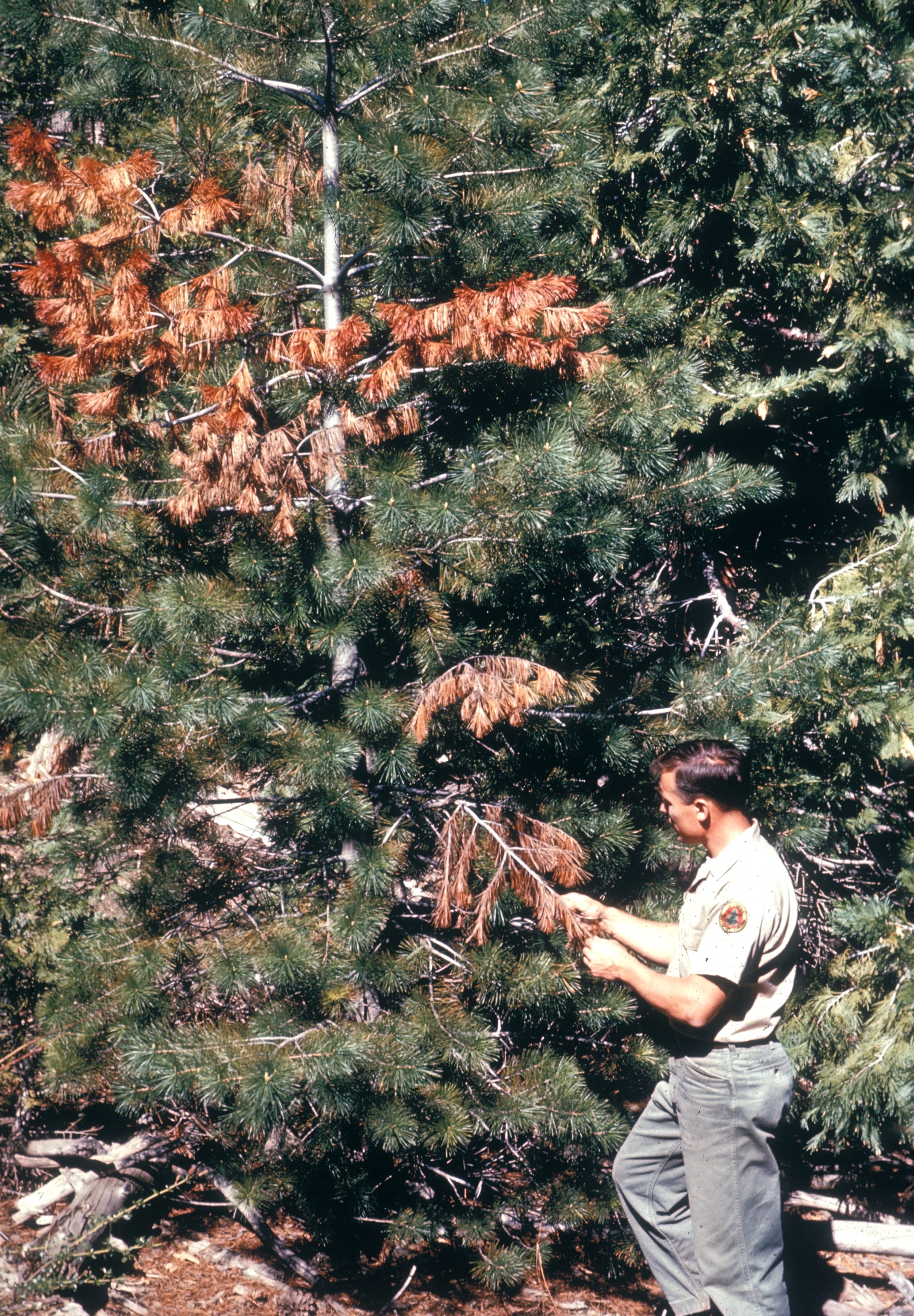
USDA Forest Service - Ogden , USDA Forest Service, Bugwood.org
Taxonomy
- Division:
- Coniferophyta | - Conifers
- Family:
- Pinaceae
- Genus:
- Pinus
- Species:
- Pinus lambertiana
- USDA Symbol:
- PILA
Growth Characteristics
- Life Cycle:
- Perennial
- Growth Habit:
- Tree
- Height:
- 7620 cm
- Light Requirements:
- Part Shade
- Drought Tolerance:
- Medium
Wildlife Benefits
- Bees:
- ★☆☆☆☆ Documented bee visitation (GBIF)
- Butterflies & Moths:
- ★☆☆☆☆ Documented Lepidoptera association (GBIF)
- Caterpillars:
- ★☆☆☆☆ Recorded caterpillar host plant (HOSTS Database)
Keystone Species Ranking
- Caterpillar Keystone:
- ★★★★★ Butterfly & moth species supported by this genus (NWF)
Host Plant for Caterpillars
Garden & Ecology Notes
- Wildlife Value:
- birds, small mammals
- Fragrant:
- Yes
- Fire Ecology:
- Fire adapted — tolerates or benefits from fire
- Fire Notes:
- Thick bark provides some fire resistance; mature trees can survive low to moderate intensity fires.
Soil Requirements
- Soil Type:
- rich, well-drained loamy soil
- pH:
- 5.5 - 7.0 (slightly acidic to neutral)
- Drainage:
- excellent drainage required
- Moisture:
- dry to moderate
- Notes:
- Prefers deep soils in mountainous regions
Propagation & Germination
- Stratification:
- Cold/moist stratification required — 30–90 days
- Germination Time:
- 14–60 days
- Notes:
- Seeds benefit from cold stratification for 1-3 months to break dormancy; sow in well-drained soil.
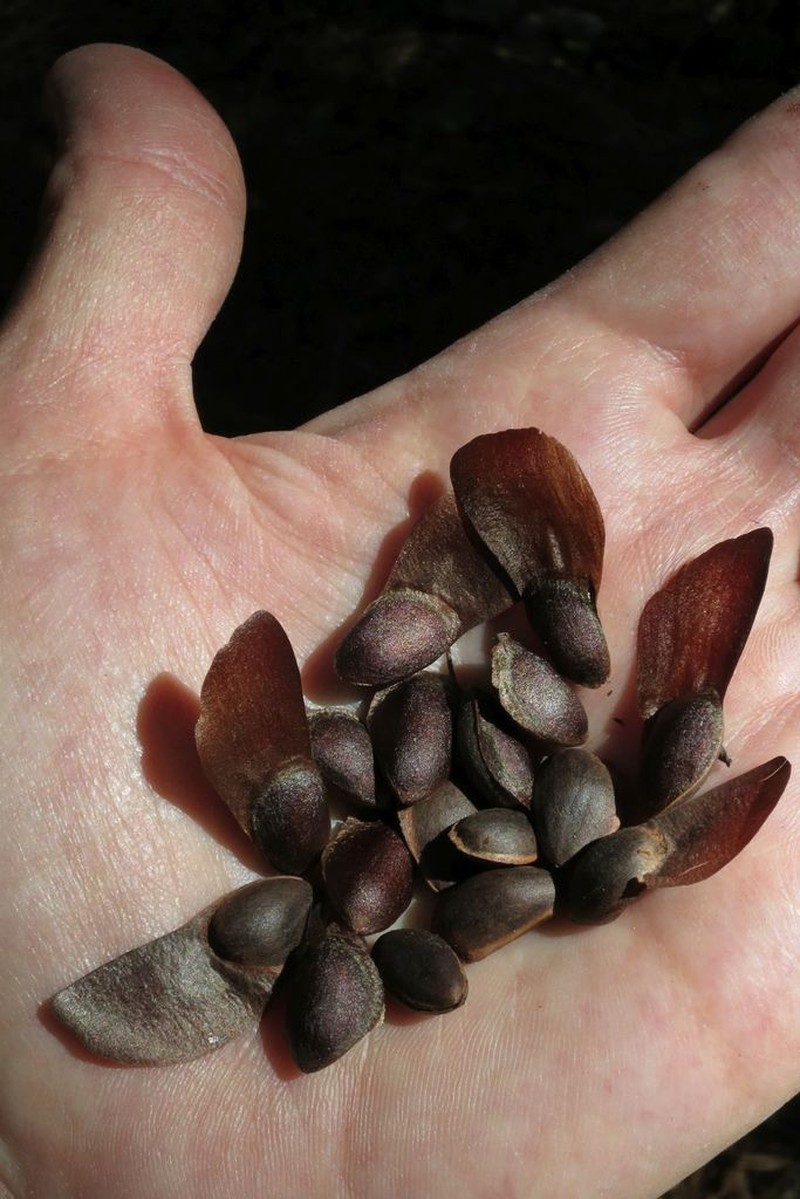
Pre-treatment: Seeds are placed in cold moist stratification for 90 days or soaked in cold running water for 48 hours, then placed in cold stratification rooms for 30 to 45 days. Rooms are equipped with foggers to keep the seed moist at all times. Temperatures are set at 1C (33F). Seed is monitored daily to detect seed mold. If mold is found, the seed is hosed down with water.
Establishment: Most seed comes from wild collections, with the remainder coming from seed orchards managed by the Forest Service and Bureau of Land Management. All seed is kept separate by the collection area, elevation and date collected. All seed is collected in the fall.
Source: npn.rngr.net
Where to Buy
Nationwide Seller
- Sheffield's Seed (seeds)