
Western White Pine
Pinus monticola
- Native to:
- Canada, United States
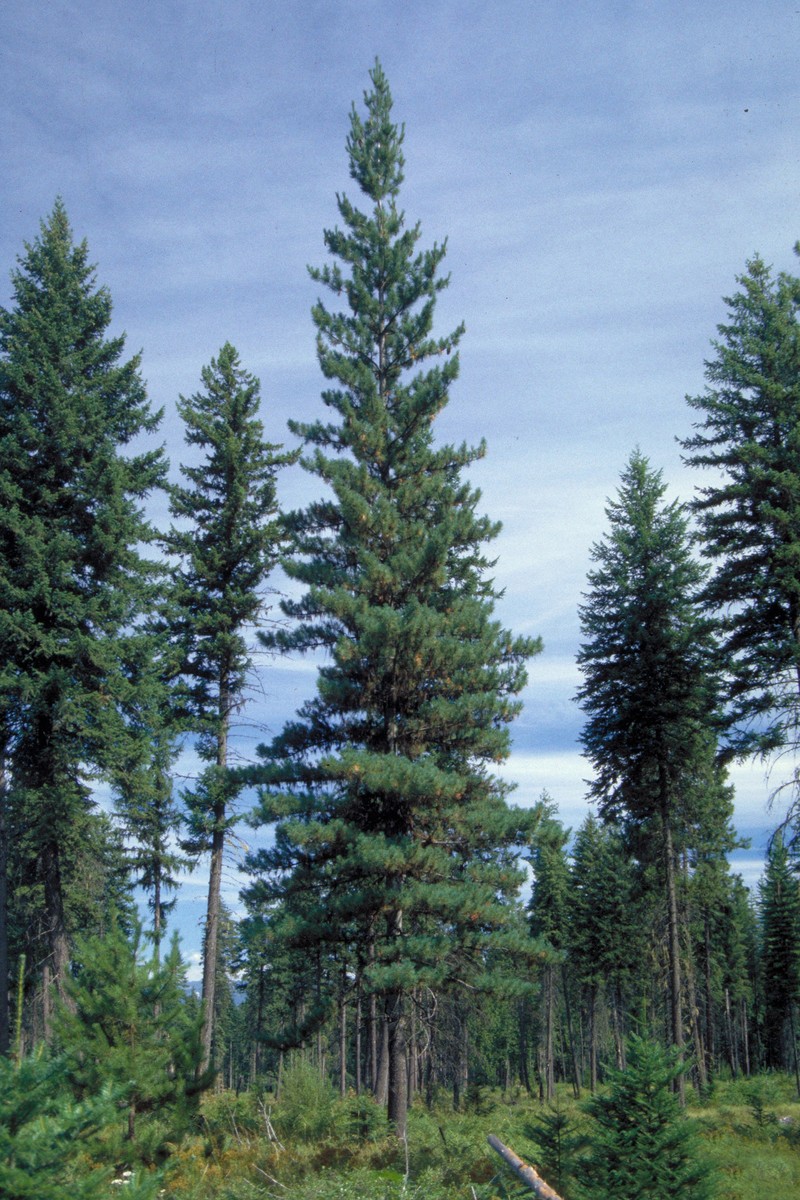
Chris Schnepf, University of Idaho, USA
Taxonomy
- Division:
- Coniferophyta | - Conifers
- Family:
- Pinaceae
- Genus:
- Pinus
- Species:
- Pinus monticola
- USDA Symbol:
- PIMO3
Growth Characteristics
- Life Cycle:
- Perennial
- Growth Habit:
- Tree
- Height:
- 6100 cm
- Light Requirements:
- Full Sun
- Drought Tolerance:
- Medium
Wildlife Benefits
- Caterpillars:
- ★★★☆☆ Recorded caterpillar host plant (HOSTS Database)
Keystone Species Ranking
- Caterpillar Keystone:
- ★★★★★ Butterfly & moth species supported by this genus (NWF)
Host Plant for Caterpillars
Comstock's sallow (Feralia comstocki), Eucosma rescissoriana, Eupithecia annulata, Eupithecia longipalpata, Eupithecia palpata, Gabriola dyari, Imitated Melanolophia (Melanolophia imitata), Linden looper (Erannis tiliaria), Mournful Thorn (Lambdina fiscellaria), ornate eupithecia (Eupithecia ornata), Papestra cristifera, pine shoot moth (Ocnerostoma piniariella), Ponderosa pine seedworm moth (Cydia piperana), Synanthedon novaroensis, Syngrapha celsa, Zimmerman's coneworm (Dioryctria zimmermani), Entomologist's hairstreak (Incisalia eryphon), Menapia White (Neophasia menapia)
Garden & Ecology Notes
- Wildlife Value:
- birds, small mammals
- Fire Ecology:
- Fire adapted — tolerates or benefits from fire
- Fire Notes:
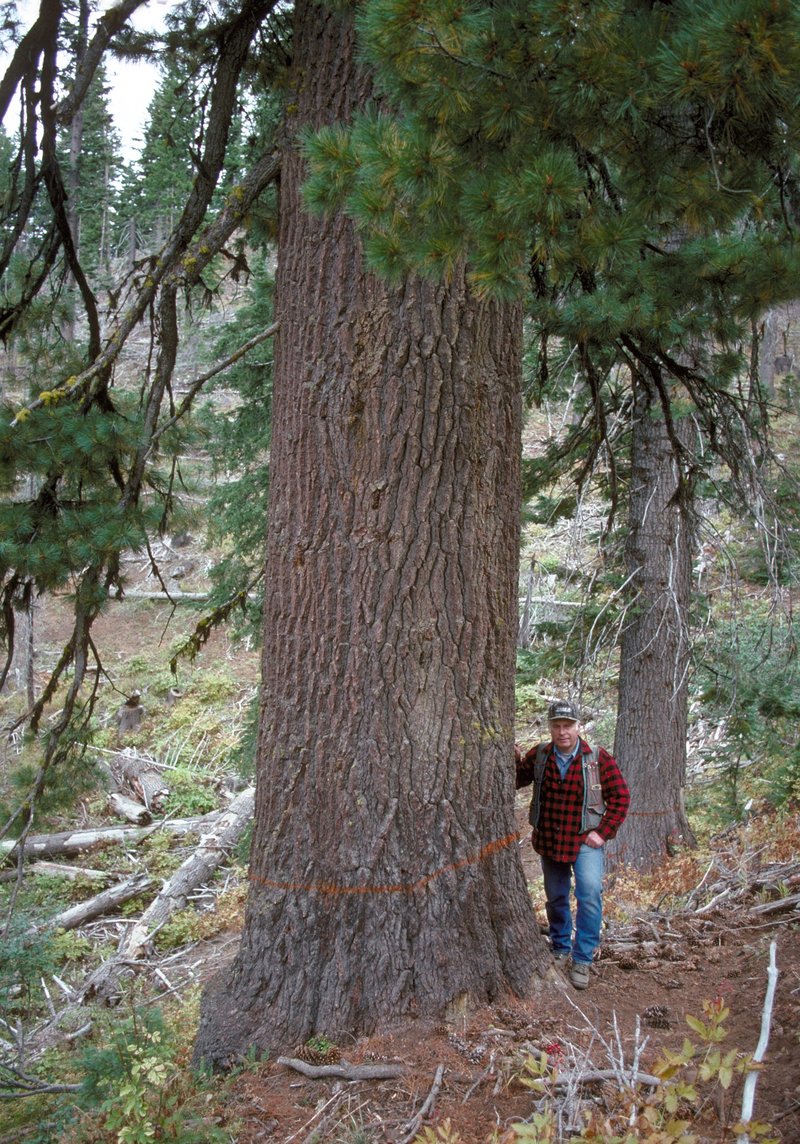
- Thick bark provides moderate fire resistance; serotinous cones are not present, but seeds can colonize burned areas.
Soil Requirements
- Soil Type:
- well-drained, sandy or loamy soil
- pH:
- 4.5 - 6.5 (acidic to slightly acidic)
- Drainage:
- excellent drainage required
- Moisture:
- dry to moderate
- Notes:
- prefers soils with good aeration and low fertility
Propagation & Germination
- Stratification:
- Cold/moist stratification required — 30–60 days
- Germination Time:
- 14–28 days
- Notes:
- Seeds benefit from cold stratification for 30-60 days to break dormancy; sow in well-drained seedbed.
Pre-treatment: Seeds are placed into a water/bleach solution for sterilization, followed by a 48 hour running water rinse. Seeds are then placed in cold, moist stratification for 120 days at 1 to 3 C. A gibberellic acid treatment may enhance germination.
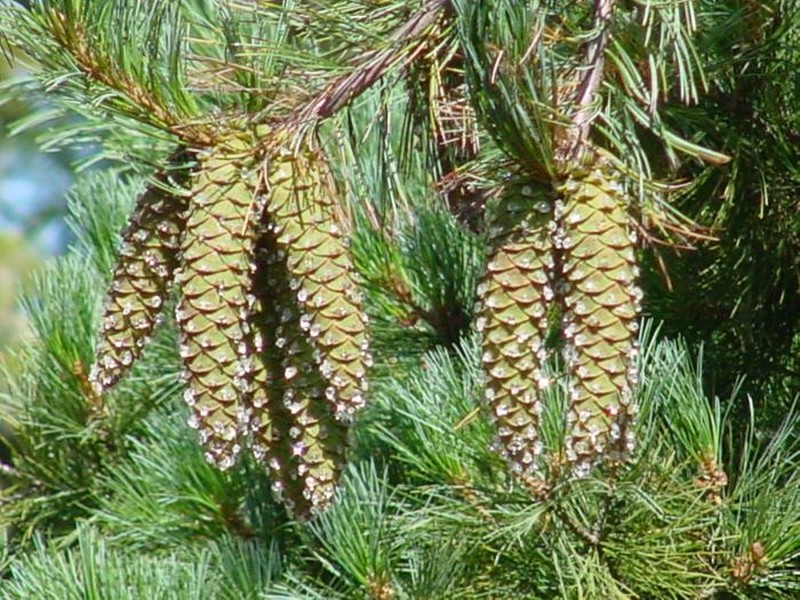
Establishment: Cones are collected in August-September or early October, before they open or when they turn brown and scales begin to reflex. Cones should be dried quickly after harvest to prevent mold development. Germination is greater in dark than light. The low germination percentage may have been improved if a longer stratification period was used.
Source: npn.rngr.net
Where to Buy
Nationwide Seller
- Sheffield's Seed (seeds)