Taxonomy
- Division:
- Coniferophyta | - Conifers
- Family:
- Pinaceae
- Genus:
- Pinus
- Species:
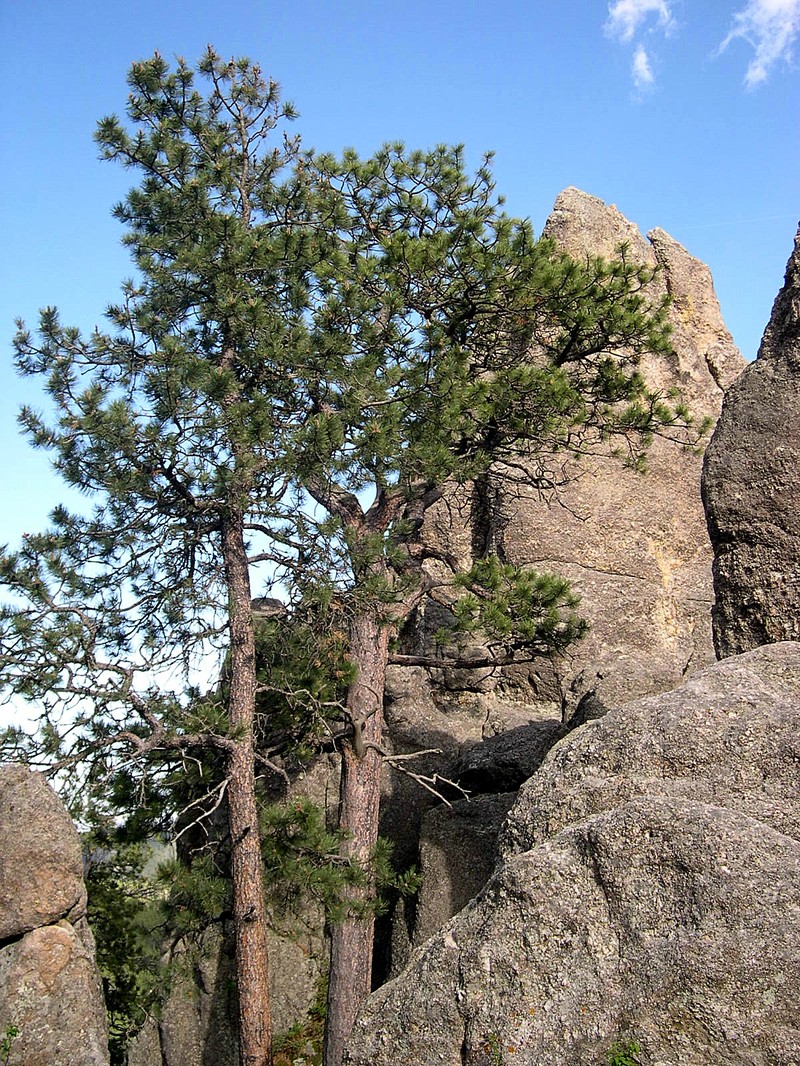
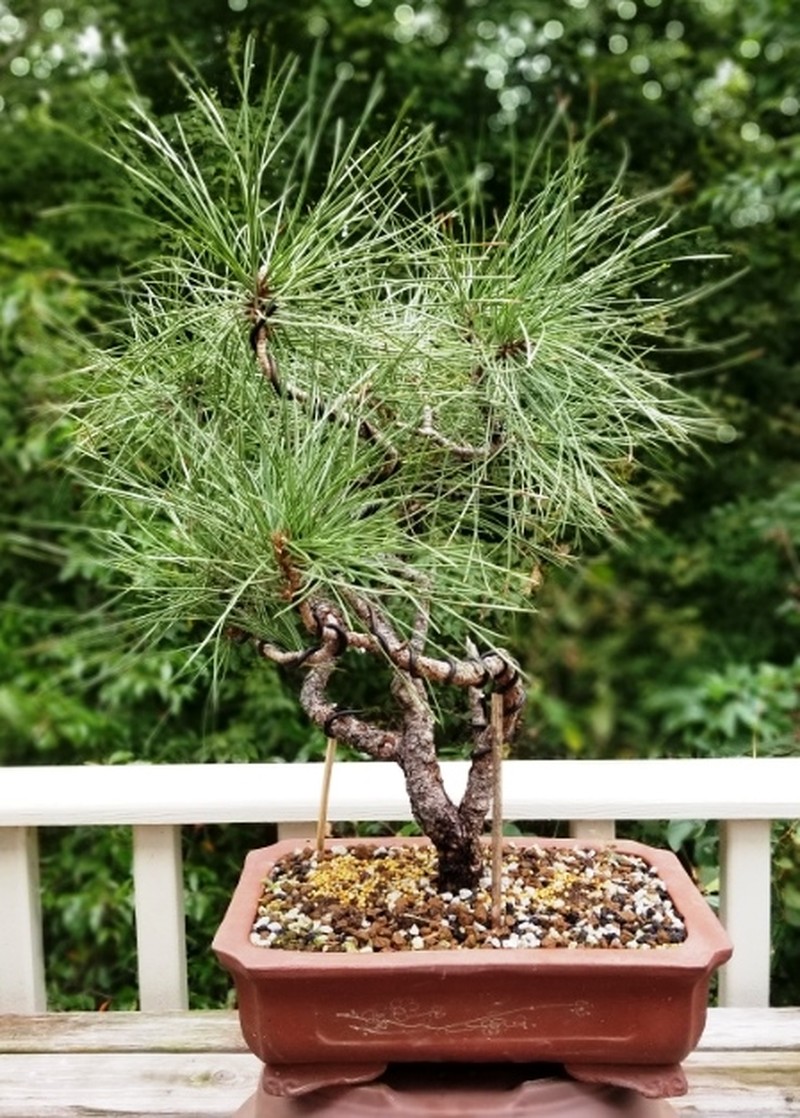
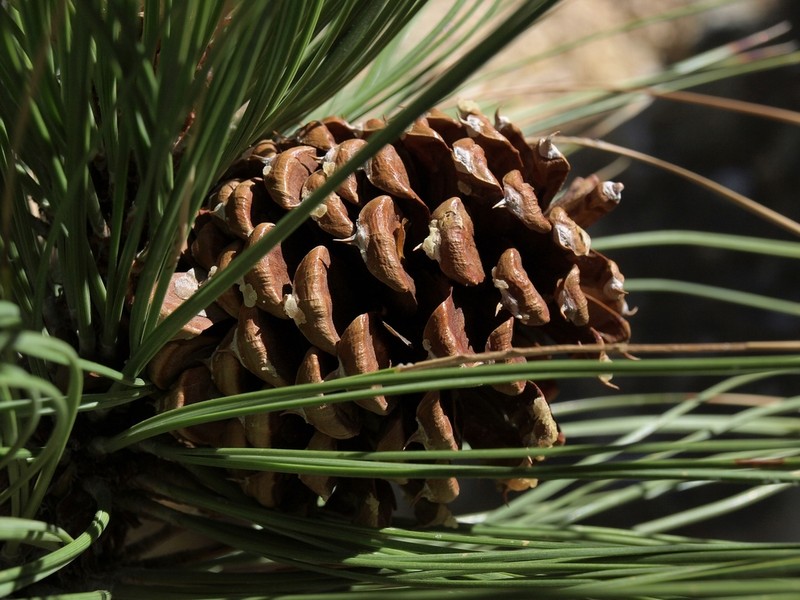
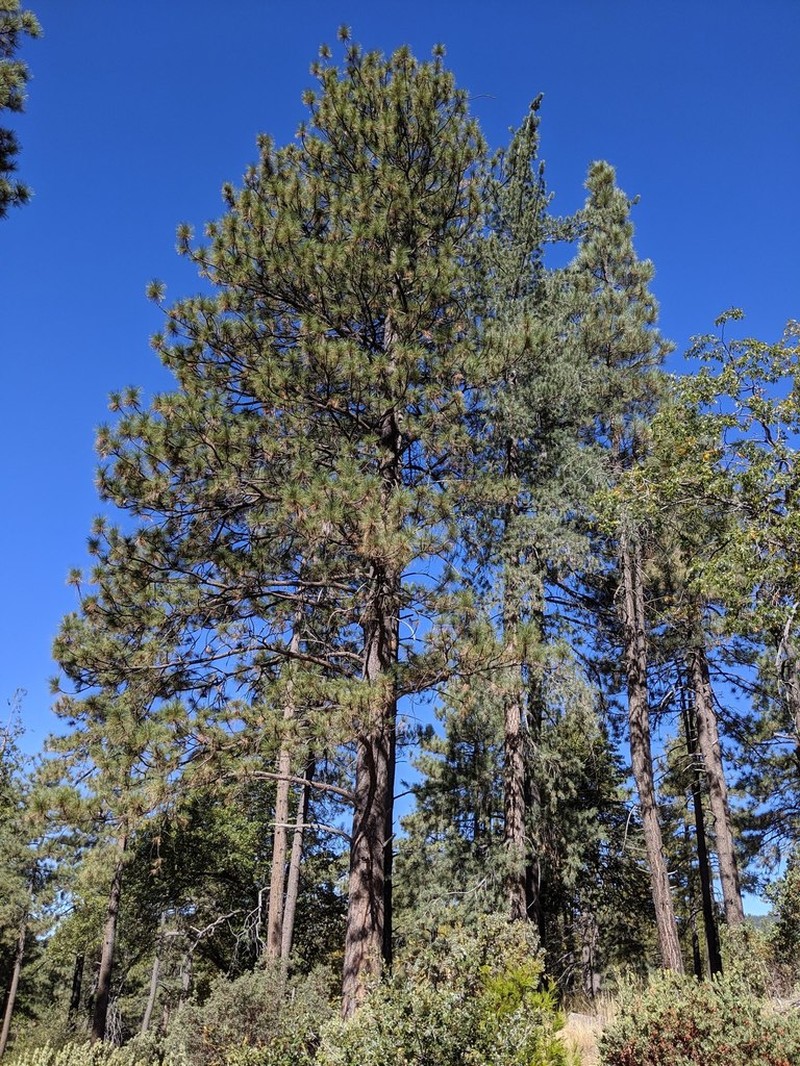
- Pinus ponderosa
- USDA Symbol:
- PIPO
Growth Characteristics
- Life Cycle:
- Perennial
- Growth Habit:
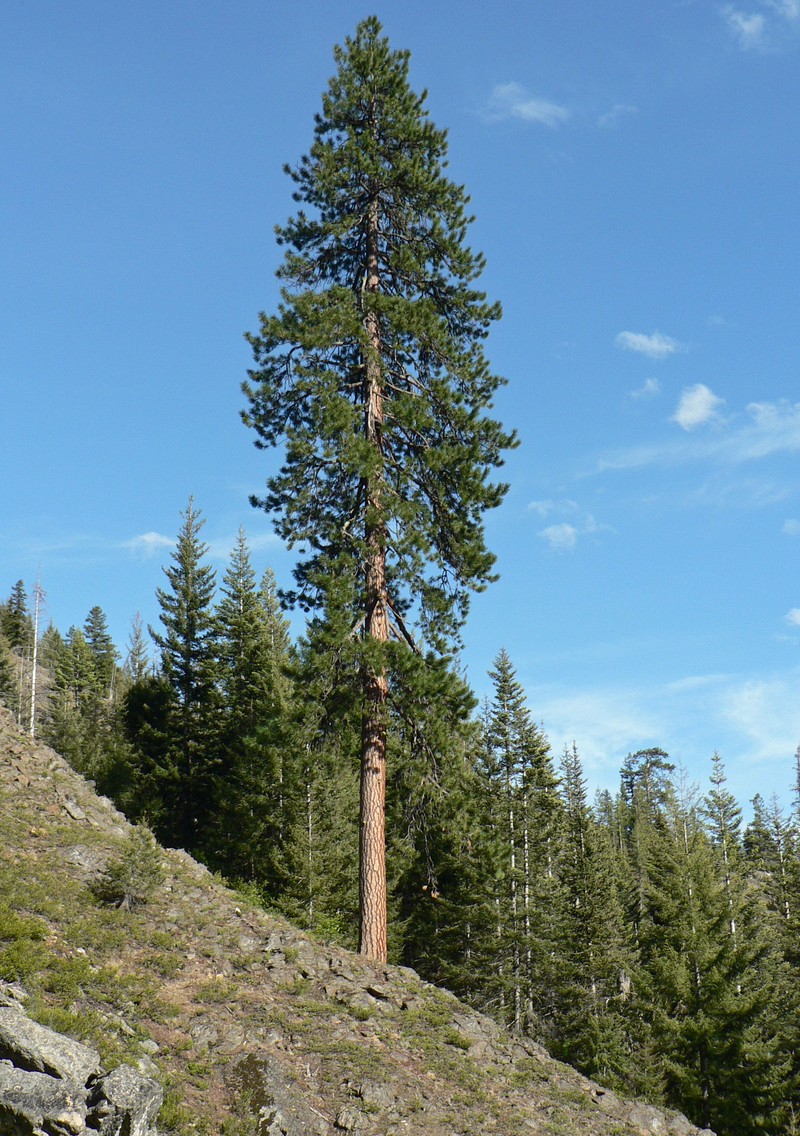
- Tree
- Height:
- 6100 cm
- Light Requirements:
- Full Sun,Part Shade,Shade
- Drought Tolerance:
- High
Wildlife Benefits
- Bees:
- ★☆☆☆☆ Documented bee visitation (GBIF)
- Butterflies & Moths:
- ★★★★★ Documented Lepidoptera association (GBIF)
- Caterpillars:
- ★★★★★ Recorded caterpillar host plant (HOSTS Database)
- Hummingbirds:
- ★☆☆☆☆ Documented hummingbird visits (GBIF)
Keystone Species Ranking
- Caterpillar Keystone:
- ★★★★★ Butterfly & moth species supported by this genus (NWF)
Host Plant for Caterpillars
Bondia sp., Chionodes periculella, Chionodes retiniella, Coleotechnites condignella, Coleotechnites moreonella, Coleotechnites pinella, Corticivora clarki, Cydia injectiva, Cydia miscitata, Cydia toreuta, Dioryctria auranticella, Dioryctria bumhofei, Dioryctria okanaganella, Dioryctria tumicolella, Doris' pinemoth (Coloradia doris), Douglas-fir tussock moth (Orgyia pseudotsugata), Eucosma bobana, Eucosma ponderosa, Eupithecia palpata, Eupithecia pseudotsugata, Euxoa auripennis, Exoteleia anomala, Filatima natalis, Giant Lophocampa (Lophocampa ingens), Glena nigricaria, jack pine tip moth (Rhyacionia subcervinana), Jack pine tube moth (Argyrotaenia tabulana), Nacophora mexicanaria, Nantucket pine tip moth (Rhyacionia fumosana), Nantucket pine tip moth (Rhyacionia frustrana), Nemoria viridicaria, ornate eupithecia (Eupithecia ornata), Pandora moth (Coloradia pandora), Petrova edemoidana, Petrova luculentana, Petrova metallica, pine carpenterworm moth (Givira lotta), pine cone borer (Dioryctria rossi), pine devil moth (Citheronia sepulcralis), pine needle sheathminer (Zelleria haimbachi), pine needleminer (Exoteleia pinifoliella), pine shoot moth (Ocnerostoma piniariella), Pine tip moth (Rhyacionia busckana), Ponderosa Pine Needle Miner (Coleotechnites ponderosae), Ponderosa pine seedworm moth (Cydia piperana), ponderosa twig moth (Dioryctria ponderosae), pulmonaria stenoporpia (Stenoporpia pulmonaria), Rhyacionia jenningsi, Rhyacionia multilineata, Rhyacionia neomexicana, Rhyacionia zozana, Semiothisa adonis, sequoia pitch moth (Synanthedon sequoiae), Silver-spotted Tiger Moth (Lophocampa argentata), Stenoporpia separataria, Sugar pine tortrix (Choristoneura lambertiana), Synanthedon novaroensis, western pine moth (Dioryctria cambiicola), western pine tip moth (Rhyacionia bushnelli), western pineshoot borer (Eucosma sonomana), Western spruce budworm (Choristoneura occidentalis), Zimmerman's coneworm (Dioryctria zimmermani), Entomologist's hairstreak (Incisalia eryphon), Menapia White (Neophasia menapia)
Reported Fauna Sightings
Bees: American bumble bee (Bombus pensylvanicus), Central bumble bee (Bombus centralis), Half-black bumble bee (Bombus vagans), Indiscriminate cuckoo bumble bee (Bombus insularis), Red-belted bumble bee (Bombus rufocinctus), Two-form bumble bee (Bombus bifarius), White-shouldered bumble bee (Bombus appositus), Yellow bumble bee (Bombus fervidus), Yellow head bumble bee (Bombus flavifrons), Yellow-faced bumble bee (Bombus vosnesenskii) Hummingbirds: Broad-tailed Hummingbird (Selasphorus platycercus), Calliope Hummingbird (Selasphorus calliope), Rufous Hummingbird (Selasphorus rufus) Moths:Giant Lophocampa (Lophocampa ingens), sequoia pitch moth (Synanthedon sequoiae), Ulolonche consopita
Garden & Ecology Notes
- Wildlife Value:
- birds, small mammals
- Fragrant:
- Yes
- Fire Ecology:
- Fire adapted — tolerates or benefits from fire
- Fire Notes:
- Thick bark provides fire resistance; serotinous cones not typical but seedlings establish well after low-severity fire.
Soil Requirements
- Soil Type:
- sandy, well-drained, nutrient-poor soil
- pH:
- 4.5 - 7.0 (acidic to neutral)
- Drainage:
- excellent drainage required
- Moisture:
- dry to moderate
- Notes:
- Thrives in open, sunny areas with low competition.
Propagation & Germination
- Stratification:
- Cold/moist stratification required — 30–90 days
- Germination Time:
- 14–30 days
- Notes:
- Seeds benefit from cold stratification; sow in fall or stratify for 30-90 days at 1-5°C.
Pre-treatment: Seeds are soaked in cold running water for 48 hours, then placed in cold stratification rooms for 30 to 45 days at 1C (33F) with daily monitoring for seed mold. Some protocols also suggest bleach treatment prior to stratification or wet tumbling for several days.
Establishment: There are variations in pre-treatment protocols, including soaking, stratification, and bleach treatment. Some protocols also suggest specific fertilization and irrigation practices during the establishment phase. The protocols also vary in the timing of sowing, with some suggesting late March to early April and others suggesting mid-March. The general distribution of Ponderosa pine ranges from southern British Columbia to central Mexico and from central Nebraska to the west coast.
Source: npn.rngr.net
Where to Buy
Nationwide Seller