
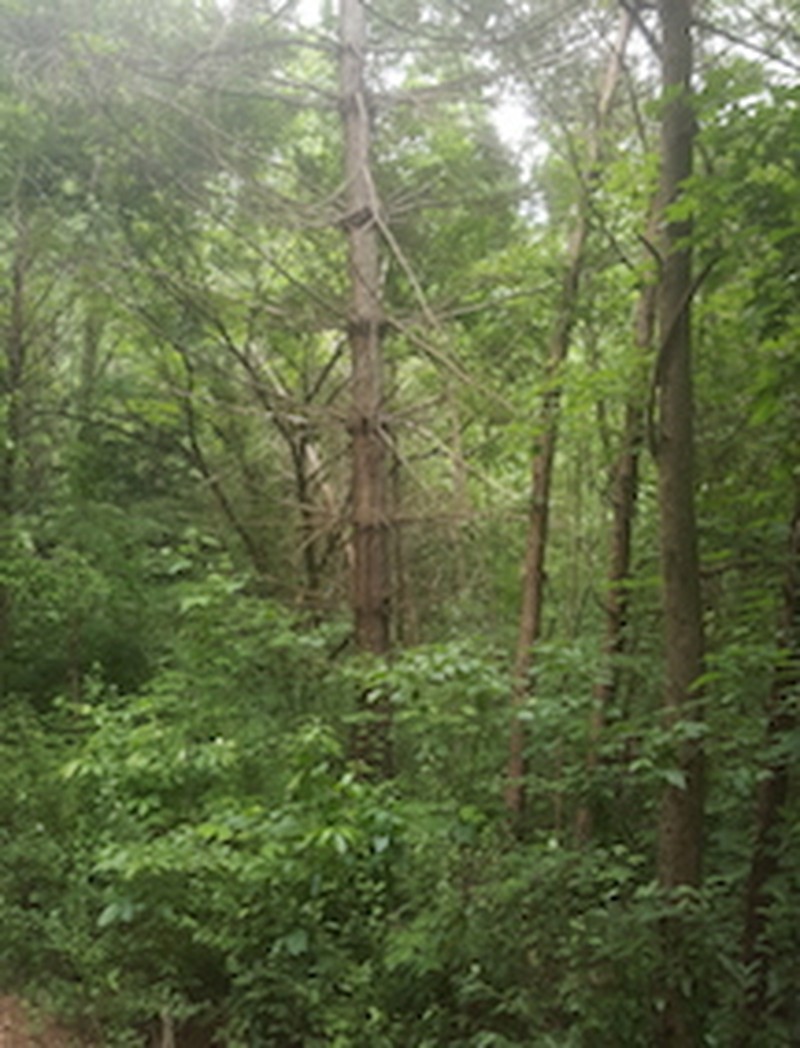
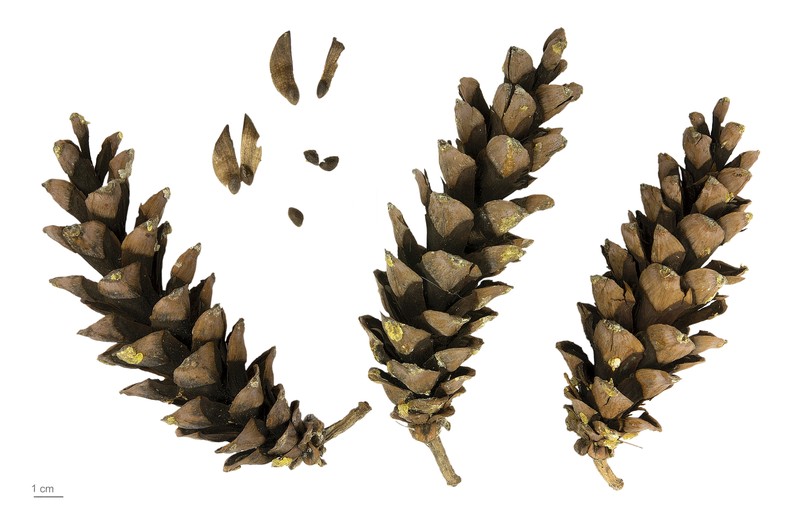
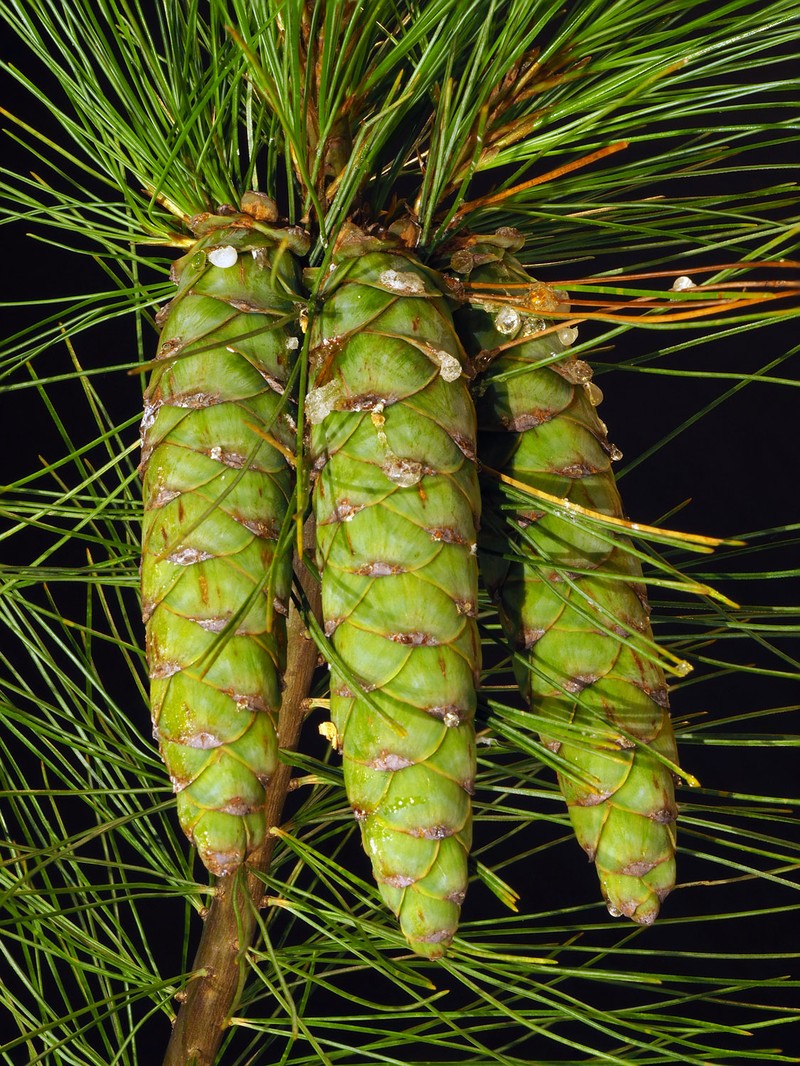
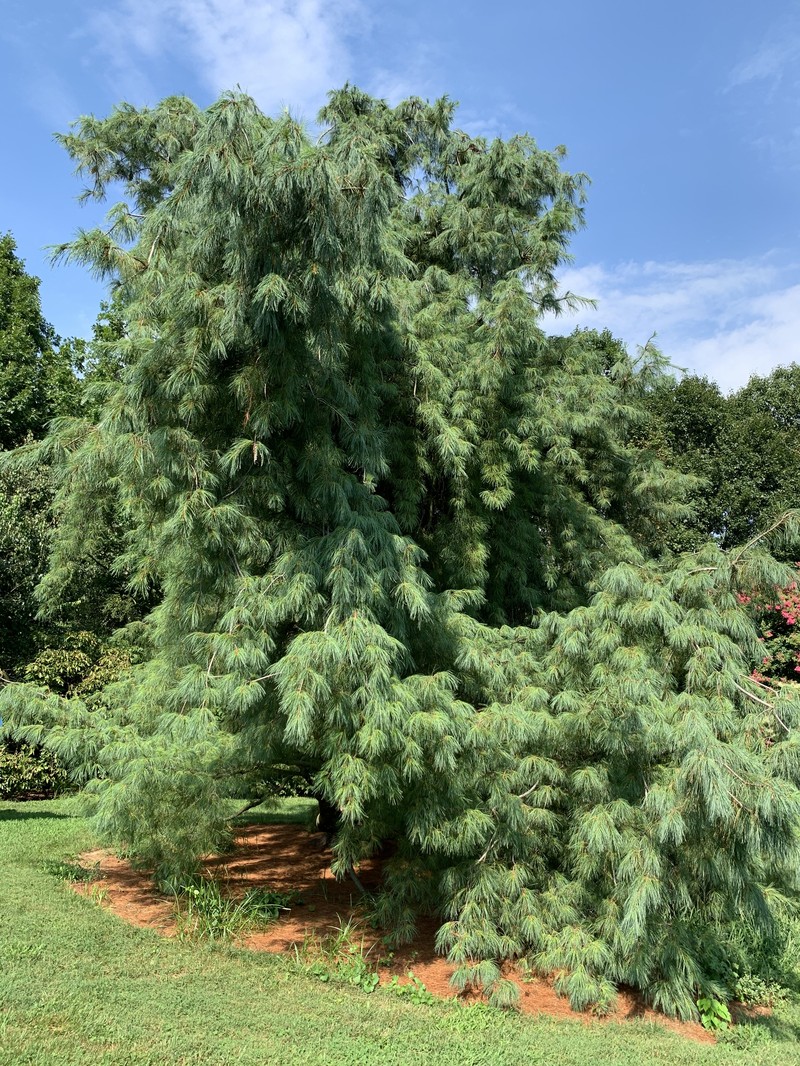
Eastern White Pine
Pinus strobus
- Native to:
- Canada, Prince Edward I., United States, Virgin Islands
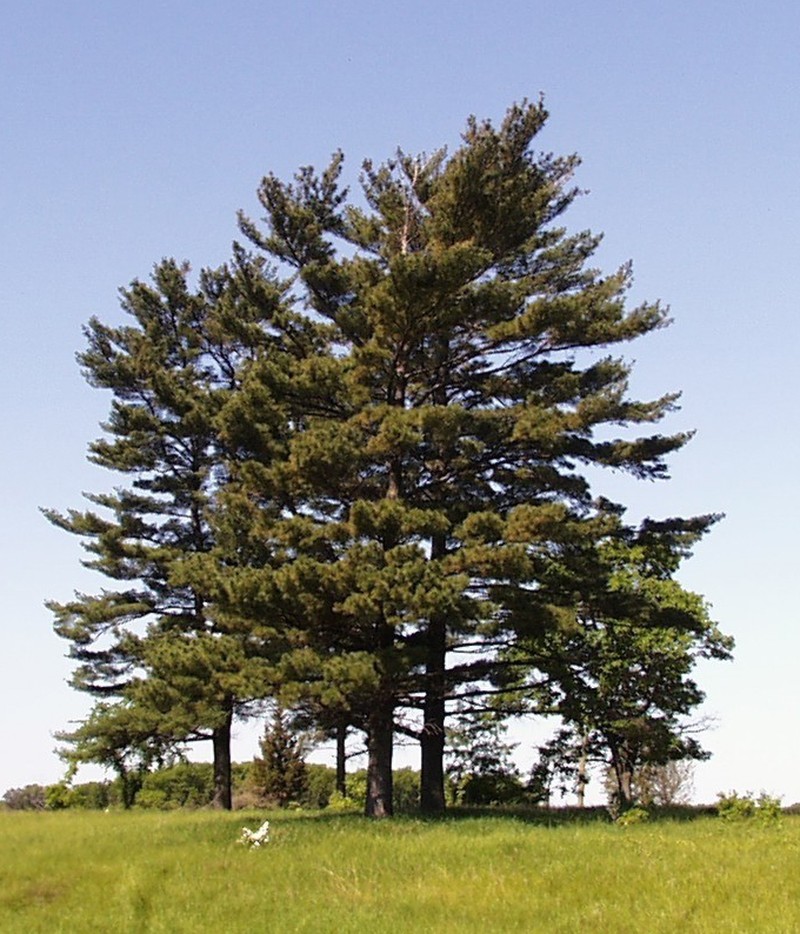
US FWS
Taxonomy
- Division:
- Coniferophyta | - Conifers
- Family:
- Pinaceae
- Genus:
- Pinus
- Species:
- Pinus strobus
- USDA Symbol:
- PIST
Growth Characteristics
- Life Cycle:
- Perennial
- Growth Habit:
- Tree
- Height:
- 3000 cm
- Light Requirements:
- Full Sun,Part Shade,Shade
- Drought Tolerance:
- Medium
Wildlife Benefits
- Bees:
- ★☆☆☆☆ Documented bee visitation (GBIF)
- Butterflies & Moths:
- ★★★★★ Documented Lepidoptera association (GBIF)
- Caterpillars:
- ★★★★★ Recorded caterpillar host plant (HOSTS Database)
Keystone Species Ranking
- Caterpillar Keystone:
- ★★★★★ Butterfly & moth species supported by this genus (NWF)
Host Plant for Caterpillars
Allen's Aphelia (Aphelia alleniana), Anacamptodes vellivolata, Aplectoides condita, Bagworm moth (Thyridopteryx ephemeraeformis), Black zigzag (Panthea acronyctoides), brown pine looper (Caripeta angustiorata), Caripeta latiorata, Chain-lined geometer moth (Cingilia catenaria), contracted spanworm (Thera contractata), Dichomeris picrocarpa, Dichomeris setosella, Dioryctria auranticella, Doris' pinemoth (Coloradia doris), Eastern Panthea (Panthea furcilla), eastern pine shoot borer (Eucosma gloriola), Eucosma tocullionana, Eupithecia palpata, European pine shoot moth (Rhyacionia buoliana), False hemlock looper (Nepytia canosaria), false sphinx (Lapara bombycoides), fir coneworm (Dioryctria abietivorella), gray spruce looper (Caripeta divisata), Gypsy moth (Lymantria dispar), Imperial Moth (Eacles imperialis), jack pine budworm (Choristoneura pinus), Larch Pug (Eupithecia lariciata), Larch Tolype (Tolype laricis), Large Fruit-tree Tortrix (Archips oporana), Lusk's pinemoth (Coloradia luski), Major Sallow (Feralia major), Marmara fasciella, Morrison's pero (Pero morrisonaria), Mournful Thorn (Lambdina fiscellaria), Nameless Pinion (Lithophane innominata), Northern Pine Carpet Moth (Caripeta piniata), Northern Pine Tussock Moth (Dasychira plagiata), Northern Variable Dart (Xestia badicollis), Obliquebanded leafroller (Choristoneura rosaceana), Ocnerostoma strobivorum, Oslar's eacles (Eacles oslari), Pandora moth (Coloradia pandora), Panthea pallescens, pine devil moth (Citheronia sepulcralis), pine false looper (Zale duplicata), Pine Hypagyrtis Moth (Hypagyrtis piniata), pine powder moth (Eufidonia convergaria), pine shoot moth (Ocnerostoma piniariella), pine tube moth (Argyrotaenia pinatubana), Pitch mass borer (Synanthedon pini), Porcelain Gray (Protoboarmia porcelaria), powdered eufidonia (Eufidonia notataria), Rusty Tussock Moth (Orgyia antiqua), Semiothisa bicolorata, Semiothisa bisignata, Semiothisa granitata, Semiothisa minorata, Semiothisa pinistrobata, sparganothis fruitworm moth (Sparganothis sulfureana), three-streaked sparganothis moth (Sparganothis tristriata), Variable Climbing Cutworm (Xestia elimata), variegated midget (Elaphria versicolor), Velda pinemoth (Coloradia velda), White-marked Tussock Moth (Orgyia leucostigma), Zale helata, Zimmerman's coneworm (Dioryctria zimmermani), Eastern Tailed-Blue (Incisalia niphon), Entomologist's hairstreak (Incisalia eryphon)
Reported Fauna Sightings
Moths:Argyresthia calliphanes, false sphinx (Lapara bombycoides), Gluphisia septentrionis, Gypsy moth (Lymantria dispar), Hypena edictalis, Macaria pustularia, Marmara fasciella, Olethreutes nigranum, pine tube moth (Argyrotaenia pinatubana), spiny looper moth (Phigalia titea), white-striped black (Trichodezia albovittata), Zanclognatha laevigata
Garden & Ecology Notes
- Wildlife Value:
- birds, small mammals
Soil Requirements
- Soil Type:
- well-drained, sandy or loamy soil
- pH:
- 4.5 - 6.5 (acidic to slightly acidic)
- Drainage:
- excellent drainage required
- Moisture:
- dry to moderate
- Notes:
- prefers nutrient-poor soils; avoid waterlogged conditions
Propagation & Germination
- Stratification:
- Cold/moist stratification required — 30–60 days
- Germination Time:
- 14–30 days
- Notes:
- Seeds require cold stratification for 30-60 days; sow in spring after treatment.
Pre-treatment: Seeds are cold stratified for 60-98 days. Some protocols suggest soaking seeds in water for 24 hours before stratification. Seeds can be treated with Thiram fungicide after drying.
Establishment: Seeds can be obtained from fallen cones or purchased commercially. The protocols vary slightly in stratification period and sowing techniques. The species is found throughout northeastern North America, and grows in a variety of sites along the full moisture gradient from wet bogs and moist stream bottoms to xeric sand plains and rocky ridges.
Source: npn.rngr.net
ORGHPS Germination Guide: Sow at 4°C for 3 months, then place @ 20°C for 3 months. * sow seeds in individual pots
Where to Buy
Nationwide Seller
- Sheffield's Seed (seeds)