
Scots Pine
Pinus sylvestris
- Native to:
- Albania, Austria, Baltic States, Belarus, Belgium, Bulgaria, China, Czechia-Slovakia, Denmark, Finland, France, Germany, Great Britain, Greece, Hungary, Ireland, Italy, Kazakhstan, Krym, Netherlands, North Caucasus, Norway, NW. Balkan Pen., Poland, Romania, Russia, Spain, Sweden, Switzerland, Transcaucasus, Türkiye, Ukraine
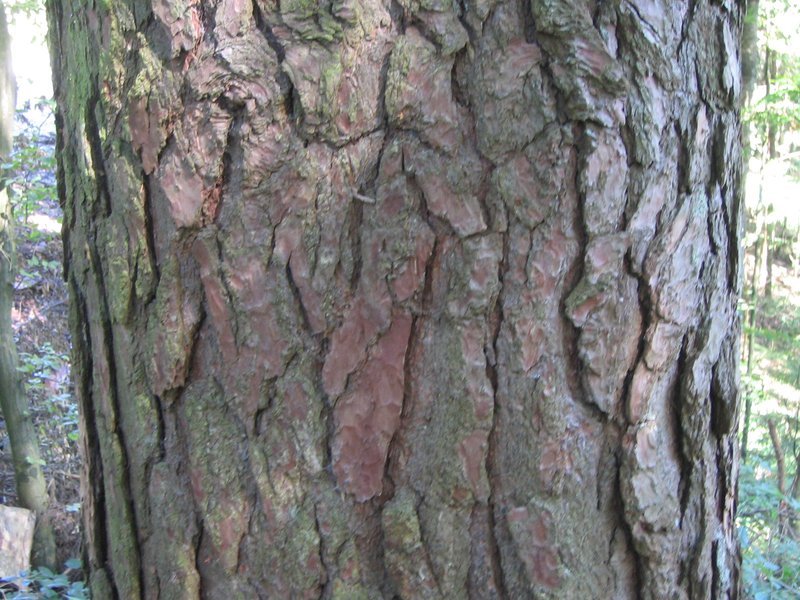
Flominator ( talk )
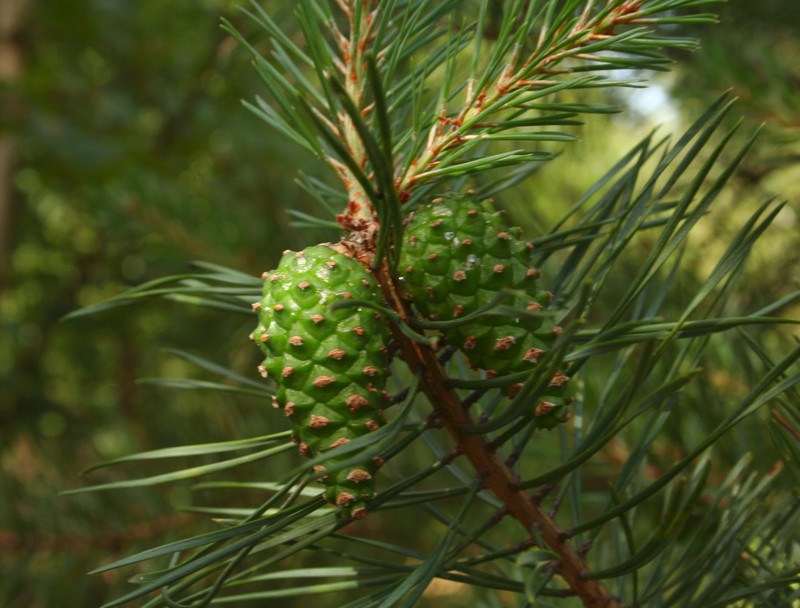
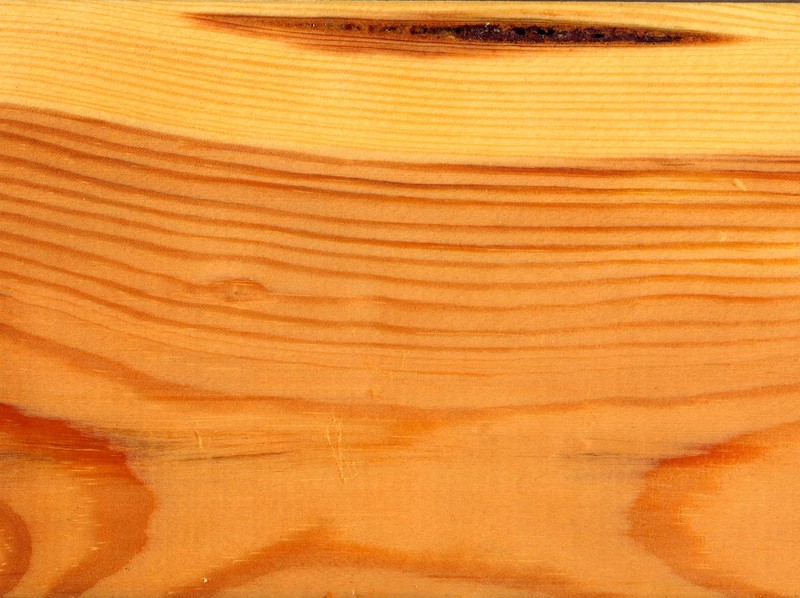
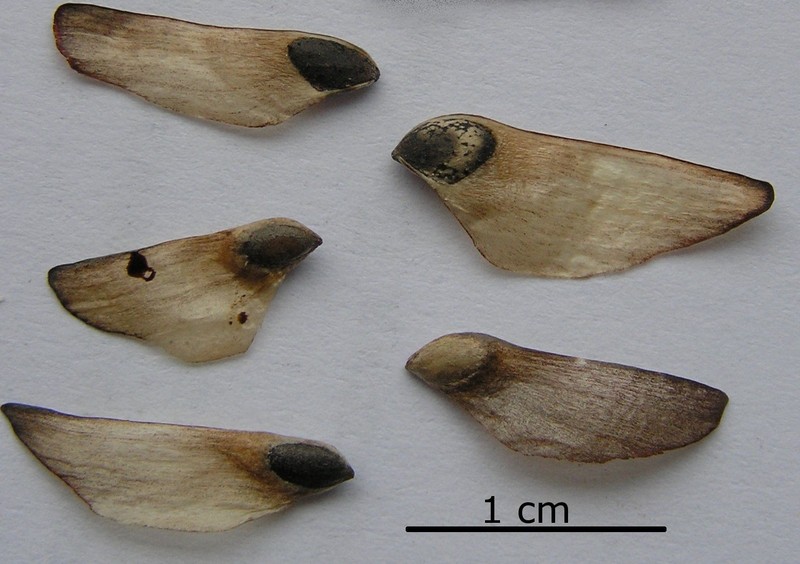
Taxonomy
- Division:
- Coniferophyta | - Conifers
- Family:
- Pinaceae
- Genus:
- Pinus
- Species:
- Pinus sylvestris
- USDA Symbol:
- PISY
Growth Characteristics
- Life Cycle:
- Perennial
- Growth Habit:
- Tree
- Height:
- 4000 cm
- Light Requirements:
- Full Sun
- Drought Tolerance:
- High
Wildlife Benefits
- Bees:
- ★☆☆☆☆ Documented bee visitation (GBIF)
- Butterflies & Moths:
- ★★★★★ Documented Lepidoptera association (GBIF)
- Caterpillars:
- ★★★★☆ Recorded caterpillar host plant (HOSTS Database)
- Hummingbirds:
- ★☆☆☆☆ Documented hummingbird visits (GBIF)
Keystone Species Ranking
- Caterpillar Keystone:
- ★★★★★ Butterfly & moth species supported by this genus (NWF)
Host Plant for Caterpillars
Adana pine tip moth (Rhyacionia adana), Allen's Aphelia (Aphelia alleniana), Anacamptodes vellivolata, Battaristis vittella, Black zigzag (Panthea acronyctoides), Eastern Panthea (Panthea furcilla), eastern pine shoot borer (Eucosma gloriola), Eupithecia palpata, European pine shoot moth (Rhyacionia buoliana), Exoteleia dodecella, Exoteleia nepheos, fir coneworm (Dioryctria abietivorella), Gypsy moth (Lymantria dispar), Imperial Moth (Eacles imperialis), jack pine budworm (Choristoneura pinus), Nantucket pine tip moth (Rhyacionia frustrana), Obliquebanded leafroller (Choristoneura rosaceana), Olethreutes schulziana, one-lined sparganothis moth (Sparganothis unifasciana), Pandora moth (Coloradia pandora), Petrova albicapitana, Petrova comstockiana, pine devil moth (Citheronia sepulcralis), pine false looper (Zale duplicata), Pine Hypagyrtis Moth (Hypagyrtis piniata), pine needleminer (Exoteleia pinifoliella), pine shoot moth (Ocnerostoma piniariella), Pine tip moth (Rhyacionia busckana), pine webworm (Pococera robustella), Pitch mass borer (Synanthedon pini), pitch pine tip moth (Rhyacionia rigidana), ponderosa twig moth (Dioryctria ponderosae), Porcelain Gray (Protoboarmia porcelaria), Semiothisa bicolorata, sparganothis fruitworm moth (Sparganothis sulfureana), ugly-nest caterpillar moth (Archips cerasivorana), variegated midget (Elaphria versicolor), Velda pinemoth (Coloradia velda), webbing coneworm moth (Dioryctria disclusa), Xenotemna pallorana, Zale helata, Zimmerman's coneworm (Dioryctria zimmermani), Eastern Tailed-Blue (Incisalia niphon)
Reported Fauna Sightings
Hummingbirds: Broad-tailed Hummingbird (Selasphorus platycercus)
Garden & Ecology Notes
- Wildlife Value:
- birds, small mammals
- Fragrant:
- Yes
- Fire Ecology:
- Fire adapted — tolerates or benefits from fire
- Fire Notes:
- Thick bark provides moderate fire resistance; serotinous cones not typical but some populations show fire-adapted traits.
Soil Requirements
- Soil Type:
- sandy, acidic, nutrient-poor soil
- pH:
- 4.0 - 6.5 (acidic to slightly acidic)
- Drainage:
- excellent drainage required
- Moisture:
- dry to moderate
- Notes:
- Prefers well-drained, sandy soils in its native range
Propagation & Germination
- Stratification:
- Cold/moist stratification required — 30–60 days
- Germination Time:
- 14–28 days
- Notes:
- Seeds benefit from cold stratification at 4°C for 30-60 days; sow in well-drained seedbed.
ORGHPS Germination Guide: Sow @ 20C. Germinates within 3 months.
Where to Buy
Nationwide Seller
- Sheffield's Seed (seeds)