
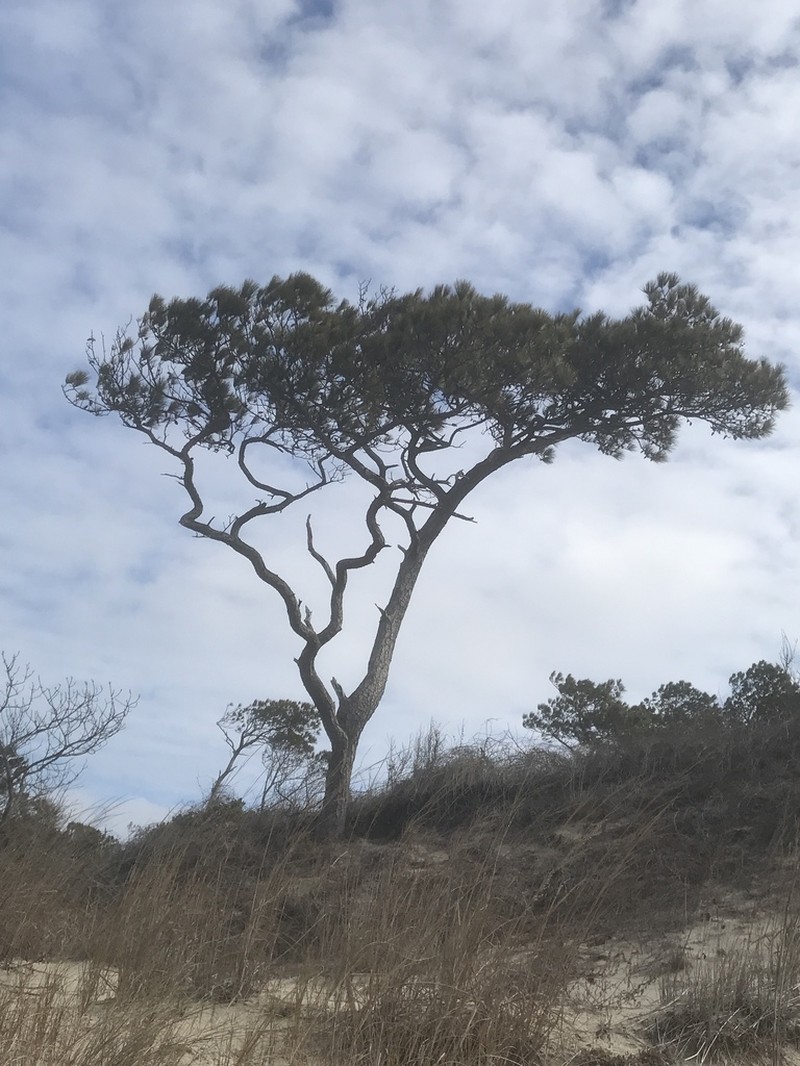
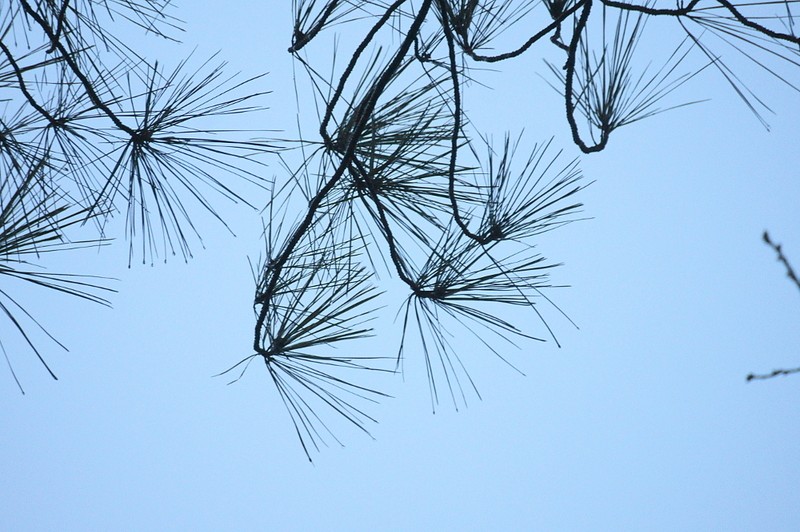
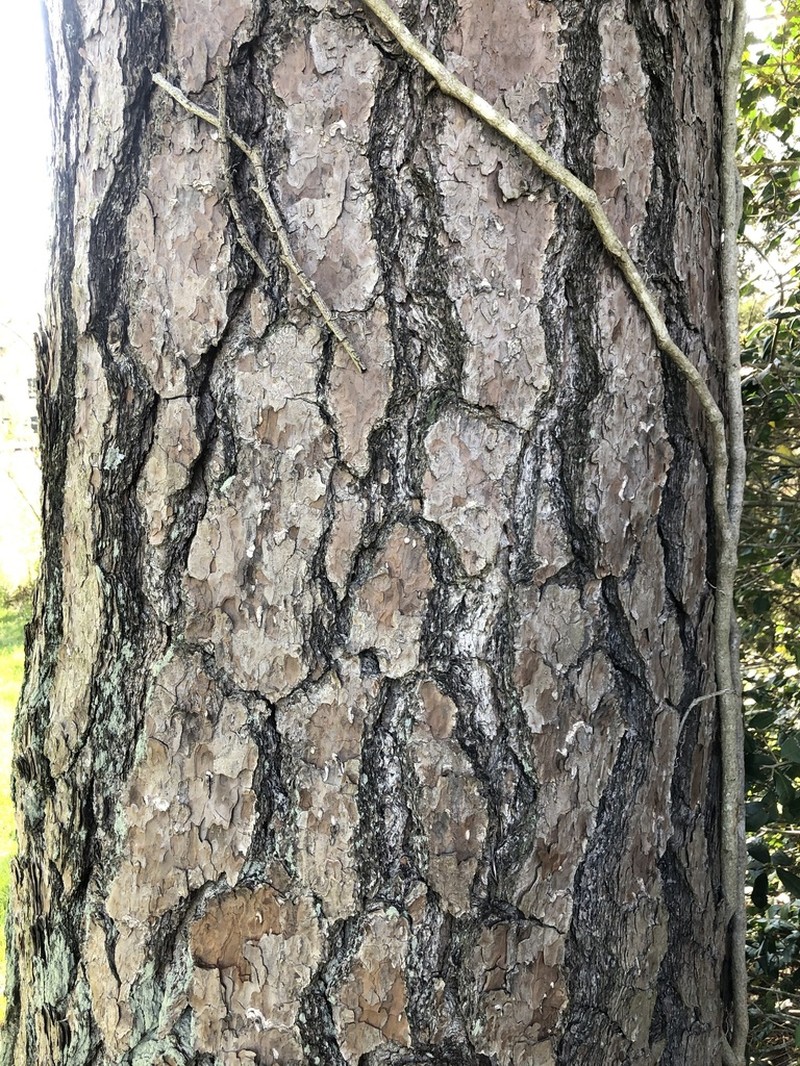
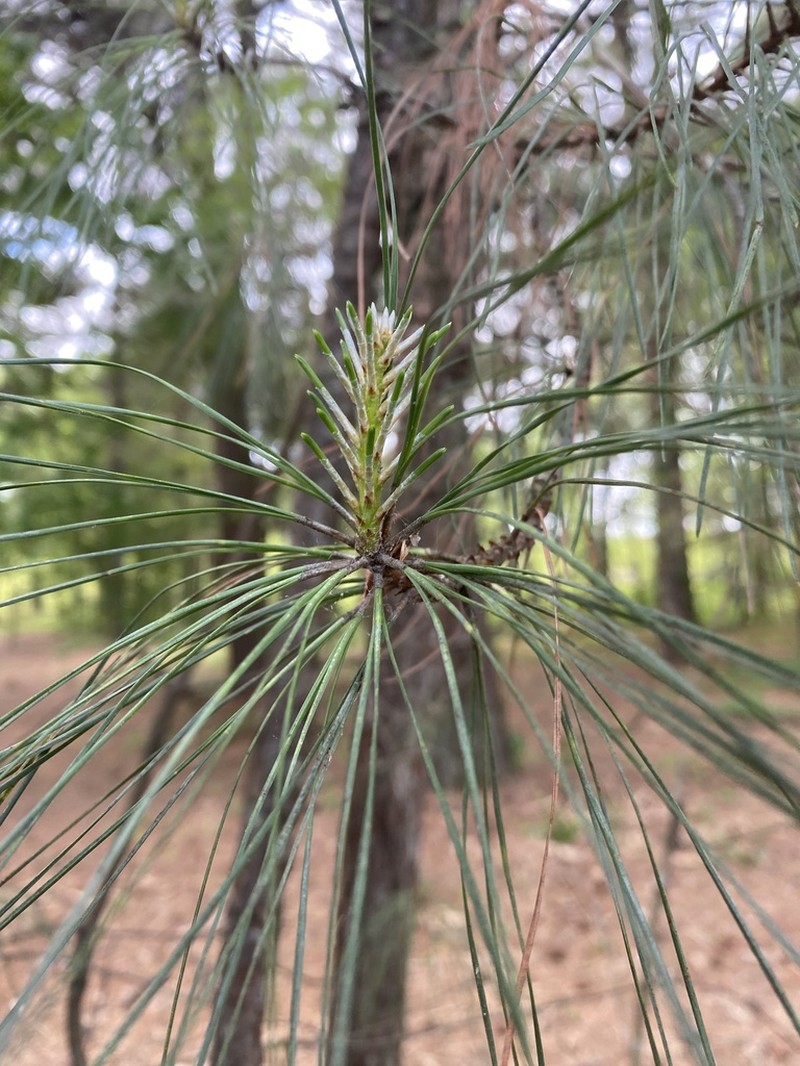
Loblolly Pine
Pinus taeda
- Native to:
- United States, Virgin Islands
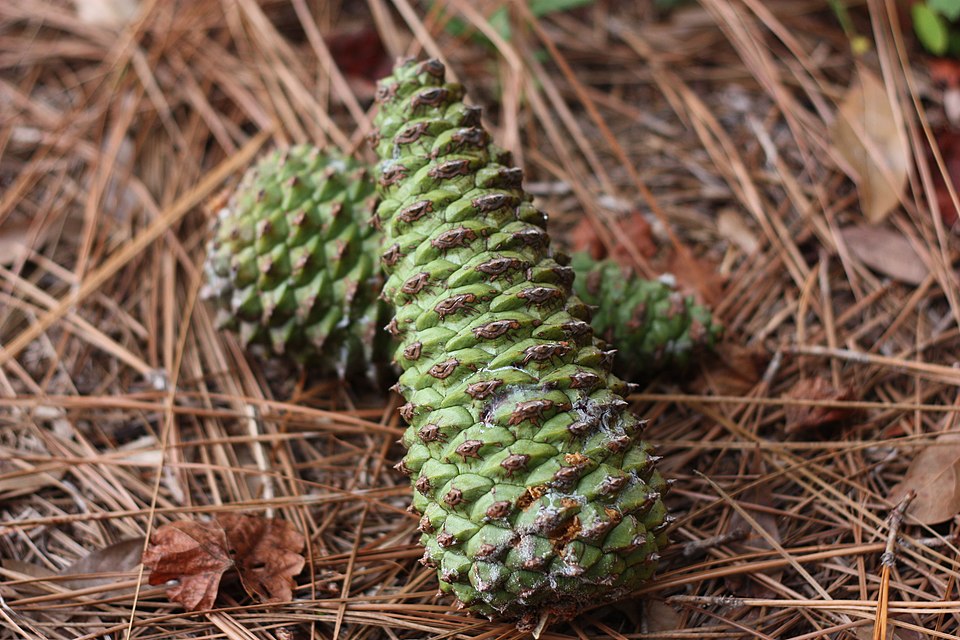
Marcus Q on Flickr (www.flickr.com)
Taxonomy
- Division:
- Coniferophyta | - Conifers
- Family:
- Pinaceae
- Genus:
- Pinus
- Species:
- Pinus taeda
- USDA Symbol:
- PITA
Growth Characteristics
- Life Cycle:
- Perennial
- Growth Habit:
- Tree
- Height:
- 4572 cm
- Light Requirements:
- Part Shade
- Drought Tolerance:
- Medium
Wildlife Benefits
- Bees:
- ★☆☆☆☆ Documented bee visitation (GBIF)
- Butterflies & Moths:
- ★★★★★ Documented Lepidoptera association (GBIF)
- Caterpillars:
- ★★★☆☆ Recorded caterpillar host plant (HOSTS Database)
- Hummingbirds:
- ★☆☆☆☆ Documented hummingbird visits (GBIF)
Keystone Species Ranking
- Caterpillar Keystone:
- ★★★★★ Butterfly & moth species supported by this genus (NWF)
Host Plant for Caterpillars
Battaristis vittella, Cacao moth (Cydia erotella), Cydia ingens, Dioryctria pygmaeella, Dioryctria taedae, Dioryctria taedivorella, Eucosma nr. caecana, European pine shoot moth (Rhyacionia buoliana), Imperial Moth (Eacles imperialis), Melanocinclis lineigera, Nantucket pine tip moth (Rhyacionia frustrana), Petrova comstockiana, pitch pine tip moth (Rhyacionia rigidana), Pococera melanogrammos, Rhyacionia aktita, Shortleaf Pinecone Borer (Eucosma cocana), southern nepytia (Nepytia semiclusaria), Southern pine coneworm moth (Dioryctria amatella), Southern pine sphinx (Lapara coniferarum), Subtropical Pine Tip Moth (Rhyacionia subtropica), Variable Climbing Cutworm (Xestia elimata), webbing coneworm moth (Dioryctria disclusa), Eastern Tailed-Blue (Incisalia niphon)
Reported Fauna Sightings
Hummingbirds: Ruby-throated Hummingbird (Archilochus colubris) Moths:Imperial Moth (Eacles imperialis), Southern pine sphinx (Lapara coniferarum)
Garden & Ecology Notes
- Wildlife Value:
- birds, small mammals
- Fire Ecology:
- Fire adapted — tolerates or benefits from fire
- Fire Notes:
- Thick bark provides some fire resistance; seedlings establish well after fire in mineral soil.
Soil Requirements
- Soil Type:
- sandy, acidic, nutrient-poor soil
- pH:
- 4.5 - 6.5 (acidic to slightly acidic)
- Drainage:
- excellent drainage required
- Moisture:
- dry to moderate
- Notes:
- Commonly found in the southeastern United States, thrives in poor, sandy soils.
Propagation & Germination
- Stratification:
- Cold/moist stratification required — 30–60 days
- Germination Time:
- 14–28 days
- Notes:
- Seeds benefit from cold stratification for 30-60 days to break dormancy; sow in spring.
Pre-treatment: Seeds are cold stratified for 60 days
Source: npn.rngr.net
Where to Buy
Nationwide Seller
- Sheffield's Seed (seeds)
- Native Plants Nursery (nursery)