
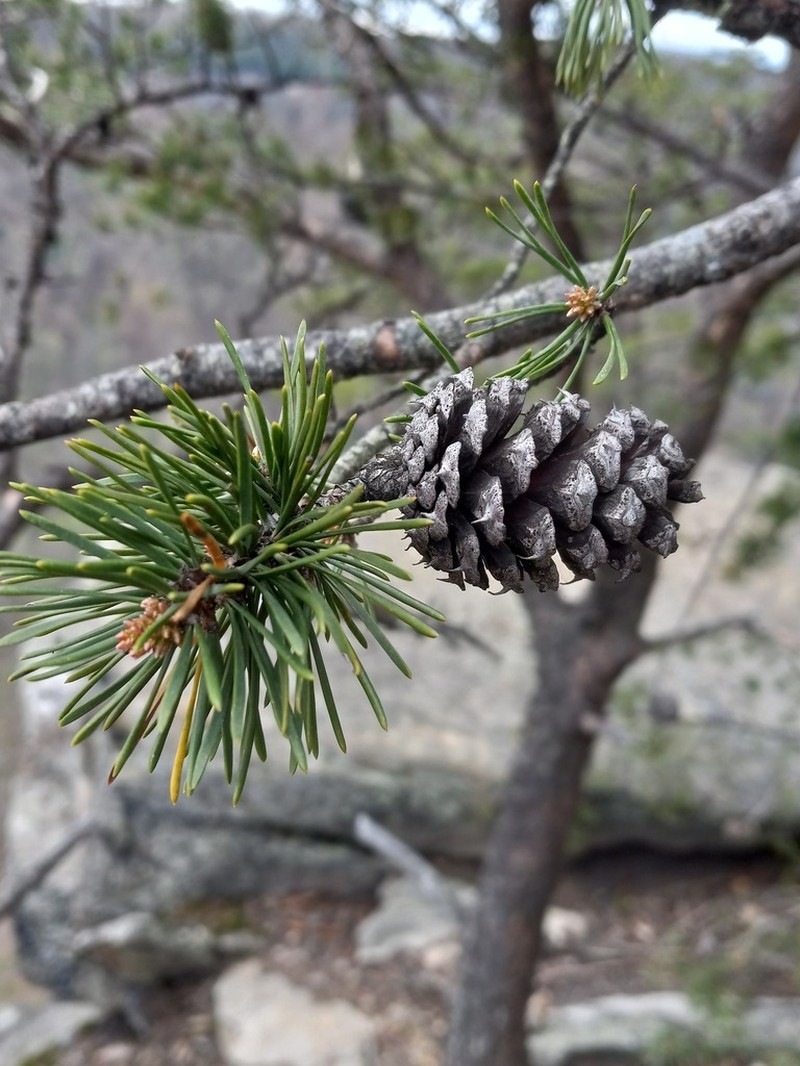
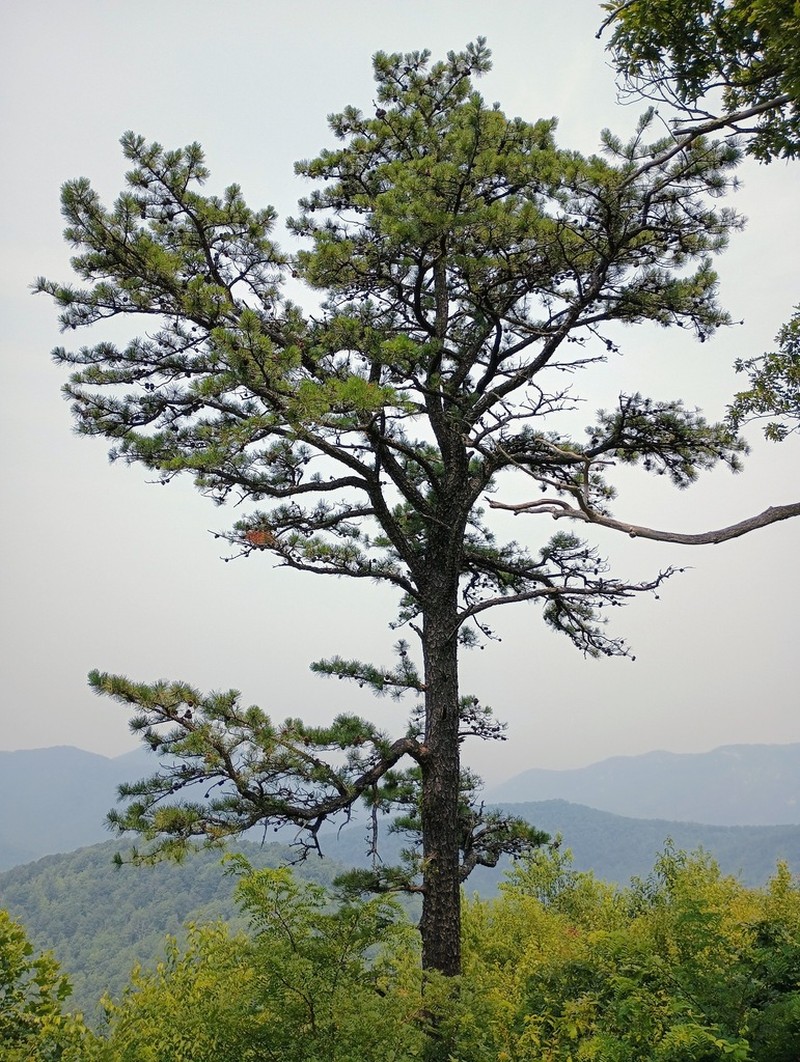
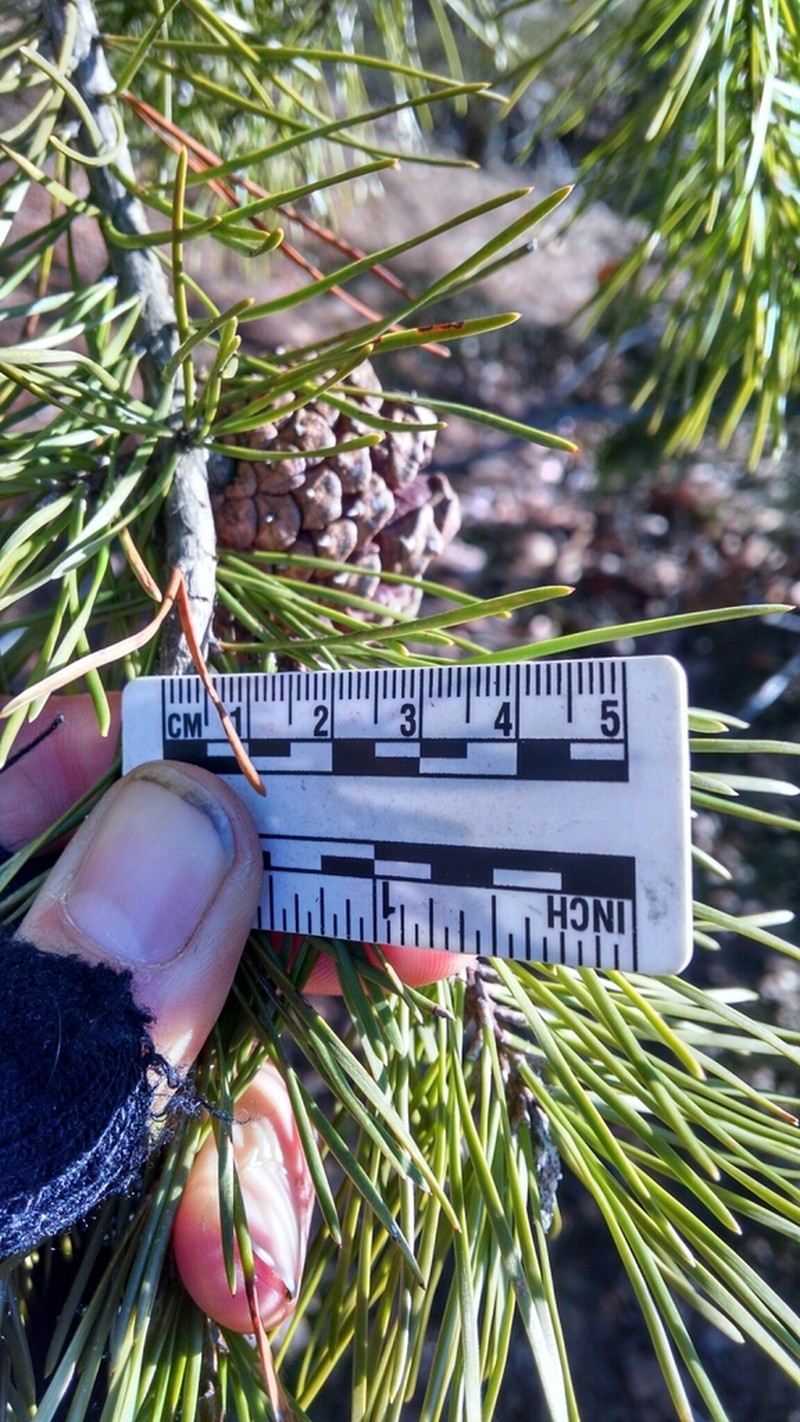
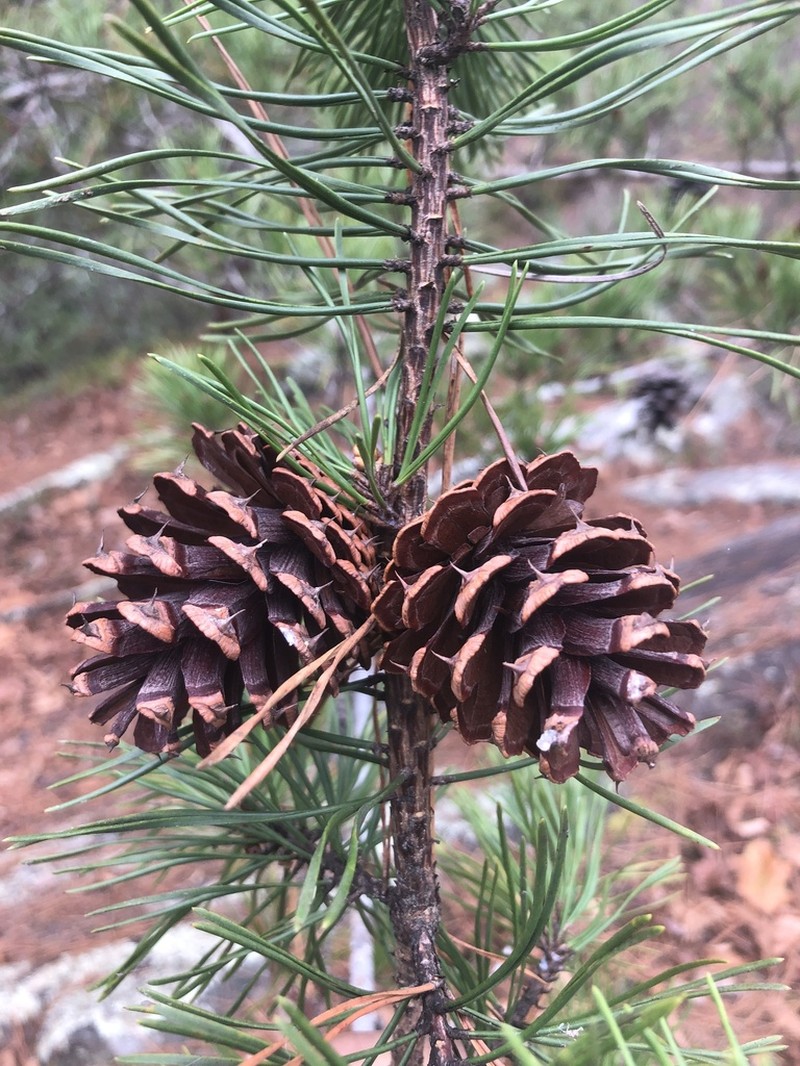
Virginia Pine
Pinus virginiana
- Native to:
- United States, Virgin Islands
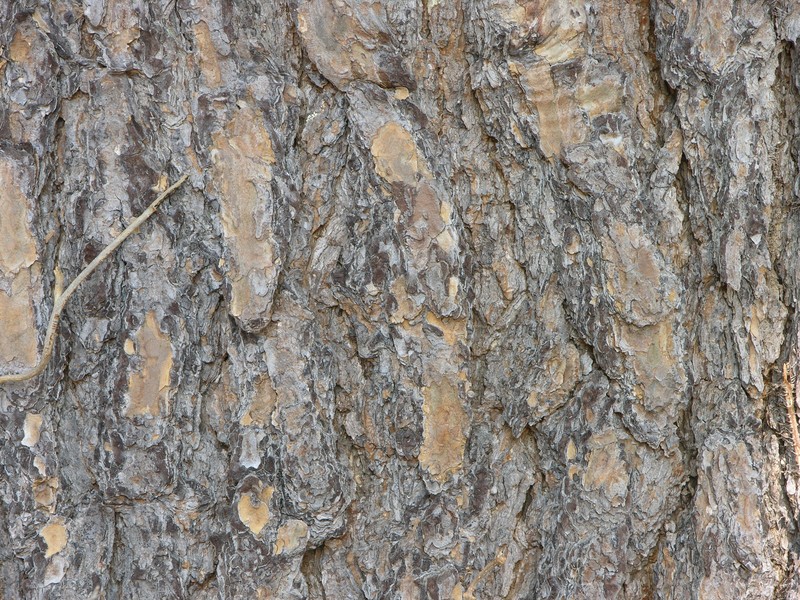
Photo (c)2007 Derek Ramsey ( Ram-Man (en.wikipedia.org) )
Taxonomy
- Division:
- Coniferophyta | - Conifers
- Family:
- Pinaceae
- Genus:
- Pinus
- Species:
- Pinus virginiana
- USDA Symbol:
- PIVI2
Growth Characteristics
- Life Cycle:
- Perennial
- Growth Habit:
- Tree
- Height:
- 1800 cm
- Light Requirements:
- Full Sun
- Drought Tolerance:
- High
Wildlife Benefits
- Butterflies & Moths:
- ★★★★★ Documented Lepidoptera association (GBIF)
- Caterpillars:
- ★★★☆☆ Recorded caterpillar host plant (HOSTS Database)
Keystone Species Ranking
- Caterpillar Keystone:
- ★★★★★ Butterfly & moth species supported by this genus (NWF)
Host Plant for Caterpillars
Bethune's zale (Zale bethunei), Choristoneura maritima, Choristoneura sp., Cydia toreuta, Eucosma tocullionana, European pine shoot moth (Rhyacionia buoliana), Hypagyrtis esther, Manto Tussock Moth (Dasychira manto), Nantucket pine tip moth (Rhyacionia frustrana), One-spotted variant moth (Hypagyrtis unipunctata), Petrova wenzeli, pine needleminer (Exoteleia pinifoliella), Pine Tussock Moth (Dasychira pinicola), pitch pine tip moth (Rhyacionia rigidana), Red pinecone borer (Eucosma monitorana), Semiothisa bicolorata, Semiothisa distribuaria, Semiothisa granitata, Southern pine sphinx (Lapara coniferarum), Zale metatoides, Eastern Tailed-Blue (Incisalia niphon)
Garden & Ecology Notes
- Wildlife Value:
- birds, small mammals
- Fire Ecology:
- Fire adapted — tolerates or benefits from fire
- Fire Notes:
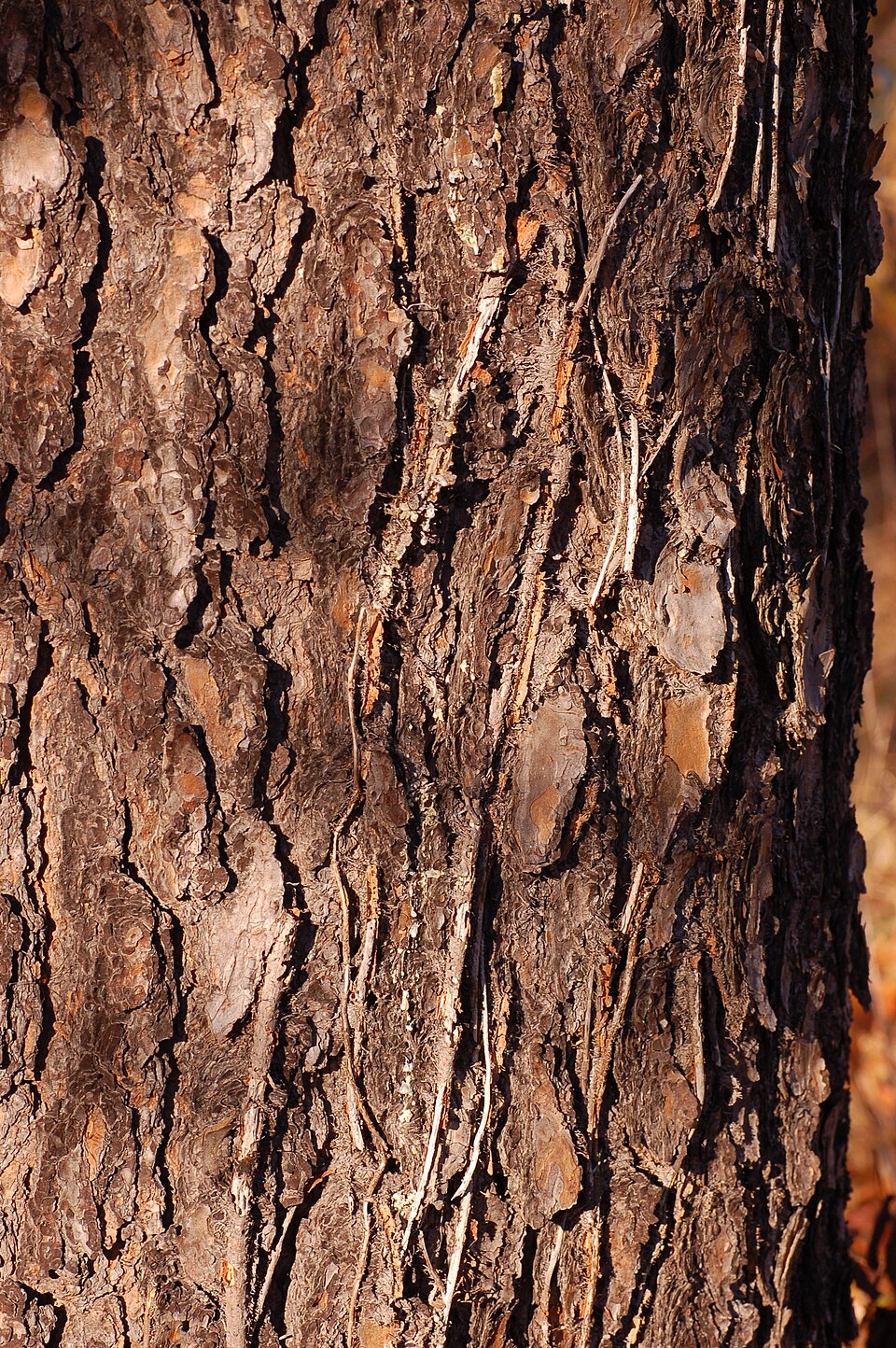
- Thick bark provides some fire resistance; serotinous cones are not typical but seeds can germinate well after fire.
Soil Requirements
- Soil Type:
- sandy, acidic, nutrient-poor soil
- pH:
- 4.5 - 6.0 (acidic to slightly acidic)
- Drainage:
- excellent drainage required
- Moisture:
- dry to moderate
- Notes:
- thrives in poor, rocky soils; common in disturbed areas
Propagation & Germination
- Stratification:
- Cold/moist stratification required — 30–60 days
- Germination Time:
- 14–30 days
- Notes:
- Seeds benefit from cold stratification for 30-60 days to break dormancy; sow in well-drained soil.
Pre-treatment: Seeds are soaked in water for 1 week prior to planting or placed under mist for 1 week. Seeds are then sown in the fall in outdoor nursery beds to allow natural stratification to occur.
Establishment: Cones for propagation are collected from mid-September to late-October in GRSM; late September to late November in CUGA and early November in Shenandoah. The general distribution of P. virginiana is from southern New York to southern Indiana, south to Georgia and Alabama, found in dry or sterile soil, especially in abandoned fields.
Source: npn.rngr.net
Where to Buy
Nationwide Seller
- Sheffield's Seed (seeds)