
Eastern Hemlock
Tsuga canadensis
- Native to:
- Canada, Prince Edward I., United States, Virgin Islands
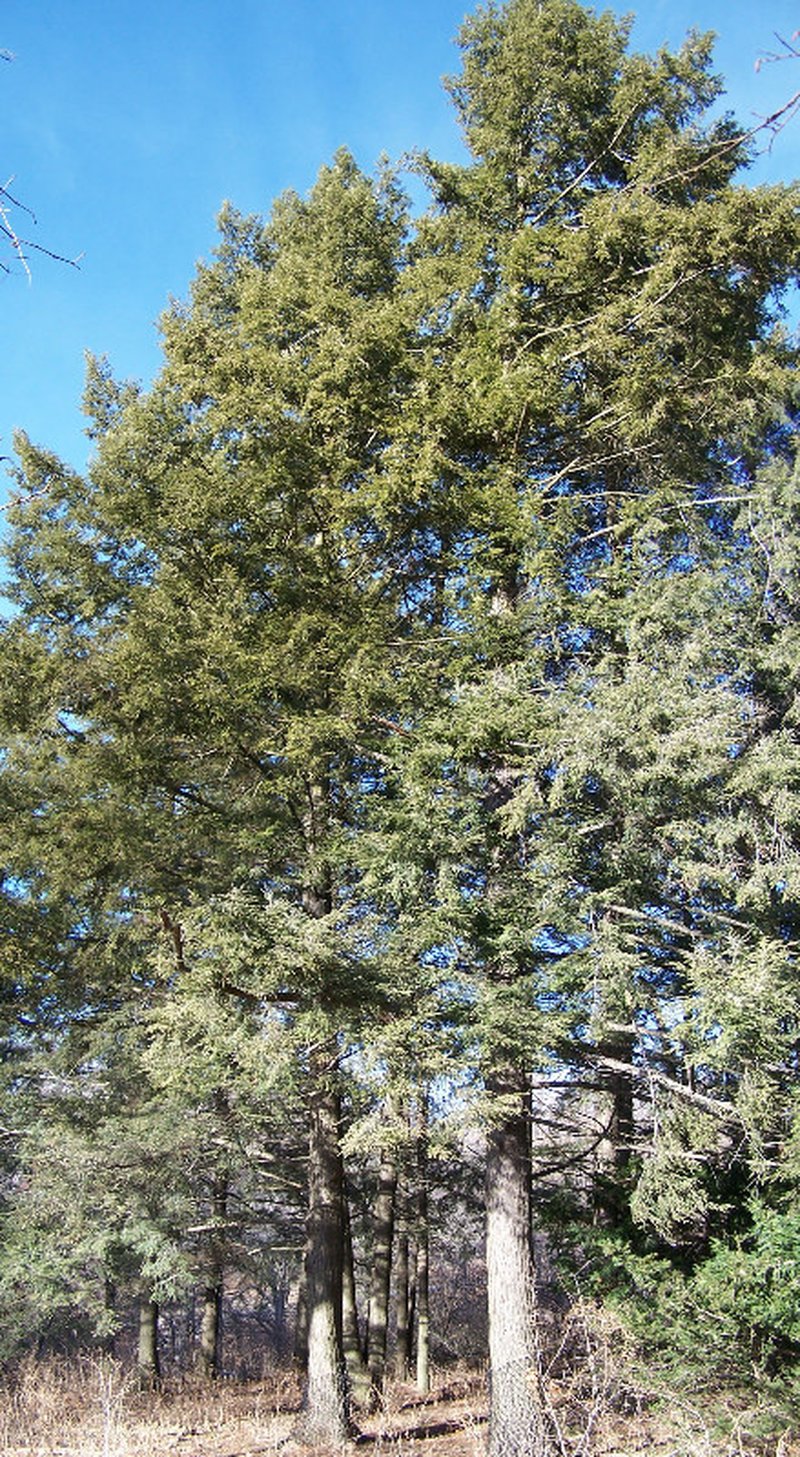
Henryhartley (en.wikipedia.org)
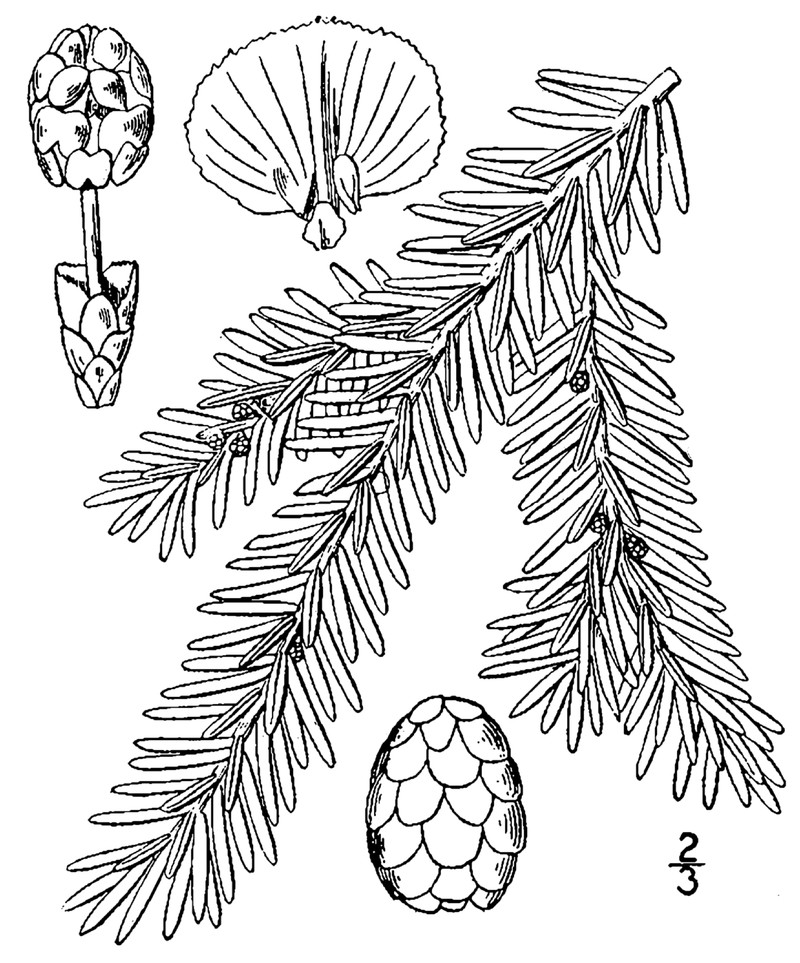
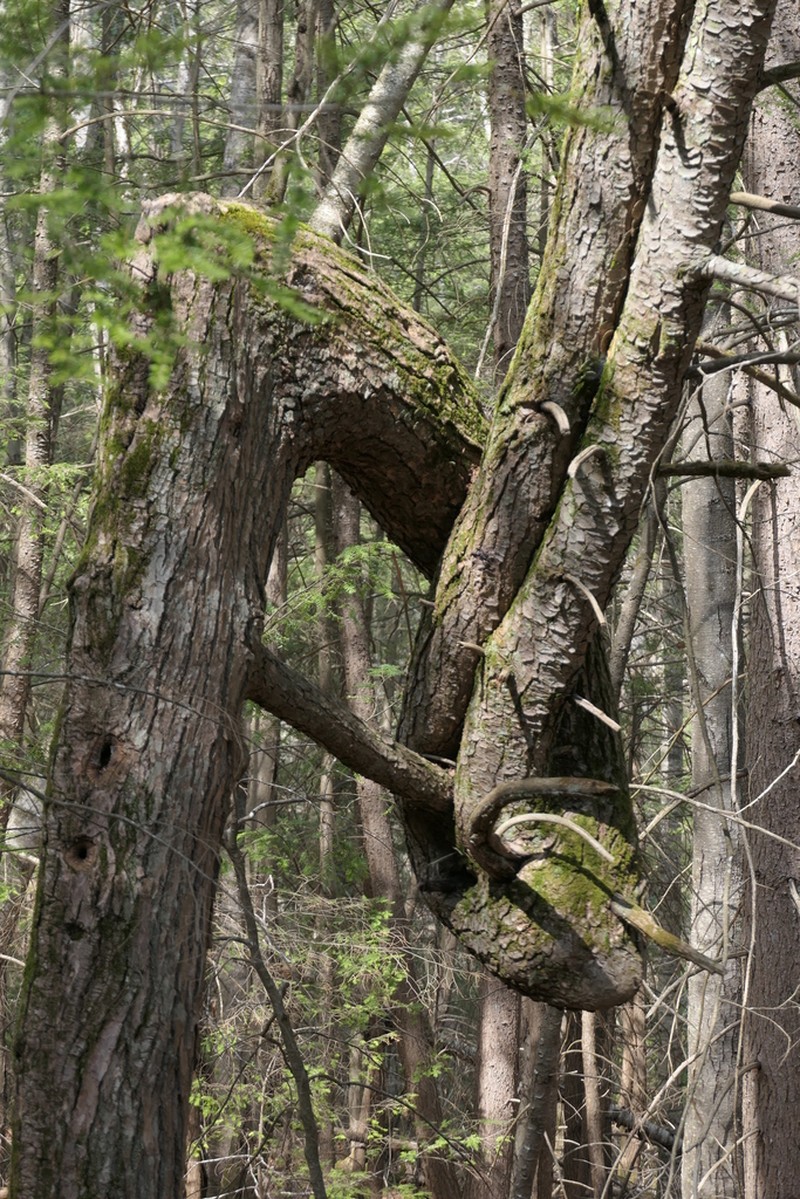
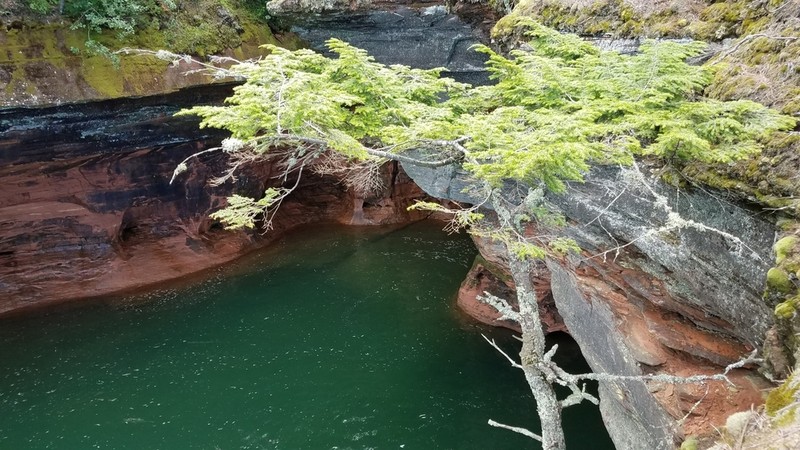
Taxonomy
- Division:
- Coniferophyta | - Conifers
- Family:
- Pinaceae
- Genus:
- Tsuga
- Species:
- Tsuga canadensis
- USDA Symbol:
- TSCA
Growth Characteristics
- Life Cycle:
- Perennial
- Growth Habit:
- Tree
- Height:
- 3000 cm
- Light Requirements:
- Part Shade,Shade
- Drought Tolerance:
- Low
Wildlife Benefits
- Butterflies & Moths:
- ★★★★★ Documented Lepidoptera association (GBIF)
- Caterpillars:
- ★★★★☆ Recorded caterpillar host plant (HOSTS Database)
Keystone Species Ranking
- Caterpillar Keystone:
- ★★★★★ Butterfly & moth species supported by this genus (NWF)
Host Plant for Caterpillars
Black zigzag (Panthea acronyctoides), Canadian Melanolophia (Melanolophia canadaria), Cecropia moth (Hyalophora cecropia), Chloropteryx tepperaria, Coleotechnites apicitripunctella, Coleotechnites macleodi, Columbia silk moth (Hyalophora columbia), Curve-lined looper (Lambdina fervidaria), Dasychira grisefacta, Eastern blackheaded budworm (Acleris variana), Eastern spruce budworm (Choristoneura fumiferana), Engrailed (Ectropis crepuscularia), Eucosma tocullionana, Eupithecia annulata, Eupithecia filmata, Eupithecia luteata, Eupithecia palpata, False hemlock looper (Nepytia canosaria), Flame Carpet (Xanthorhoe designata), four-spotted fungus moth (Metalectra quadrisignata), Gypsy moth (Lymantria dispar), Imperial Moth (Eacles imperialis), Jocose Sallow (Feralia jocosa), Larch Pug (Eupithecia lariciata), Larch Tolype (Tolype laricis), Marathyssa basalis, mottled gray carpet moth (Cladara limitaria), Mournful Thorn (Lambdina fiscellaria), Nameless Pinion (Lithophane innominata), Northern Pine Tussock Moth (Dasychira plagiata), orange tortrix moth (Argyrotaenia citrana), Pine Hypagyrtis Moth (Hypagyrtis piniata), Porcelain Gray (Protoboarmia porcelaria), powdered eufidonia (Eufidonia notataria), Ruby Quaker (Orthosia rubescens), Semiothisa fissinotata, Semiothisa granitata, southern nepytia (Nepytia semiclusaria), tawny brown carpet moth (Anacamptodes ephyraria), Variable Carpet Moth (Anticlea vasiliata), Variable Climbing Cutworm (Xestia elimata), Variegated cutworm (Peridroma saucia), variegated midget (Elaphria versicolor), white slant-line (Tetracis cachexiata), white-fringed emerald (Nemoria mimosaria), Xestia praevia
Reported Fauna Sightings
Moths:Argyresthia calliphanes, Gluphisia septentrionis, Gypsy moth (Lymantria dispar), Hypena edictalis, Macaria pustularia, Olethreutes nigranum, white-striped black (Trichodezia albovittata), Zanclognatha laevigata
Garden & Ecology Notes
- Wildlife Value:
- birds, small mammals
- Fire Notes:
- Thin bark and shallow roots make it highly susceptible to fire; fire can kill mature trees.
Soil Requirements
- Soil Type:
- rich, well-drained loamy soil
- pH:
- 4.5 - 6.0 (acidic to slightly acidic)
- Drainage:
- tolerates poor drainage
- Moisture:
- consistently moist
- Notes:
- Prefers cool, shaded environments
Propagation & Germination
- Stratification:
- Cold/moist stratification required — 60–90 days
- Germination Time:
- 30–60 days
- Notes:
- Seeds require cold stratification; sow in fall or stratify for 60-90 days at 1-5°C.
Pre-treatment: Seeds are placed in cold moist stratification for 0 to 120 days.
Source: npn.rngr.net
Where to Buy
Nationwide Seller
- Sheffield's Seed (seeds)