
Pacific Yew
Taxus brevifolia
- Native to:
- Canada, United States
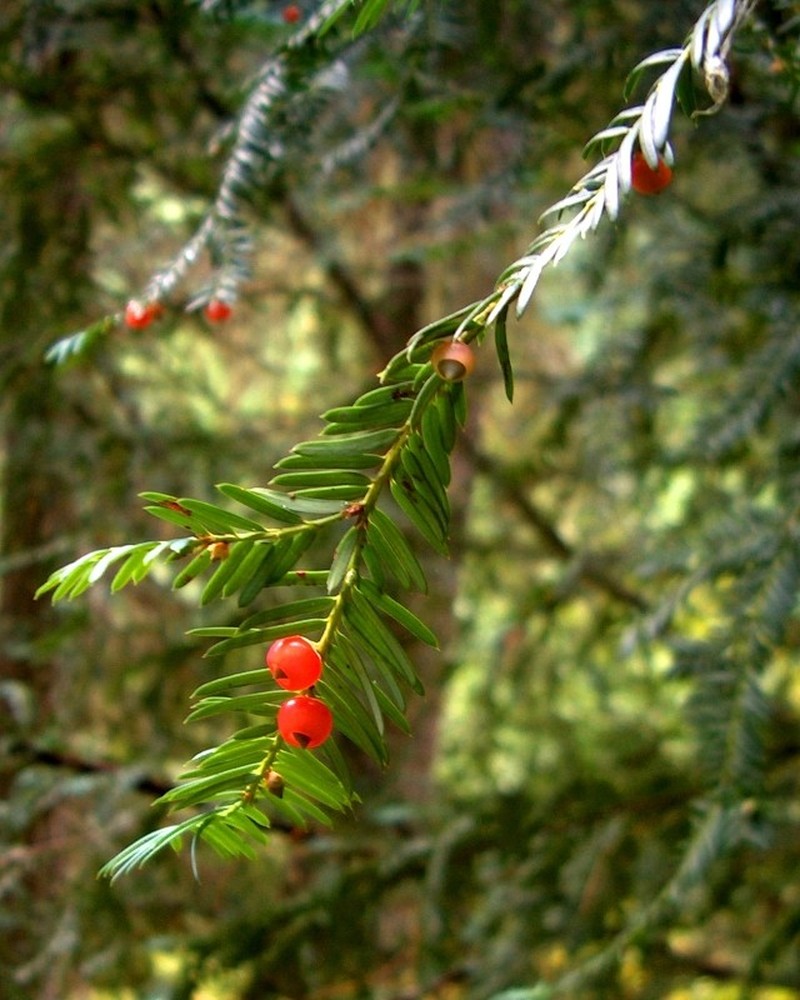
Jason Hollinger (www.flickr.com)
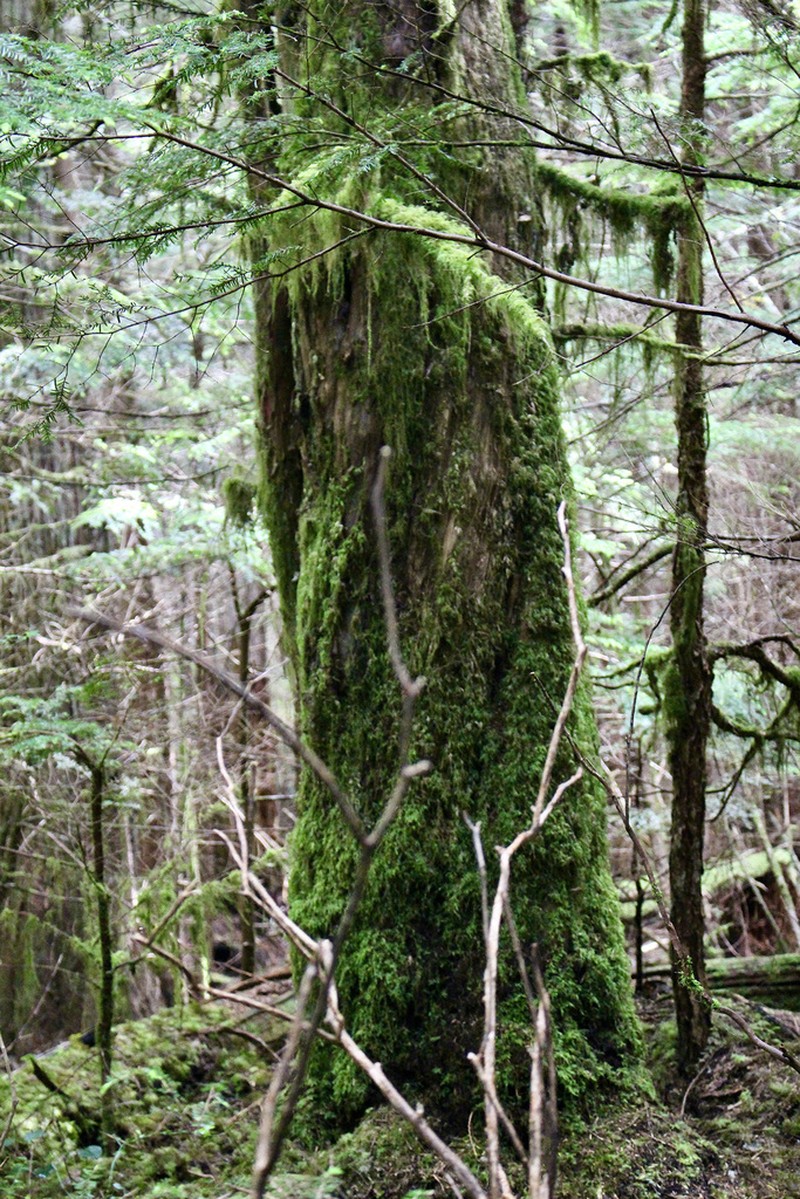
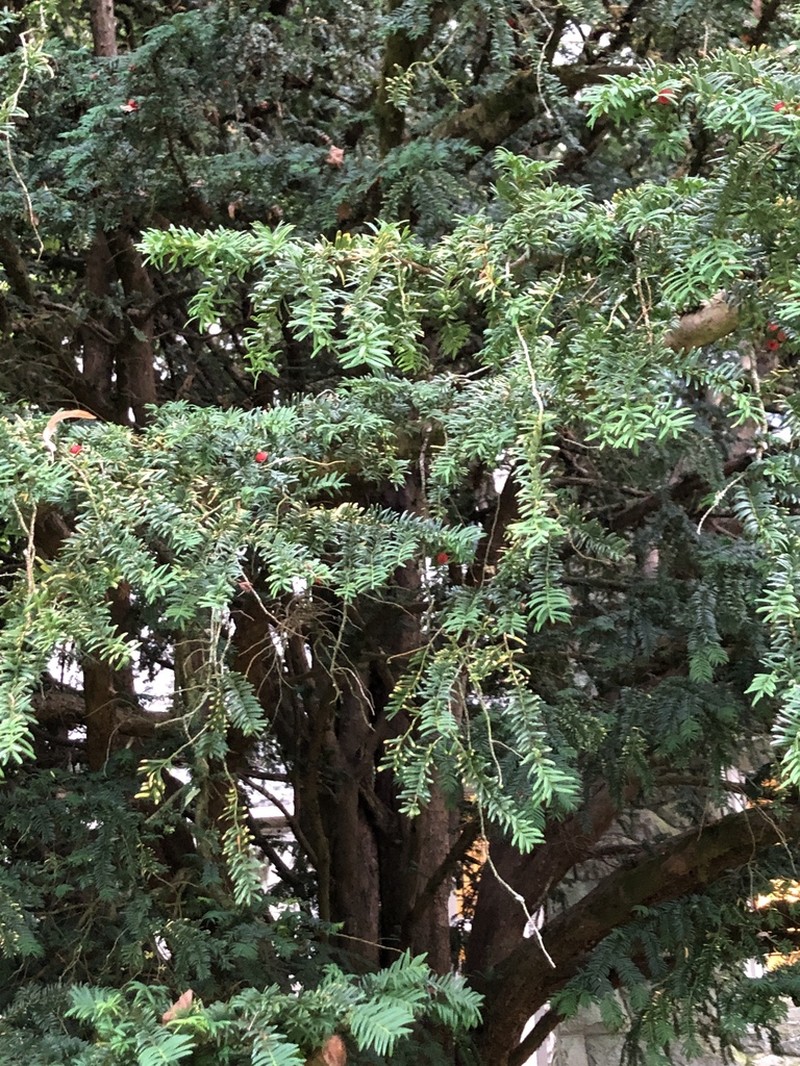
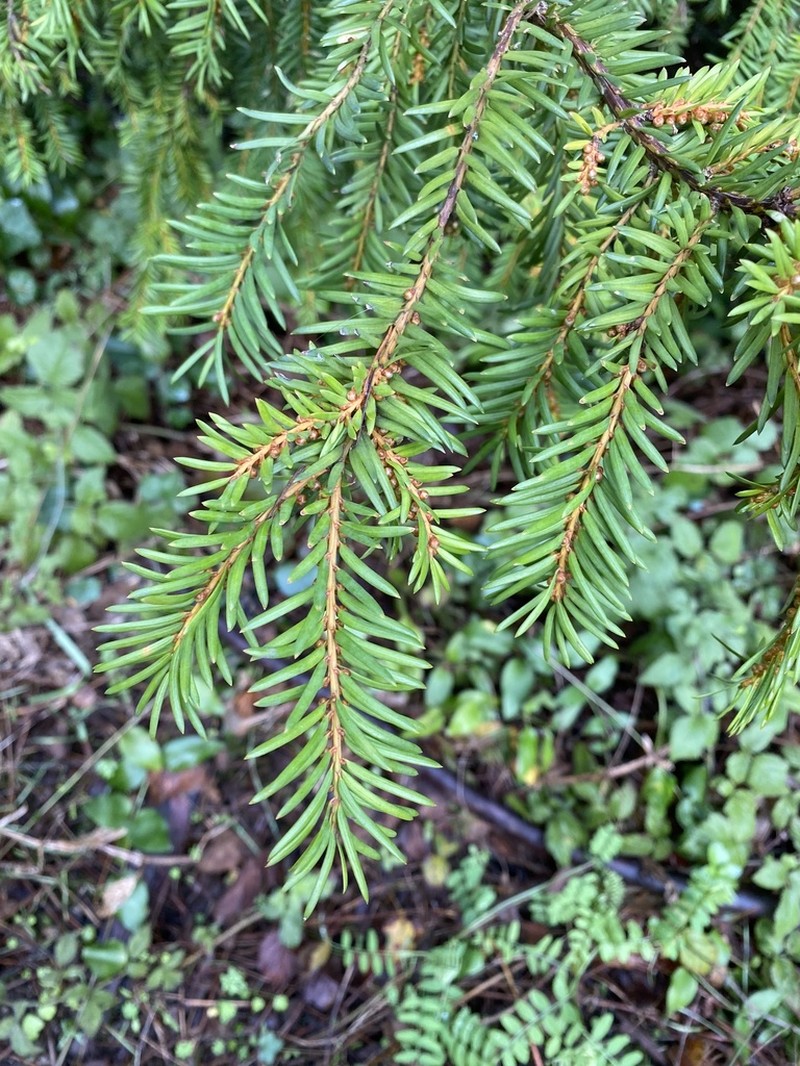
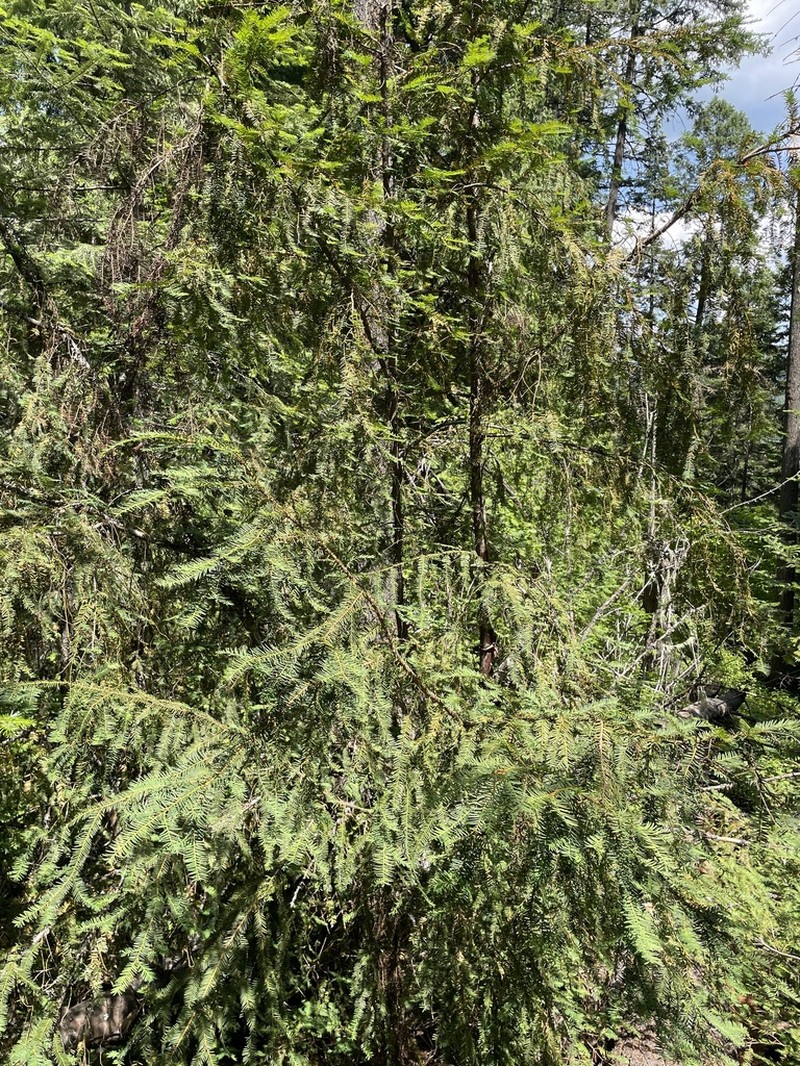
Taxonomy
- Division:
- Coniferophyta | - Conifers
- Family:
- Taxaceae
- Genus:
- Taxus
- Species:
- Taxus brevifolia
- USDA Symbol:
- TABR2
Growth Characteristics
- Life Cycle:
- Perennial
- Growth Habit:
- Tree
- Height:
- 1500 cm
- Light Requirements:
- Full Sun,Part Shade,Shade
- Drought Tolerance:
- Medium
- Evergreen Shrub:
- Yes
- Landscaping Shrub:
- Yes
Wildlife Benefits
- Hummingbirds:
- ★☆☆☆☆ Documented hummingbird visits (GBIF)
Keystone Species Ranking
- Caterpillar Keystone:
- ★☆☆☆☆ Butterfly & moth species supported by this genus (NWF)
Reported Fauna Sightings
Hummingbirds: Calliope Hummingbird (Selasphorus calliope)
Garden & Ecology Notes
- Wildlife Value:
- birds, small mammals
- Deer Resistant:
- Yes
Soil Requirements
- Soil Type:
- rich, well-drained loamy soil
- pH:
- 5.0 - 7.0 (slightly acidic to neutral)
- Drainage:
- excellent drainage required
- Moisture:
- consistently moist
- Notes:
- prefers forest understory conditions
Propagation & Germination
- Stratification:
- Cold/moist stratification required — 90–120 days
- Germination Time:
- 30–90 days
- Notes:
- Seeds require cold stratification for 3-4 months; germination is slow and erratic.
Pre-treatment: Semi-hardwood stem cuttings with a base of 2nd year wood. Cuttings are 12 cm in length and 8 mm in diameter. 1/3 of leaves are removed and cuttings are treated with 8000 ppm liquid IBA.
Establishment: Cuttings are collected in mid-May just after leafbud break. Roots averaged 9 centimeters in length when removed from mistbed 5 months after treatment. T. brevifolia occurs in moist forests, from Alaska to Sierran California, east to eastern B.C., Idaho, and northwest Montana.
Source: npn.rngr.net
ORGHPS Germination Guide: Sow @ 20C for 3 months, then place @ 4C for 3 months.
Where to Buy
Nationwide Seller
- Sheffield's Seed (seeds)