
Nevada Jointfir
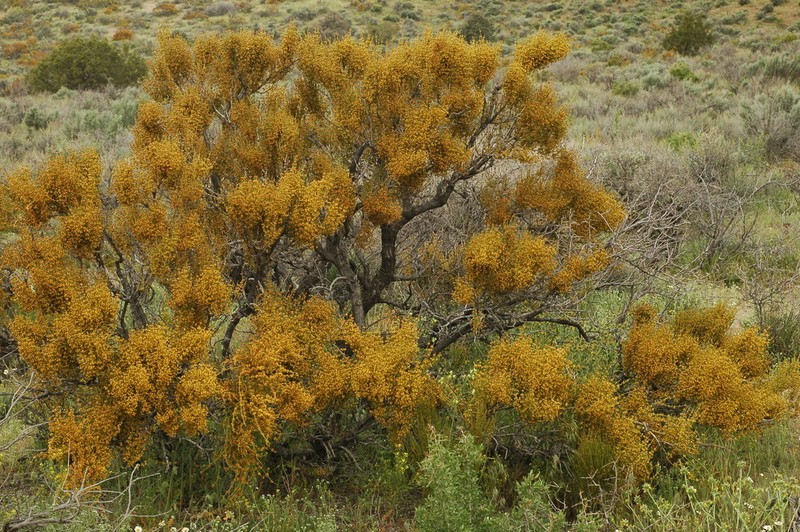
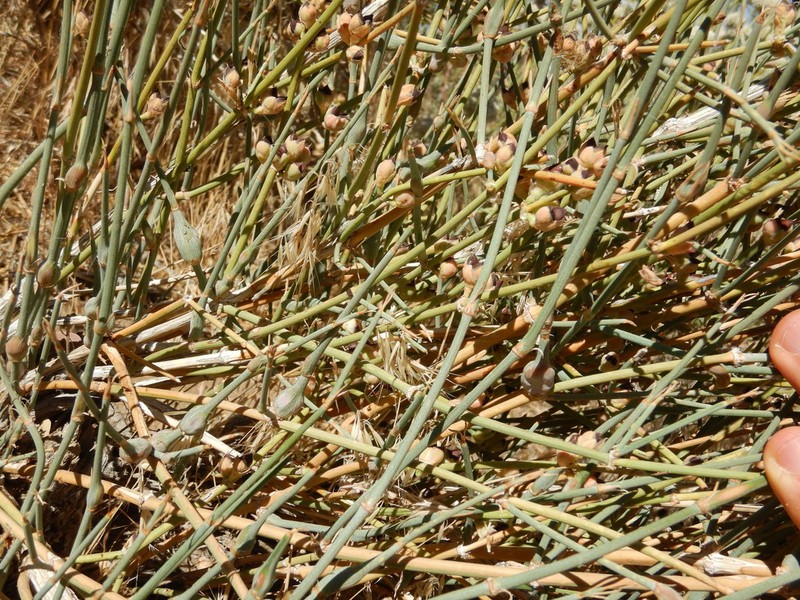
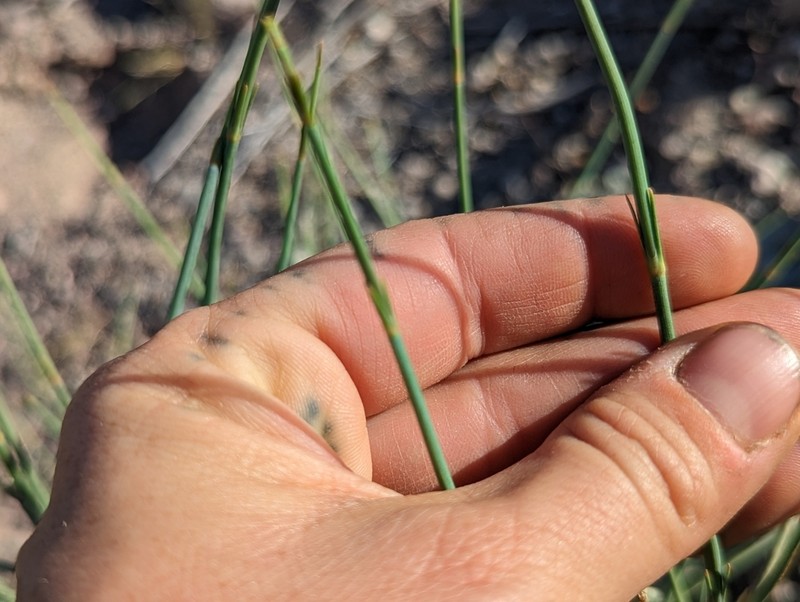
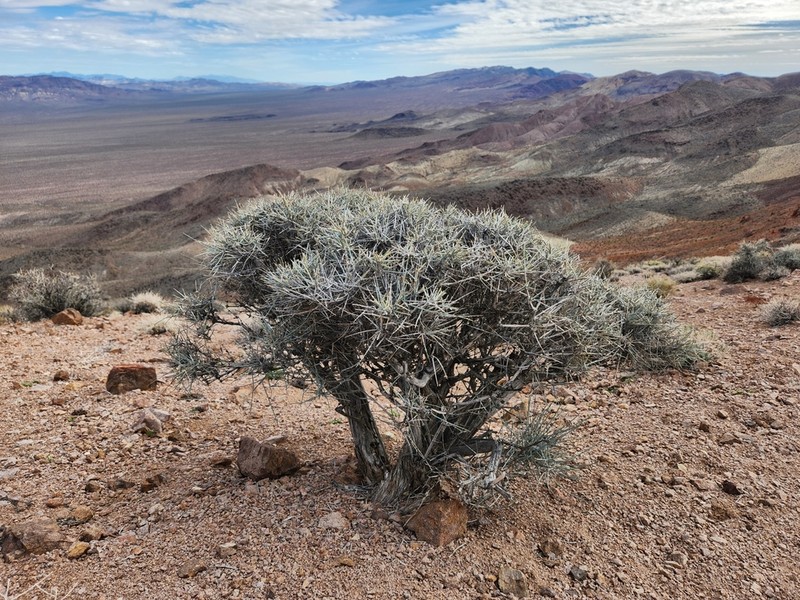
Ephedra nevadensis
- Native to:
- Mexico, United States
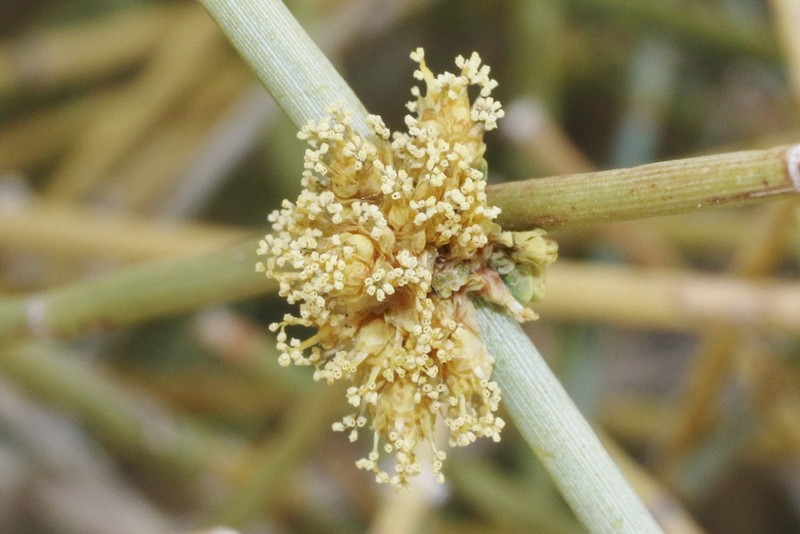
iNaturalist: © silversea_starsong (iNaturalist #124923430)
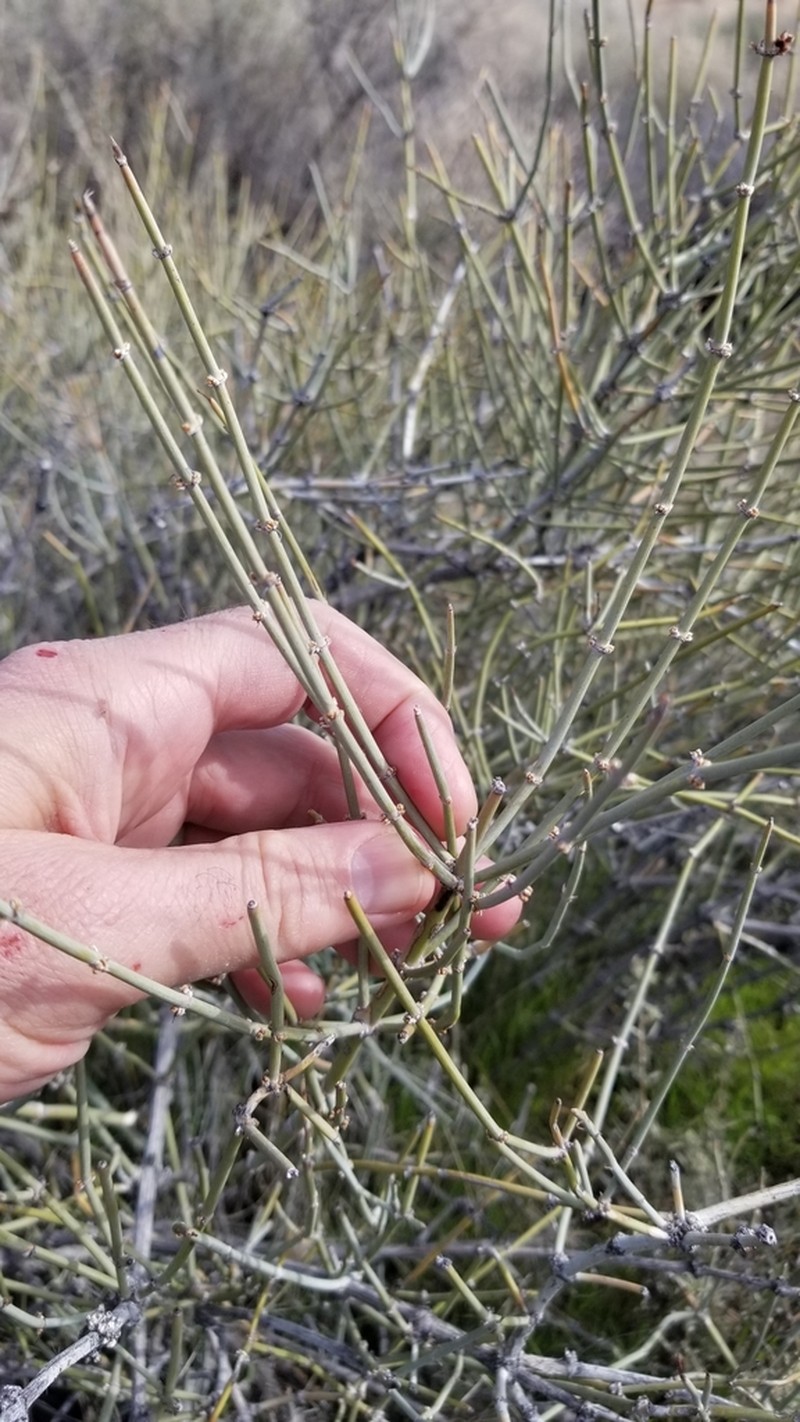
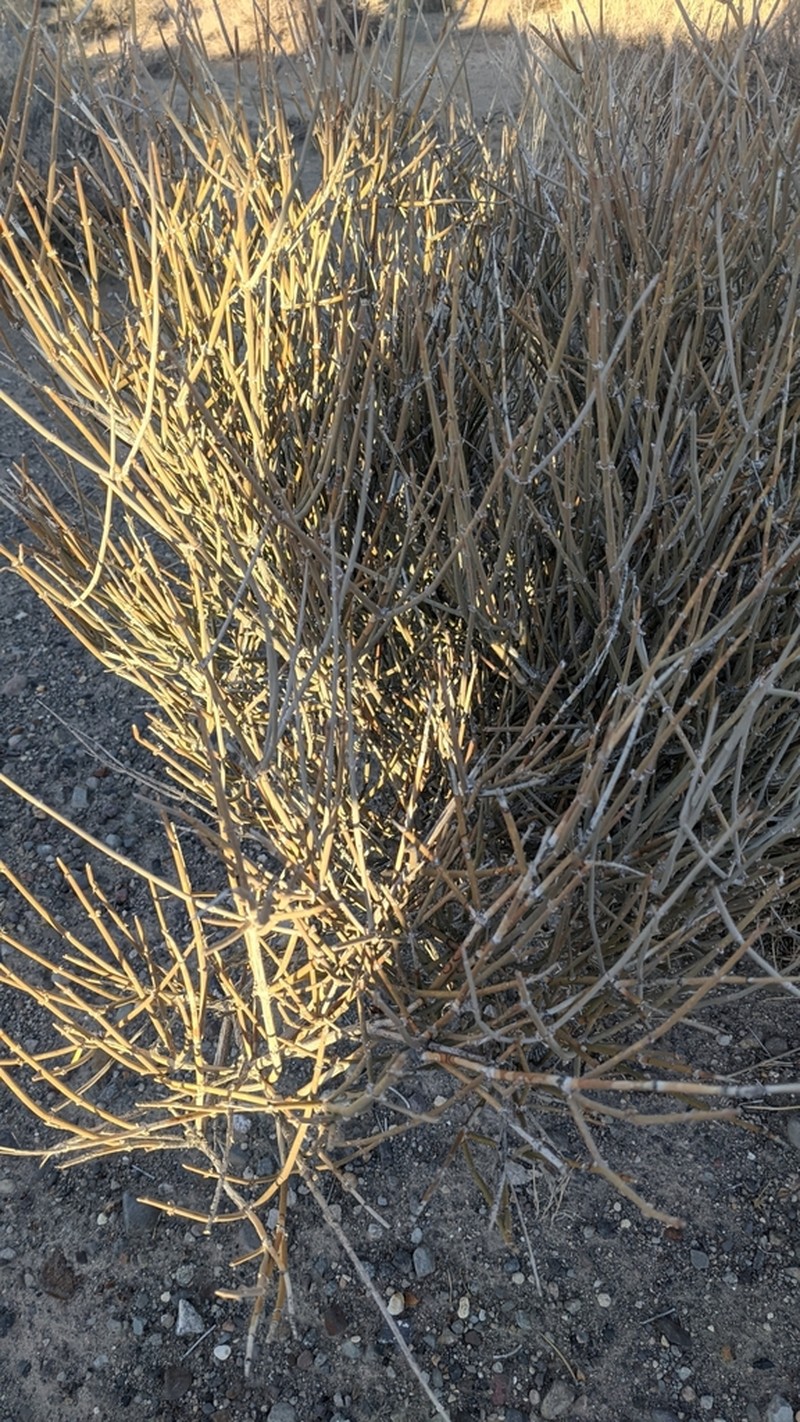
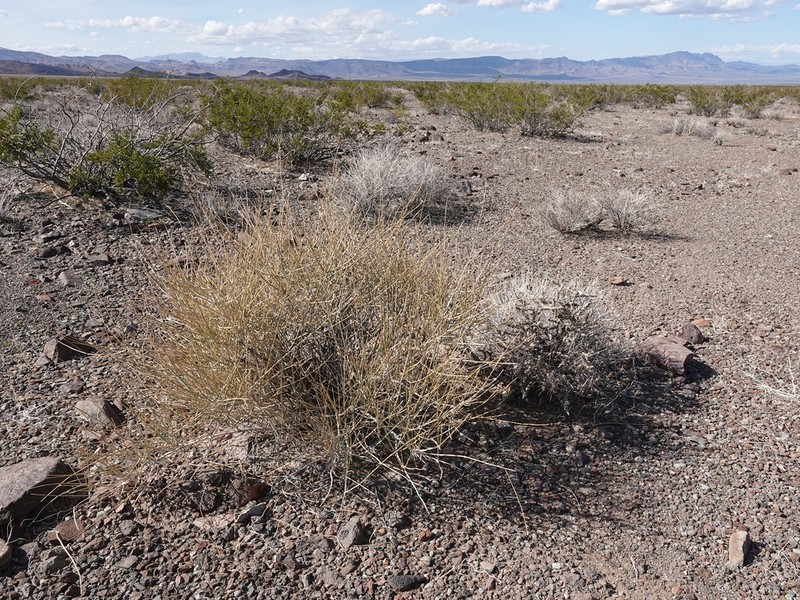
Taxonomy
- Division:
- Gnetophyta | - Mormon tea and other gnetophytes
- Family:
- Ephedraceae
- Genus:
- Ephedra
- Species:
- Ephedra nevadensis
- USDA Symbol:
- EPNE
Growth Characteristics
- Life Cycle:
- Perennial
- Growth Habit:
- Shrub , Subshrub
- Height:
- 150 cm
- Light Requirements:
- Full Sun
- Drought Tolerance:
- High
- Bloom Months:
- mar,apr,may
- Bloom Colors:
- yellow-green
- Evergreen Shrub:
- Yes
- Landscaping Shrub:
- Yes
Wildlife Benefits
- Caterpillars:
- ★☆☆☆☆ Recorded caterpillar host plant (HOSTS Database)
Host Plant for Caterpillars
Hemileuca chinatiensis
Garden & Ecology Notes
- Wildlife Value:
- birds, small mammals
- Deer Resistant:
- Yes
- Salt Tolerant:
- Yes
Soil Requirements
- Soil Type:
- dry, sandy, well-drained soil
- pH:
- 6.0 - 8.0 (neutral to slightly alkaline)
- Drainage:
- excellent drainage required
- Moisture:
- dry to moderate
- Notes:
- thrives in arid desert conditions
Propagation & Germination
- Stratification:
- Cold/moist stratification required — 30–60 days
- Germination Time:
- 14–30 days
- Notes:
- Seeds benefit from cold stratification for 4-8 weeks to break dormancy.
Pre-treatment: Seeds are placed in cold stratification. Seeds are also soaked in a 1:4 bleach/water solution for 1 to 3 hours, then leached overnight to remove any inhibitors and to allow full imbibition of seeds prior to sowing.
Establishment: Seeds are collected in late spring. E. nevadensis is found from Oregon and Nevada south to California and Arizona, and is common on dry hills and slopes mostly below 4500 ft elevation from Arizona and Utah to Owens Valley, California. The length of the establishment phase is 4 weeks.
Source: npn.rngr.net
Where to Buy
Nationwide Seller
- Sheffield's Seed (seeds)