
Sweetgum
Liquidambar styraciflua
- Native to:
- Belize, El Salvador, Guam, Guatemala, Honduras, Mexico, Nicaragua, United States
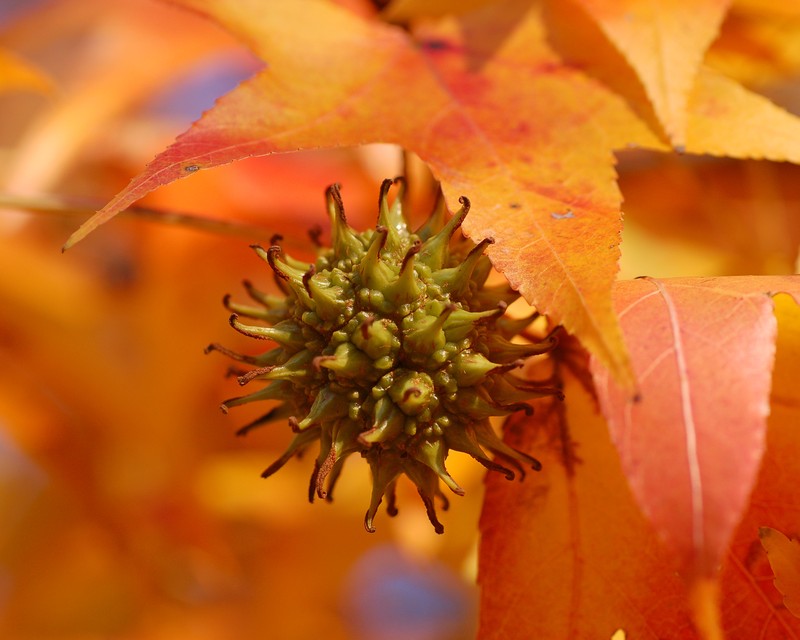
Daderot
Taxonomy
- Division:
- Magnoliophyta | - Flowering plants
- Family:
- Altingiaceae
- Genus:
- Liquidambar
- Species:
- Liquidambar styraciflua
- USDA Symbol:
- LIST2
Growth Characteristics
- Life Cycle:
- Perennial
- Growth Habit:
- Tree
- Height:
- 4572 cm
- Light Requirements:
- Part Shade
- Drought Tolerance:
- Medium
- Bloom Months:
- mar,apr,may
- Bloom Colors:
- greenish-yellow
Wildlife Benefits
- Bees:
- ★☆☆☆☆ Documented bee visitation (GBIF)
- Butterflies & Moths:
- ★★★★☆ Documented Lepidoptera association (GBIF)
- Caterpillars:
- ★★★★☆ Recorded caterpillar host plant (HOSTS Database)
- Hummingbirds:
- ★☆☆☆☆ Documented hummingbird visits (GBIF)
Keystone Species Ranking
- Caterpillar Keystone:
- ★★★☆☆ Butterfly & moth species supported by this genus (NWF)
Host Plant for Caterpillars
Abbot's Bagworm Moth (Oiketicus abbotii), Acrobasis sp., Ailanthus silkmoth (Samia cynthia), American plum borer (Euzophera semifuneralis), Banded Tussock Moth (Halysidota tessellaris), Ceanothus Silkmoth (Hyalophora euryalus), Cecropia moth (Hyalophora cecropia), Ceratonyx satanaria, Coleotechnites vagatioella, Copper Underwing (Amphipyra pyramidoides), Dasychira atrivenosa, Eastern Tent Caterpillar (Malacosoma americana), elf emerald (Nemoria elfa), Fall webworm (Hyphantria cunea), Forest Tent Caterpillar (Malacosoma disstria), Gluphisia septentrionis, grape tube moth (Nephopterix uvinella), Imperial Moth (Eacles imperialis), Io moth (Automeris io), Large Paectes Moth (Paectes abrostoloides), Leopard moth (Zeuzera pyrina), Luna moth (Actias luna), Maple spanworm (Ennomos magnaria), Nemoria saturiba, Oslar's eacles (Eacles oslari), Paectes delineata, Paectes pygmaea, Phyllocnistis liquidambarisella, Promethea silkmoth (Callosamia promethea), Red-humped caterpillar moth (Schizura concinna), Regal Moth (Citheronia regalis), saucereye silkmoth (Callosamia securifera), Splendid Royal Moth (Citheronia splendens), Walker’s Atlas Moth (Samia walkeri), white-marked tussock moth (Dasychira leucophaea), White-marked Tussock Moth (Orgyia leucostigma), King's hairstreak (Satyrium kingi), Striped Hairstreak (Satyrium liparops)
Reported Fauna Sightings
Moths:Fall webworm (Hyphantria cunea), Luna moth (Actias luna), Phyllocnistis liquidambarisella
Garden & Ecology Notes
- Wildlife Value:
- birds, small mammals
- Fragrant:
- Yes
- Fall Color:
- red, orange, yellow, purple
Soil Requirements
- Soil Type:
- rich, well-drained loamy soil
- pH:
- 5.0 - 7.0 (slightly acidic to neutral)
- Drainage:
- tolerates poor drainage
- Moisture:
- consistently moist
- Notes:
- prefers bottomland and floodplain areas
Propagation & Germination
- Stratification:
- Cold/moist stratification required — 30–60 days
- Germination Time:
- 14–28 days
- Notes:
- Seeds benefit from cold stratification for 30-60 days to break dormancy.
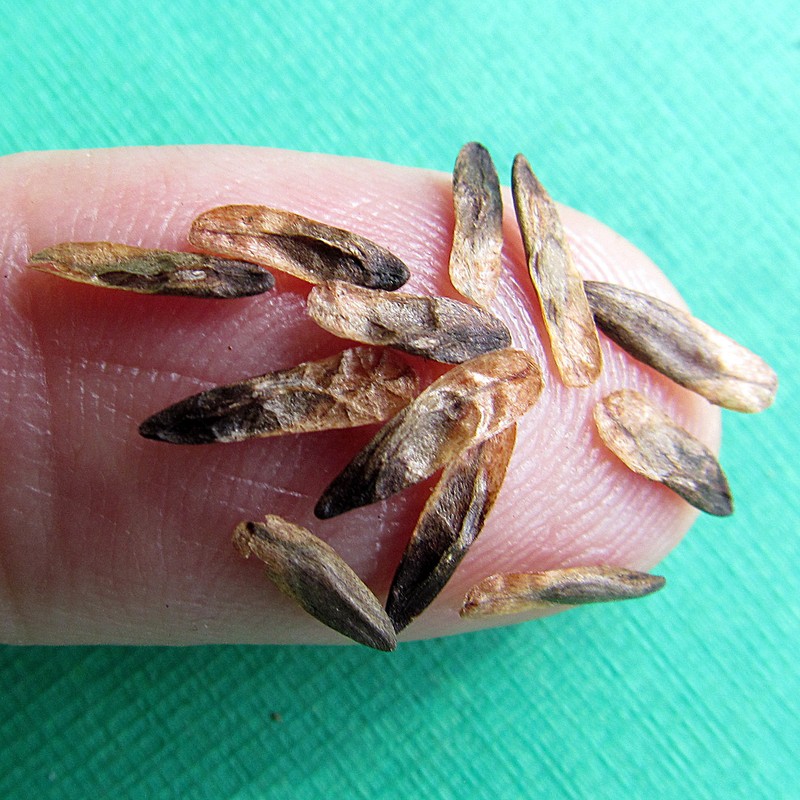
Pre-treatment: Seeds are cold stratified for 32-56 days. In some cases, seeds are sown outdoors from mid-November to mid-December for natural stratification. Seeds can also be purchased from local collectors.
Establishment: Seeds exhibit shallow dormancy but germination is improved by cold, moist stratification. Yellowing color indicates maturity of the seeds. Seed sources are typically from south central Missouri.
Source: npn.rngr.net
Where to Buy
Nationwide Seller
- Sheffield's Seed (seeds)
- Native Plants Nursery (nursery)