
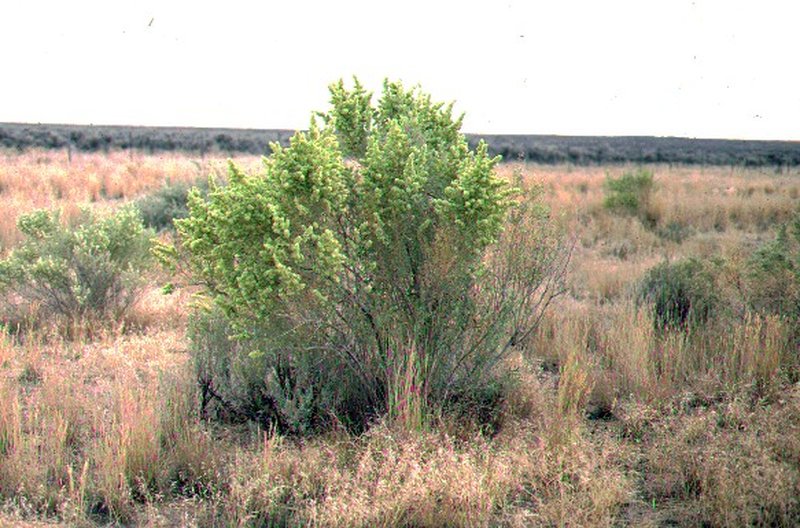
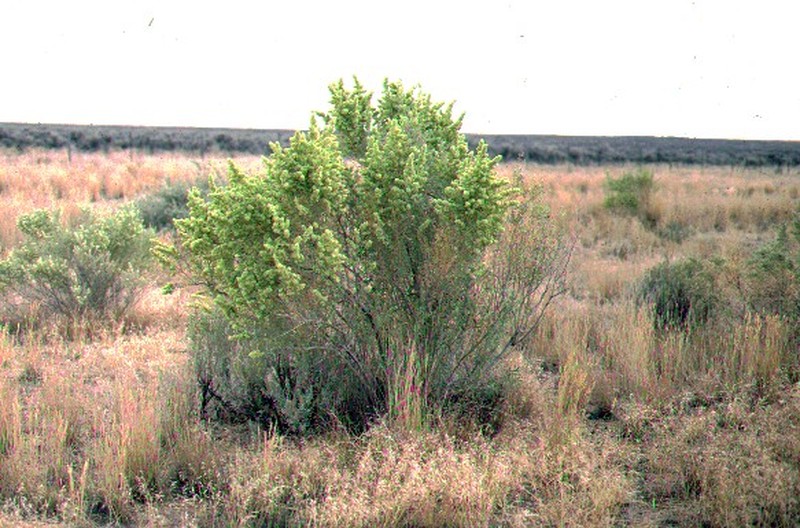
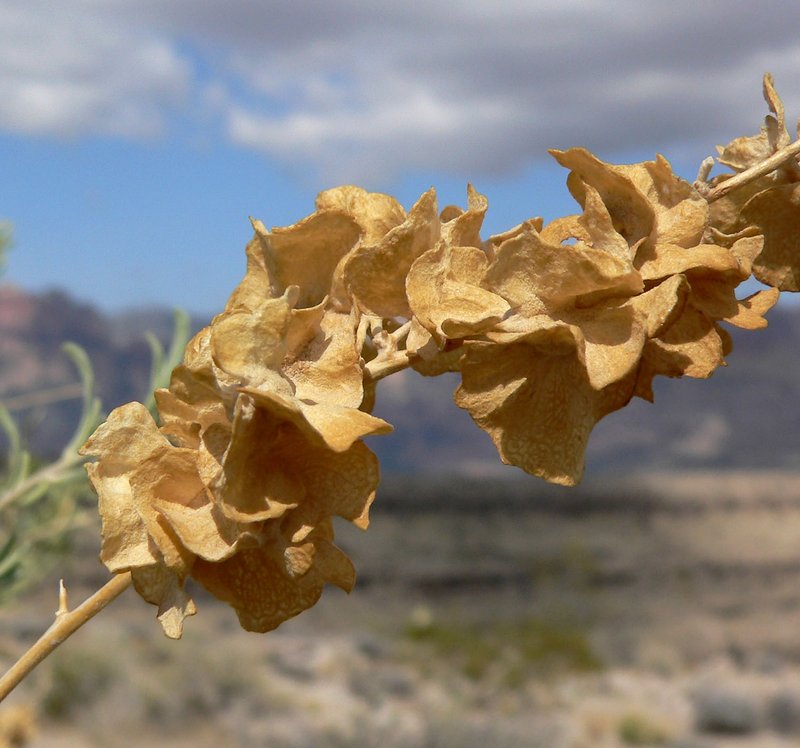
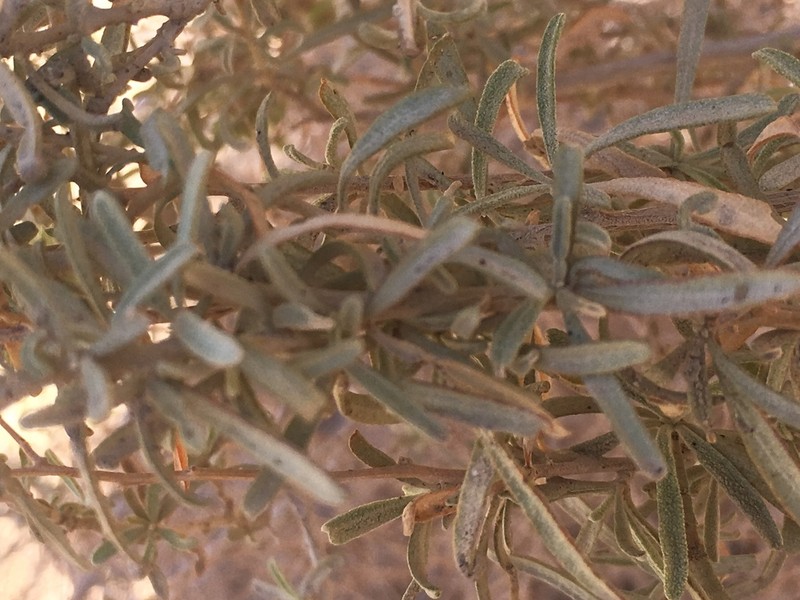
Fourwing Saltbush
Atriplex canescens
- Native to:
- Canada, Mexico, United States
Stan Shebs
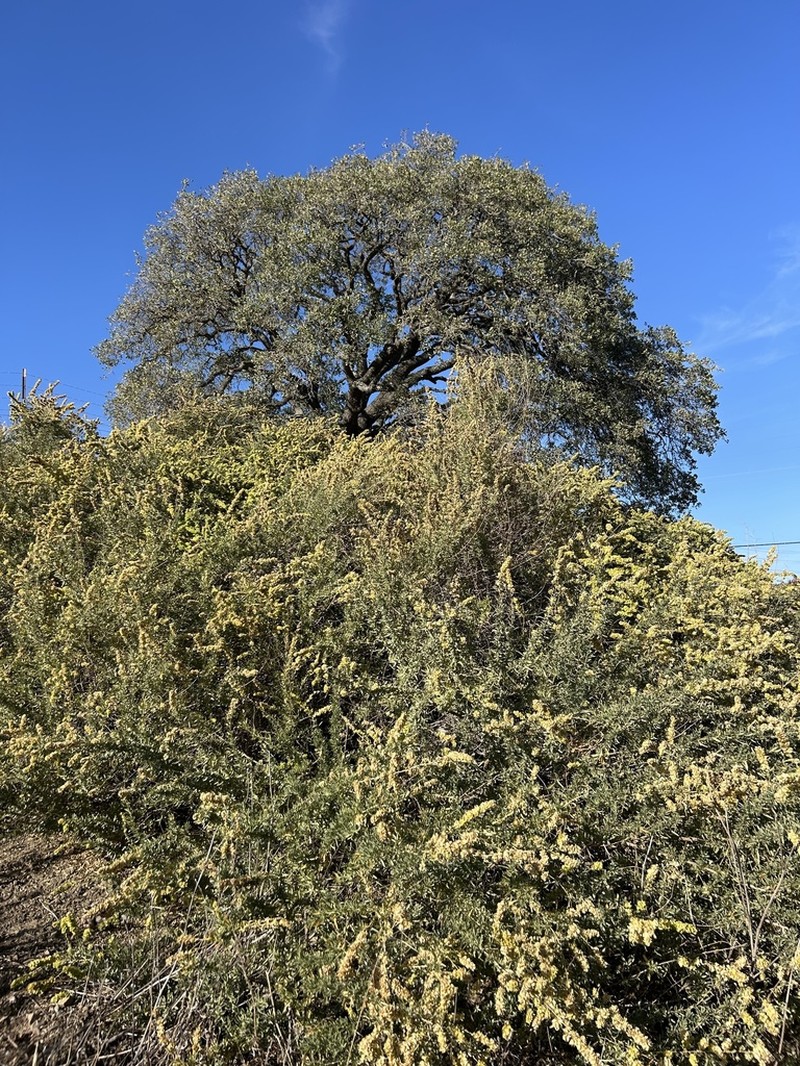
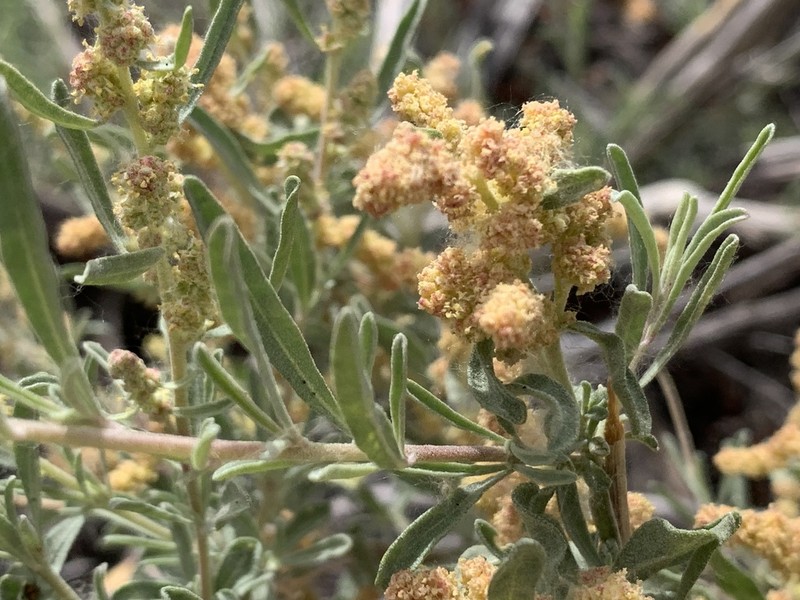
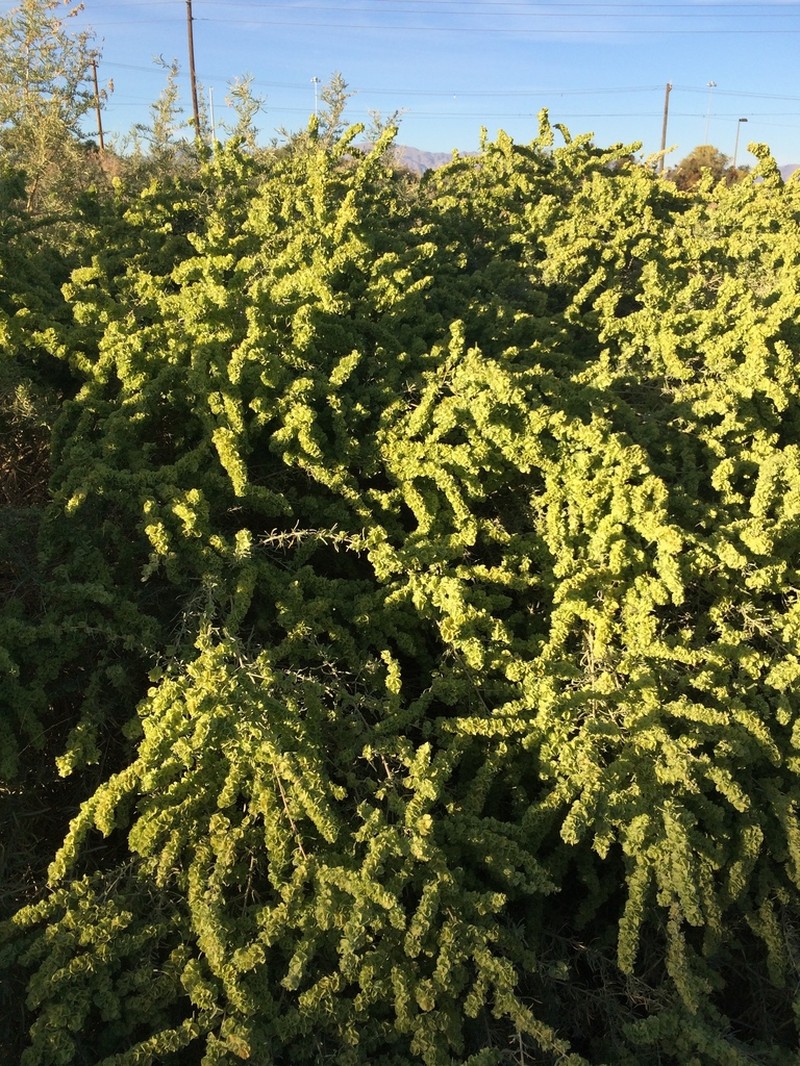
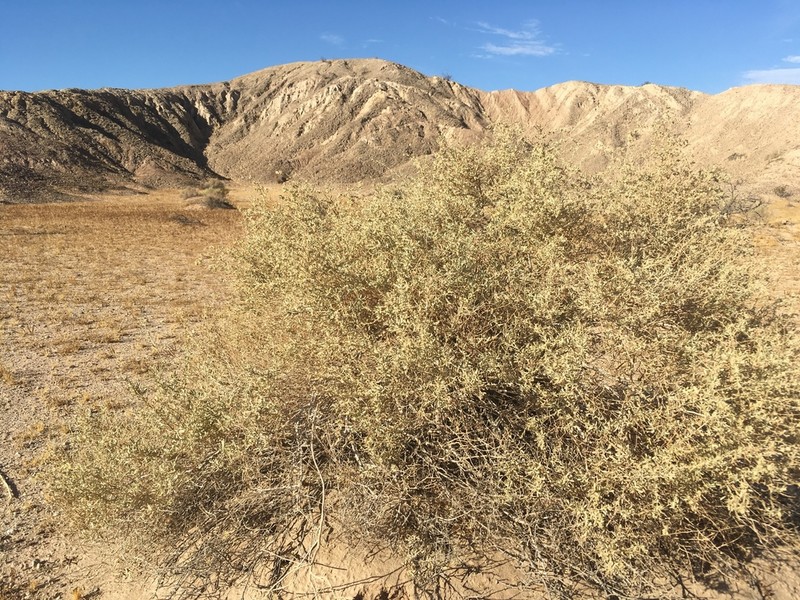
Taxonomy
- Division:
- Magnoliophyta | - Flowering plants
- Family:
- Amaranthaceae
- Genus:
- Atriplex
- Species:
- Atriplex canescens
- USDA Symbol:
- ATCA2
Growth Characteristics
- Life Cycle:
- Perennial
- Growth Habit:
- Shrub
- Height:
- 300 cm
- Light Requirements:
- Part Shade
- Drought Tolerance:
- High
- Bloom Months:
- jul,aug,sep
- Bloom Colors:
- yellow-green
- Evergreen Shrub:
- Yes
- Landscaping Shrub:
- Yes
Wildlife Benefits
- Butterflies & Moths:
- ★★★☆☆ Documented Lepidoptera association (GBIF)
- Caterpillars:
- ★★☆☆☆ Recorded caterpillar host plant (HOSTS Database)
Host Plant for Caterpillars
Reported Fauna Sightings
Garden & Ecology Notes
- Wildlife Value:
- birds, small mammals
- Deer Resistant:
- Yes
- Salt Tolerant:
- Yes
- Fire Ecology:
- Fire adapted — tolerates or benefits from fire
- Fire Notes:
- Resprouts from root crown after fire; seeds also germinate well on burned sites.
Soil Requirements
- Soil Type:
- sandy, well-drained, nutrient-poor soil
- pH:
- 6.5 - 8.5 (neutral to slightly alkaline)
- Drainage:
- excellent drainage required
- Moisture:
- dry to moderate
- Notes:
- Thrives in arid and semi-arid environments; salt-tolerant.
Propagation & Germination
- Stratification:
- Cold/moist stratification required — 30–60 days
- Germination Time:
- 14–30 days
- Notes:
- Seeds germinate readily after cold stratification; sow in fall or stratify for 30-60 days.
Pre-treatment: Seeds are leached 24 hours with running water, soaked in 3% hydrogen peroxide for 4 hours, leached for another 24 hours and then stratified at 3 to 5 C for 4 weeks. Alternatively, seeds are imbibed in water for 2 days.
Establishment: Fourwing saltbush is difficult to grow due to low utricle fill, seed dormancy, and generally poor germination rates. Cuttings of young shoots may be worthwhile to experiment with in growing this species for restoration projects. Improved germination has been observed after scoring seeds with a razor blade. The plant is widely distributed in the western United States and is a valuable forage for livestock and wildlife, especially in the winter. It is also useful in erosion control due to its deep roots.
Source: npn.rngr.net
Where to Buy
Nationwide Seller
- Sheffield's Seed (seeds)
- Bamert Seed (seeds)
- Native Seed Group (seeds)
- Native American Seed (nursery and seeds)