
Beach Saltbush
Atriplex leucophylla
- Native to:
- Mexico, United States
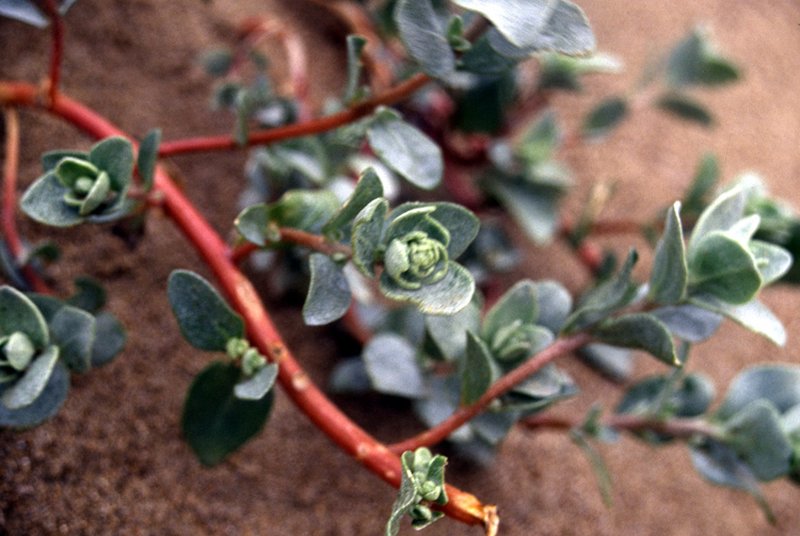
Gordon Leppig & Andrea J. Pickart
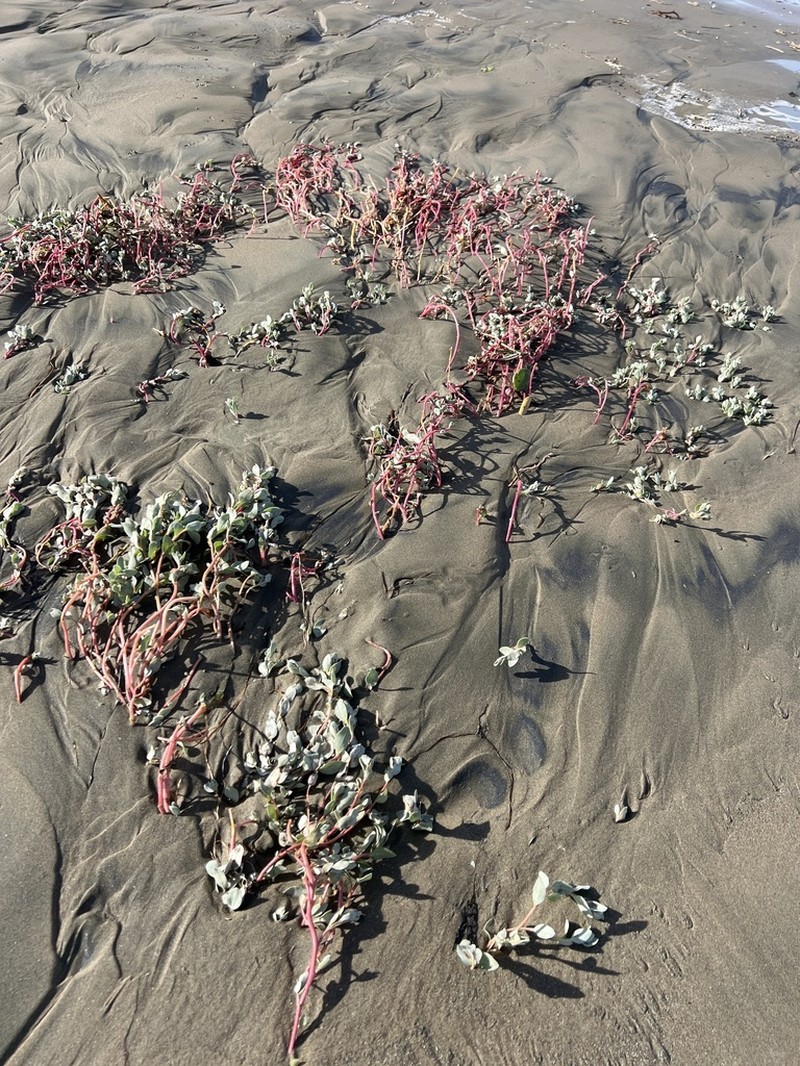
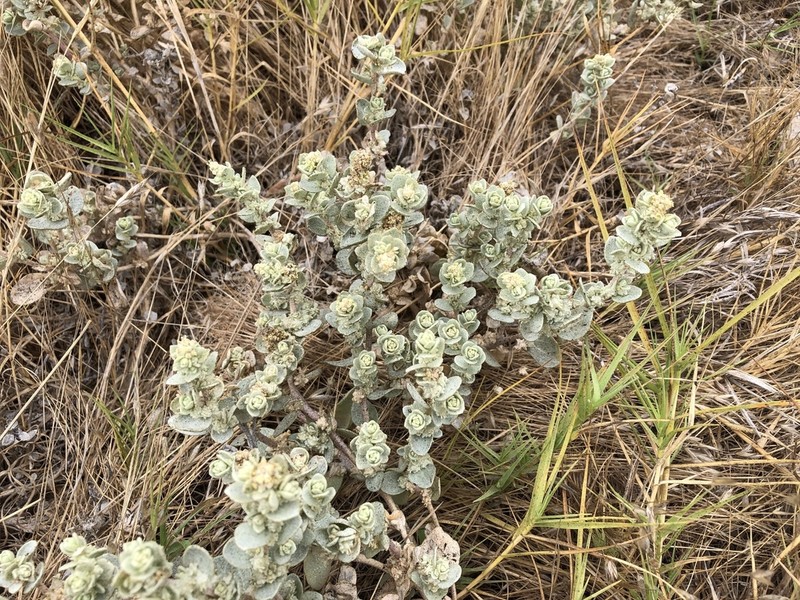
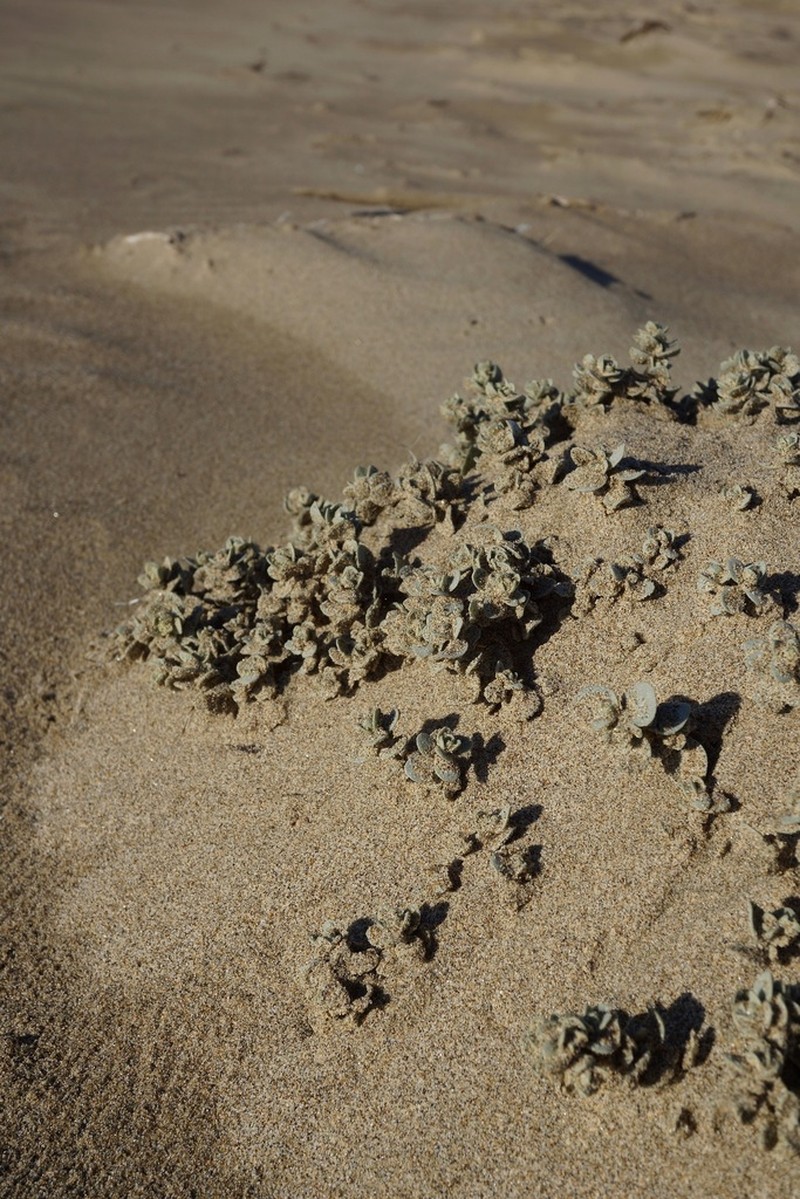
Taxonomy
- Division:
- Magnoliophyta | - Flowering plants
- Family:
- Amaranthaceae
- Genus:
- Atriplex
- Species:
- Atriplex leucophylla
- USDA Symbol:
- ATLE2
Growth Characteristics
- Life Cycle:
- Perennial
- Growth Habit:
- Forb/herb , Subshrub
- Height:
- 60 cm
- Light Requirements:
- Full Sun
- Drought Tolerance:
- High
- Ground Cover:
- Yes
Wildlife Benefits
- Caterpillars:
- ★☆☆☆☆ Recorded caterpillar host plant (HOSTS Database)
Host Plant for Caterpillars
Trichoclea edwardsii
Garden & Ecology Notes
- Wildlife Value:
- birds, small mammals
- Deer Resistant:
- Yes
- Salt Tolerant:
- Yes
Soil Requirements
- Soil Type:
- sandy, saline, nutrient-poor soil
- pH:
- 6.5 - 8.5 (neutral to slightly alkaline)
- Drainage:
- excellent drainage required
- Moisture:
- dry to moderate
- Notes:
- commonly found in coastal areas with saline conditions
Propagation & Germination
Pre-treatment: Seeds are soaked for 24 hours, drained, and placed in a 5% bleach solution for 1 minute before rinsing. They are then placed in plastic freezer bags with an equal amount of perlite or peat moss and stratified for 2-3 weeks in the refrigerator at 40°F.
Establishment: Seeds are collected between August 1st and December 1st. The mature fruits are small, hard, and sand colored, approximately 5 mm long. The plant is found on sea beaches in mostly Coastal Strand communities from Humboldt County to Lower California, and occasionally inland.
Source: npn.rngr.net