
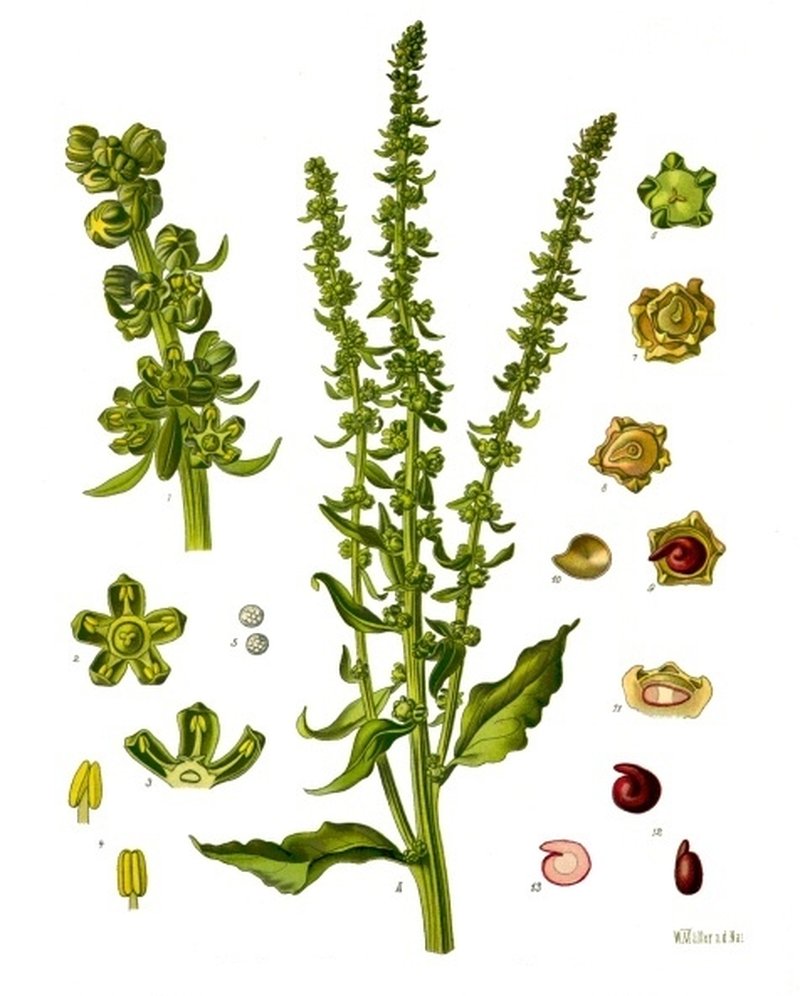
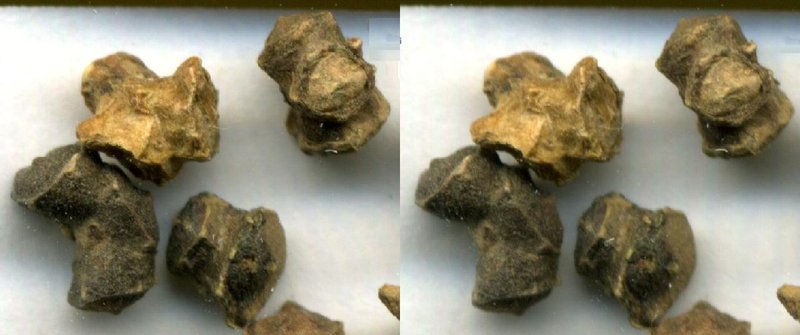
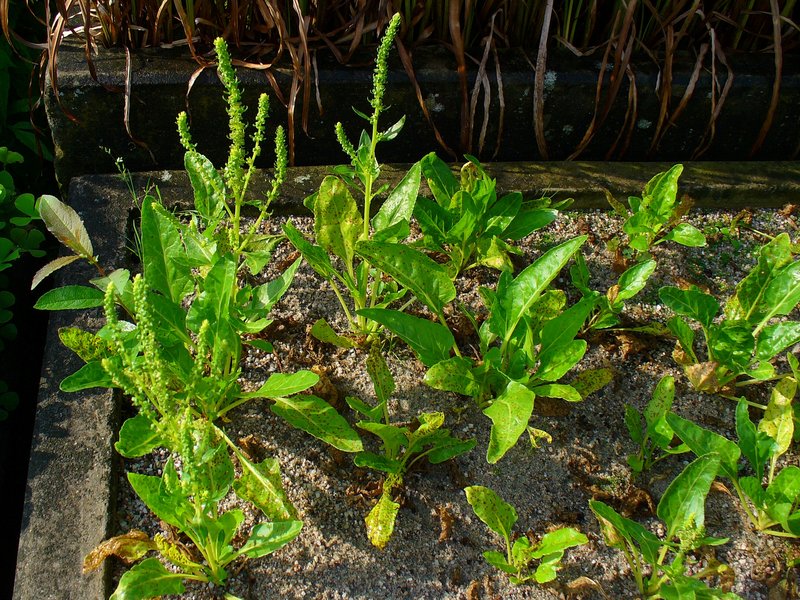
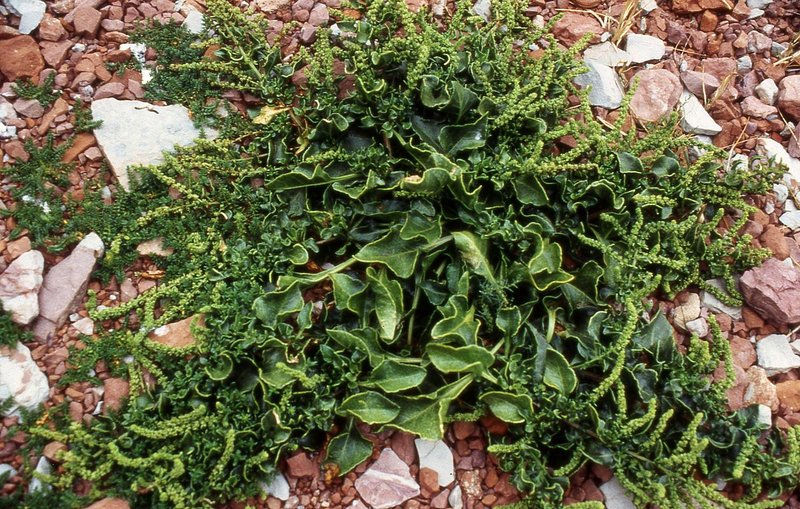
Common Beet
Beta vulgaris
- Native to:
- Albania, Algeria, Azores, Baleares, Belgium, Bulgaria, Canary Is., Corse, Cyprus, East Aegean Is., Egypt, France, Germany, Great Britain, Greece, Gulf States, India, Iran, Iraq, Ireland, Italy, Kriti, Krym, Kuwait, Lebanon-Syria, Libya, Morocco, Netherlands, North Caucasus, NW. Balkan Pen., Oman, Pakistan, Palestine, Portugal, Puerto Rico, Sardegna, Saudi Arabia, Sicilia, Sinai, Spain, Transcaucasus, Tunisia, Türkiye, Türkiye-in-Europe, Yemen
John Alan Elson
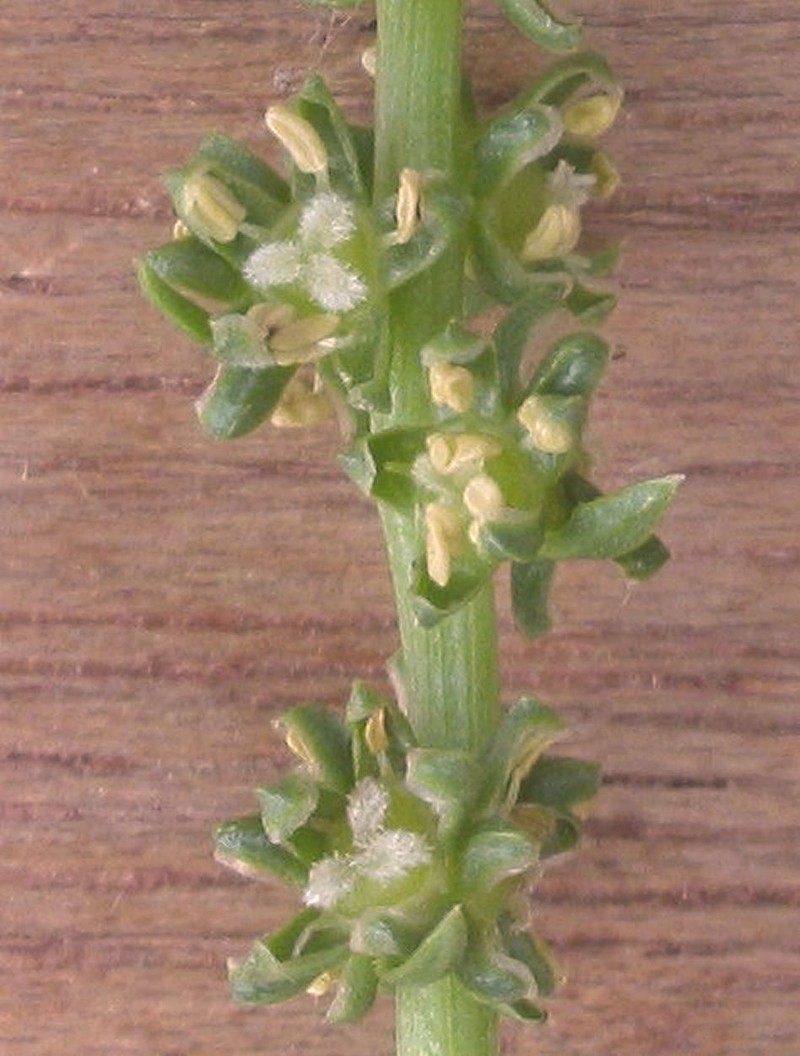
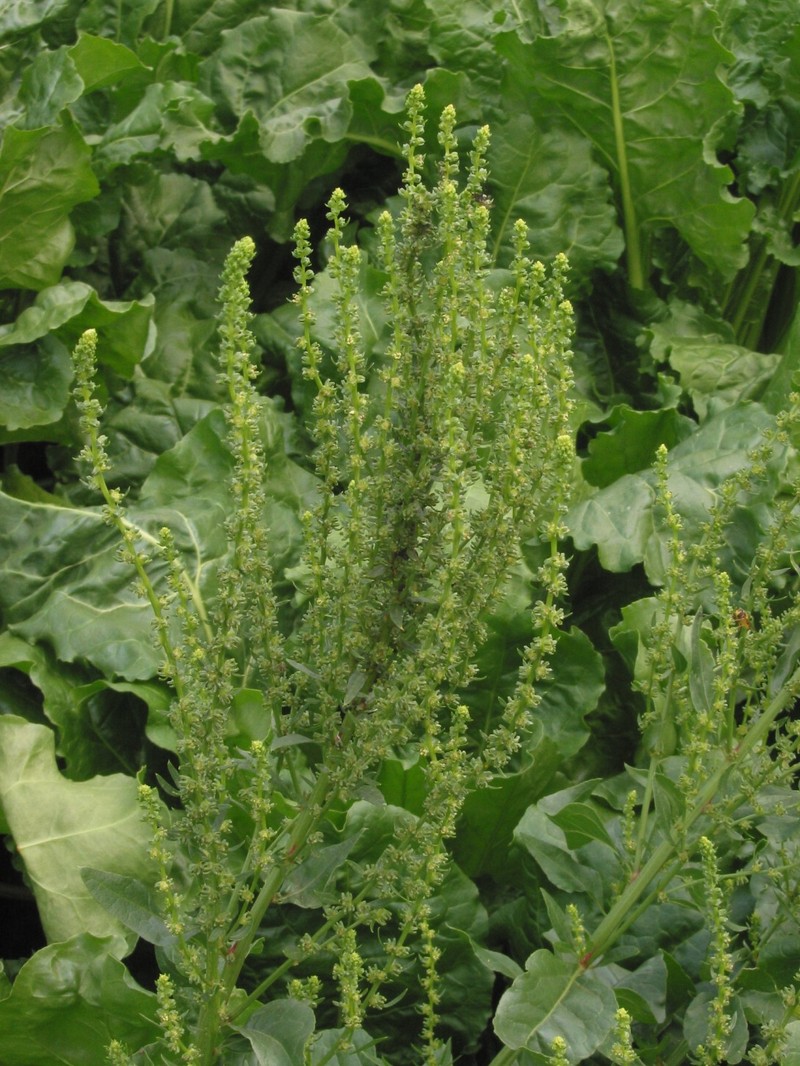
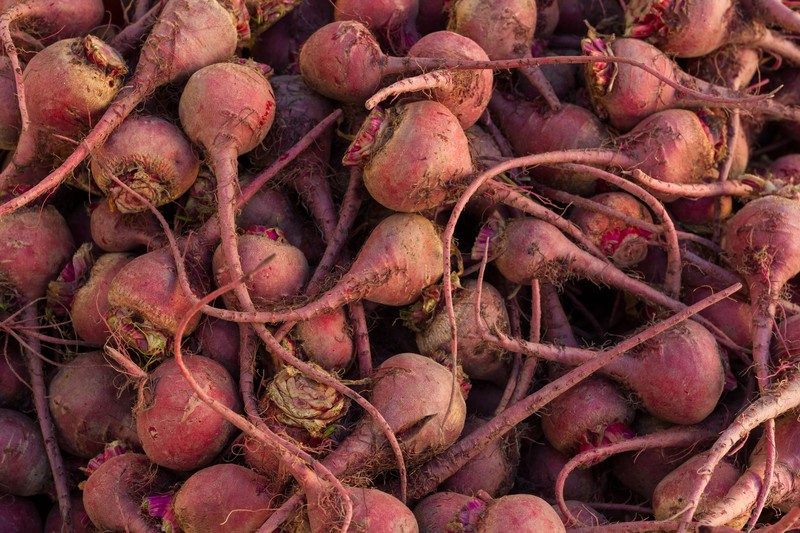
Taxonomy
- Division:
- Magnoliophyta | - Flowering plants
- Family:
- Amaranthaceae
- Genus:
- Beta
- Species:
- Beta vulgaris
- USDA Symbol:
- BEVU2
Growth Characteristics
- Life Cycle:
- Annual | Biennial
- Growth Habit:
- Forb/herb
- Height:
- 200 cm
- Light Requirements:
- Full Sun
- Drought Tolerance:
- Medium
- Bloom Months:
- jun,jul,aug,sep
- Bloom Colors:
- green
Wildlife Benefits
- Bees:
- ★☆☆☆☆ Documented bee visitation (GBIF)
- Butterflies & Moths:
- ★★★☆☆ Documented Lepidoptera association (GBIF)
- Caterpillars:
- ★★★★☆ Recorded caterpillar host plant (HOSTS Database)
Host Plant for Caterpillars
Achyra similalis, Agrotis orthogonia, Alfalfa Looper (Autographa californica), American sunflower moth (Homoeosoma electella), Army cutworm (Euxoa auxiliaris), Armyworm moth (Pseudaletia unipuncta), Athetis miranda, beet armyworm (Spodoptera exigua), Beet Webworm (Loxostege sticticalis), beet webworm moth (Spoladea recurvalis), Bertha armyworm (Mamestra configurata), Black cutworm (Agrotis ipsilon), cabbage budworm moth (Hellula phidilealis), Cabbage looper (Trichoplusia ni), Celery leaftier (Udea rubigalis), Celery Looper (Anagrapha falcifera), Common Pinkband (Ogdoconta cinereola), darksided cutworm (Euxoa messoria), European corn borer (Ostrinia nubilalis), Euxoa laetificans, Euxoa munis, Euxoa ochrogaster, Euxoa tessellata, Euxoa tristicula, Fall armyworm (Spodoptera frugiperda), Flame Shoulder (Ochropleura plecta), garden webworm moth (Achyra rantalis), glassy cutworm (Apamea devastator), Glover's Silkworm Moth (Euscirrhopterus gloveri), Green Cutworm (Anicla infecta), Hulstia undulatella, Isabella tiger moth (Pyrrharctia isabella), Large Yellow Underwing (Noctua pronuba), Loxostege commixtalis, nutmeg (Discestra trifolii), Omiodes Leafroller (Omiodes simialis), Orthotaenia undulana, rascal dart moth (Agrotis malefida), Salt Marsh Moth (Estigmene acrea), Setaceous Hebrew Character (Xestia c-nigrum), Southern armyworm (Spodoptera eridania), Southern beet webworm moth (Herpetogramma bipunctalis), spotted beet webworm moth (Hymenia perspectalis), stalk borer moth (Papaipema nebris), Udea profundalis, underworld dart (Agrotis subterranea), Variegated cutworm (Peridroma saucia), Virginia Tiger Moth (Spilosoma virginica), Western yellowstriped armyworm (Spodoptera praefica), White-lined sphinx moth (Hyles lineata), Yellow-striped armyworm (Spodoptera ornithogalli), zebra caterpillar moth (Melanchra picta)
Garden & Ecology Notes
- Wildlife Value:
- birds, small mammals
- Salt Tolerant:
- Yes
Soil Requirements
- Soil Type:
- rich, well-drained loamy soil
- pH:
- 6.0 - 8.0 (slightly acidic to neutral)
- Drainage:
- excellent drainage required
- Moisture:
- consistently moist
- Notes:
- native to coastal areas with fertile soil
Propagation & Germination
- Stratification:
- None required
- Germination Time:
- 7–14 days
- Notes:
- Seeds germinate readily in warm soil without pretreatment.
Where to Buy
Nationwide Seller
- Sheffield's Seed (seeds)