
California Saltbush
Extriplex californica
- Native to:
- Mexico, United States
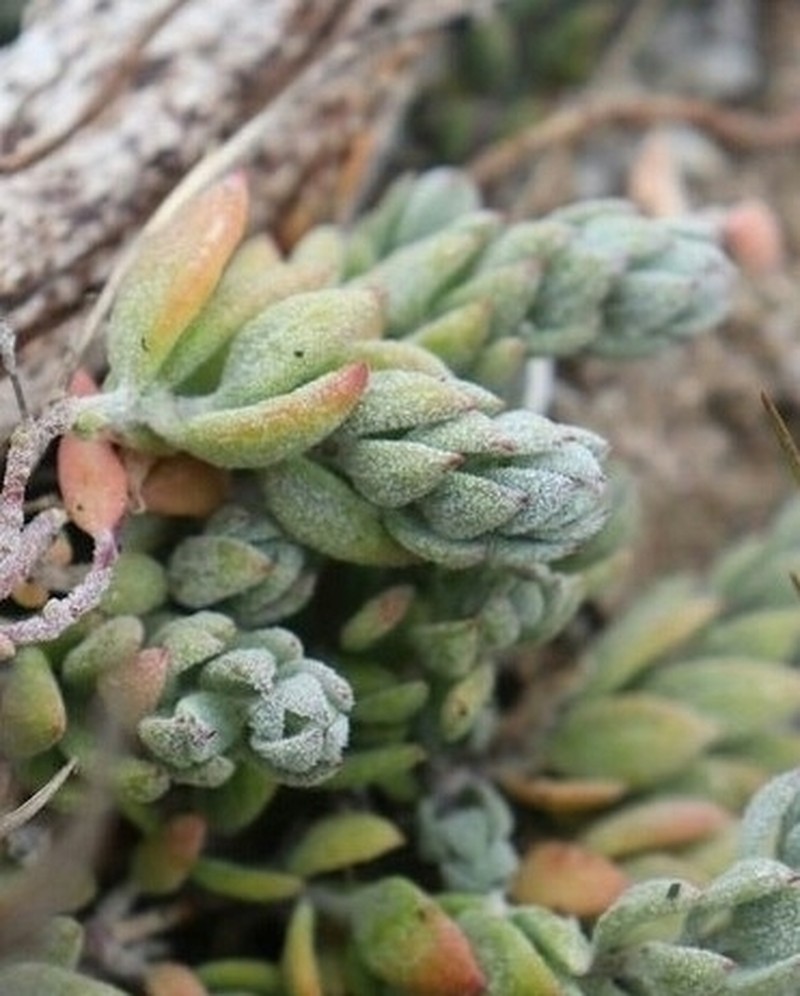
iNaturalist: © yerbasanta (iNaturalist #38512224)
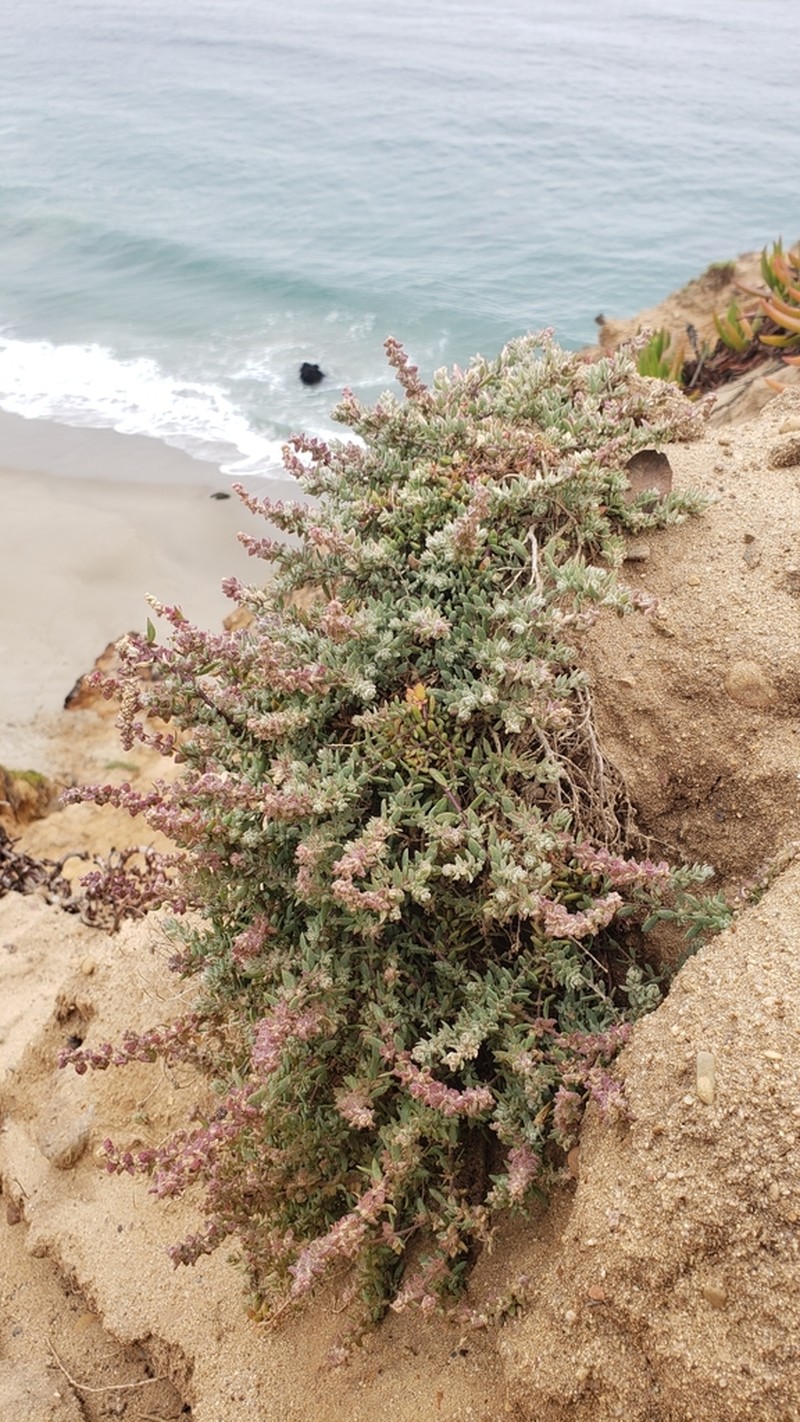
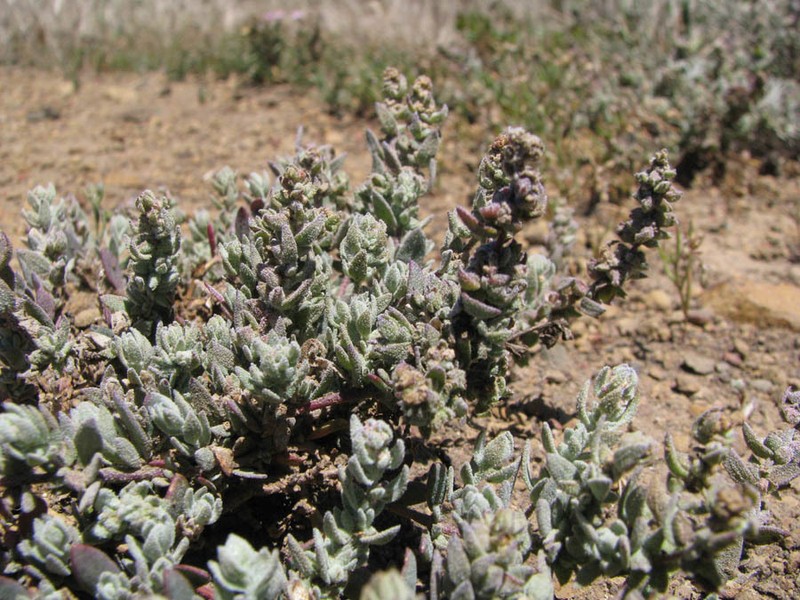
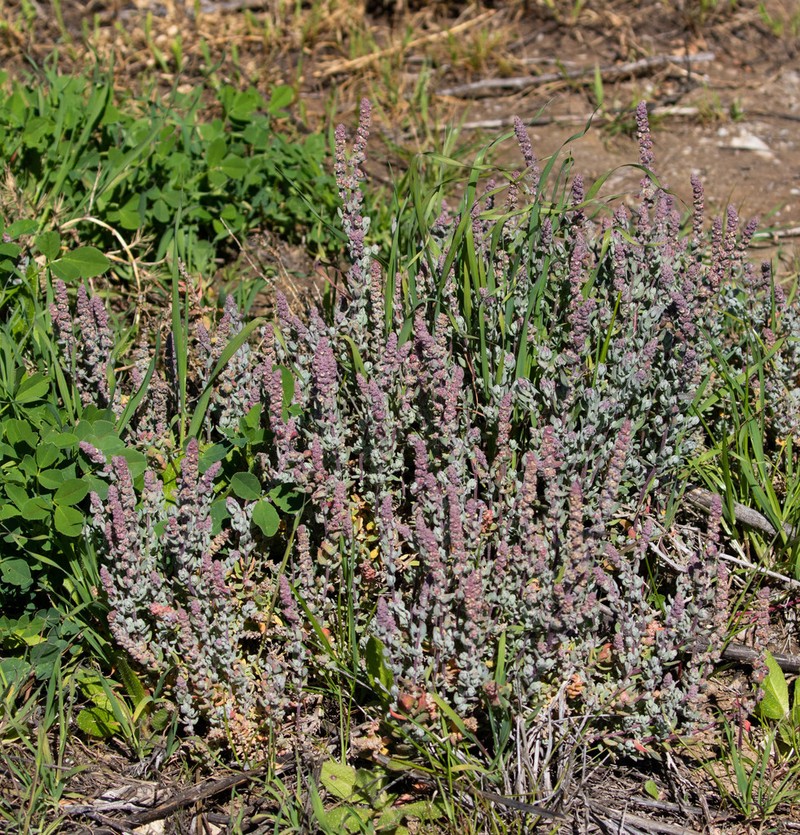
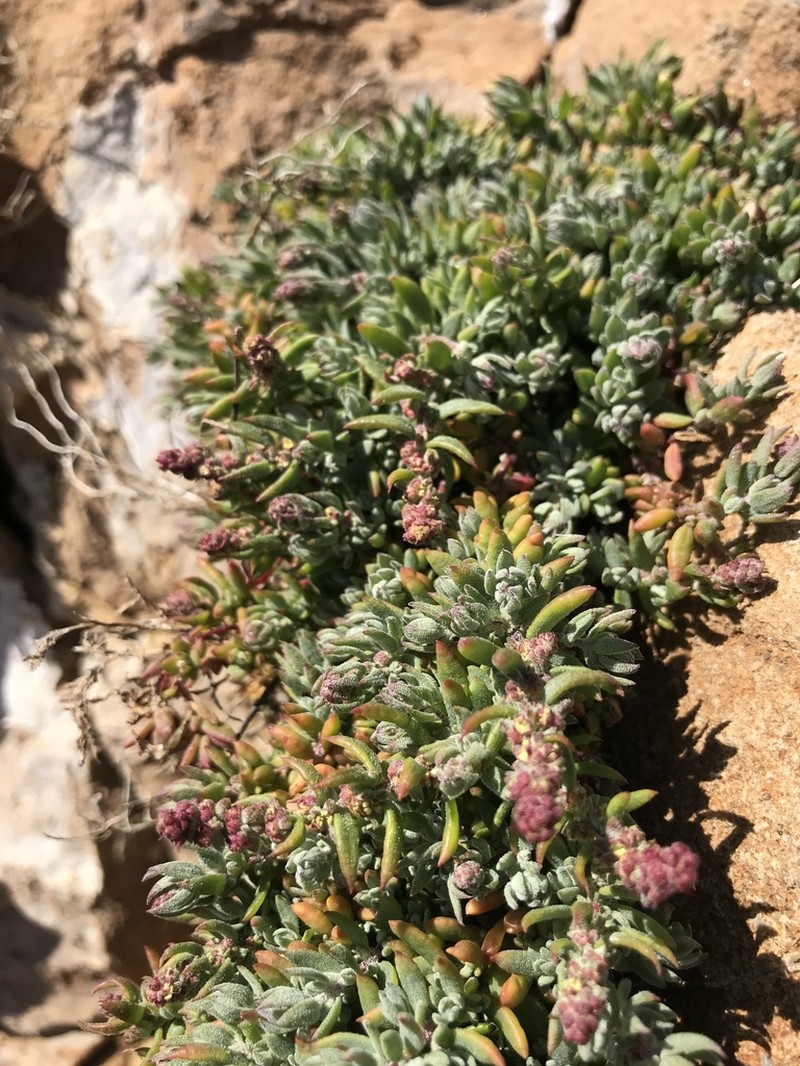
Taxonomy
- Division:
- Magnoliophyta | - Flowering plants
- Family:
- Amaranthaceae
- Genus:
- Extriplex
- Species:
- Extriplex californica
- USDA Symbol:
- ATCA
Growth Characteristics
- Life Cycle:
- Perennial
- Growth Habit:
- Forb/herb
- Height:
- 60 cm
- Light Requirements:
- Full Sun
- Drought Tolerance:
- High
- Bloom Months:
- apr,may,jun,jul,aug,sep
- Bloom Colors:
- greenish
Garden & Ecology Notes
- Wildlife Value:
- birds
- Deer Resistant:
- Yes
- Salt Tolerant:
- Yes
Soil Requirements
- Soil Type:
- sandy, well-drained, nutrient-poor soil
- pH:
- 6.0 - 8.0 (neutral to slightly alkaline)
- Drainage:
- excellent drainage required
- Moisture:
- dry to moderate
- Notes:
- Commonly found in coastal and desert areas
Propagation & Germination
- Stratification:
- None required
- Germination Time:
- 7–21 days
- Notes:
- Seeds germinate readily without pretreatment in warm conditions.
Pre-treatment: Seeds are soaked in water for 24 hours, followed by a freshwater rinse
Establishment: Seeds are collected between September 5th and October 27th. Mature fruit is an urticle with a membranous pericarp bearing one seed. There are several capsules per inflorescence. Seeds are black, shiny, hard, round, and flat at maturity and are 2 mm long.
Source: npn.rngr.net