
Skunkbush Sumac
Rhus aromatica var. aromatica
- Native to:
- Canada, Mexico, United States, Virgin Islands
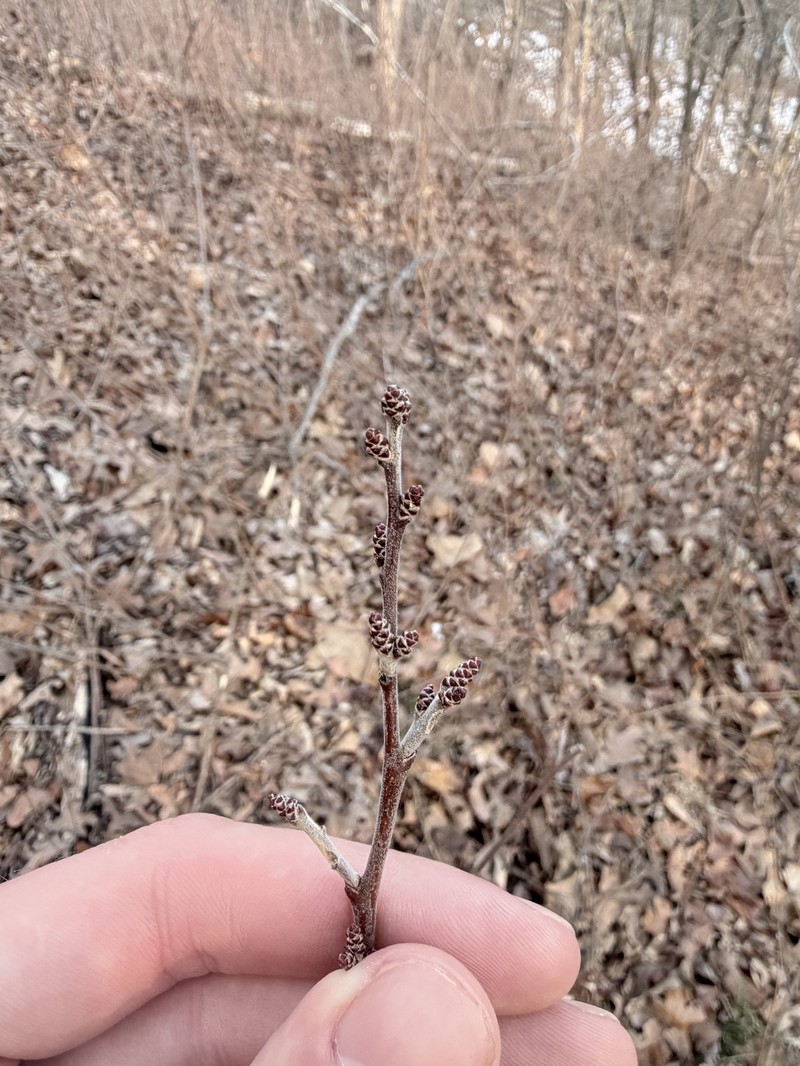
GBIF: coralberrywonderland
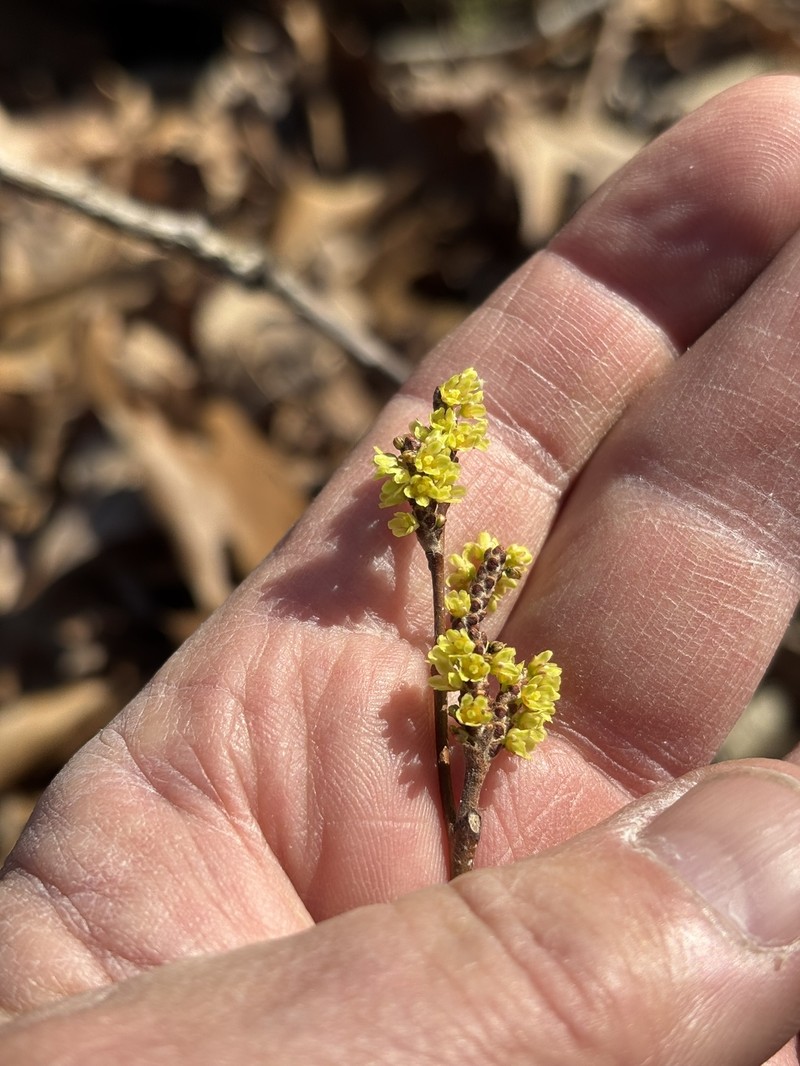
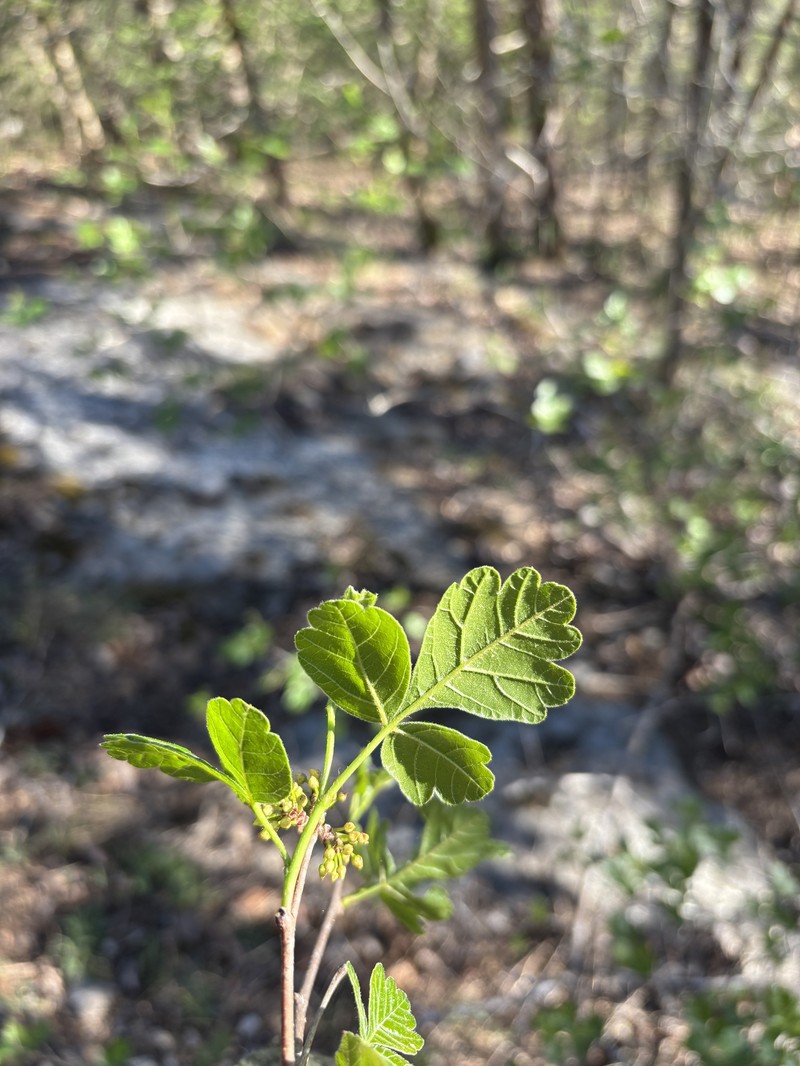
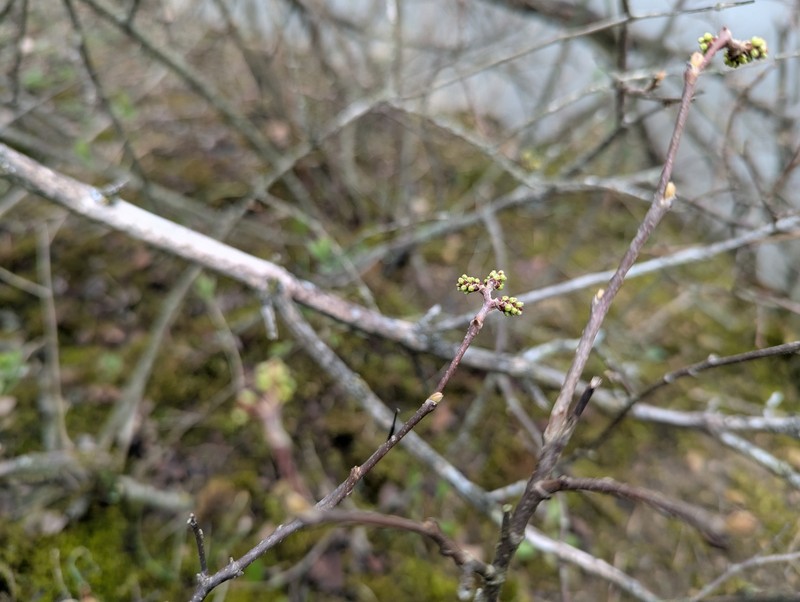
Taxonomy
- Division:
- Magnoliophyta | - Flowering plants
- Family:
- Anacardiaceae
- Genus:
- Rhus
- Species:
- Rhus aromatica var. aromatica
- USDA Symbol:
- RHTR
Growth Characteristics
- Life Cycle:
- Perennial
- Growth Habit:
- Shrub
- Height:
- 200 cm
- Light Requirements:
- Full Sun
- Drought Tolerance:
- High
- Bloom Months:
- mar,apr,may
- Bloom Colors:
- yellow
- Landscaping Shrub:
- Yes
Wildlife Benefits
- Caterpillars:
- ★★☆☆☆ Recorded caterpillar host plant (HOSTS Database)
Keystone Species Ranking
- Caterpillar Keystone:
- ★★★★☆ Butterfly & moth species supported by this genus (NWF)
Host Plant for Caterpillars
Columbia silk moth (Hyalophora columbia), Dichorda rectaria, Drasteria edwardsii, Illustrated Dichorda Moth (Dichorda illustraria), Marathyssa inficita, Mendocino saturnia moth (Saturnia mendocino), Nemoria intensaria, Nemoria obliqua, Nephopterix bifasciella, Neumoegen's buckmoth (Hemileuca neumoegeni), phoenix dichordophora moth (Dichordophora phoenix), Splendid Royal Moth (Citheronia splendens), Walter's saturnia moth (Saturnia walterorum), Western tent caterpillar (Malacosoma californica)
Garden & Ecology Notes
- Wildlife Value:
- birds, small mammals
- Deer Resistant:
- Yes
- Salt Tolerant:
- Yes
- Fragrant:
- Yes
- Fall Color:
- red, orange, purple
- Fire Ecology:
- Fire adapted — tolerates or benefits from fire
- Fire Notes:
- Resprouts vigorously from root crown following fire. Often increases in density after prescribed burns.
Soil Requirements
- Soil Type:
- rocky, well-drained, sandy or loamy soil
- pH:
- 5.5 - 7.5 (slightly acidic to neutral)
- Drainage:
- excellent drainage required
- Moisture:
- dry to moderate
- Notes:
- thrives in rocky or sandy soils typical of prairies and open woodlands
Propagation & Germination
- Stratification:
- Warm then cold/moist stratification (double dormancy) — 60–90 days
- Scarification:
- Seed coat scarification required before sowing
- Germination Time:
- 30–90 days
- Notes:
- Seed has double dormancy; acid scarification followed by warm then cold stratification improves germination. Germination can be erratic.
Pre-treatment: Seeds are scarified using either concentrated sulfuric acid for 1.5-2 hours or a 10% H2SO4 bath for 1 hour. After scarification, seeds are immediately imbibed in water for 2 days. Seeds are then cold stratified for 40-60 days.
Establishment: Seeds are collected from individuals when berry color is a deep red to brown. They are dried out on racks for a week before cleaning. Germination is stimulated by the presence of charred wood or aqueous extracts of it. Some studies suggest treating seeds with dry heat at 248°F for 5 minutes for increased germination. R. trilobata is found throughout the western United States and Canada.
Source: npn.rngr.net
Where to Buy
Nationwide Seller
- Sheffield's Seed (seeds)