
Winged Sumac
Rhus copallinum
- Native to:
- Canada, Cuba, Mexico, United States, Virgin Islands
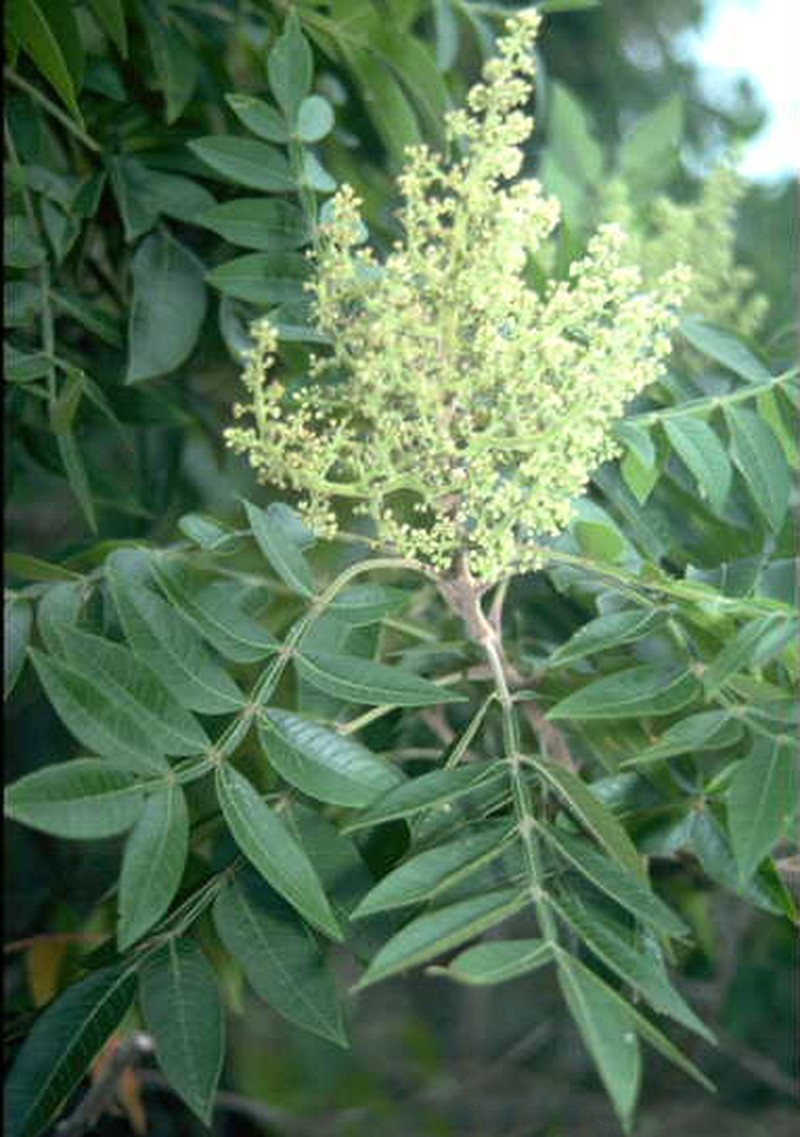
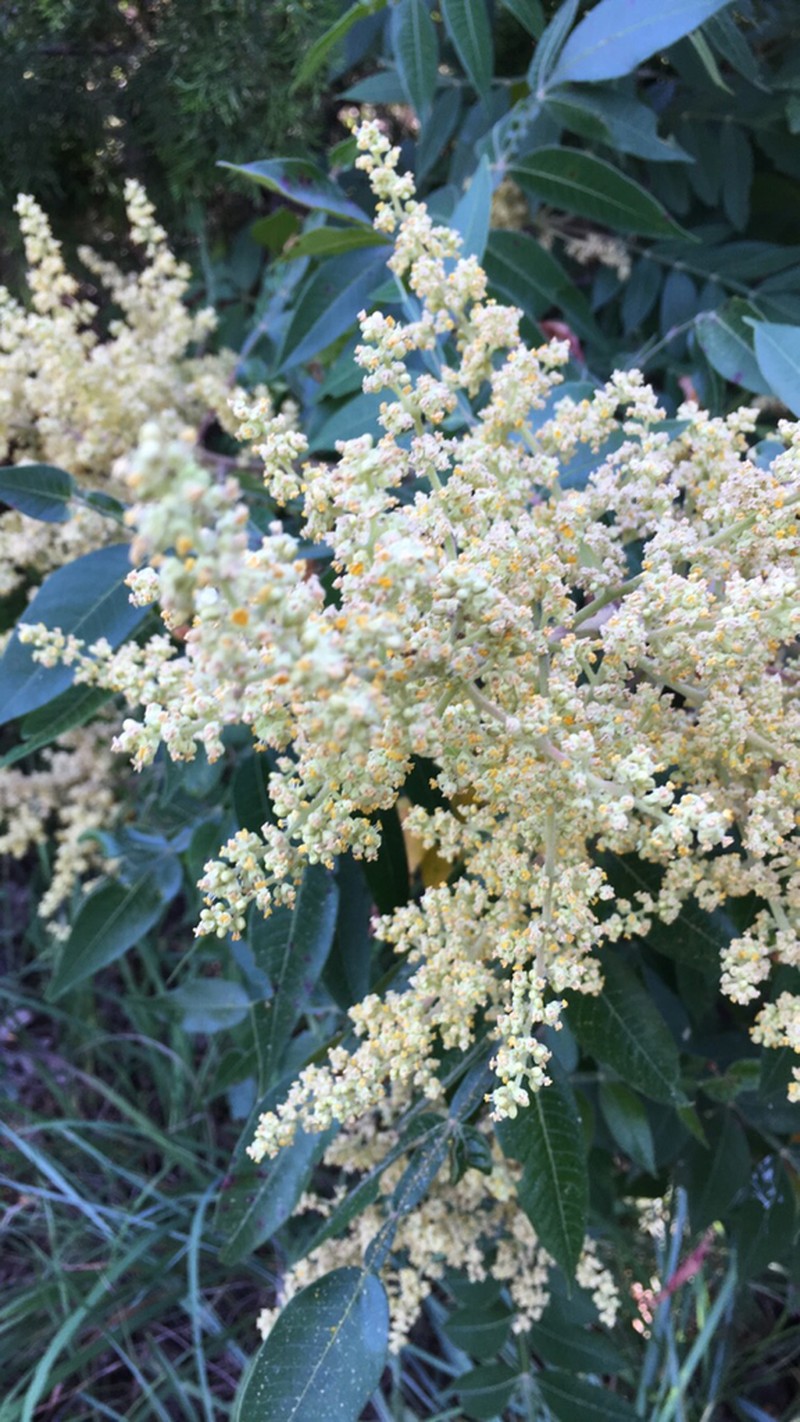
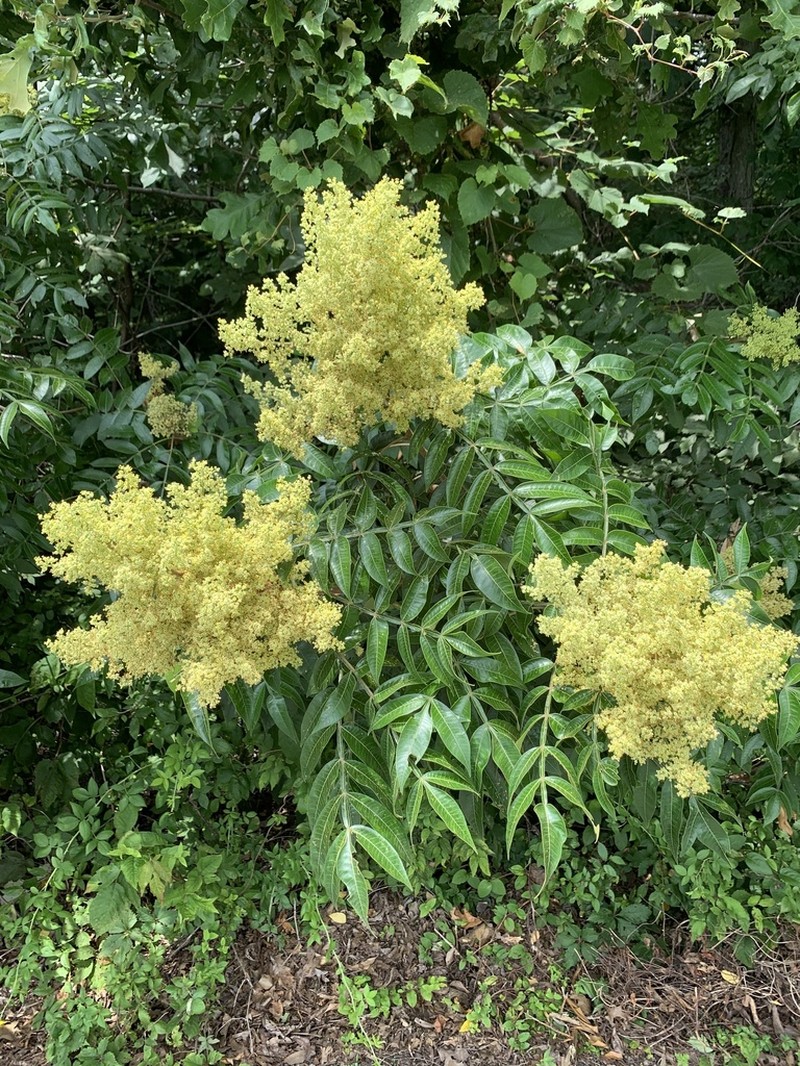
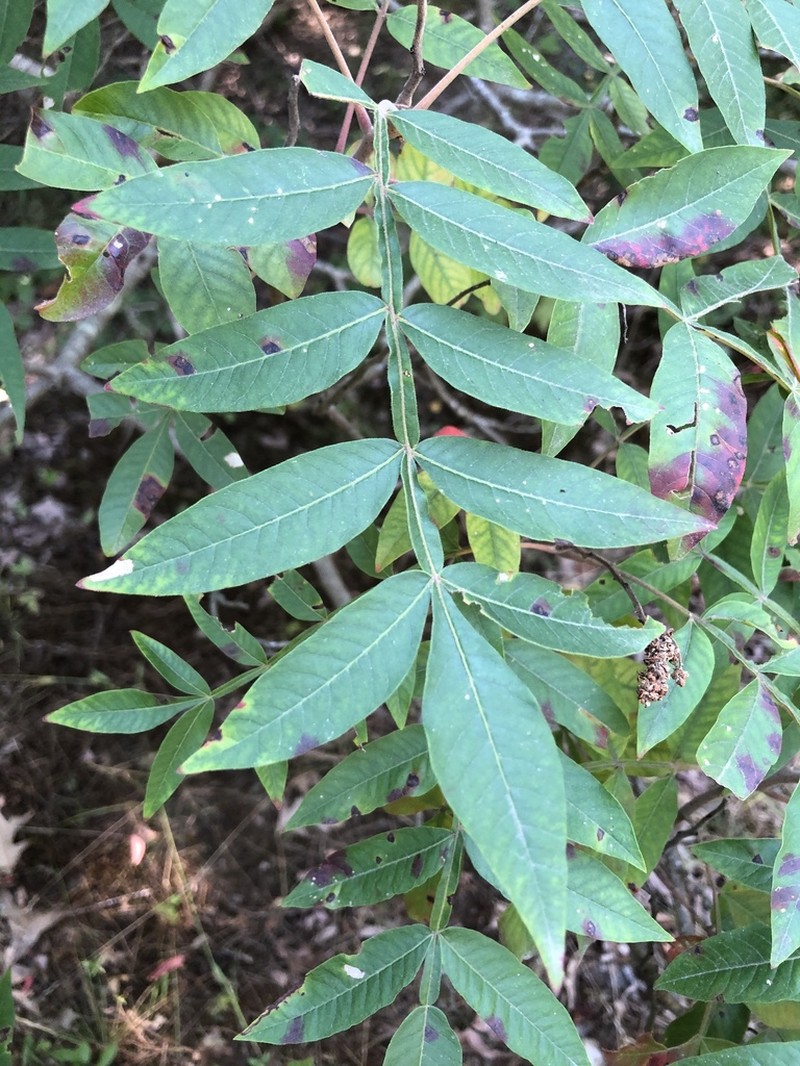
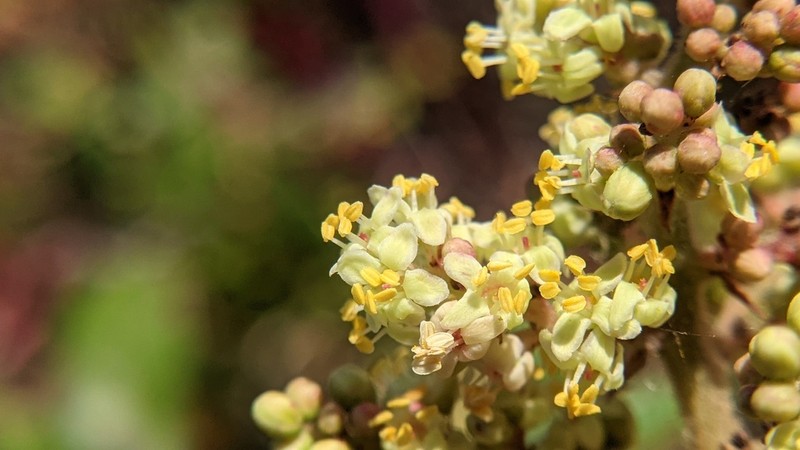
iNaturalist: © theo_witsell (iNaturalist #15903270)
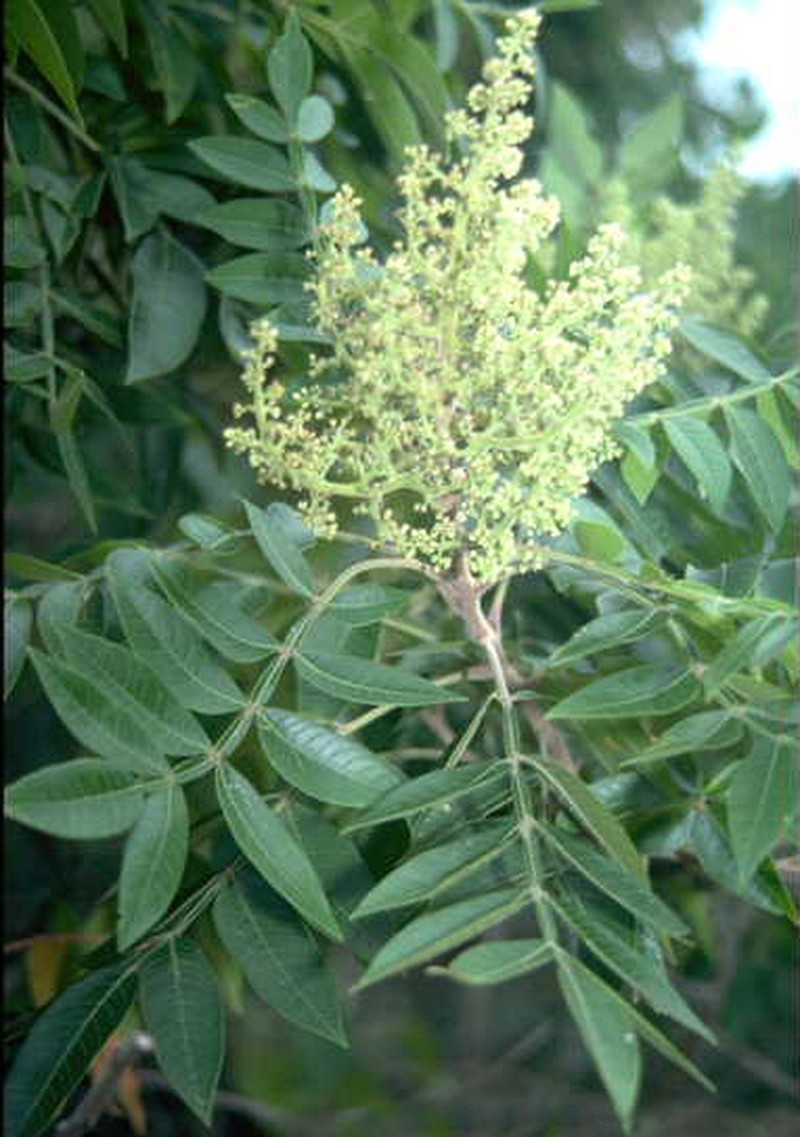
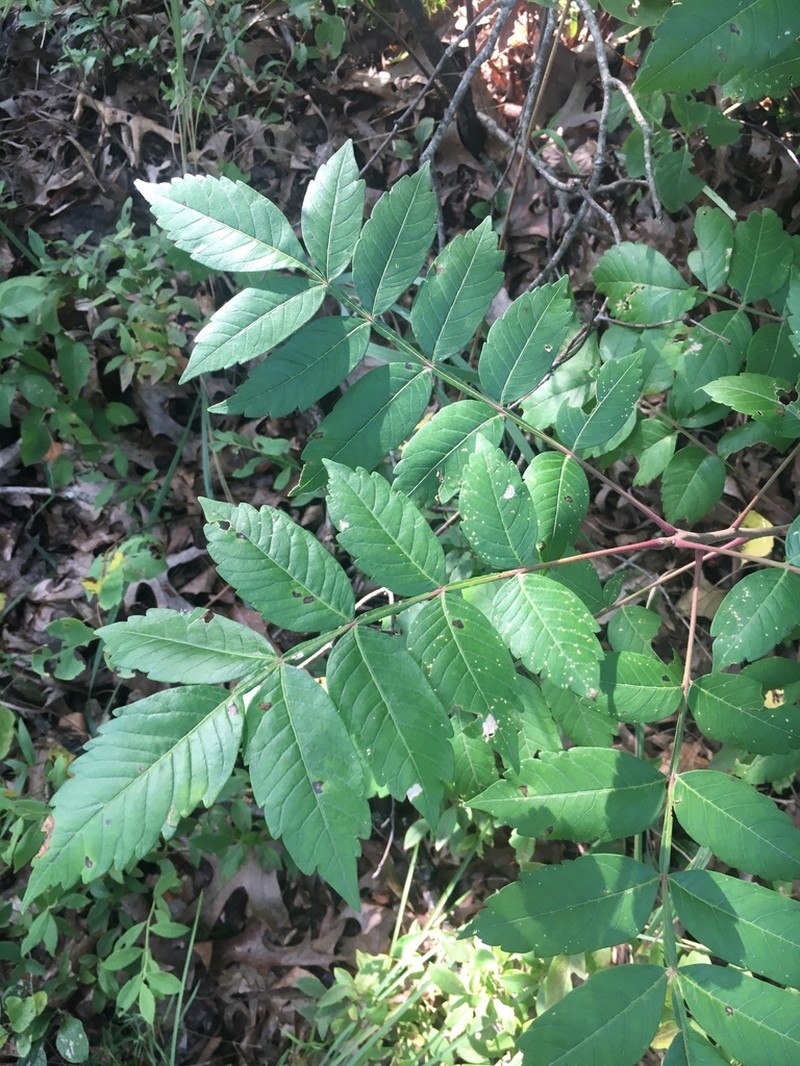
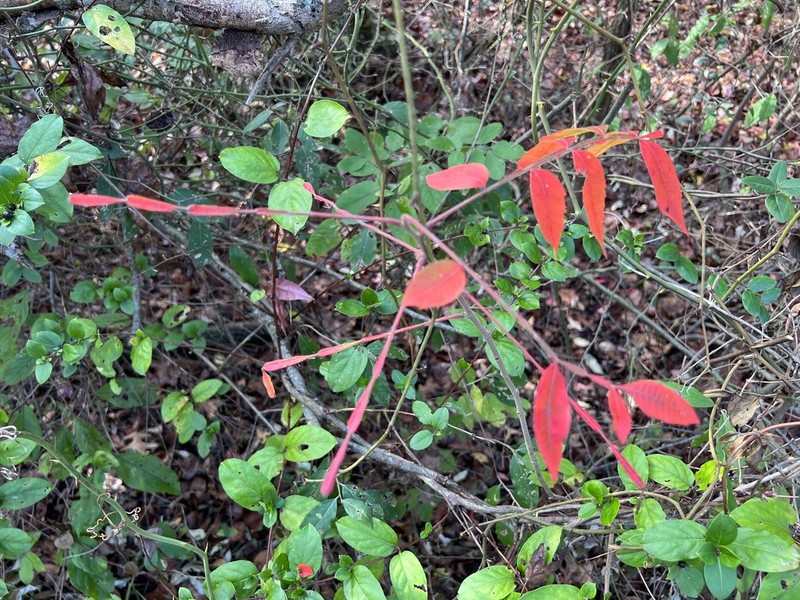
Taxonomy
- Division:
- Magnoliophyta | - Flowering plants
- Family:
- Anacardiaceae
- Genus:
- Rhus
- Species:
- Rhus copallinum
- USDA Symbol:
- RHCO
Growth Characteristics
- Life Cycle:
- Perennial
- Growth Habit:
- Shrub , Tree
- Height:
- 900 cm
- Light Requirements:
- Full Sun
- Drought Tolerance:
- High
- Bloom Months:
- jul,aug,sep
- Bloom Colors:
- greenish-yellow
- Landscaping Shrub:
- Yes
Wildlife Benefits
- Bees:
- ★★☆☆☆ Documented bee visitation (GBIF)
- Butterflies & Moths:
- ★★★★★ Documented Lepidoptera association (GBIF)
- Caterpillars:
- ★★☆☆☆ Recorded caterpillar host plant (HOSTS Database)
Keystone Species Ranking
- Caterpillar Keystone:
- ★★★★☆ Butterfly & moth species supported by this genus (NWF)
Host Plant for Caterpillars
Reported Fauna Sightings
Garden & Ecology Notes
- Wildlife Value:
- birds, butterflies, small mammals
- Fall Color:
- red, orange
- Fire Ecology:
- Fire adapted — tolerates or benefits from fire
- Fire Notes:
- Resprouts vigorously from root crown after fire; seeds germinate well on mineral soil exposed by fire.
Soil Requirements
- Soil Type:
- sandy, well-drained, nutrient-poor soil
- pH:
- 4.5 - 6.5 (acidic to slightly acidic)
- Drainage:
- excellent drainage required
- Moisture:
- dry to moderate
- Notes:
- Commonly found in open woods and fields
Propagation & Germination
- Stratification:
- Cold/moist stratification required — 30–60 days
- Scarification:
- Seed coat scarification required before sowing
- Germination Time:
- 30–90 days
- Notes:
- Seeds require scarification (nicking or hot water) followed by cold stratification for 30-60 days.
Pre-treatment: Mechanical scarification for 15 seconds using a Forsberg seed scarifier, hot-water soak prior to greenhouse planting, or soaking in concentrated sulfuric acid (H2SO4) for 30 minutes then rinsed thoroughly under fresh water.
Establishment: Rhus copallinum, also known as Winged Sumac, Flameleaf Sumac, or Shining Sumac, is found in various locations throughout the US, particularly in dry woods and clearings. It tolerates dry, sandy, and acidic conditions but thrives on moist sites. The plant is distributed throughout all Eastern and Central states with the exception of Minnesota, North Dakota and South Dakota. Some protocols do not require pre-treatment.
Source: npn.rngr.net
Where to Buy
Nationwide Seller
- Sheffield's Seed (seeds)
- Native Plants Nursery (nursery)