
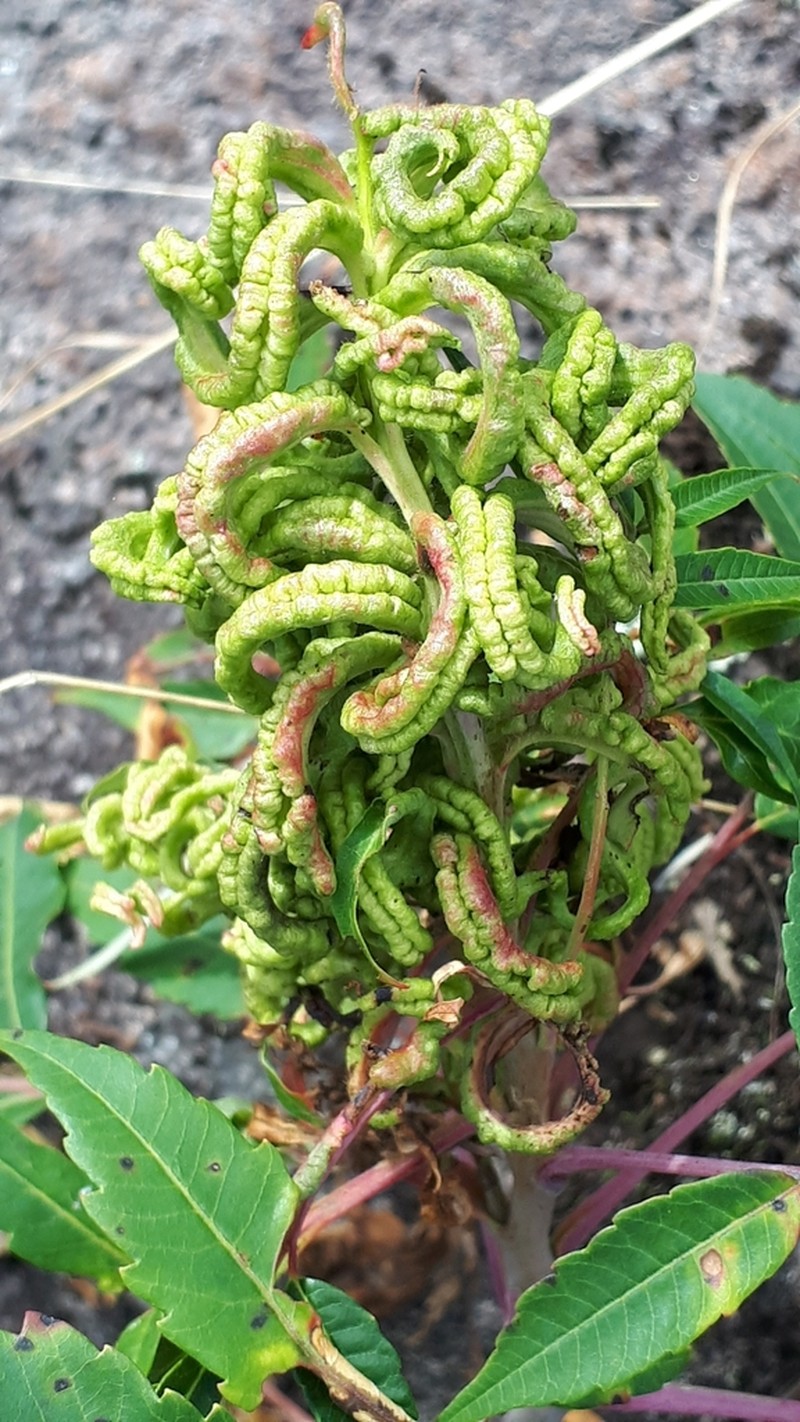
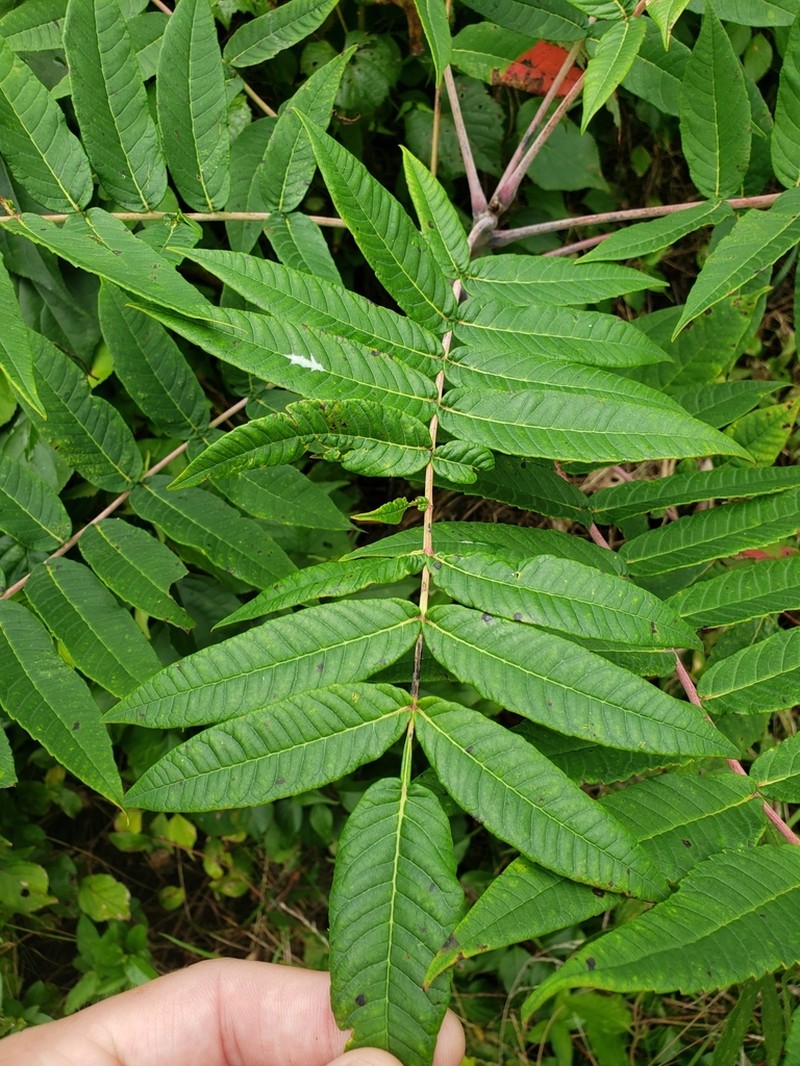
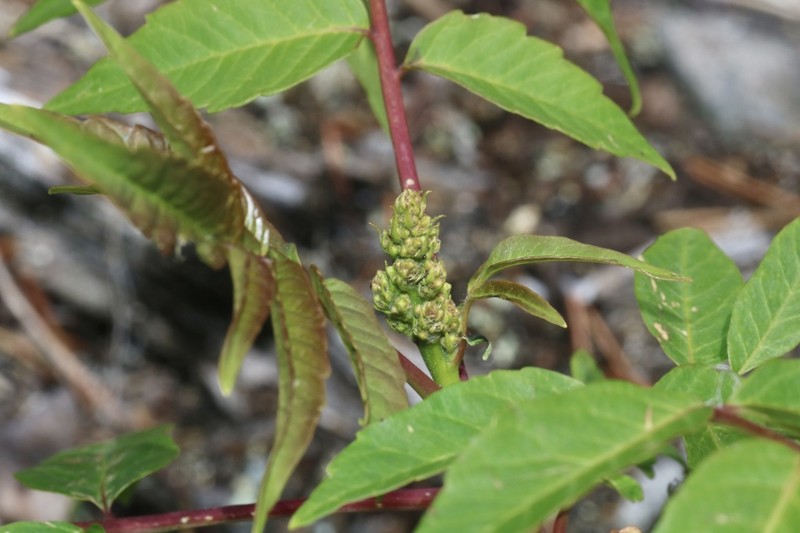
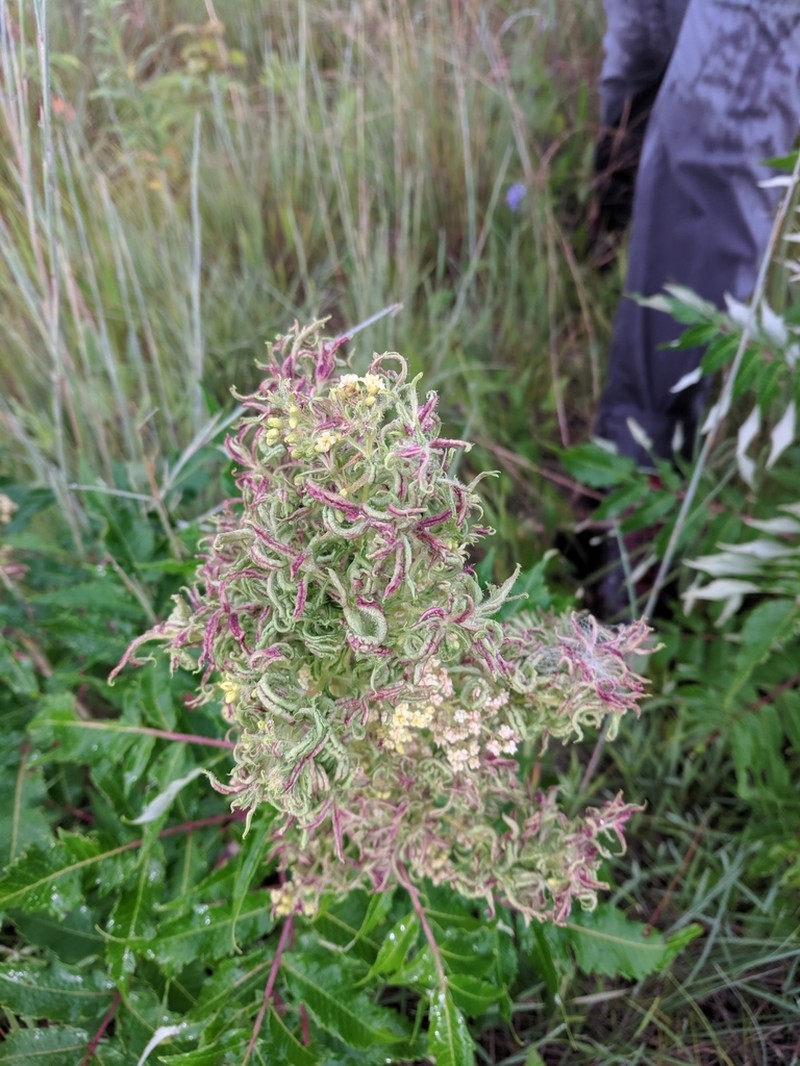
Smooth Sumac
Rhus glabra
Also known as: Hybrid Sumac
- Native to:
- Canada, Mexico, United States, Virgin Islands
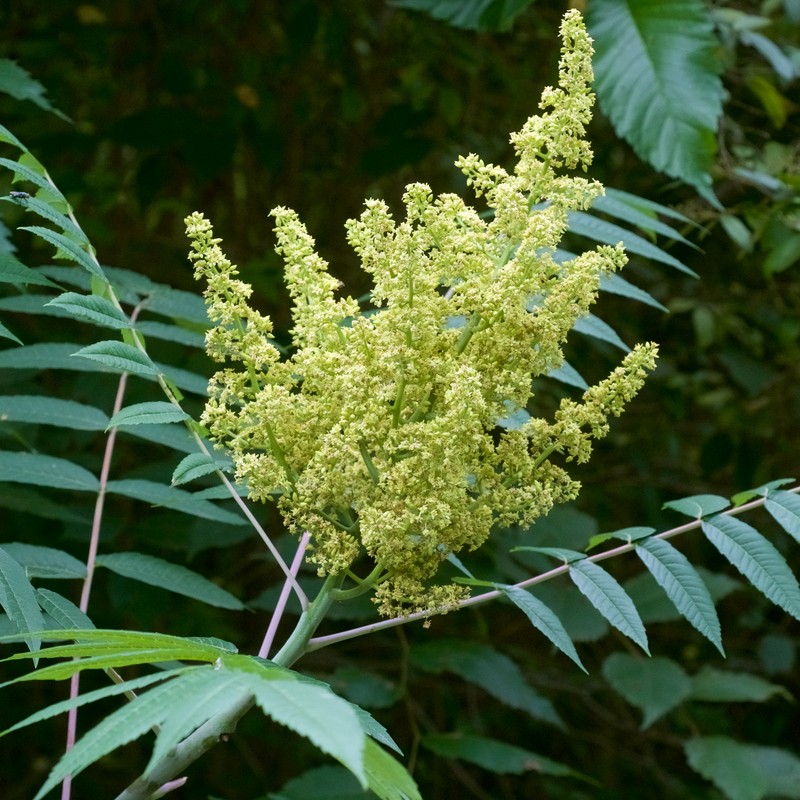
Eric Hunt
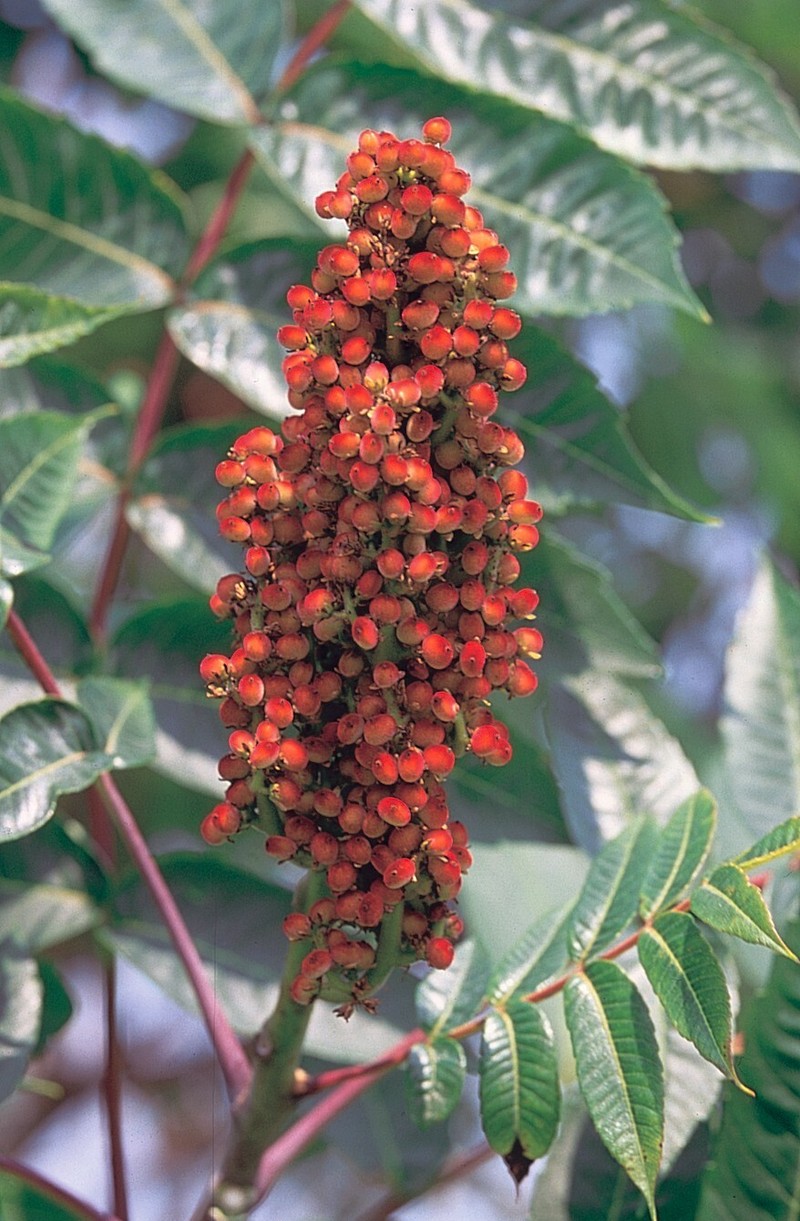
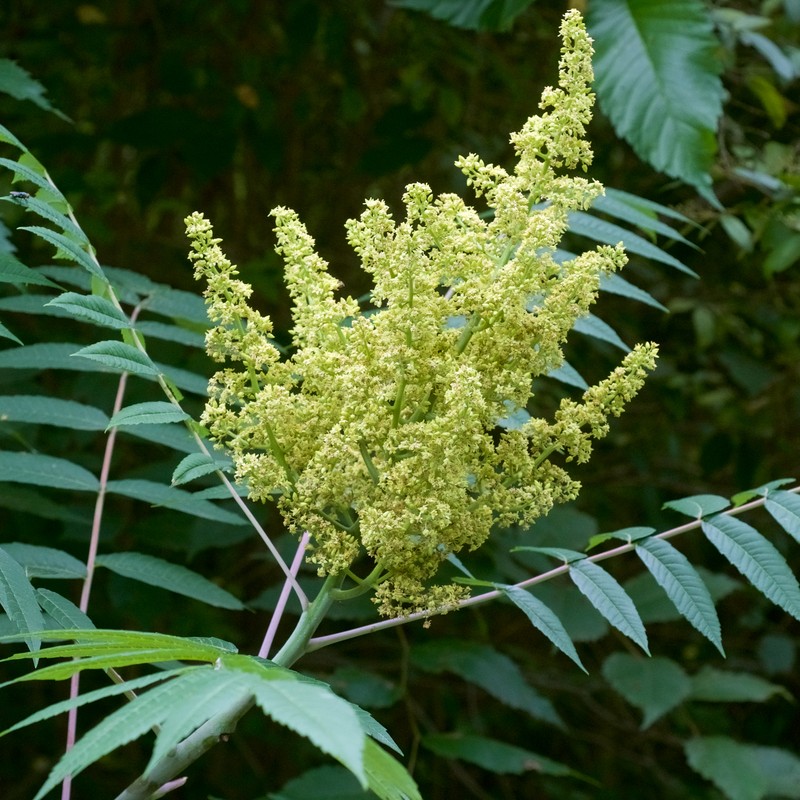
Taxonomy
- Division:
- Magnoliophyta | - Flowering plants
- Family:
- Anacardiaceae
- Genus:
- Rhus
- Species:
- Rhus glabra
- USDA Symbol:
- RHGL
Growth Characteristics
- Life Cycle:
- Perennial
- Growth Habit:
- Shrub , Tree
- Height:
- 610 cm
- Light Requirements:
- Full Sun,Part Shade,Shade
- Drought Tolerance:
- High
- Bloom Months:
- jun,jul
- Bloom Colors:
- greenish-yellow
- Landscaping Shrub:
- Yes
Wildlife Benefits
- Bees:
- ★☆☆☆☆ Documented bee visitation (GBIF)
- Butterflies & Moths:
- ★☆☆☆☆ Documented Lepidoptera association (GBIF)
Keystone Species Ranking
- Caterpillar Keystone:
- ★★★★☆ Butterfly & moth species supported by this genus (NWF)
Host Plant for Caterpillars
Cecropia moth (Hyalophora cecropia), Endopiza rhoifructana, Gypsy moth (Lymantria dispar), Imperial Moth (Eacles imperialis), Luna moth (Actias luna), Major datana (Datana major), Oslar's eacles (Eacles oslari), Regal Moth (Citheronia regalis), Variable antepione (Antepione thisoaria), Holly Blue (Celastrina argiolus)
Reported Fauna Sightings
Bees: Eastern Carpenter Bee (Xylocopa virginica), Two-spotted bumble (Bombus bimaculatus), ⚠️Western honey bee (Apis mellifera) Moths:Eight-spotted Forester (Alypia octomaculata), spotted datana (Datana perspicua), Stigmella intermedia Butterflies:Banded Hairstreak (Satyrium calanus), Pearl Crescent (Phyciodes tharos)
Garden & Ecology Notes
- Wildlife Value:
- birds, small mammals
- Salt Tolerant:
- Yes
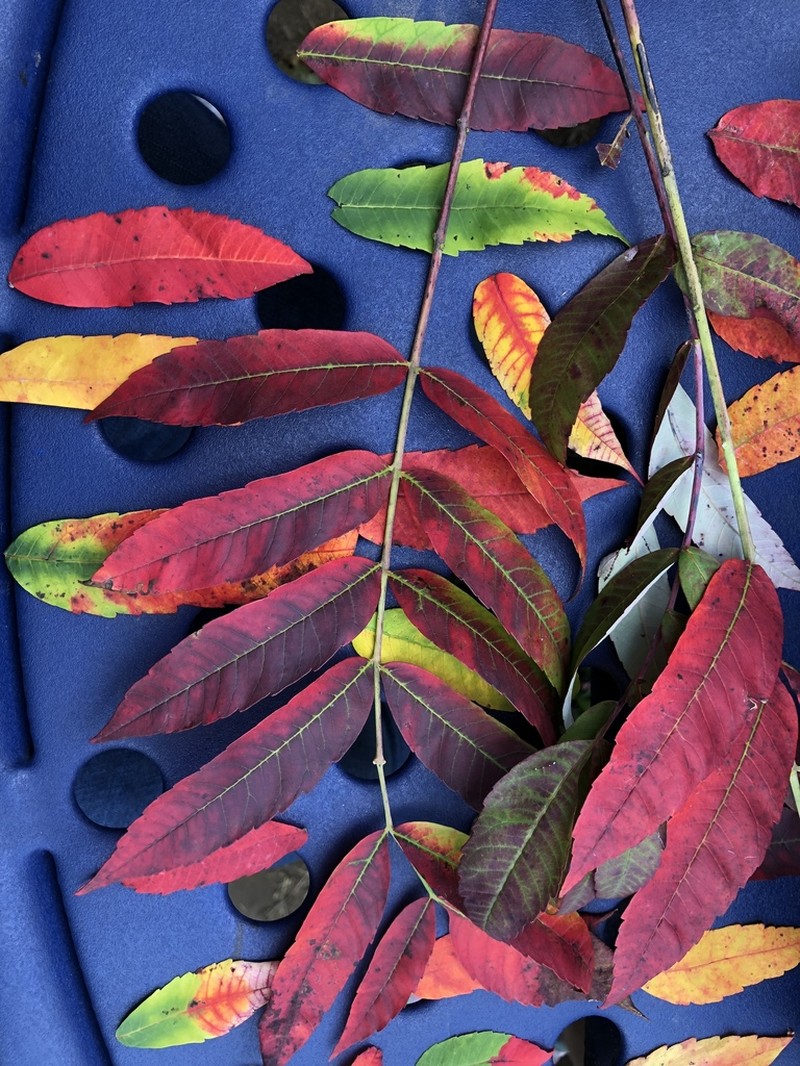
- Fall Color:
- red, orange
- Fire Ecology:
- Fire adapted — tolerates or benefits from fire
- Fire Notes:
- Smooth sumac resprouts vigorously from root crowns after fire; fire can stimulate seed germination.
Soil Requirements
- Soil Type:
- well-drained, sandy or rocky soil
- pH:
- 4.5 - 7.5 (acidic to neutral)
- Drainage:
- excellent drainage required
- Moisture:
- dry to moderate
- Notes:
- adaptable to various soil types but prefers dry conditions
Propagation & Germination
- Stratification:
- Cold/moist stratification required — 30–60 days
- Scarification:
- Seed coat scarification required before sowing
- Germination Time:
- 30–90 days
- Notes:
- Seeds require scarification (acid or mechanical) followed by cold stratification for 30-60 days.
Pre-treatment: Seeds are scarified using a sulfuric acid bath, then immediately imbibed in water for 3 days. After pretreatment, seeds are naturally stratified by fall sowing. Some protocols suggest boiling the seed for 1 minute or mechanical scarification.
Establishment: Seeds are typically collected in the fall and stored. Some protocols suggest using a fungicide and endomycorrhizae. There are regional variations in collection and sowing times, and some protocols suggest different scarification methods.
Source: npn.rngr.net
Where to Buy
Nationwide Seller
- Native Plants Nursery (nursery)
- Native Seed Group (seeds)
- Butterfield Seeds (seeds)
- Sheffield's Seed (seeds)