
Staghorn Sumac
Rhus typhina
- Native to:
- Canada, Prince Edward I., United States, Virgin Islands
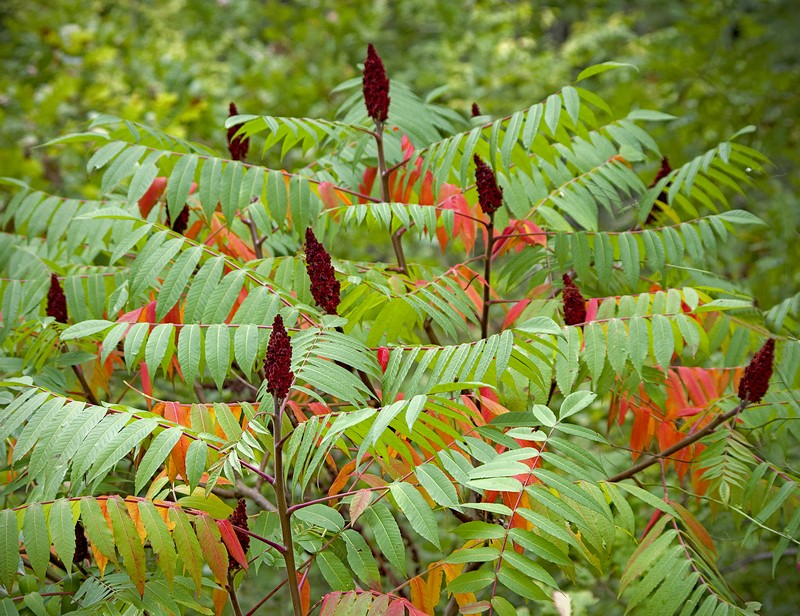
Katya (www.flickr.com) from Moscow, Russia
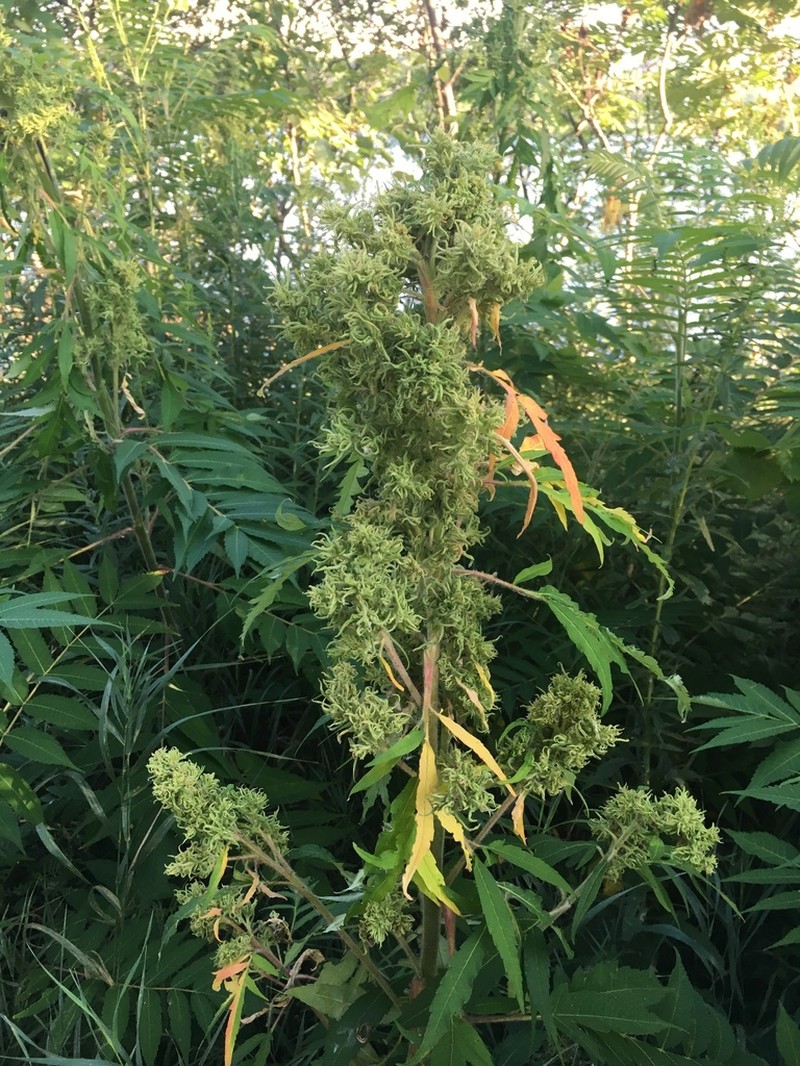
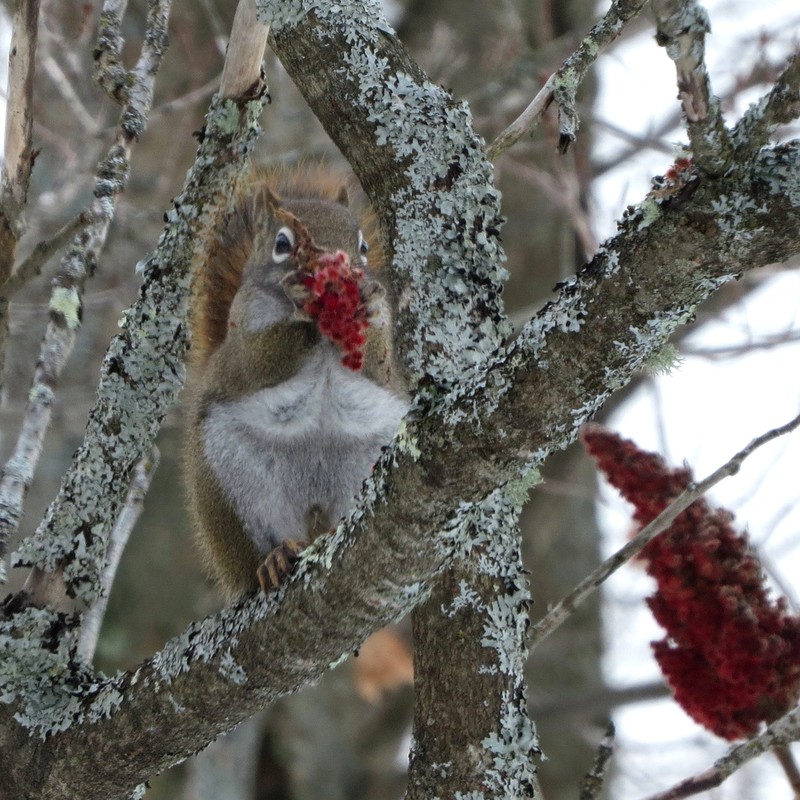
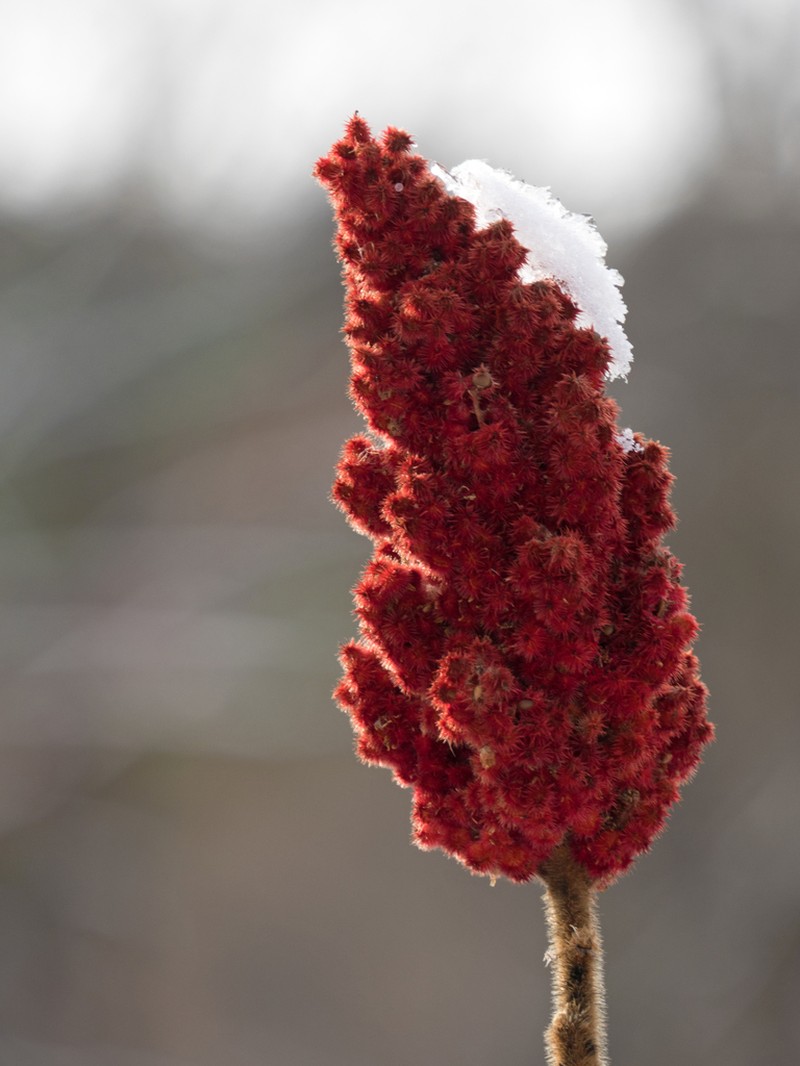
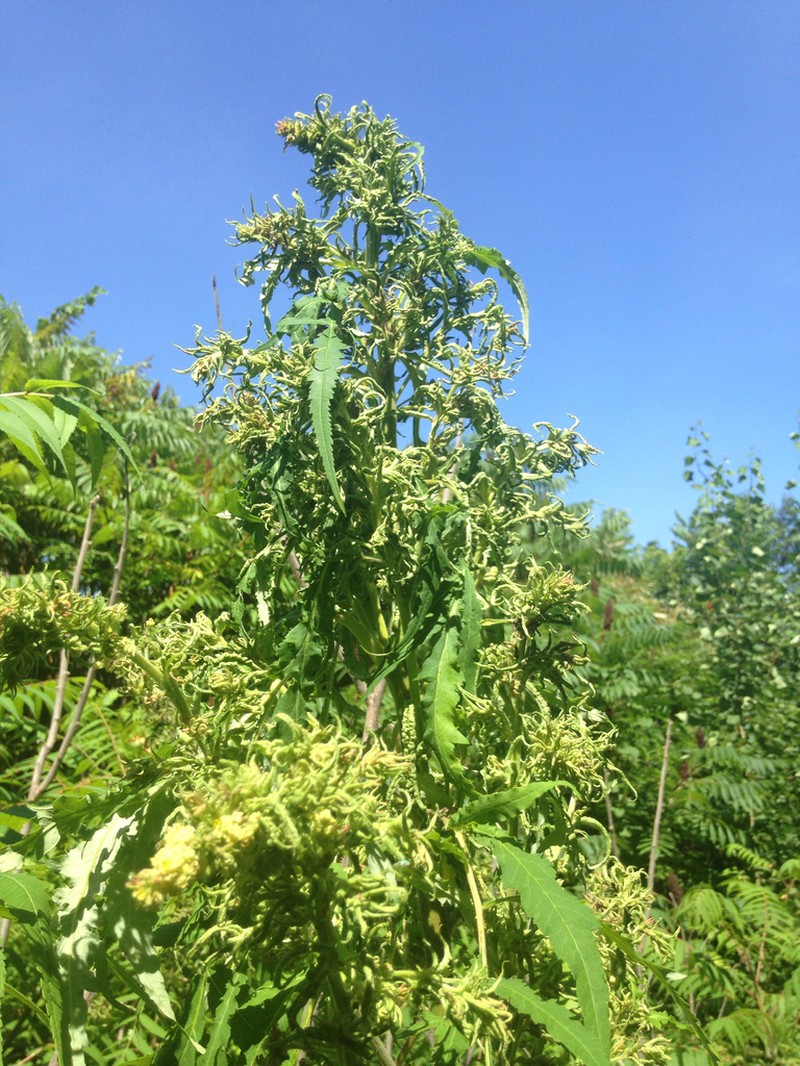
Taxonomy
- Division:
- Magnoliophyta | - Flowering plants
- Family:
- Anacardiaceae
- Genus:
- Rhus
- Species:
- Rhus typhina
- USDA Symbol:
- RHTY
Growth Characteristics
- Life Cycle:
- Perennial
- Growth Habit:
- Shrub , Tree
- Height:
- 900 cm
- Light Requirements:
- Full Sun,Part Shade,Shade
- Drought Tolerance:
- High
- Bloom Months:
- jun,jul
- Bloom Colors:
- greenish-yellow
Wildlife Benefits
- Bees:
- ★☆☆☆☆ Documented bee visitation (GBIF)
- Butterflies & Moths:
- ★★★☆☆ Documented Lepidoptera association (GBIF)
- Caterpillars:
- ★★★☆☆ Recorded caterpillar host plant (HOSTS Database)
Keystone Species Ranking
- Caterpillar Keystone:
- ★★★★☆ Butterfly & moth species supported by this genus (NWF)
Host Plant for Caterpillars
Anacampsis rhoifructella, black-tipped pyralid moth (Moodna ostrinella), Caloptilia belfrageella, Canadian Melanolophia (Melanolophia canadaria), Cecropia moth (Hyalophora cecropia), Gypsy moth (Lymantria dispar), Marathyssa inficita, Mendocino saturnia moth (Saturnia mendocino), Peppered Moth (Biston betularia), Pseudochelaria walsinghami, purplish leafroller moth (Olethreutes permundana), Regal Moth (Citheronia regalis), Showy Emerald (Dichorda iridaria), Splendid Royal Moth (Citheronia splendens), spotted datana (Datana perspicua), Sumac Leafblotch Miner Moth (Caloptilia rhoifoliella), Variable antepione (Antepione thisoaria), White-lined leafroller (Amorbia humerosana), Red-banded Hairstreak (Calycopis cecrops)
Reported Fauna Sightings
Bees: Common eastern (Bombus impatiens), ⚠️Western honey bee (Apis mellifera) Moths:Hickory Tussock Moth (Lophocampa caryae), Stigmella intermedia, Sumac Leafblotch Miner Moth (Caloptilia rhoifoliella), White-marked Tussock Moth (Orgyia leucostigma)
Garden & Ecology Notes
- Wildlife Value:
- birds, small mammals
- Salt Tolerant:
- Yes
- Fall Color:
- red, orange
- Fire Ecology:
- Fire adapted — tolerates or benefits from fire
- Fire Notes:
- Suckers vigorously after fire; seeds require heat to break dormancy.
Soil Requirements
- Soil Type:
- sandy, well-drained, nutrient-poor soil
- pH:
- 4.5 - 6.5 (acidic to slightly acidic)
- Drainage:
- excellent drainage required
- Moisture:
- dry to moderate
- Notes:
- Thrives in disturbed areas and open fields
Propagation & Germination
- Stratification:
- Cold/moist stratification required — 30–60 days
- Scarification:
- Seed coat scarification required before sowing
- Germination Time:
- 30–90 days
- Notes:
- Seeds require scarification (hot water or acid) followed by cold stratification.
Pre-treatment: Scarification: boil water to cover the seeds. Cool for one day. Mix equal amount of seeds with perlite or vermiculite in a bag or container. Add a small amount of water. Cold store (33-42 degrees F) for 3-5 months.
Establishment: Seed is collected by hand from locally native plants within the eastern Upper Peninsula. Flowers from May to July. Seed is harvested in late summer to fall. No artificial light is used in the greenhouse.
Source: npn.rngr.net
Where to Buy
Nationwide Seller
- Sheffield's Seed (seeds)
- Ernst Seeds (seeds)