
Poison Sumac
Toxicodendron vernix
- Native to:
- Canada, United States, Virgin Islands
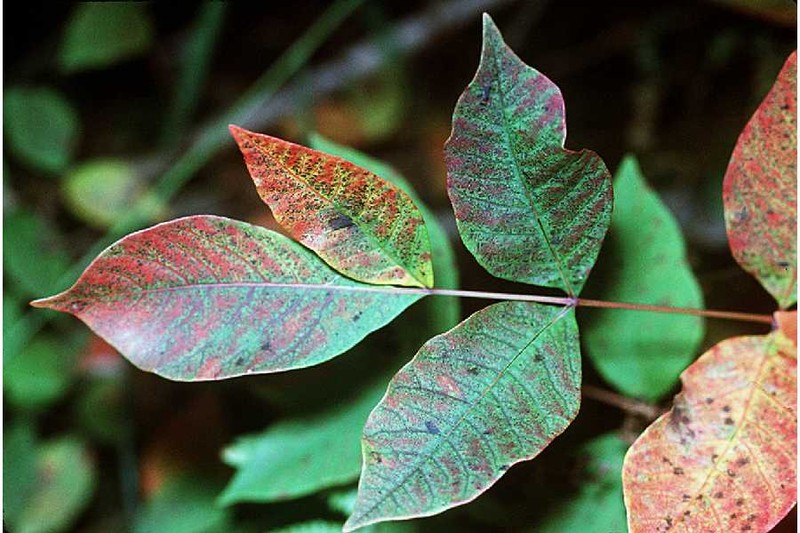
iNaturalist: © douggoldman (iNaturalist #51096338)
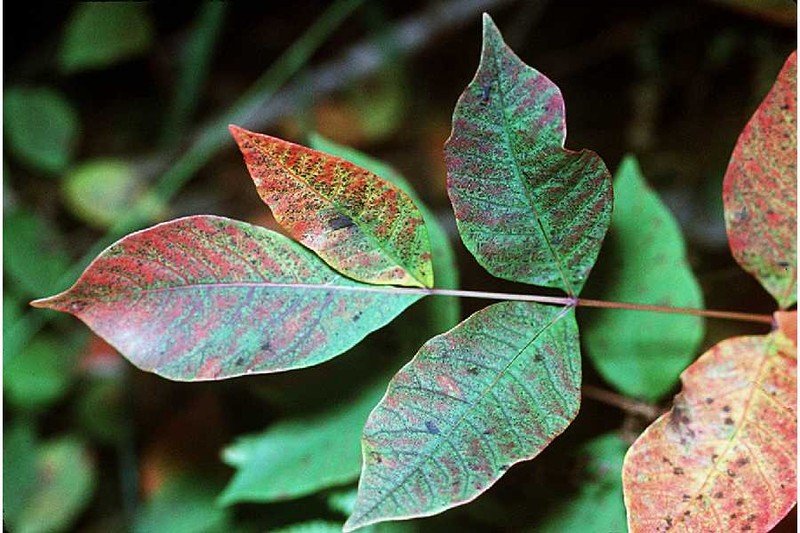
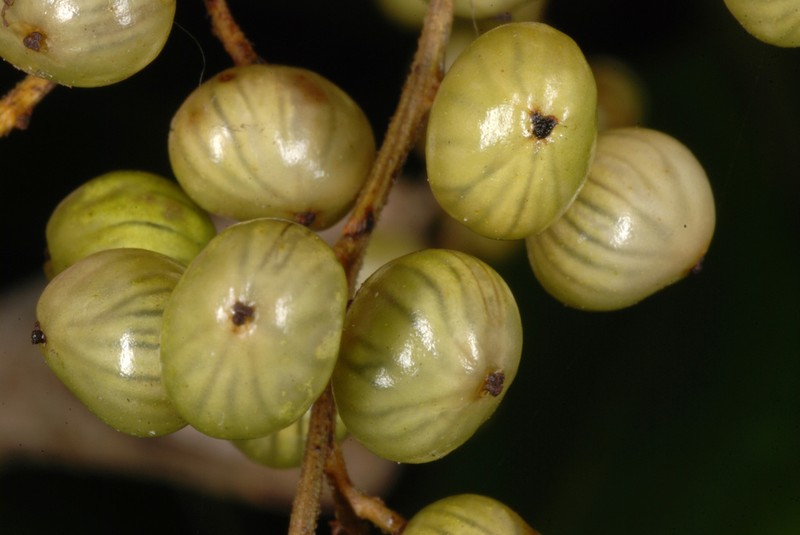
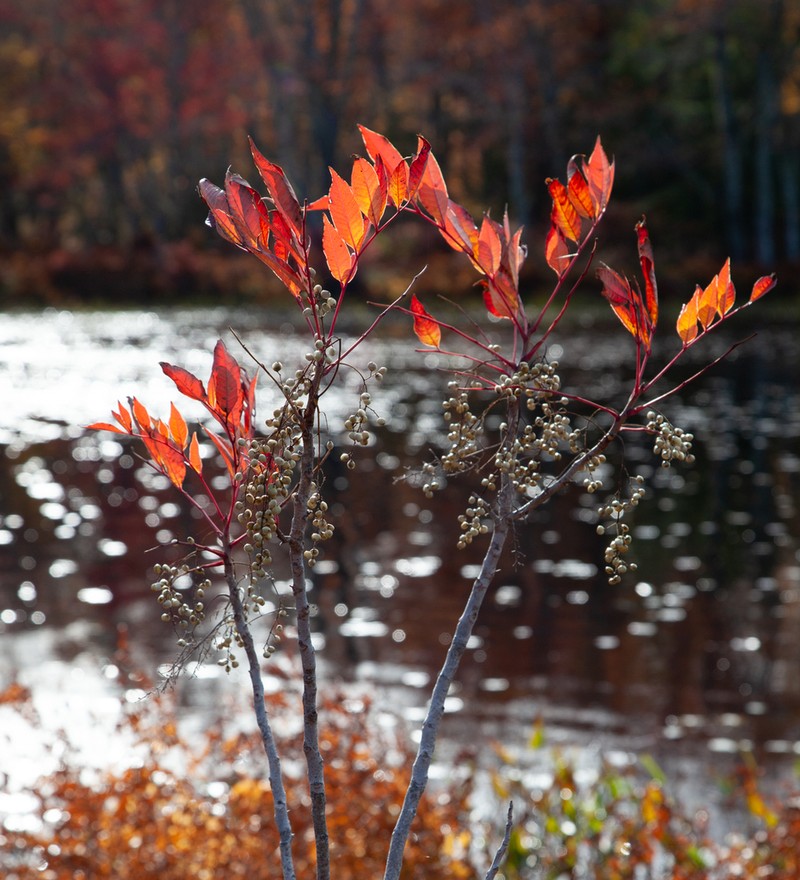
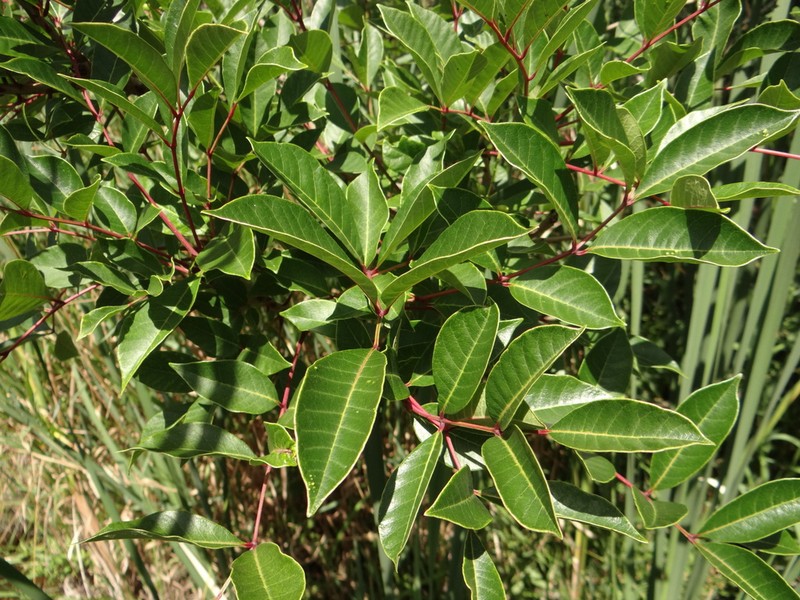
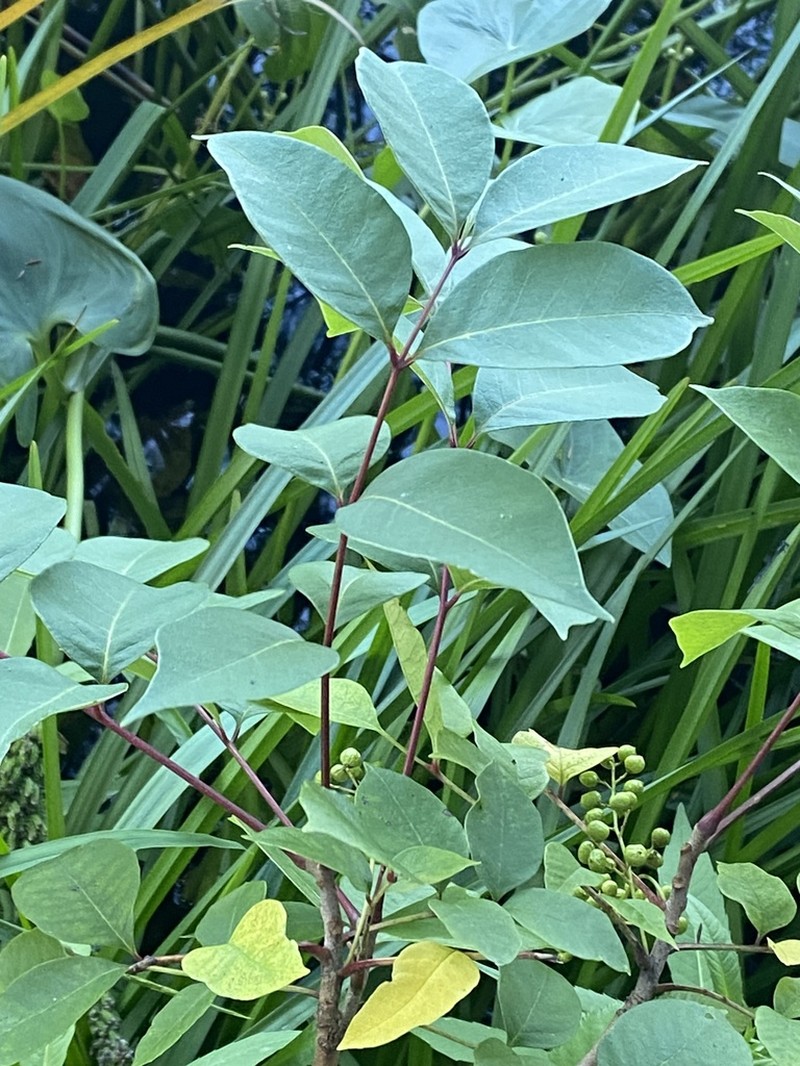
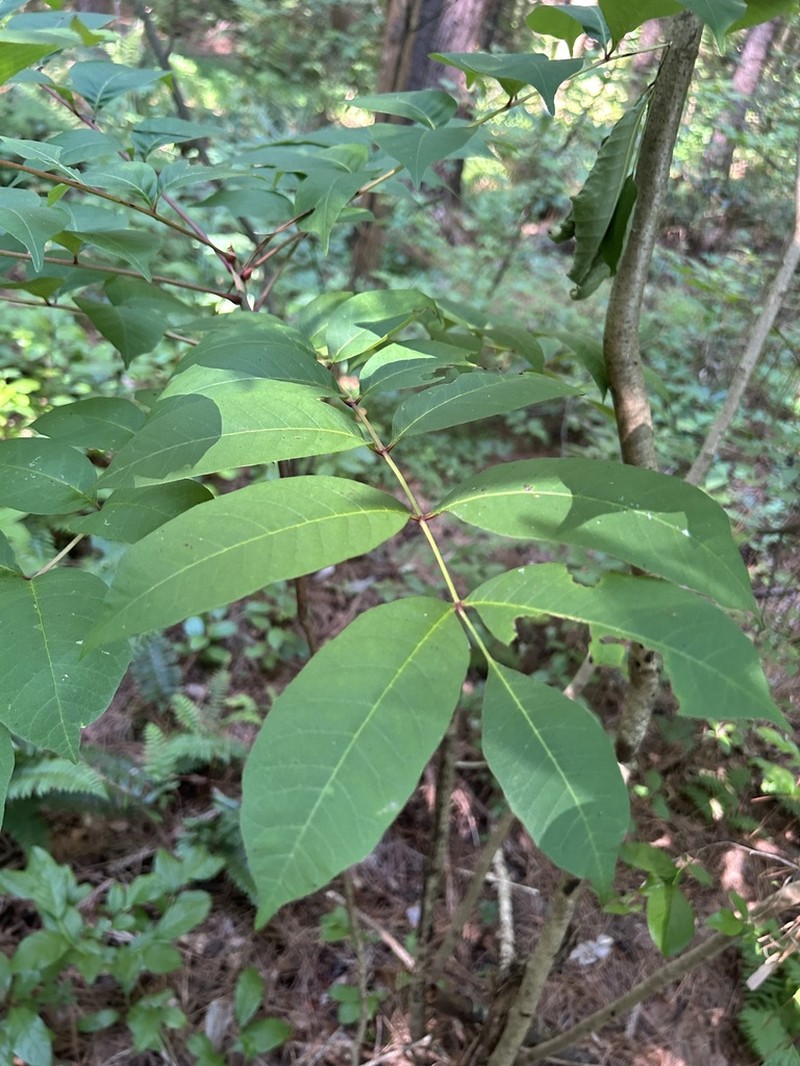
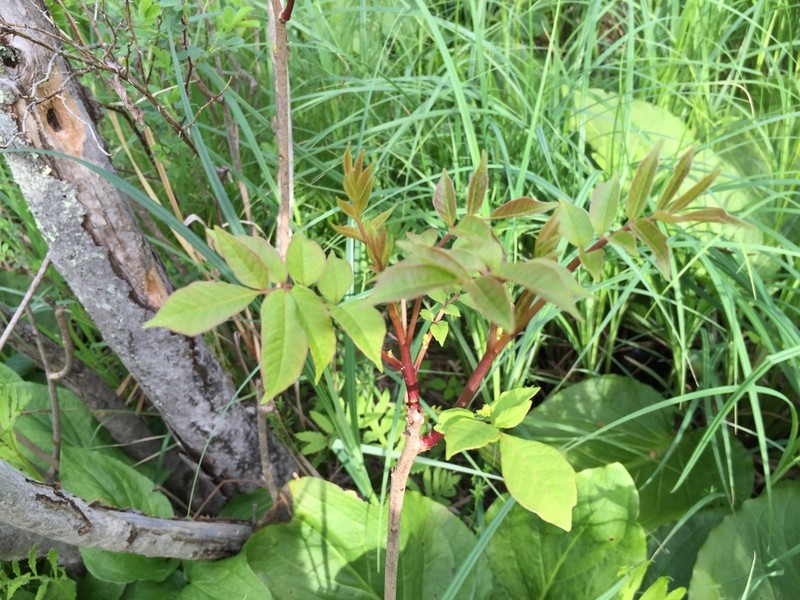
Taxonomy
- Division:
- Magnoliophyta | - Flowering plants
- Family:
- Anacardiaceae
- Genus:
- Toxicodendron
- Species:
- Toxicodendron vernix
- USDA Symbol:
- TOVE
Growth Characteristics
- Life Cycle:
- Perennial
- Growth Habit:
- Shrub , Tree
- Height:
- 900 cm
- Light Requirements:
- Part Shade,Shade
- Drought Tolerance:
- Low
- Bloom Months:
- may,jun
- Bloom Colors:
- greenish-yellow
Wildlife Benefits
- Butterflies & Moths:
- ★★★★★ Documented Lepidoptera association (GBIF)
- Caterpillars:
- ★☆☆☆☆ Recorded caterpillar host plant (HOSTS Database)
Host Plant for Caterpillars
Episimus argutanus, Eutelia pulcherrimus, Spotted Tussock Moth (Lophocampa maculata)
Garden & Ecology Notes
- Wildlife Value:
- birds
- Deer Resistant:
- Yes
- Fall Color:
- red, orange
Soil Requirements
- Soil Type:
- wet, organic-rich, poorly-drained soil
- pH:
- 4.5 - 6.0 (acidic)
- Drainage:
- tolerates poor drainage
- Moisture:
- consistently moist
- Notes:
- commonly found in wetlands and bogs
Propagation & Germination
- Stratification:
- Cold/moist stratification required — 60–90 days
- Germination Time:
- 30–60 days
- Notes:
- Seeds require cold stratification for 60-90 days to break dormancy.
Pre-treatment: Seeds are not given a stratification or scarification, but may benefit from such a treatment. Seeds are similar to Rhus spp. seeds, which have markedly greater germination after acid scarification.
Establishment: The plant is found in Southern Maine and southwest Nova Scotia to Minnesota, Ohio, and Indiana, south to Florida and Texas. It is usually found in swamps, often in shade.
Source: npn.rngr.net