
Bigflower Pawpaw
Asimina obovata
- Native to:
- United States
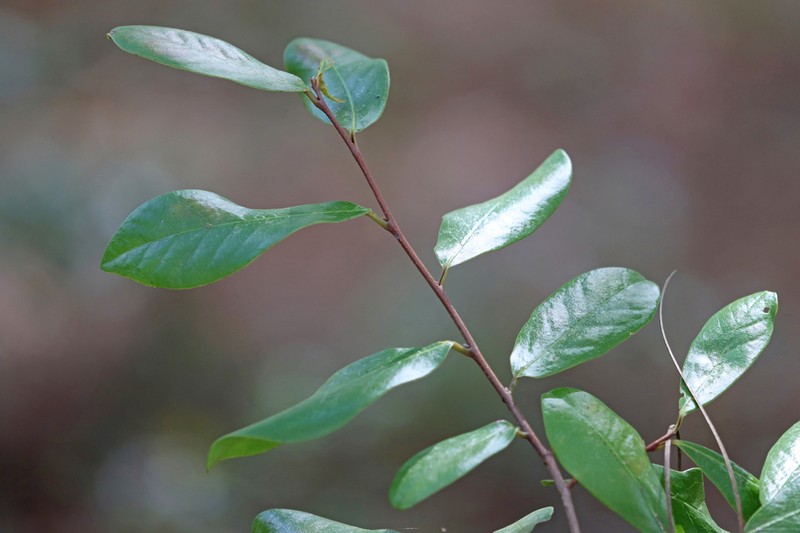
iNaturalist: © stevecollins (iNaturalist #248876194)
Taxonomy
- Division:
- Magnoliophyta | - Flowering plants
- Family:
- Annonaceae
- Genus:
- Asimina
- Species:
- Asimina obovata
- USDA Symbol:
- ASOB6
Growth Characteristics
- Life Cycle:
- Perennial
- Growth Habit:
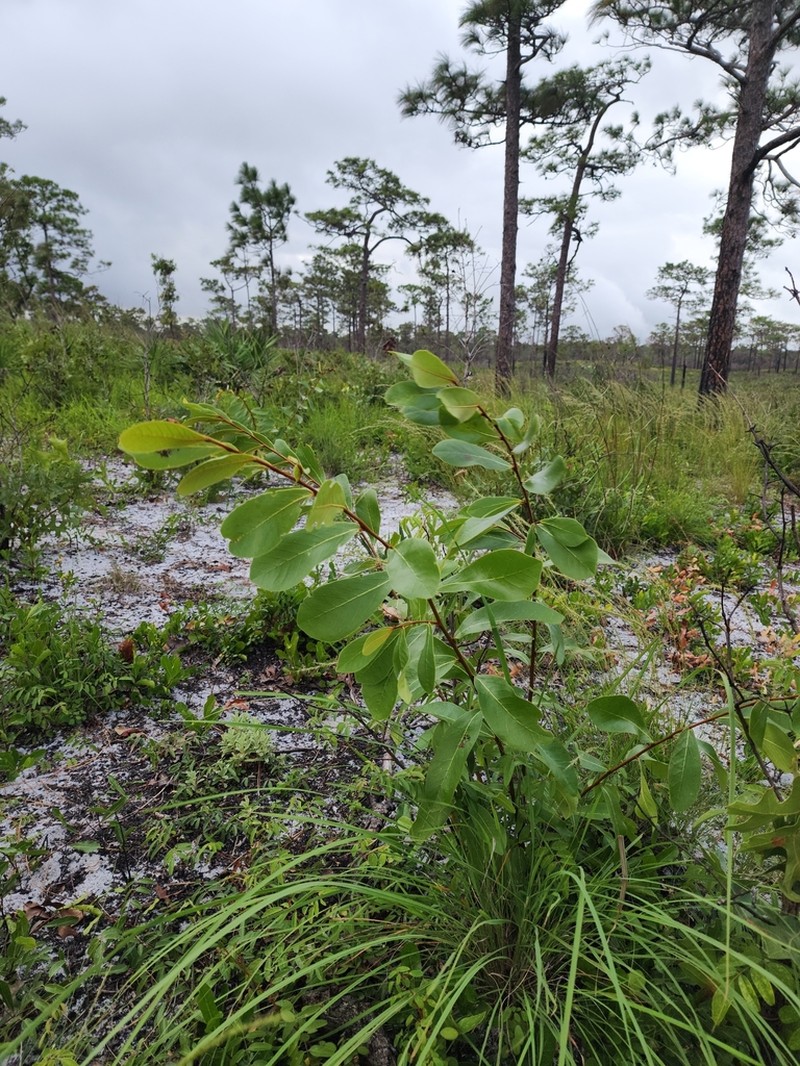
- Shrub , Tree
- Height:
- 300 cm
- Light Requirements:
- Full Sun
- Drought Tolerance:
- Medium
- Bloom Months:
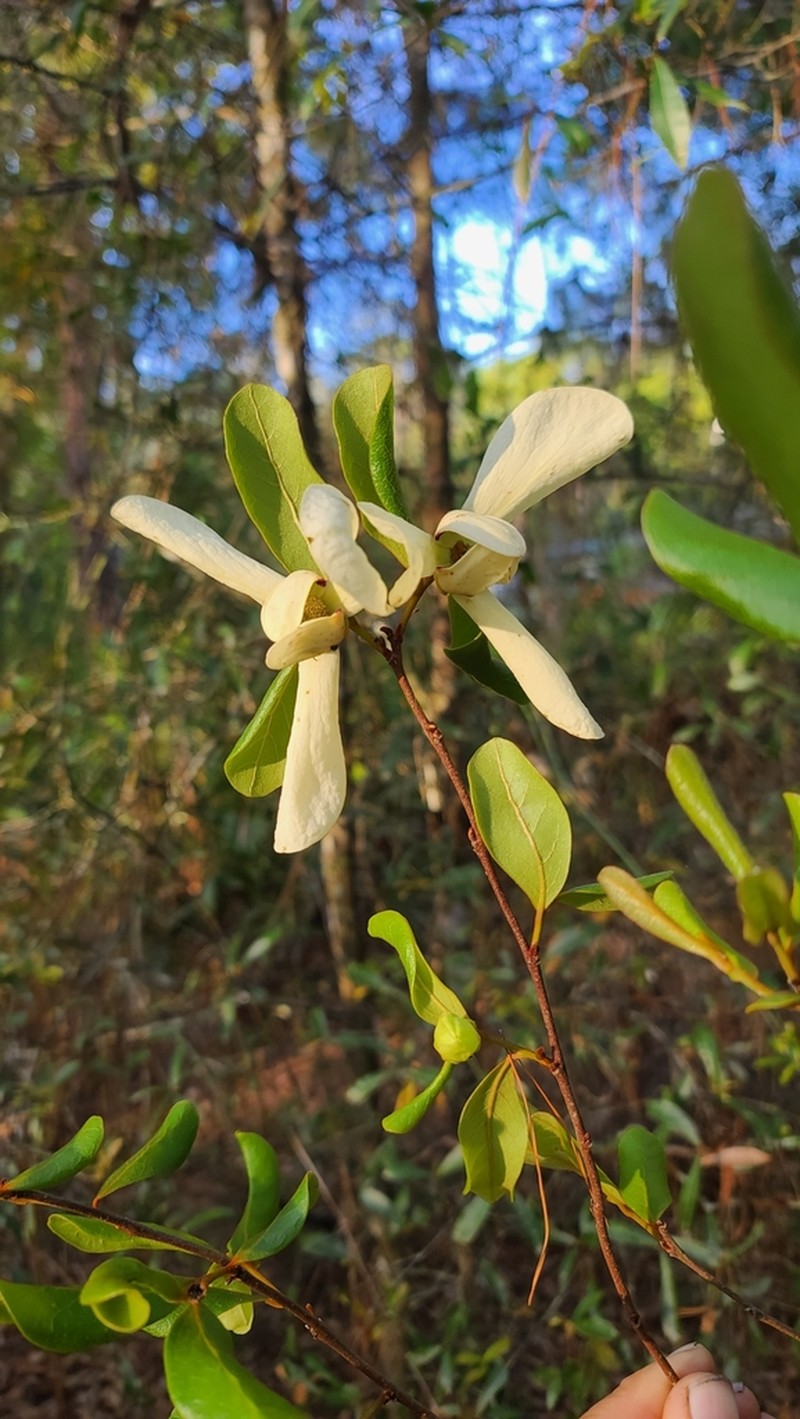
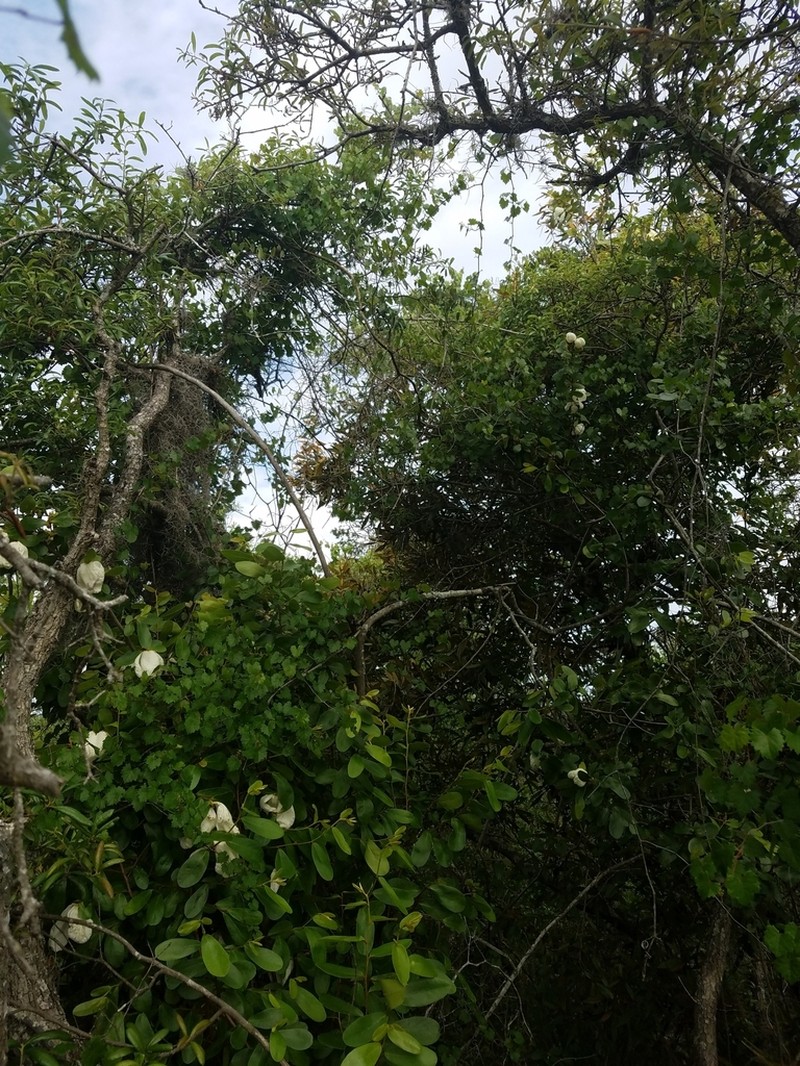
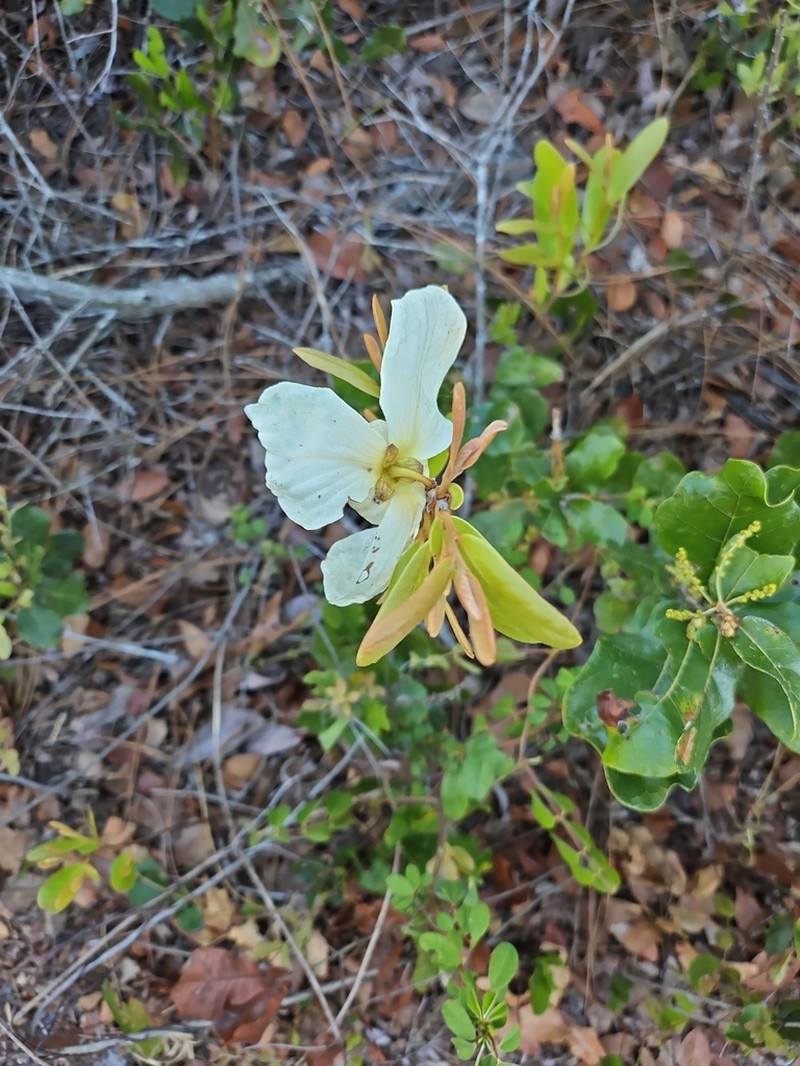
- mar,apr,may
- Bloom Colors:
- white, cream
- Landscaping Shrub:
- Yes
Wildlife Benefits
- Butterflies & Moths:
- ★☆☆☆☆ Documented Lepidoptera association (GBIF)
- Caterpillars:
- ★☆☆☆☆ Recorded caterpillar host plant (HOSTS Database)
Host Plant for Caterpillars
Zebra Swallowtail (Eurytides marcellus)
Reported Fauna Sightings
Moths:Omphalocera munroei
Garden & Ecology Notes
- Wildlife Value:
- birds, butterflies, small mammals
- Fragrant:
- Yes
- Fall Color:
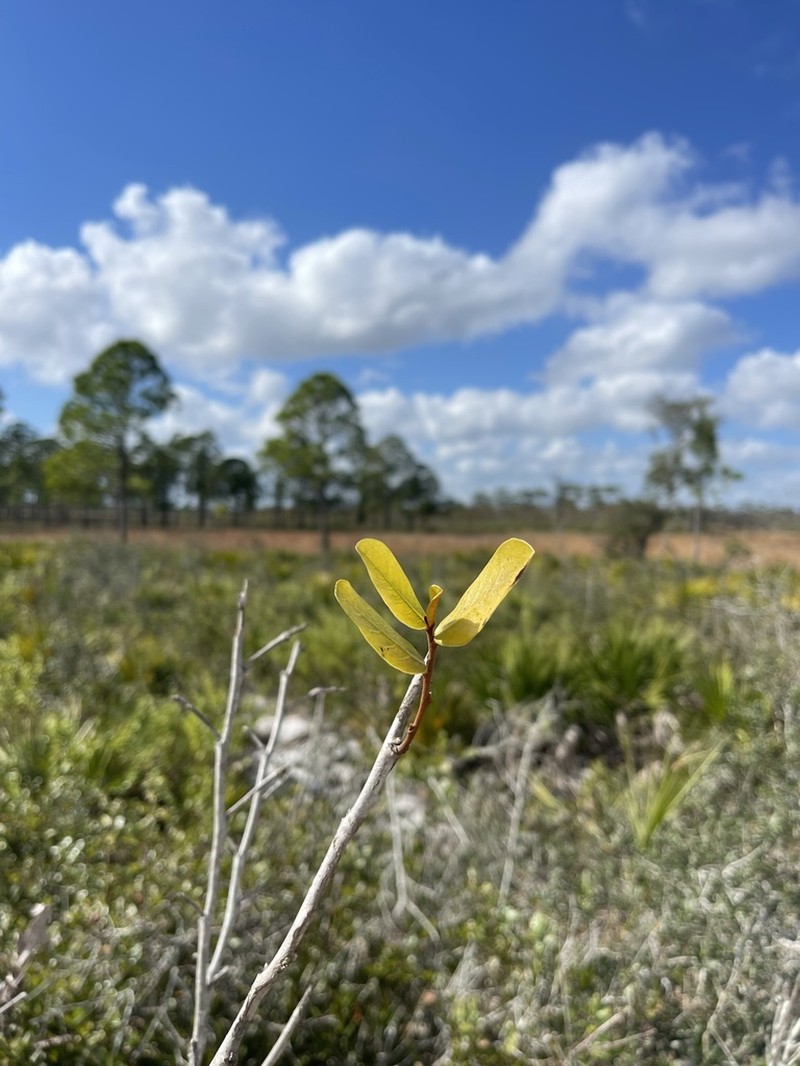
- yellow
- Fire Ecology:
- Fire adapted — tolerates or benefits from fire
- Fire Notes:
- Can resprout after fire; fire helps maintain open habitat in its native scrub ecosystem.
Soil Requirements
- Soil Type:
- sandy, acidic, nutrient-poor soil
- pH:
- 4.5 - 6.5 (acidic to slightly acidic)
- Drainage:
- excellent drainage required
- Moisture:
- dry to moderate
- Notes:
- Native to scrub and pine flatwoods in Florida.
Propagation & Germination
- Stratification:
- Cold/moist stratification required — 60–90 days
- Germination Time:
- 30–60 days
- Notes:
- Seeds require cold stratification for 60-90 days to break dormancy; germination occurs in spring.
Pre-treatment: Cold-moist stratification for 30 days at 1–5°C (34–41°F).; then Cold-moist stratification for 60 days.
Notes: Seeds may require light for germination.
Source: Claude AI