
Pawpaw
Asimina triloba
- Native to:
- Canada, United States, Virgin Islands
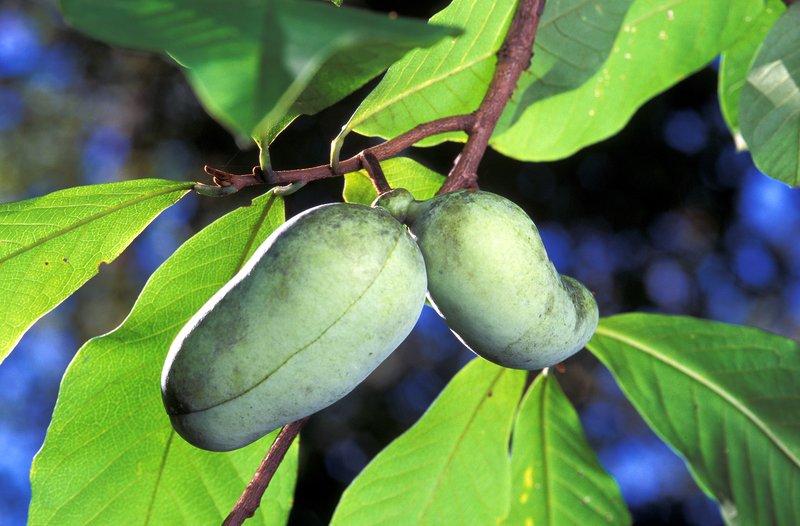
Scott Bauer, USDA
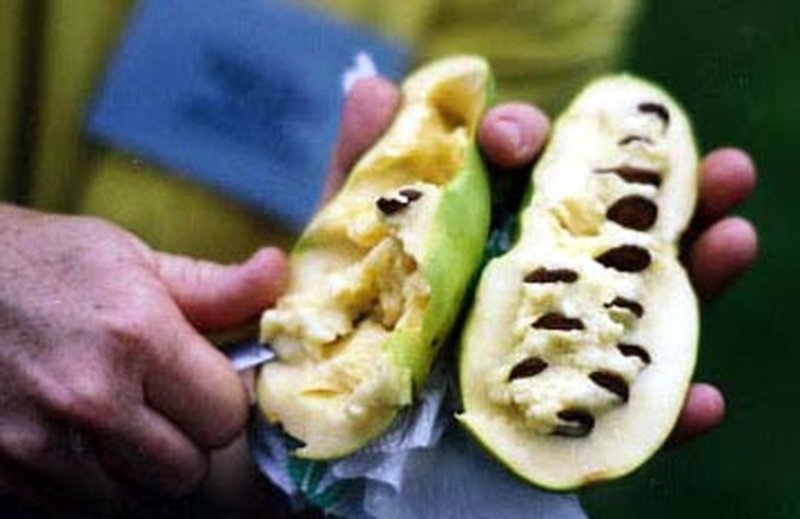
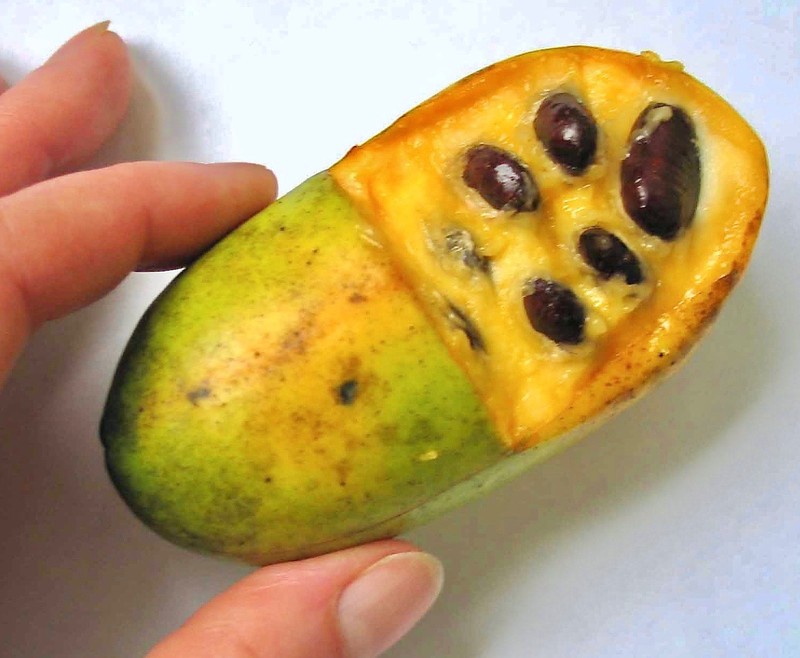
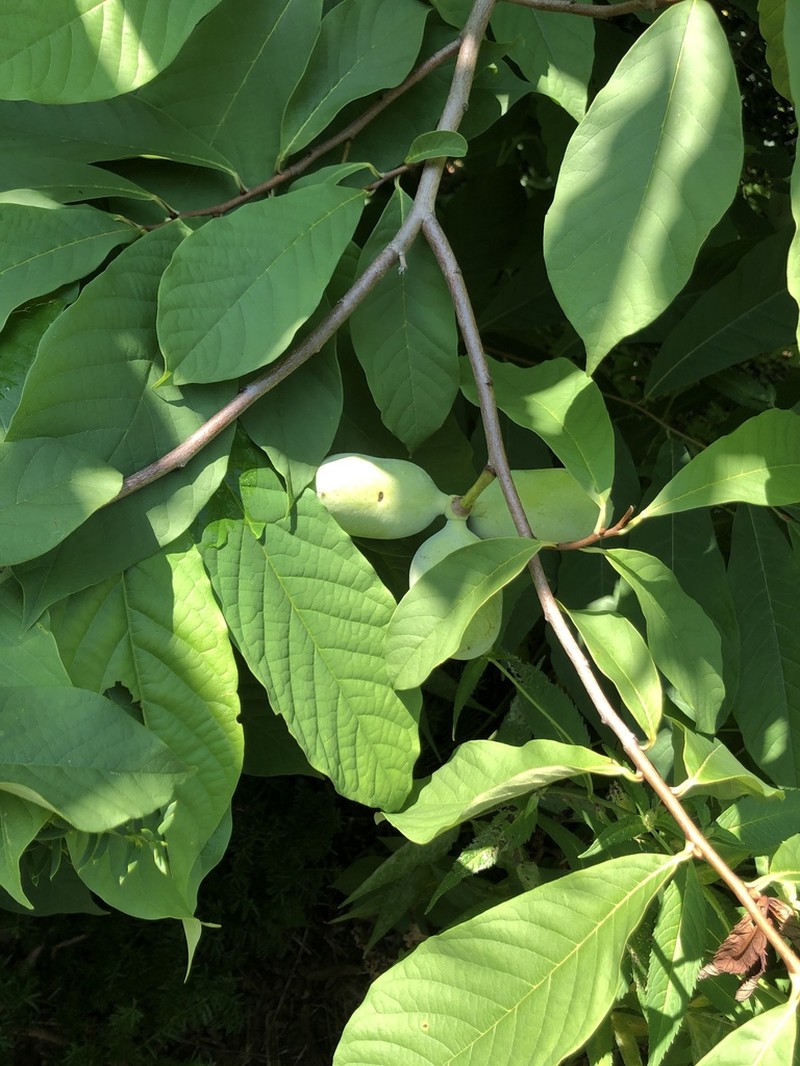
Taxonomy
- Division:
- Magnoliophyta | - Flowering plants
- Family:
- Annonaceae
- Genus:
- Asimina
- Species:
- Asimina triloba
- USDA Symbol:
- ASTR
Growth Characteristics
- Life Cycle:
- Perennial
- Growth Habit:
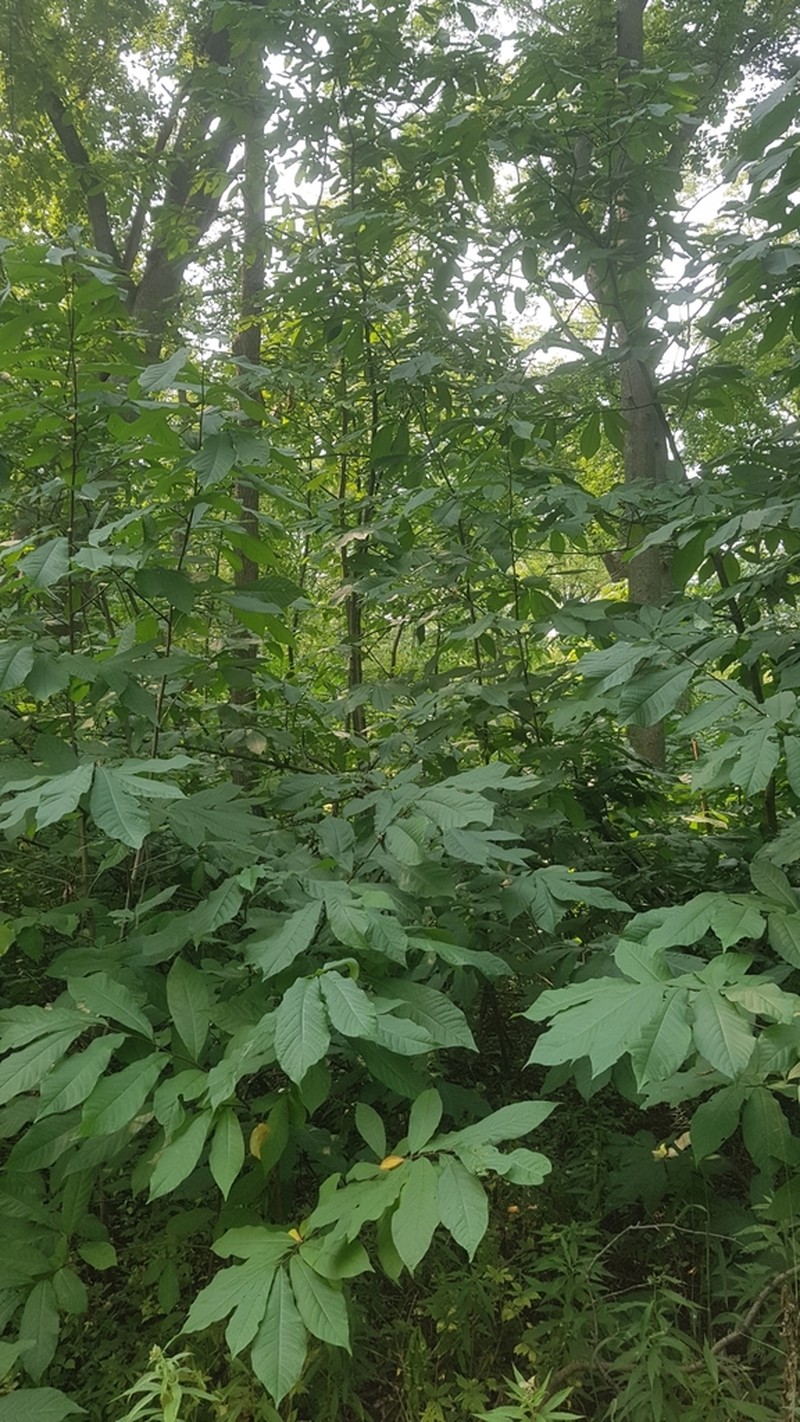
- Shrub , Tree
- Height:
- 1400 cm
- Light Requirements:
- Full Sun,Part Shade,Shade
- Drought Tolerance:
- Medium
- Bloom Months:
- mar,apr,may
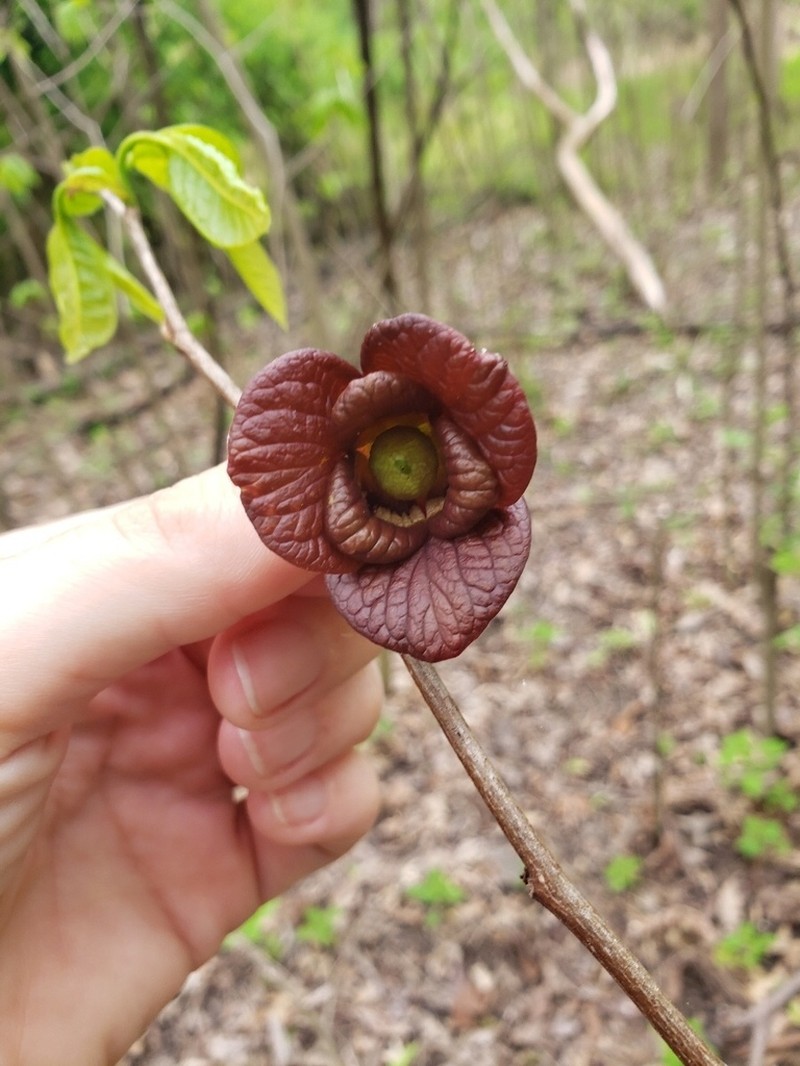
- Bloom Colors:
- maroon, purple
- Food Forest:
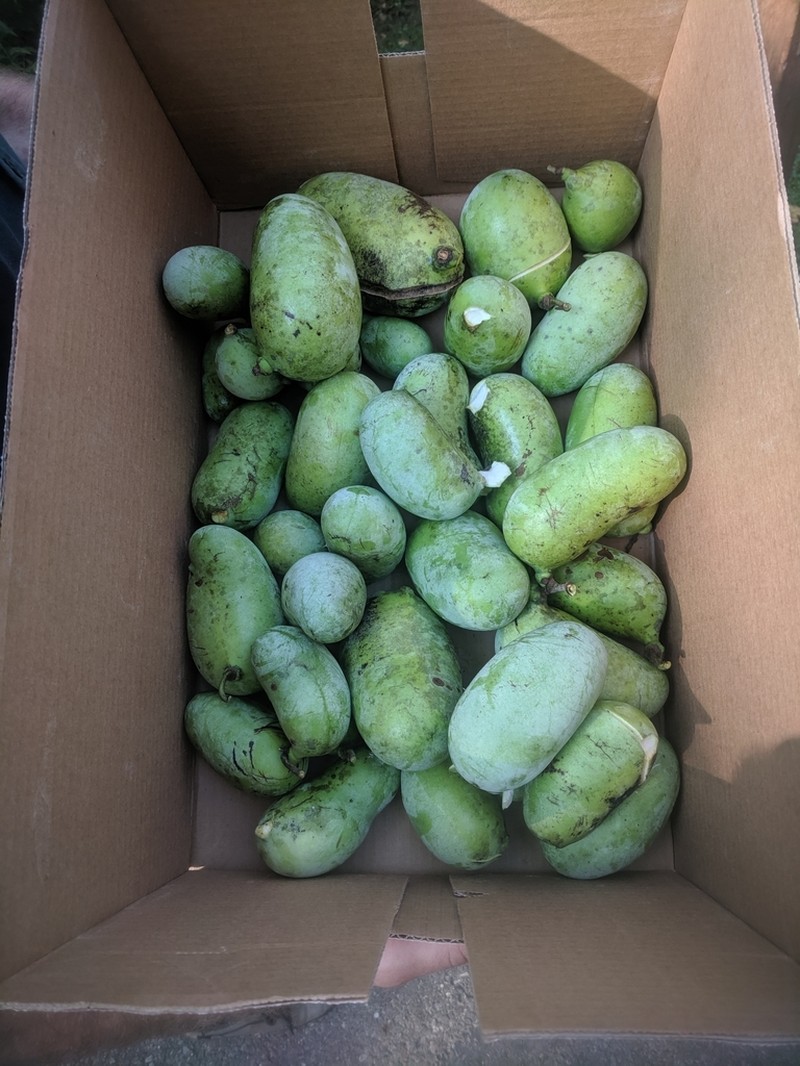
- Contains edible parts
Wildlife Benefits
- Bees:
- ★☆☆☆☆ Documented bee visitation (GBIF)
- Butterflies & Moths:
- ★★☆☆☆ Documented Lepidoptera association (GBIF)
- Caterpillars:
- ★★☆☆☆ Recorded caterpillar host plant (HOSTS Database)
Host Plant for Caterpillars
Dichrorampha sedatana, Fall webworm (Hyphantria cunea), obsoletana leafroller (Choristoneura obsoletana), Omphalocera cariosa, Omphalocera munroei, pawpaw sphinx (Dolba hyloeus), Pink-spotted hawk moth (Agrius cingulata), plummer's talponia moth (Talponia plummeriana), Spotted Apatelodes (Apatelodes torrefacta), stinging rose caterpillar (Parasa indetermina), white-striped tussock moth (Hemerocampa leucostigma), Zebra Swallowtail (Eurytides marcellus)
Reported Fauna Sightings
Moths:Omphalocera munroei, pawpaw sphinx (Dolba hyloeus), plummer's talponia moth (Talponia plummeriana), Saddleback Caterpillar Moth (Acharia stimulea), Tulip-tree beauty (Epimecis hortaria) Butterflies:Zebra Swallowtail (Eurytides marcellus)
Garden & Ecology Notes
- Wildlife Value:
- birds, small mammals, butterflies
- Fragrant:
- Yes
- Fall Color:
- yellow
Soil Requirements
- Soil Type:
- rich, well-drained loamy soil
- pH:
- 5.5 - 7.0 (slightly acidic to neutral)
- Drainage:
- tolerates poor drainage
- Moisture:
- consistently moist
- Notes:
- prefers riverbanks and floodplains in native habitat
Propagation & Germination
- Stratification:
- Cold/moist stratification required — 90–120 days
- Germination Time:
- 30–60 days
- Notes:
- Seeds require cold stratification for 90-120 days; germination occurs in spring after stratification.
Pre-treatment: Seeds are soaked in water for a few hours or overnight before sowing in outdoor nursery beds in the fall for natural stratification.
Establishment: Seedlings in full sun put on very little growth, shading is critical. Seeds are collected from Cumberland Gap National Historical Park in Kentucky and Tennessee, and George Washington Memorial Parkway, Turkey Run Trail.
Source: npn.rngr.net
ORGHPS Germination Guide: Sow @ 4C for 3 weeks, then place @ 20C.
Where to Buy
Nationwide Seller
- Sheffield's Seed (seeds)
- Native Plants Nursery (nursery)