
Ilang-Ilang
Cananga odorata
- Native to:
- Australia, Borneo, Guam, Jawa, Lesser Sunda Is., Malaya, New Guinea, Palau, Philippines, Solomon Is., Sulawesi, Sumatera, Thailand, Vietnam
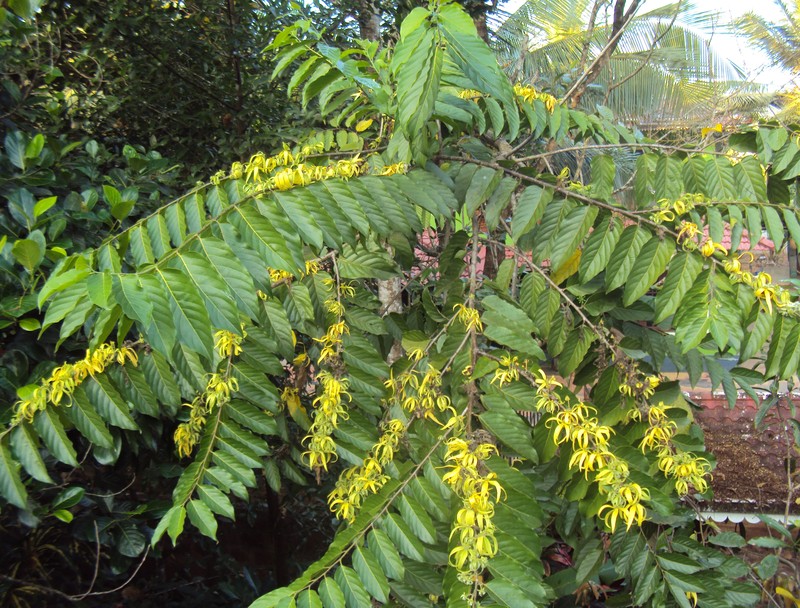
Steve Fitzgerald
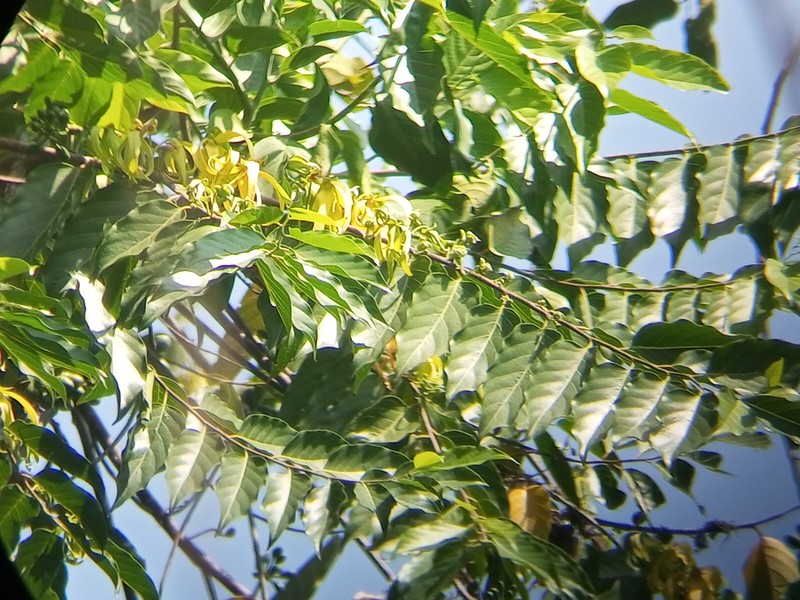
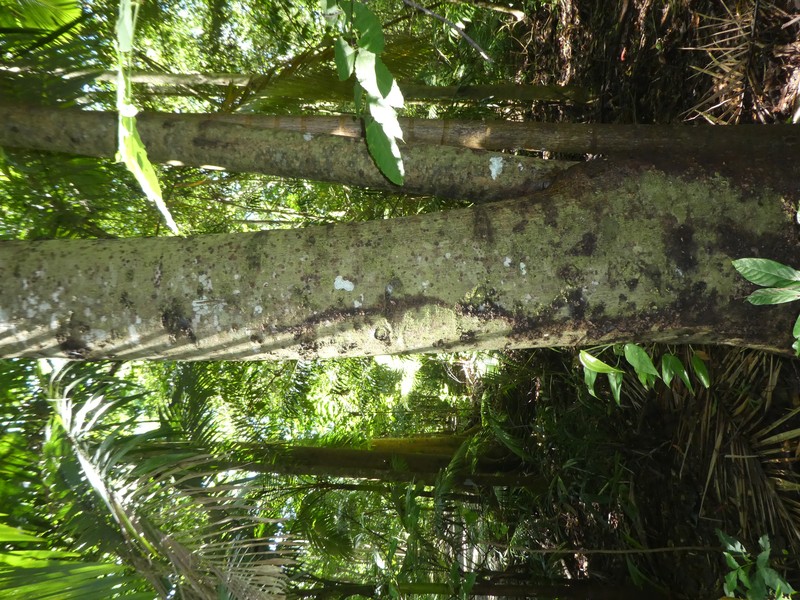
Taxonomy
- Division:
- Magnoliophyta | - Flowering plants
- Family:
- Annonaceae
- Genus:
- Cananga
- Species:
- Cananga odorata
- USDA Symbol:
- CAOD
Growth Characteristics
- Life Cycle:
- Perennial
- Growth Habit:
- Shrub , Tree
- Height:
- 3000 cm
- Light Requirements:
- Full Sun
- Drought Tolerance:
- Low
- Bloom Months:
- mar,apr,may,jun,jul,aug,sep,oct,nov,dec
- Bloom Colors:
- green, yellow
Wildlife Benefits
- Bees:
- ★☆☆☆☆ Documented bee visitation (GBIF)
- Butterflies & Moths:
- ★★☆☆☆ Documented Lepidoptera association (GBIF)
Garden & Ecology Notes
- Wildlife Value:
- bees, butterflies
- Fragrant:
- Yes
Soil Requirements
- Soil Type:
- rich, well-drained loamy soil
- pH:
- 5.5 - 7.5 (slightly acidic to neutral)
- Drainage:
- excellent drainage required
- Moisture:
- consistently moist
- Notes:
- prefers fertile soils in tropical regions
Propagation & Germination
Pre-treatment: Soak seeds in hand-hot water (120-135 degrees F) for a few minutes to 72 hours, depending on the seed coat. Change water daily. Non-viable seeds can be discarded after soaking for about 12 hours as they tend to float, while viable seeds sink.
Establishment: Collect mature or ripe seeds for optimum germination. The plant is sensitive to high doses of fertilizer. It is a medium-sized tree occasional to common in disturbed forest, reported from 15 to 600 m elevation. A Polynesian introduction or possibly indigenous to American Samoa, widespread westward to southern Asia.
Source: npn.rngr.net