
Seacoast Angelica
Angelica lucida
- Native to:
- Aleutian Is., Canada, Japan, Kuril Is., Labrador, Prince Edward I., Russia, United States
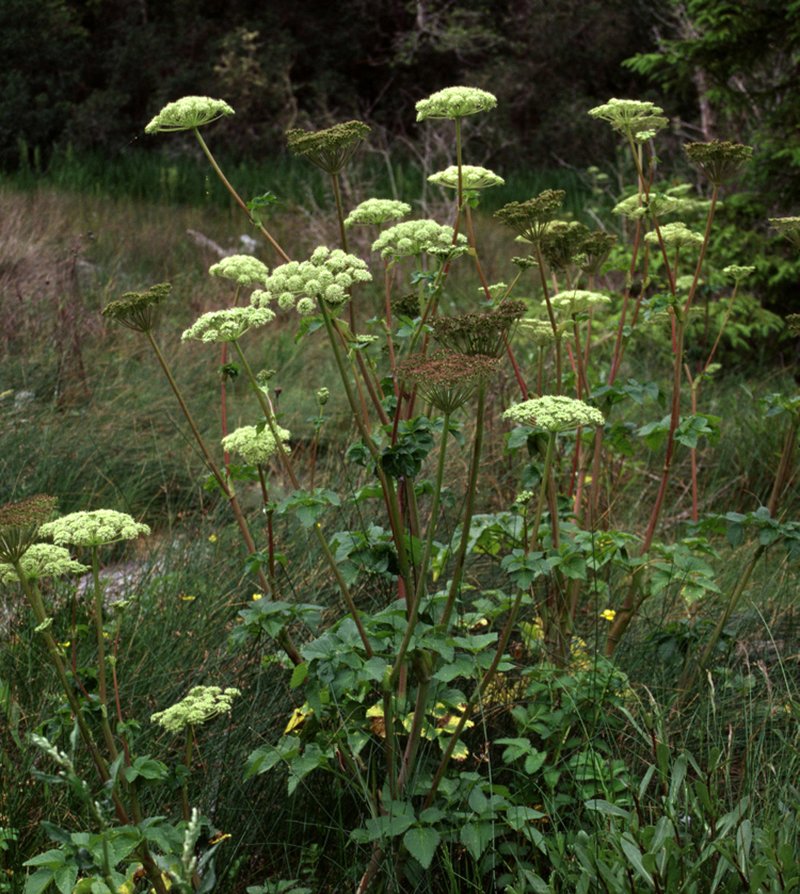
Gordon Leppig & Andrea J. Pickart
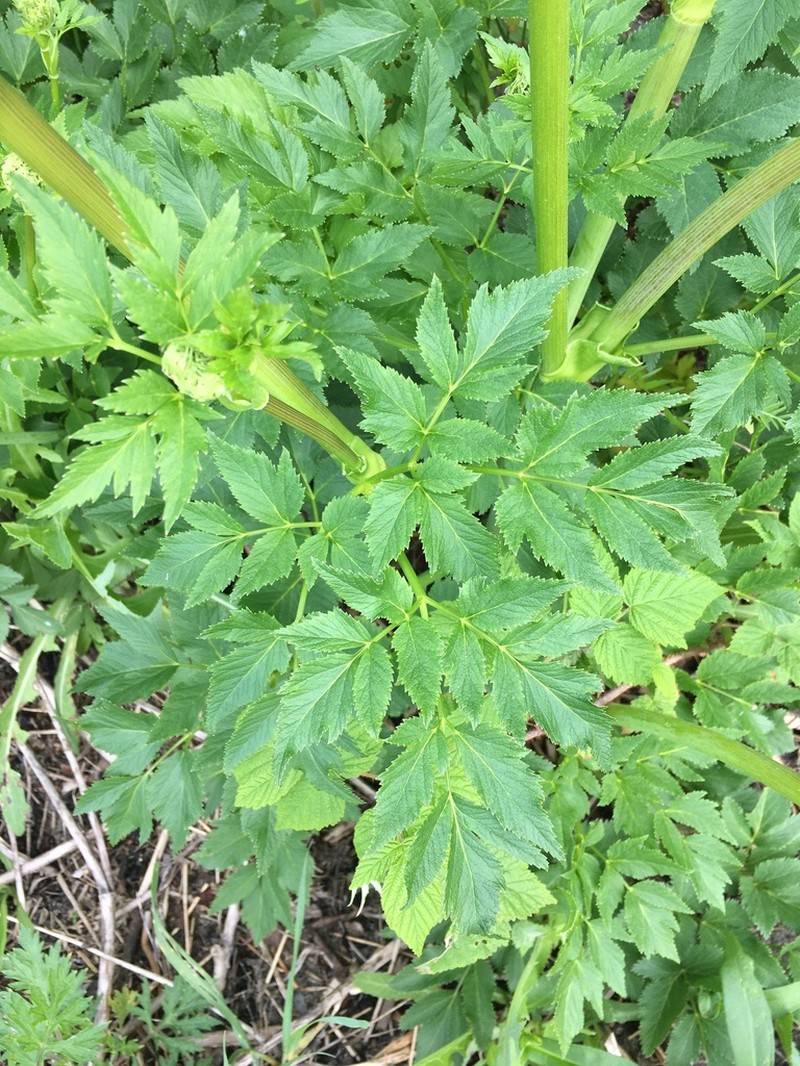
Taxonomy
- Division:
- Magnoliophyta | - Flowering plants
- Family:
- Apiaceae
- Genus:
- Angelica
- Species:
- Angelica lucida
- USDA Symbol:
- ANLU
Growth Characteristics
- Life Cycle:
- Perennial
- Growth Habit:
- Forb/herb
- Height:
- 150 cm
- Light Requirements:
- Full Sun
- Drought Tolerance:
- Low
- Bloom Months:
- jun,jul,aug
- Bloom Colors:
- white, greenish-white
Wildlife Benefits
- Bees:
- ★★☆☆☆ Documented bee visitation (GBIF)
- Butterflies & Moths:
- ★☆☆☆☆ Documented Lepidoptera association (GBIF)
- Caterpillars:
- ★☆☆☆☆ Recorded caterpillar host plant (HOSTS Database)
Host Plant for Caterpillars
Agonopterix oregonensis, Anise Swallowtail (Papilio zelicaon)
Garden & Ecology Notes
- Wildlife Value:
- birds, butterflies
- Salt Tolerant:
- Yes
Soil Requirements
- Soil Type:
- rich, well-drained loamy soil
- pH:
- 5.5 - 7.5 (slightly acidic to neutral)
- Drainage:
- excellent drainage required
- Moisture:
- consistently moist
- Notes:
- prefers coastal areas with high organic matter
Propagation & Germination
- Stratification:
- Cold/moist stratification required — 30–60 days
- Germination Time:
- 14–30 days
- Notes:
- Seeds benefit from cold stratification for 4-8 weeks to break dormancy.
Pre-treatment: Warm treatment followed by a cold treatment to break dormancy
Establishment: Germination rates significantly increase if seeds are placed in a warm growth chamber before their cold treatment. The plant is typically found on coasts but can also grow in subalpine regions in the northern reaches of its range.
Source: npn.rngr.net