
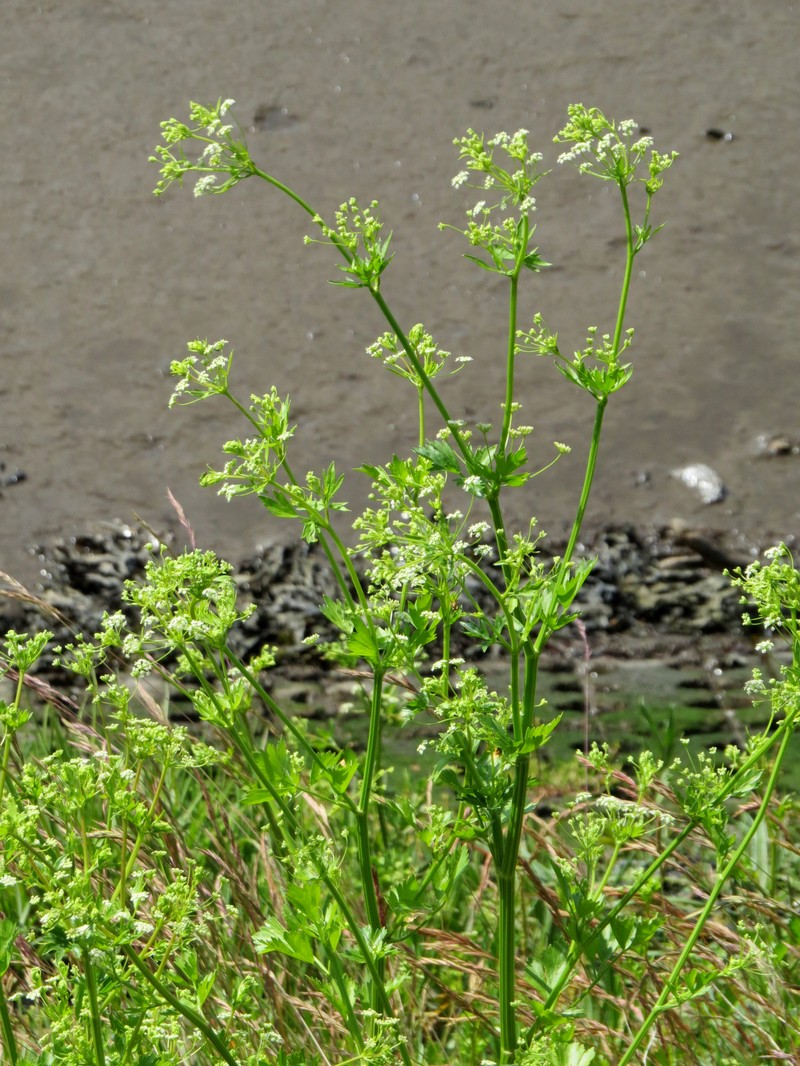
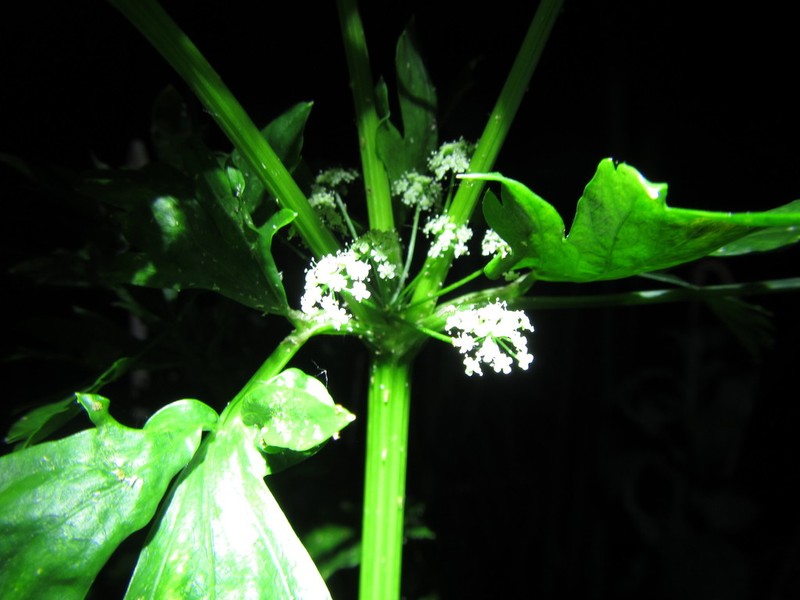
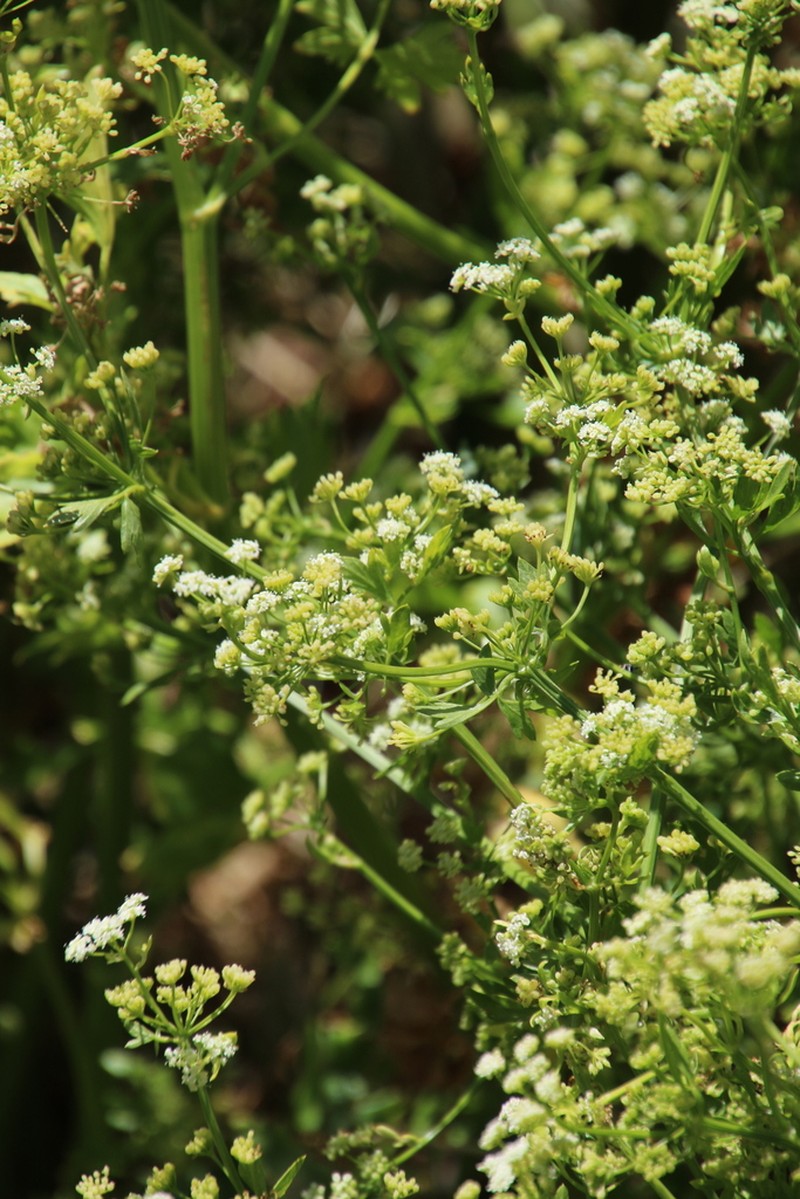
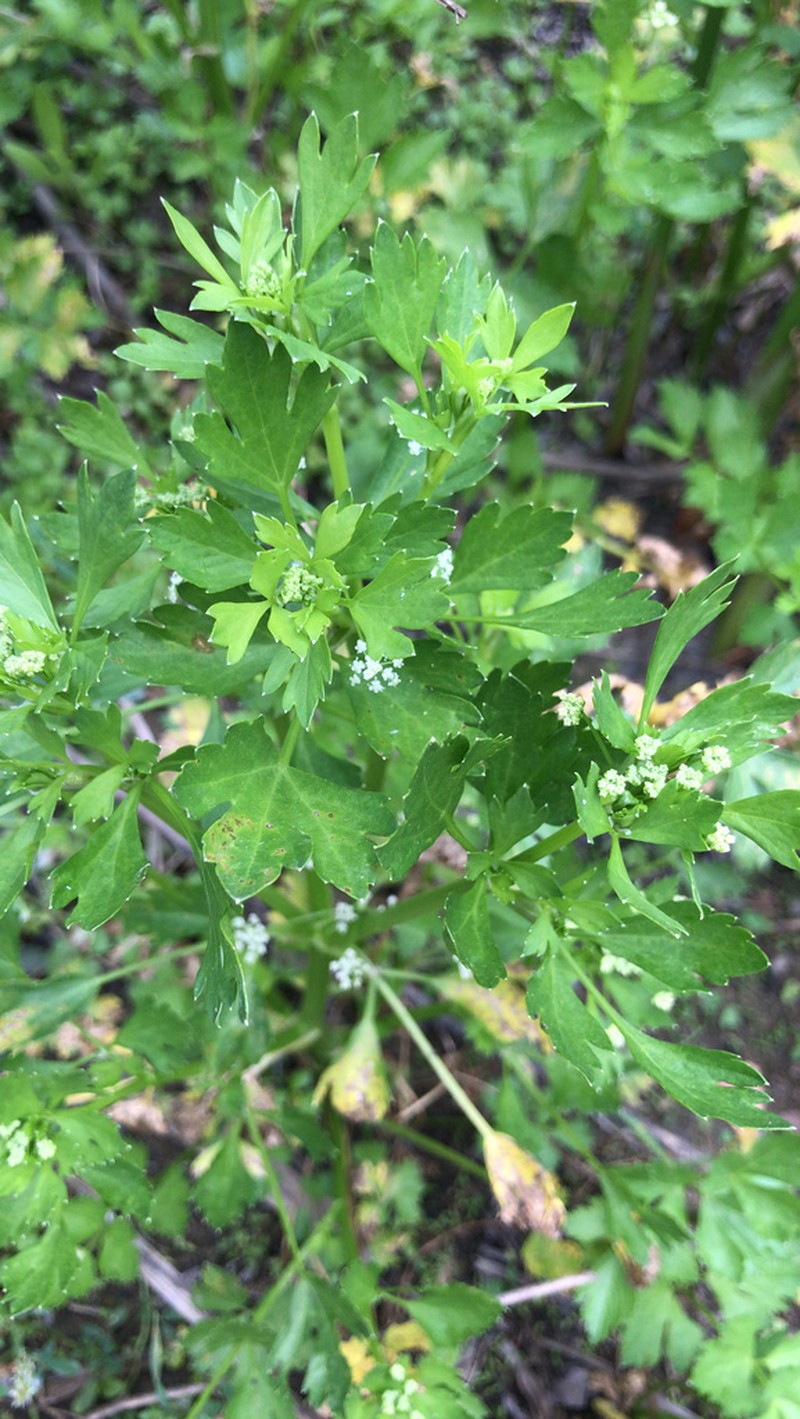
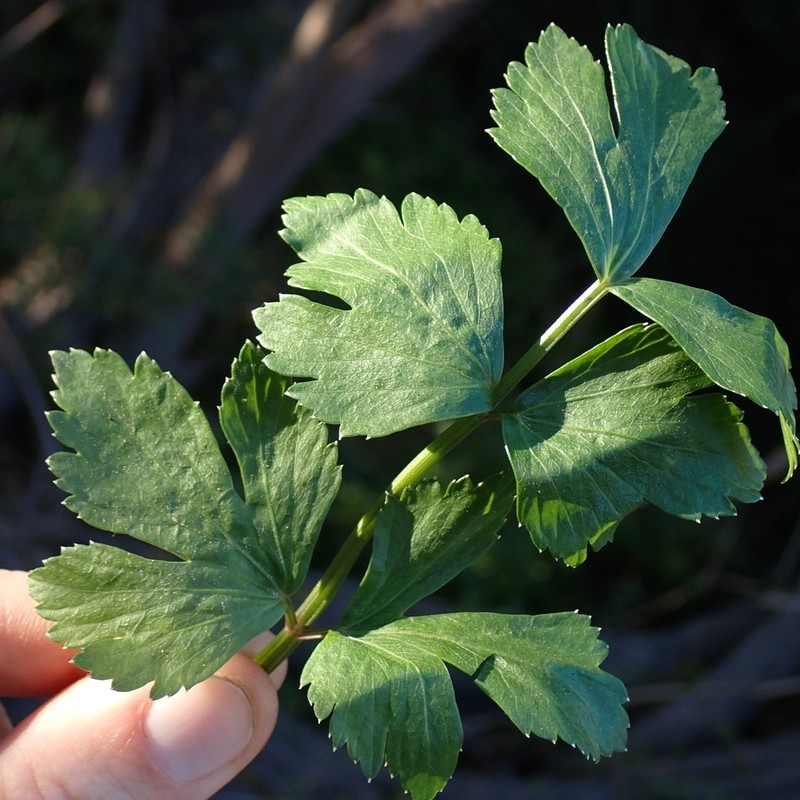
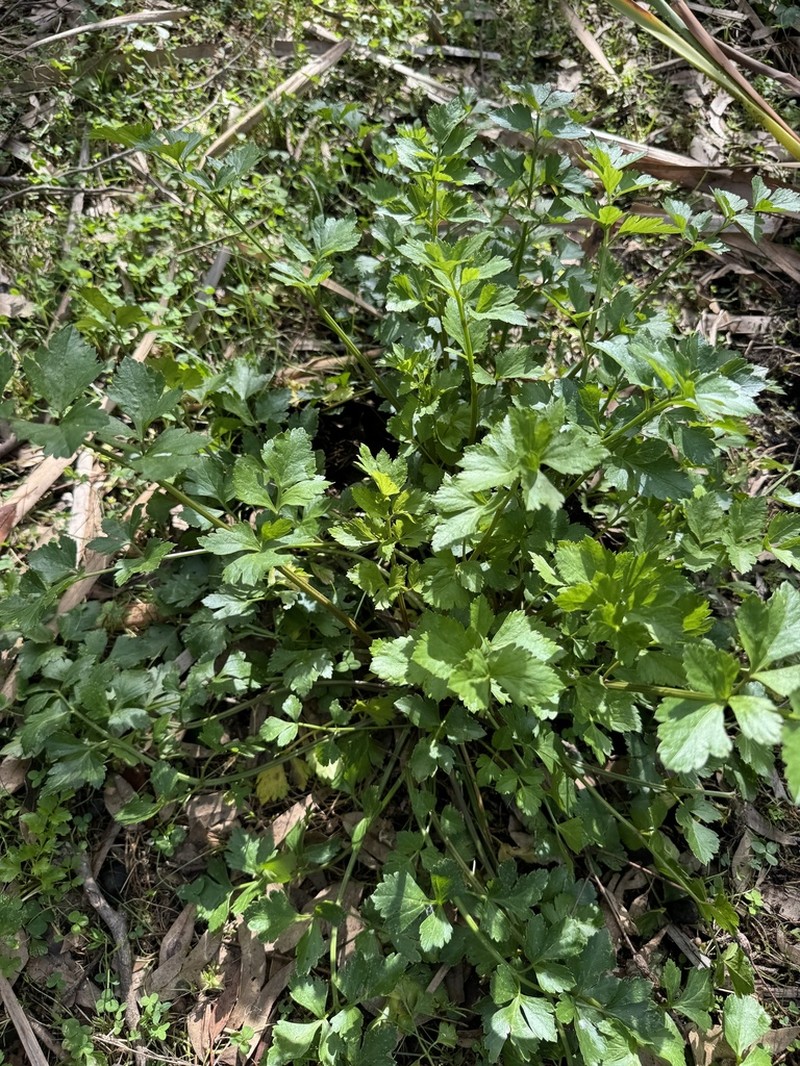
wild celery
Apium graveolens
Also known as: wild celery
- Native to:
- Afghanistan, Albania, Algeria, Austria, Azores, Baleares, Belgium, Bulgaria, Canada, Canary Is., Corse, Cyprus, Denmark, France, Germany, Great Britain, Greece, Gulf States, Iran, Iraq, Ireland, Italy, Kazakhstan, Kriti, Krym, Lebanon-Syria, Libya, Madeira, Morocco, Netherlands, North Caucasus, NW. Balkan Pen., Oman, Pakistan, Palestine, Poland, Portugal, Romania, Russia, Sardegna, Saudi Arabia, Sicilia, Spain, Tadzhikistan, Transcaucasus, Tunisia, Türkiye, Türkiye-in-Europe, Turkmenistan, Ukraine, Uzbekistan, Yemen
MPF

Taxonomy
- Division:
- Magnoliophyta | - Flowering plants
- Family:
- Apiaceae
- Genus:
- Apium
- Species:
- Apium graveolens
- USDA Symbol:
- APGR2
Growth Characteristics
- Life Cycle:
- Perennial
- Growth Habit:
- Forb/herb
- Height:
- 100 cm
- Light Requirements:
- Full Sun
- Drought Tolerance:
- Low
- Bloom Months:
- jun,jul,aug
- Bloom Colors:
- white
Wildlife Benefits
- Bees:
- ★☆☆☆☆ Documented bee visitation (GBIF)
- Butterflies & Moths:
- ★☆☆☆☆ Documented Lepidoptera association (GBIF)
- Caterpillars:
- ★★★☆☆ Recorded caterpillar host plant (HOSTS Database)
Host Plant for Caterpillars
Agonopterix clemensella, Army cutworm (Euxoa auxiliaris), Black cutworm (Agrotis ipsilon), Cabbage looper (Trichoplusia ni), Celery leaftier (Udea rubigalis), Celery Looper (Anagrapha falcifera), clandestine dart (Spaelotis clandestina), corn earworm (Helicoverpa zea), dingy cutworm (Feltia jaculifera), European corn borer (Ostrinia nubilalis), Euxoa tessellata, Hitched Arch (Melanchra adjuncta), Ivana leafroller moth (Argyrotaenia ivana), nutmeg (Discestra trifolii), Obliquebanded leafroller (Choristoneura rosaceana), obsoletana leafroller (Choristoneura obsoletana), Olethreutes bipartitana, Omnivorous Leafroller (Platynota stultana), parsnip webworm (Depressaria pastinacella), Setaceous Hebrew Character (Xestia c-nigrum), Southern armyworm (Spodoptera eridania), sparganothis fruitworm moth (Sparganothis sulfureana), stalk borer moth (Papaipema nebris), Sutor moth (Condica sutor), Udea profundalis, Walker’s Atlas Moth (Samia walkeri), zebra caterpillar moth (Melanchra picta), Anise Swallowtail (Papilio zelicaon), Black Swallowtail (Papilio polyxenes)
Garden & Ecology Notes
- Wildlife Value:
- bees, butterflies
- Salt Tolerant:
- Yes
- Fragrant:
- Yes
Soil Requirements
- Soil Type:
- rich, well-drained loamy soil
- pH:
- 6.0 - 7.5 (slightly acidic to neutral)
- Drainage:
- tolerates poor drainage
- Moisture:
- consistently moist
- Notes:
- prefers fertile soils often found in marshy areas
Propagation & Germination
- Germination Time:
- 14–28 days
- Notes:
- Seeds require light for germination; surface sow and keep moist at 15-20°C.
Pre-treatment: Single-step cold-moist stratification for temperate woodland species. for 60–120 days
Notes: Seeds require light for germination; do not cover.
Source: Claude AI
Where to Buy
Nationwide Seller
- Sheffield's Seed (seeds)