
American Wild Carrot
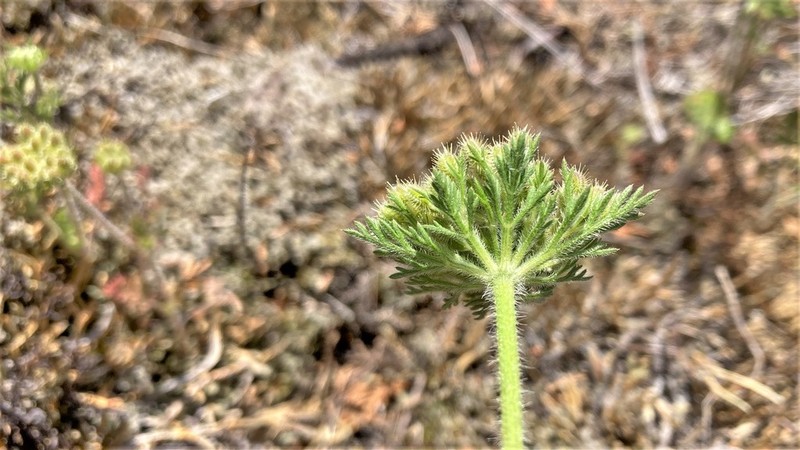
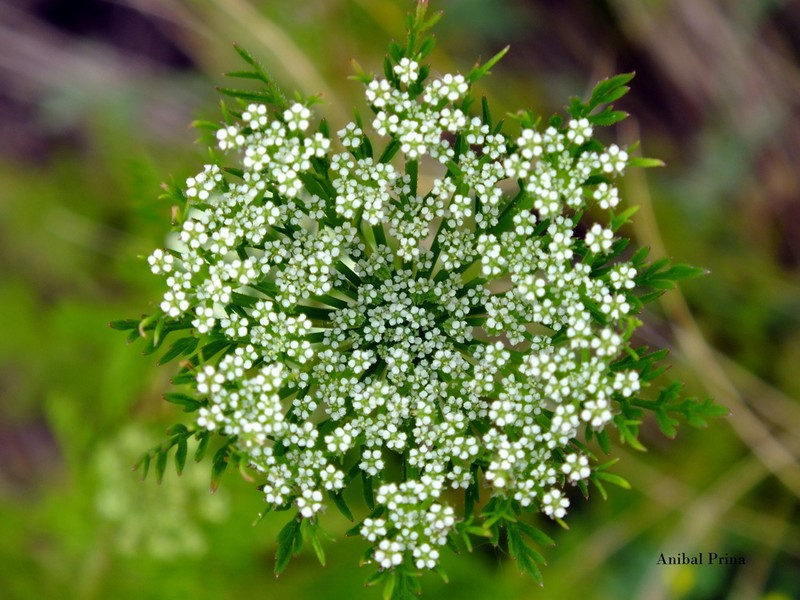
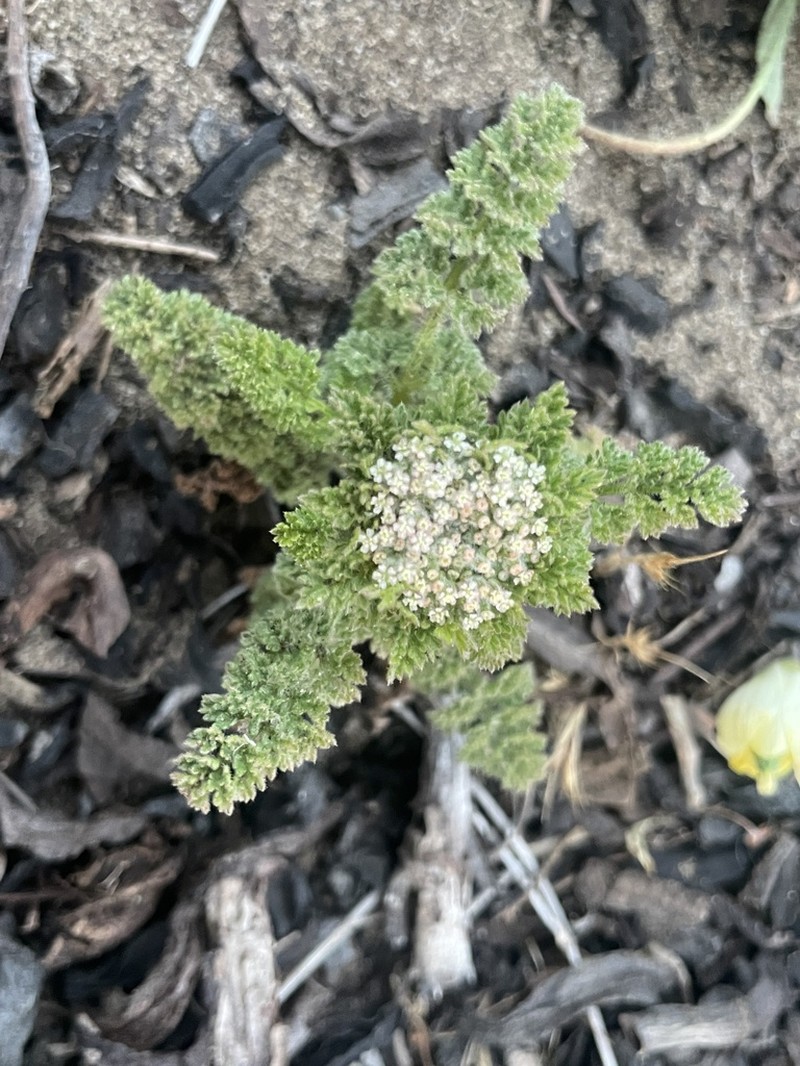
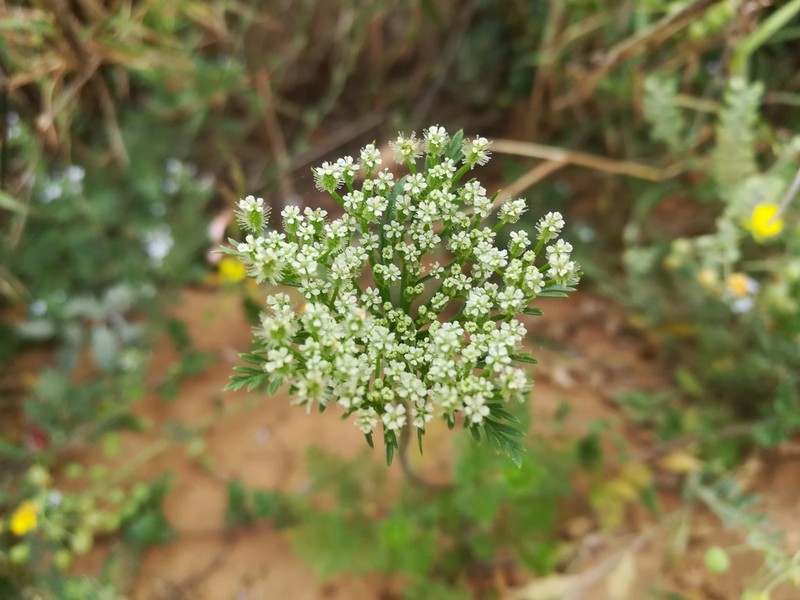
Daucus pusillus
- Native to:
- Argentina, Brazil, Canada, Chile, Mexican Pacific Is., Mexico, United States, Uruguay, Virgin Islands
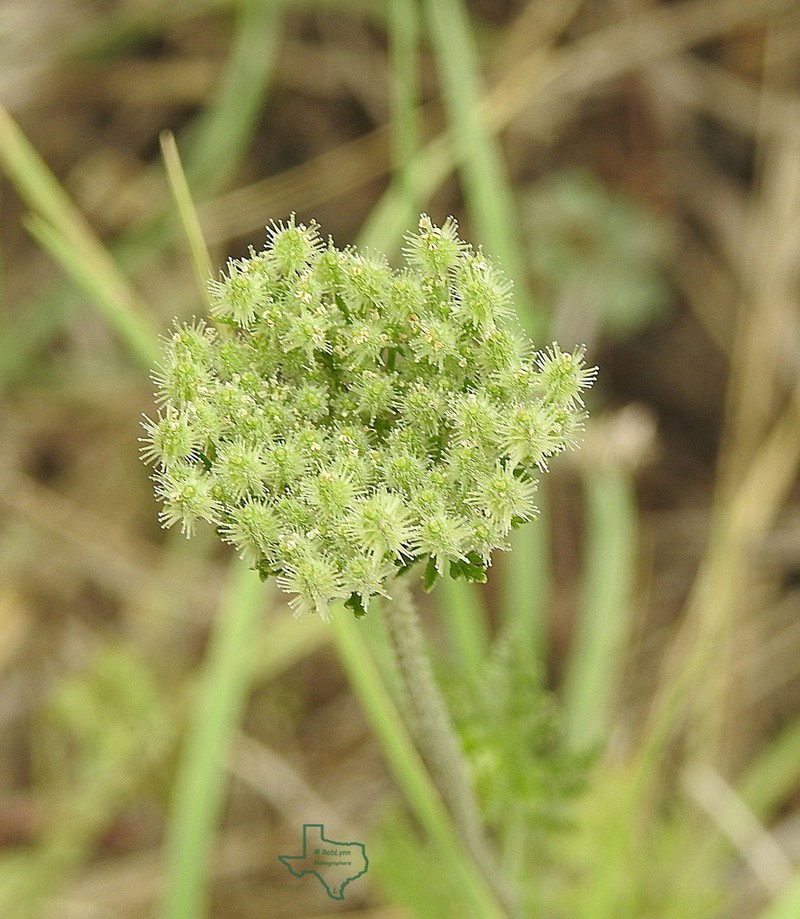
iNaturalist: © texasgirl27 (iNaturalist #74059002)
Taxonomy
- Division:
- Magnoliophyta | - Flowering plants
- Family:
- Apiaceae
- Genus:
- Daucus
- Species:
- Daucus pusillus
- USDA Symbol:
- DAPU3
Growth Characteristics
- Life Cycle:
- Annual
- Growth Habit:
- Forb/herb
- Height:
- 90 cm
- Light Requirements:
- Full Sun
- Drought Tolerance:
- Medium
- Bloom Months:
- apr,may,jun,jul
- Bloom Colors:
- white
Wildlife Benefits
- Butterflies & Moths:
- ★☆☆☆☆ Documented Lepidoptera association (GBIF)
- Caterpillars:
- ★☆☆☆☆ Recorded caterpillar host plant (HOSTS Database)
Host Plant for Caterpillars
Anise Swallowtail (Papilio zelicaon), Black Swallowtail (Papilio polyxenes)
Garden & Ecology Notes
- Wildlife Value:
- butterflies, birds
Soil Requirements
- Soil Type:
- sandy, well-drained, nutrient-poor soil
- pH:
- 5.5 - 7.5 (slightly acidic to neutral)
- Drainage:
- excellent drainage required
- Moisture:
- dry to moderate
- Notes:
- Commonly found in open, disturbed areas
Propagation & Germination
- Stratification:
- Cold/moist stratification required — 30–60 days
- Germination Time:
- 14–30 days
- Notes:
- Seeds benefit from cold stratification for 30-60 days to break dormancy.
Pre-treatment: Seed germination is stimulated by the presence of charred wood or aqueous extracts of it: 12% increase in germination as compared to control.
Establishment: D. pusillus is common on dry slopes below 5,000 feet elevation from British Columbia to southern California and northern Mexico. It is also found in the southeastern United States and within mattoral vegetation association of California. There is conflicting information on pre-planting treatments, with one protocol suggesting no treatment is required, while another suggests the use of charred wood or its aqueous extracts.
Source: npn.rngr.net