
Rattlesnakemaster
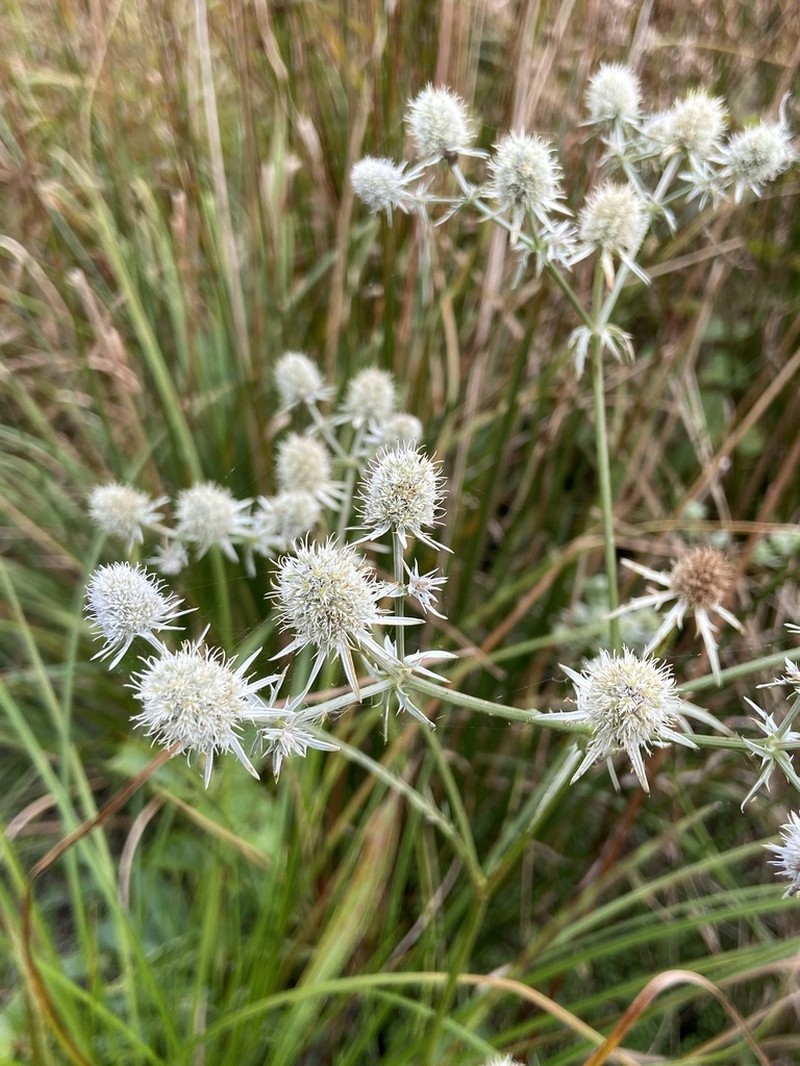
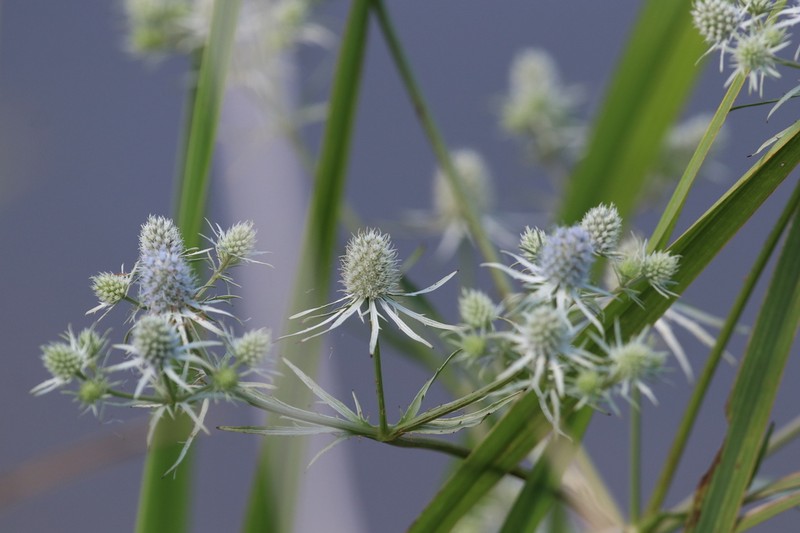
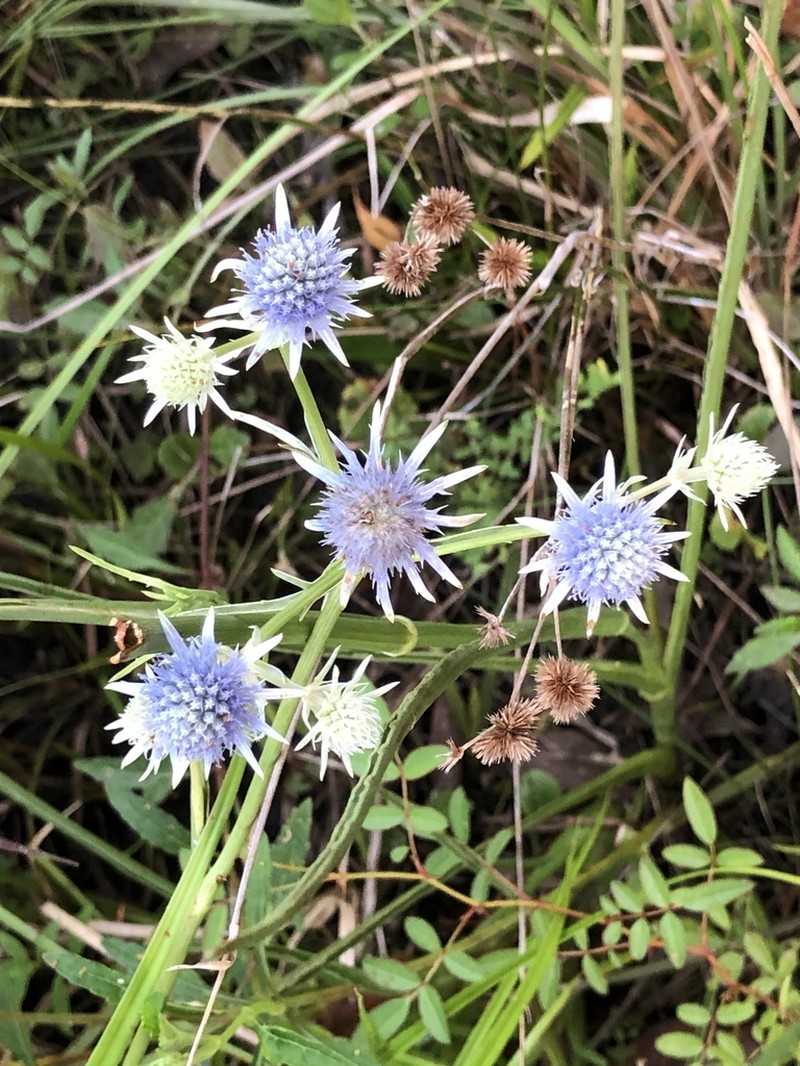
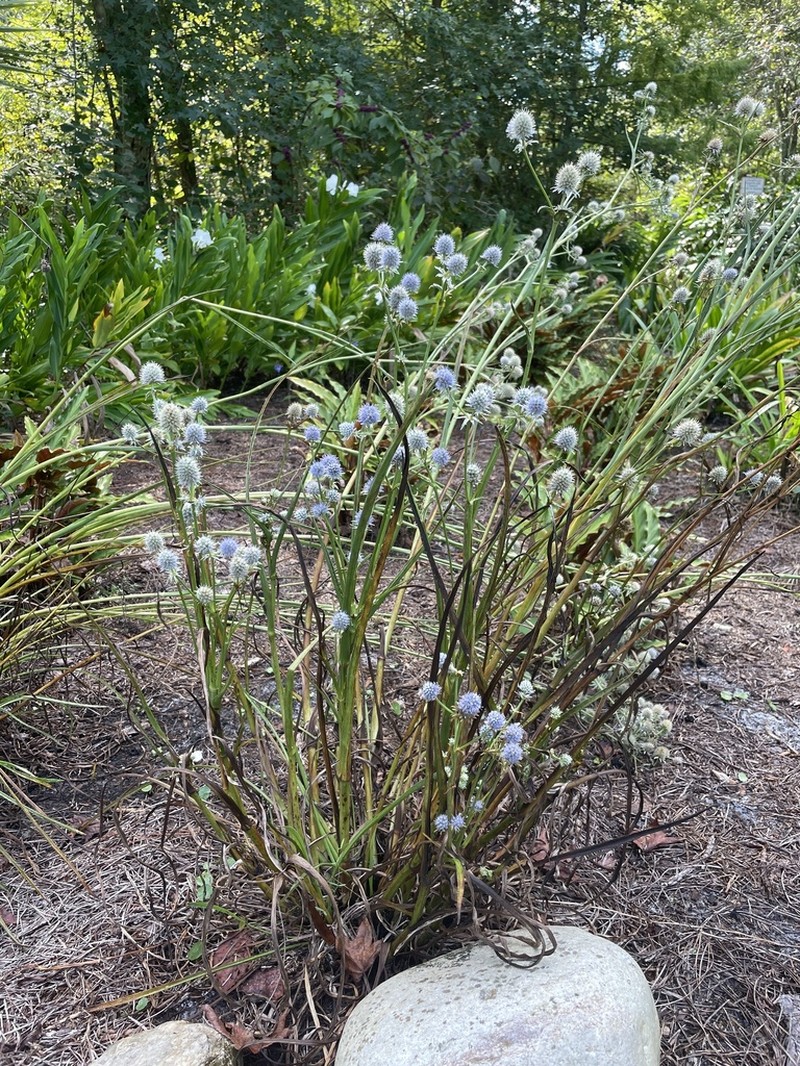
Eryngium aquaticum
- Native to:
- United States, Virgin Islands
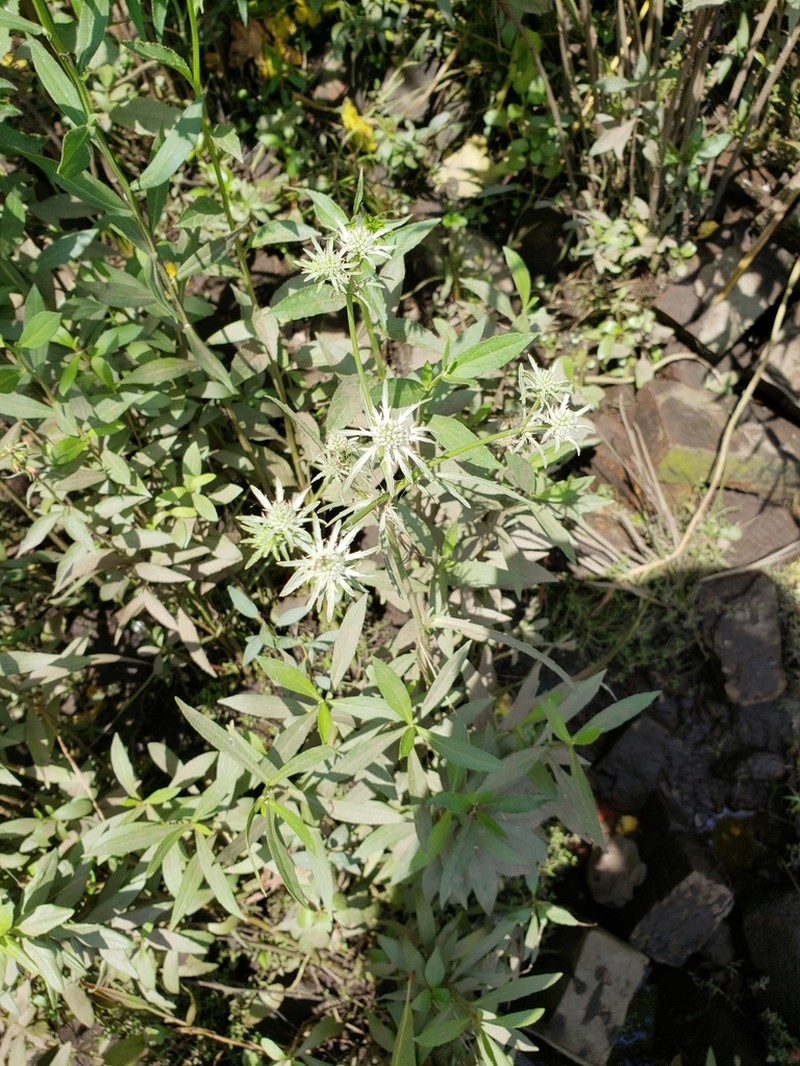
iNaturalist: © bkfj (iNaturalist #56368933)
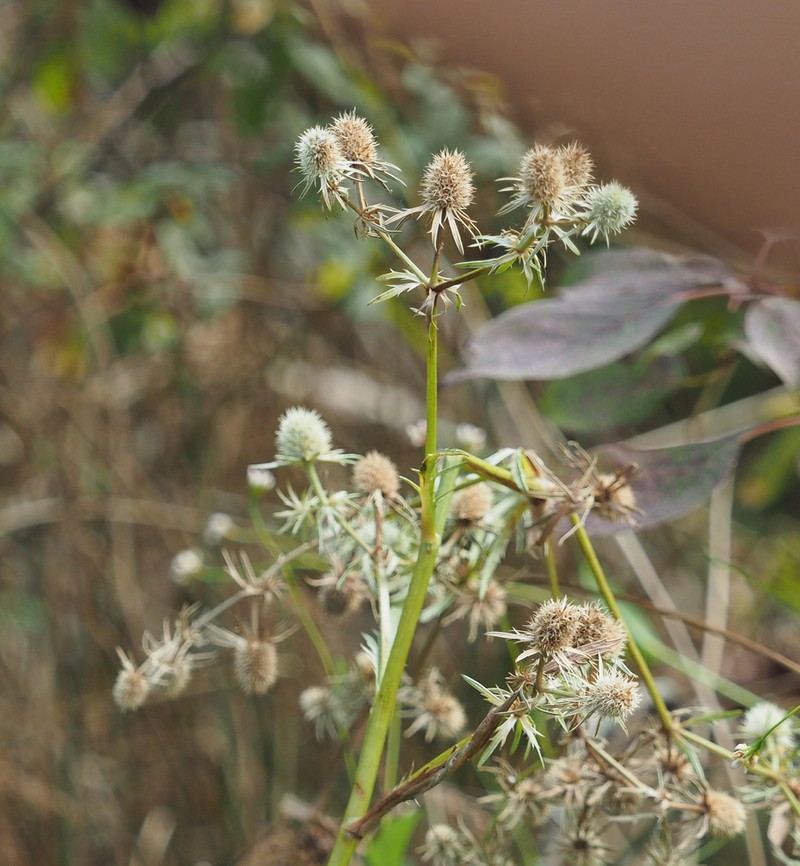
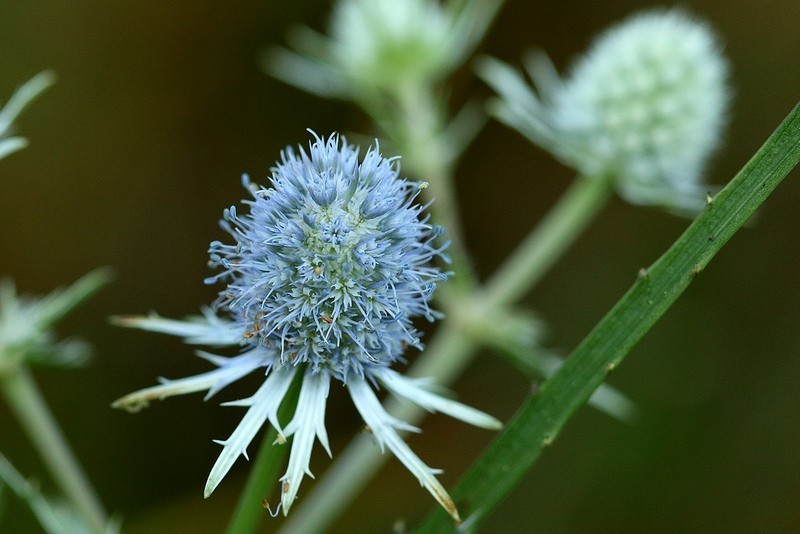
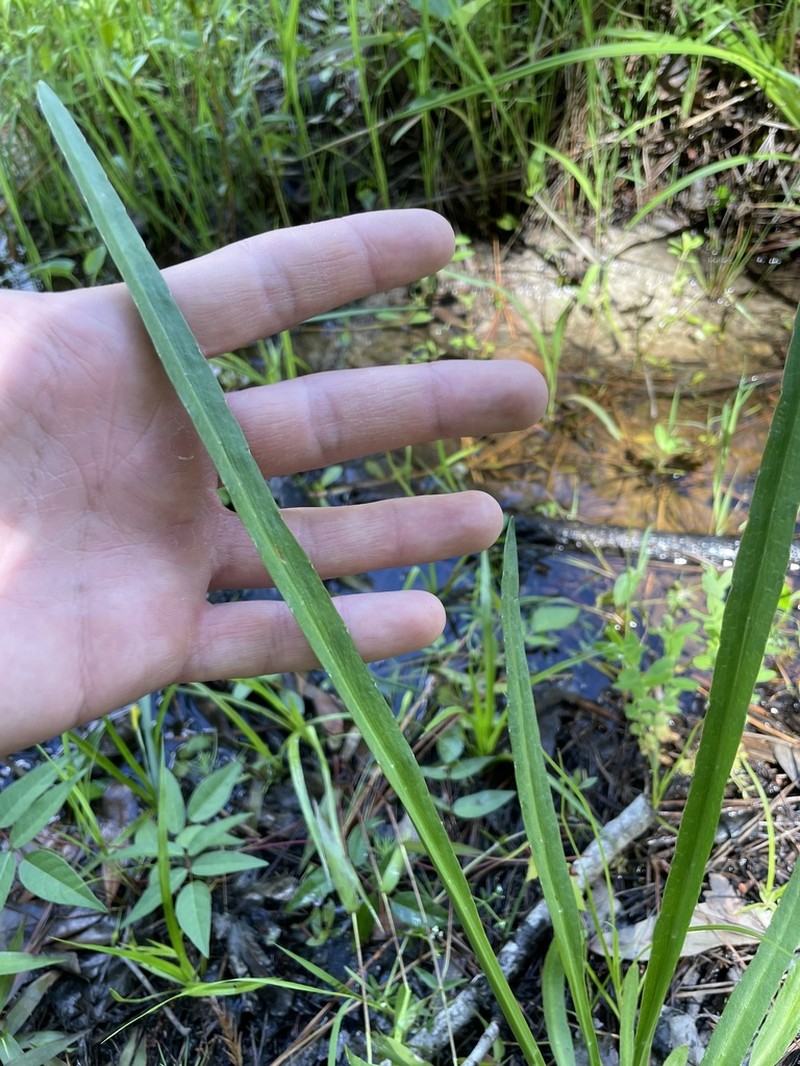
Taxonomy
- Division:
- Magnoliophyta | - Flowering plants
- Family:
- Apiaceae
- Genus:
- Eryngium
- Species:
- Eryngium aquaticum
- USDA Symbol:
- ERAQ
Growth Characteristics
- Life Cycle:
- Biennial
- Growth Habit:
- Forb/herb
- Height:
- 120 cm
- Light Requirements:
- Part Shade
- Drought Tolerance:
- Low
- Bloom Months:
- jul,aug,sep
- Bloom Colors:
- blue, white
Wildlife Benefits
- Bees:
- ★☆☆☆☆ Documented bee visitation (GBIF)
- Butterflies & Moths:
- ★★★☆☆ Documented Lepidoptera association (GBIF)
- Caterpillars:
- ★☆☆☆☆ Recorded caterpillar host plant (HOSTS Database)
Host Plant for Caterpillars
Coleotechnites eryngiella, eryngo borer moth (Papaipema eryngii)
Reported Fauna Sightings
Butterflies:Appalachian Eyed (Lethe appalachia), Black Swallowtail (Papilio polyxenes), Byssus Skipper (Problema byssus), Cecropterus Herrich-Schäffer, Choranthus Scudder, Delaware Skipper (Anatrytone logan), Dion Skipper (Euphyes dion), Fiery Skipper (Hylephila phyleus), Gray Hairstreak (Strymon melinus), Horace's Duskywing (Erynnis horatius), Juniper Hairstreak (Callophrys gryneus), Nastra Evans, Ocola Skipper (Panoquina ocola), Phaon Crescent (Phyciodes phaon), Pipevine Swallowtail (Battus philenor), Red-banded Hairstreak (Calycopis cecrops), Zebra Swallowtail (Eurytides marcellus)
Garden & Ecology Notes
- Wildlife Value:
- bees, butterflies
- Deer Resistant:
- Yes
Soil Requirements
- Soil Type:
- wet, organic-rich, poorly-drained soil
- pH:
- 5.5 - 7.0 (slightly acidic to neutral)
- Drainage:
- tolerates poor drainage
- Moisture:
- consistently moist
- Notes:
- commonly found in marshes and wet meadows
Propagation & Germination
- Stratification:
- Cold/moist stratification required — 30–60 days
- Germination Time:
- 14–30 days
- Notes:
- Seeds benefit from cold stratification for 4-8 weeks to break dormancy; sow in spring after stratification.