
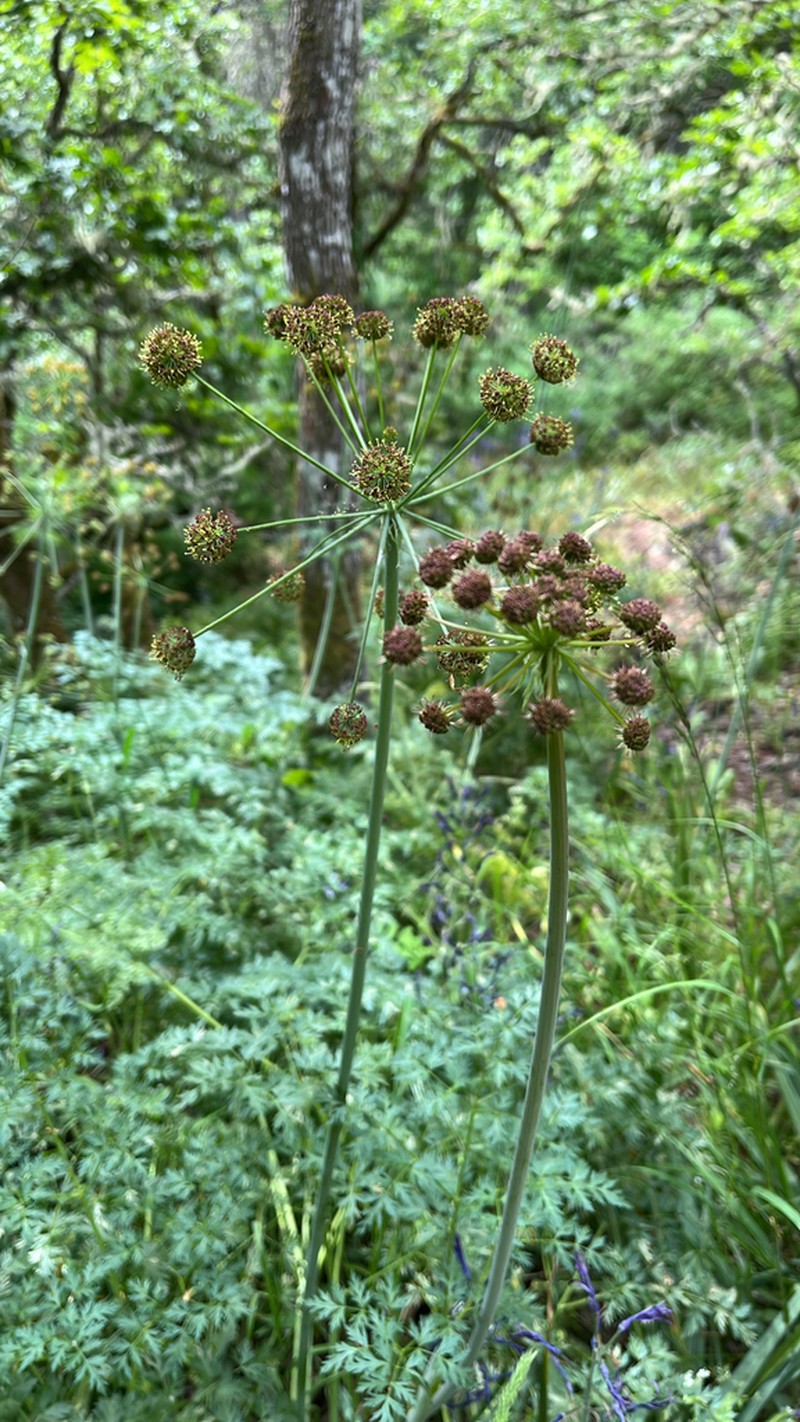
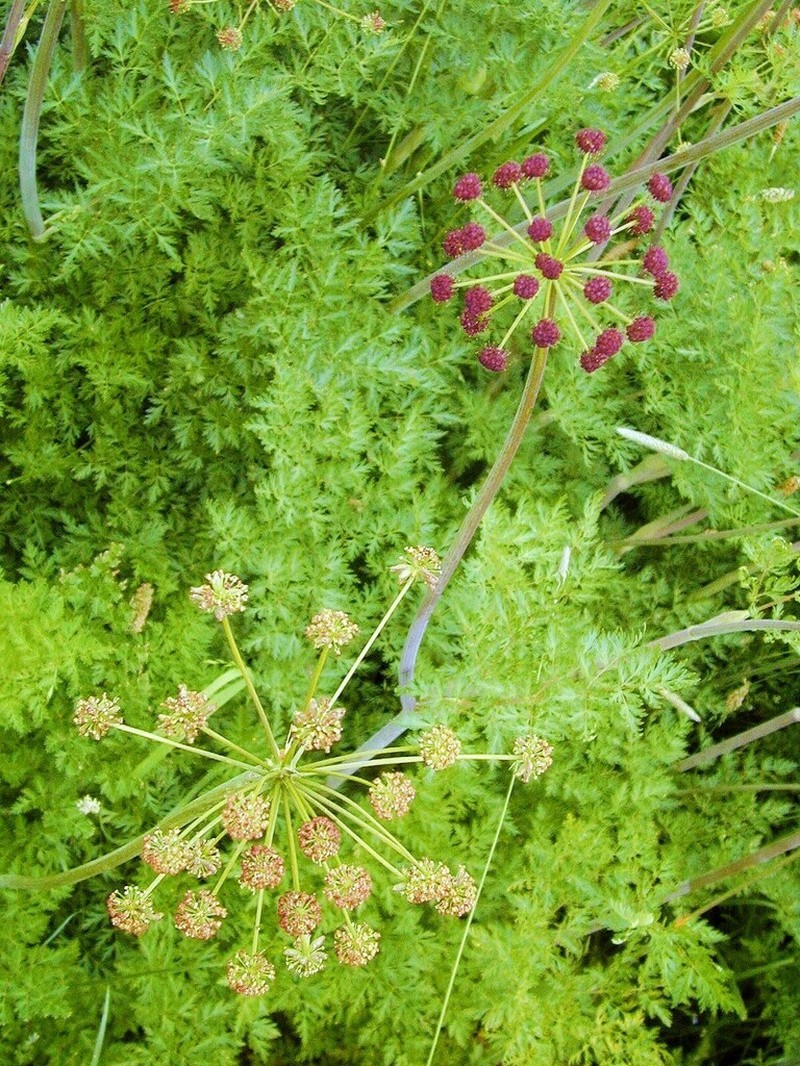
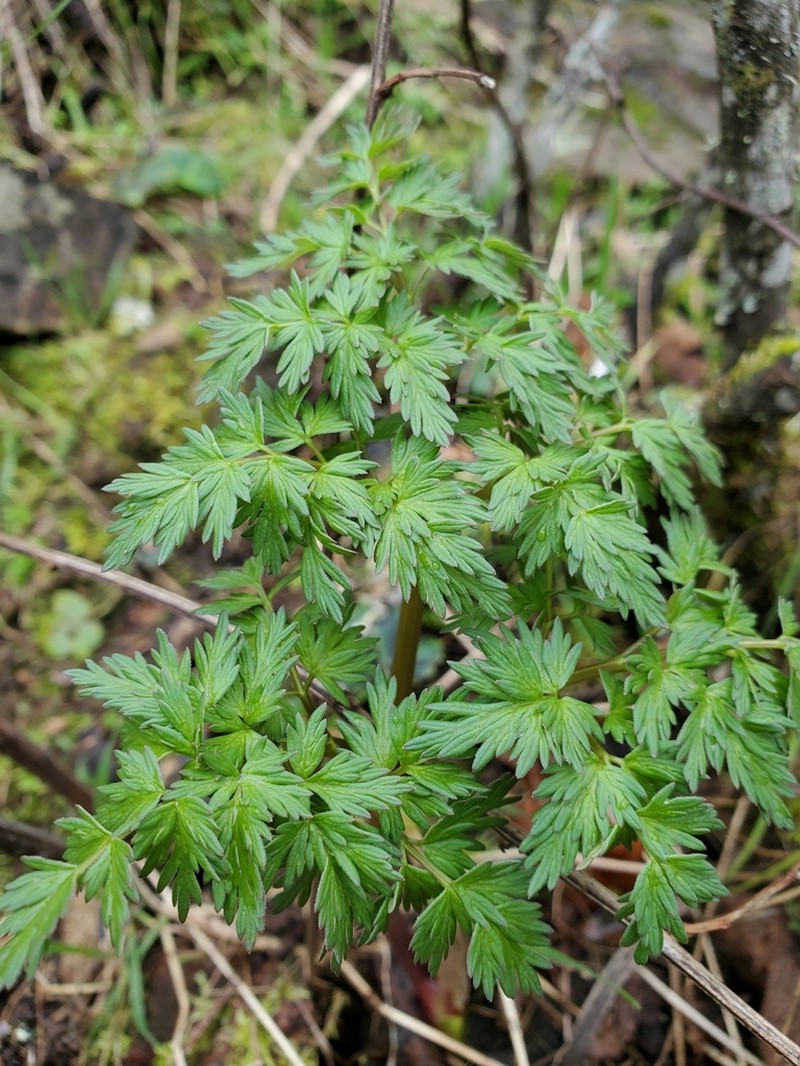
Fernleaf Biscuitroot
Lomatium dissectum
- Native to:
- Canada, United States
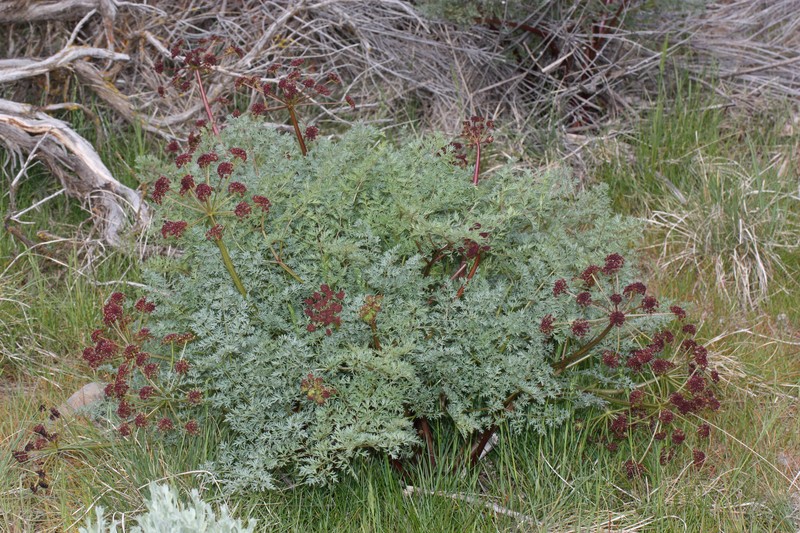
Walter Siegmund (talk)
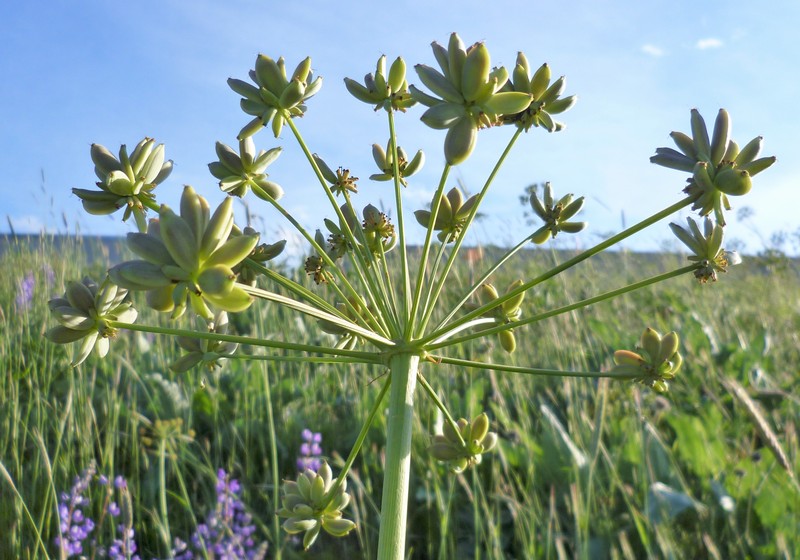
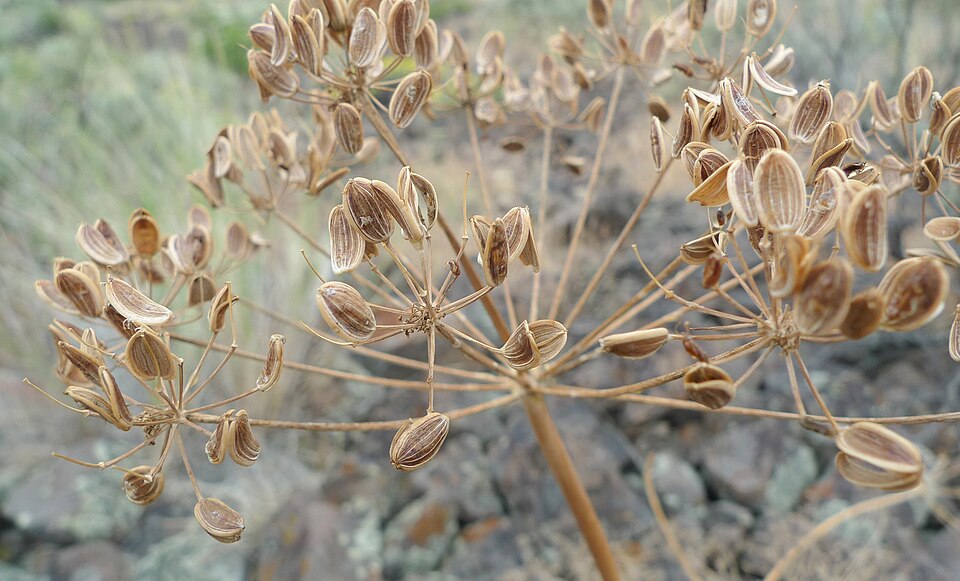
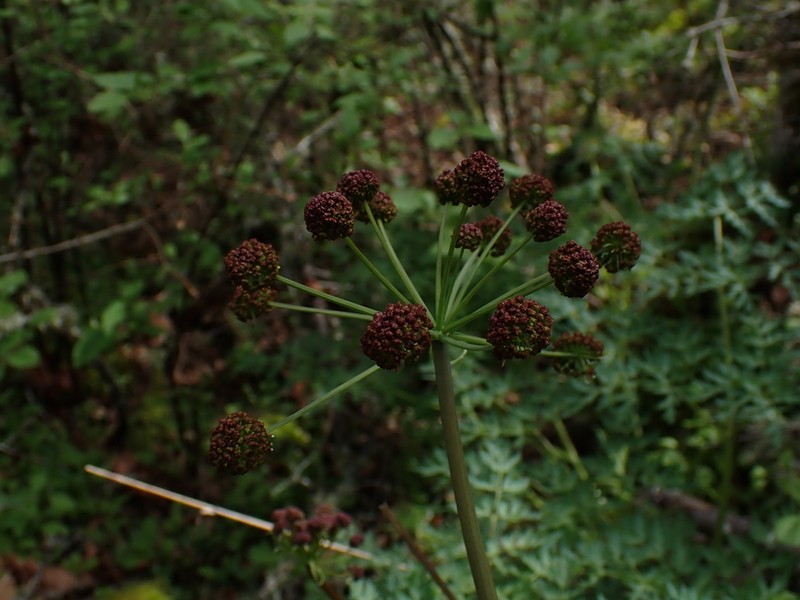
Taxonomy
- Division:
- Magnoliophyta | - Flowering plants
- Family:
- Apiaceae
- Genus:
- Lomatium
- Species:
- Lomatium dissectum
- USDA Symbol:
- LODI
Growth Characteristics
- Life Cycle:
- Perennial
- Growth Habit:
- Forb/herb
- Height:
- 120 cm
- Light Requirements:
- Part Shade
- Drought Tolerance:
- High
- Bloom Months:
- apr,may,jun
- Bloom Colors:
- yellow
Wildlife Benefits
- Bees:
- ★☆☆☆☆ Documented bee visitation (GBIF)
- Butterflies & Moths:
- ★☆☆☆☆ Documented Lepidoptera association (GBIF)
- Caterpillars:
- ★★☆☆☆ Recorded caterpillar host plant (HOSTS Database)
Host Plant for Caterpillars
Agonopterix muricolorella, Depressaria betina, Depressaria leptotaeniae, Greya subalba, Anise Swallowtail (Papilio zelicaon), Indra swallowtail (Papilio indra)
Garden & Ecology Notes
- Wildlife Value:
- butterflies, bees
- Deer Resistant:
- Yes
- Fire Ecology:
- Fire adapted — tolerates or benefits from fire
- Fire Notes:
- Resprouts from deep taproot after fire; fire can stimulate flowering in some populations.
Soil Requirements
- Soil Type:
- well-drained, rocky or sandy soil
- pH:
- 6.0 - 8.0 (neutral to slightly alkaline)
- Drainage:
- excellent drainage required
- Moisture:
- dry to moderate
- Notes:
- thrives in open, sunny locations
Propagation & Germination
- Stratification:
- Cold/moist stratification required — 60–90 days
- Germination Time:
- 14–30 days
- Notes:
- Seeds benefit from cold moist stratification for 60-90 days to break dormancy.
Pre-treatment: Extended cold, moist stratification is needed. Seeds were also soaked in distilled water for 24 hours, placed in clear plastic germination boxes on two layers of blotter paper, thoroughly moistened with distilled water, and placed in a germinator at 4°C in the dark for a 60-day prechill.
Establishment: Germination rates and times may vary. Some protocols suggest that seeds may require two winters to germinate. Seed collection varies, but generally occurs in late June or early July. Seeds are typically dark brown in color when ready for collection.
Source: npn.rngr.net
Where to Buy
Nationwide Seller
- Sheffield's Seed (seeds)
- Native Seed Group (seeds)