
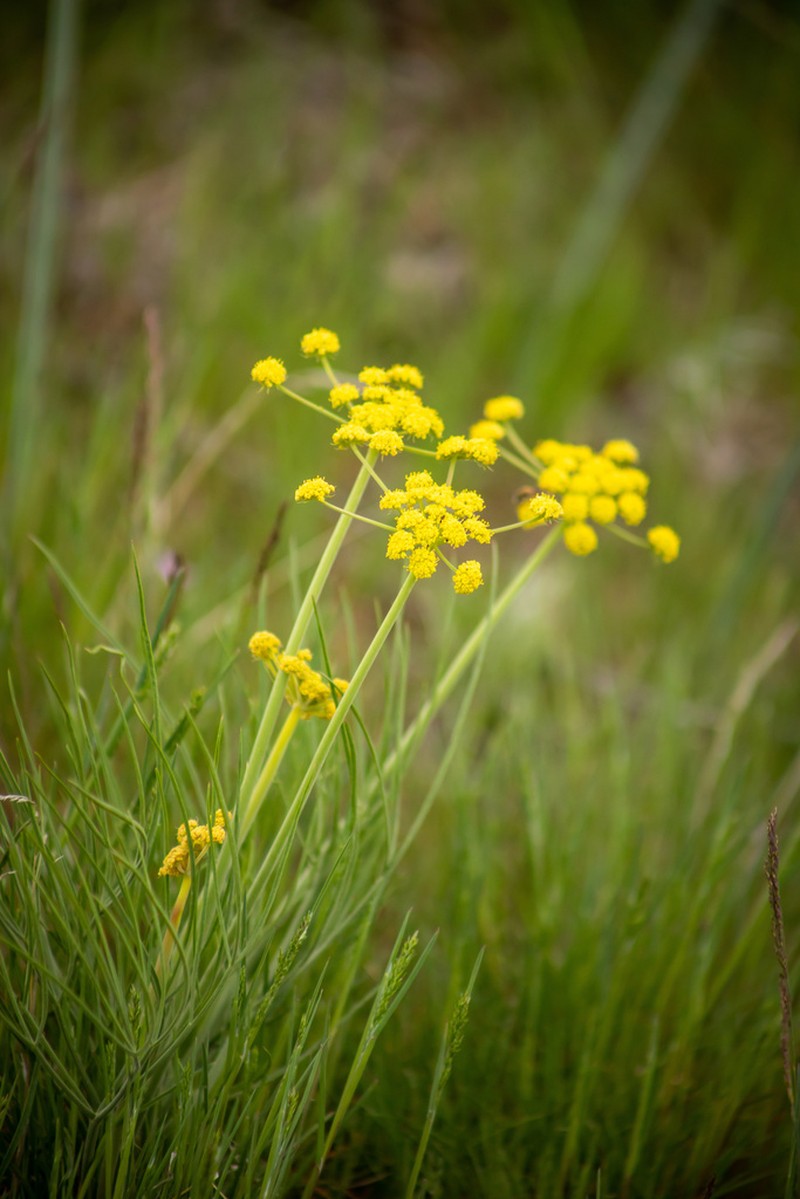
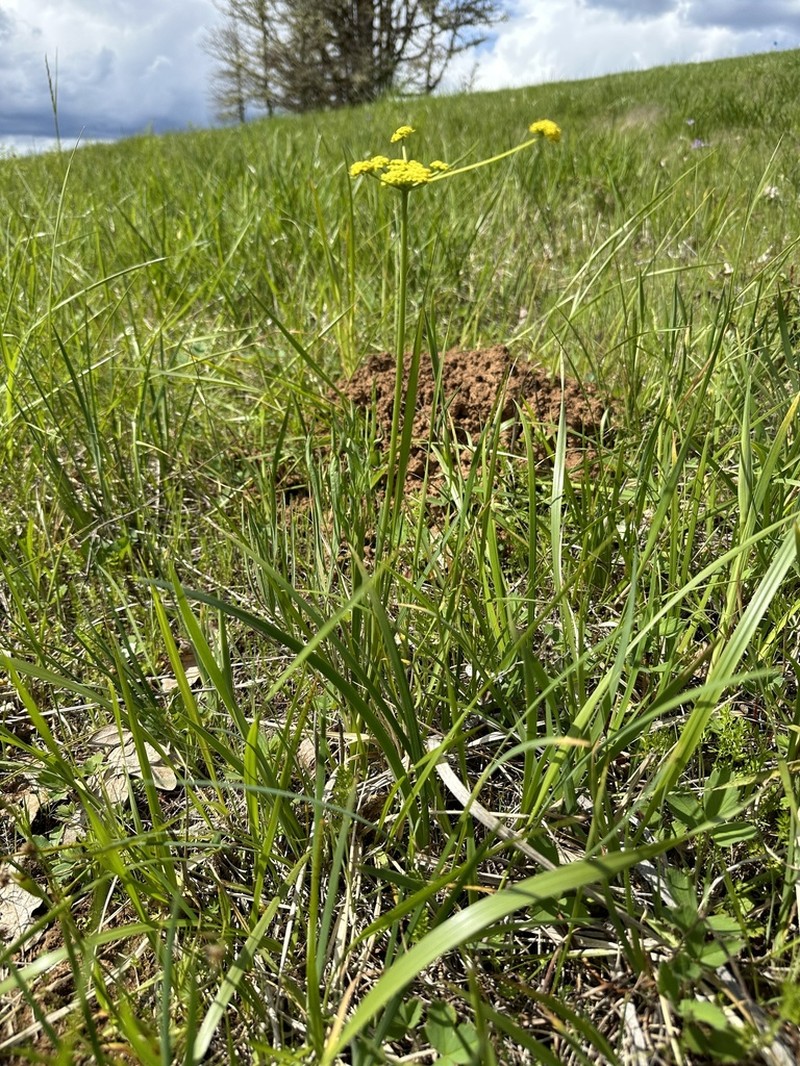
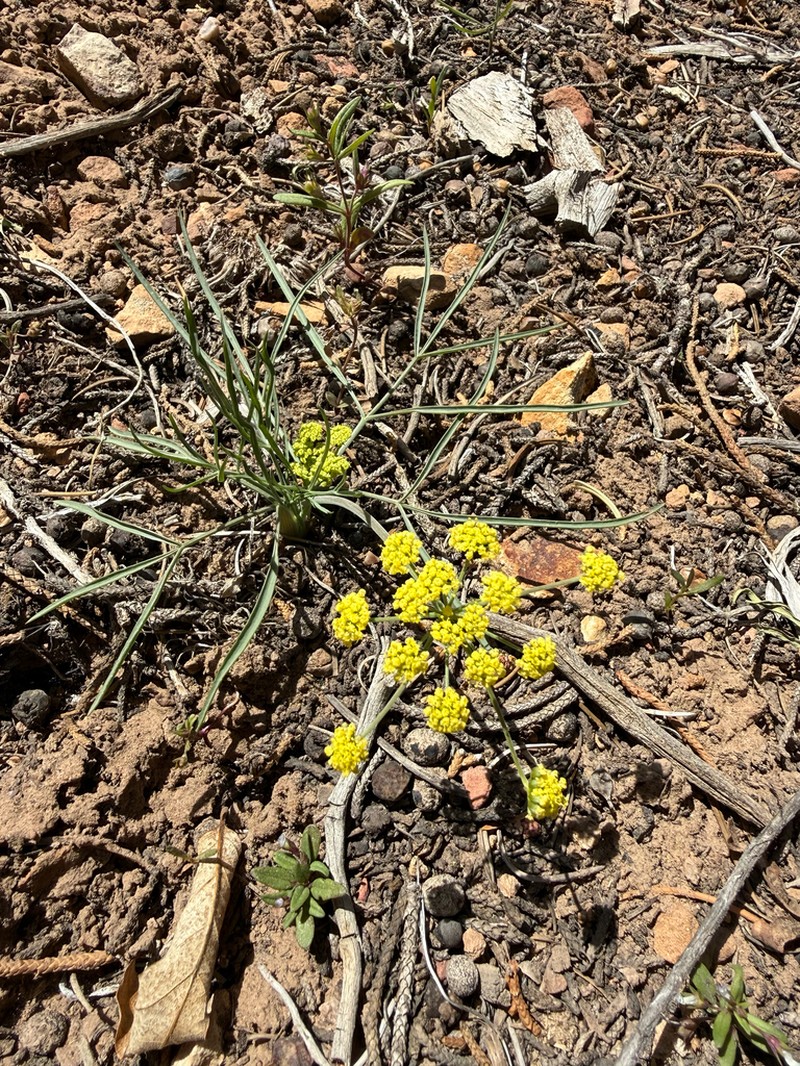
Nineleaf Biscuitroot
Lomatium triternatum
- Native to:
- Canada, United States
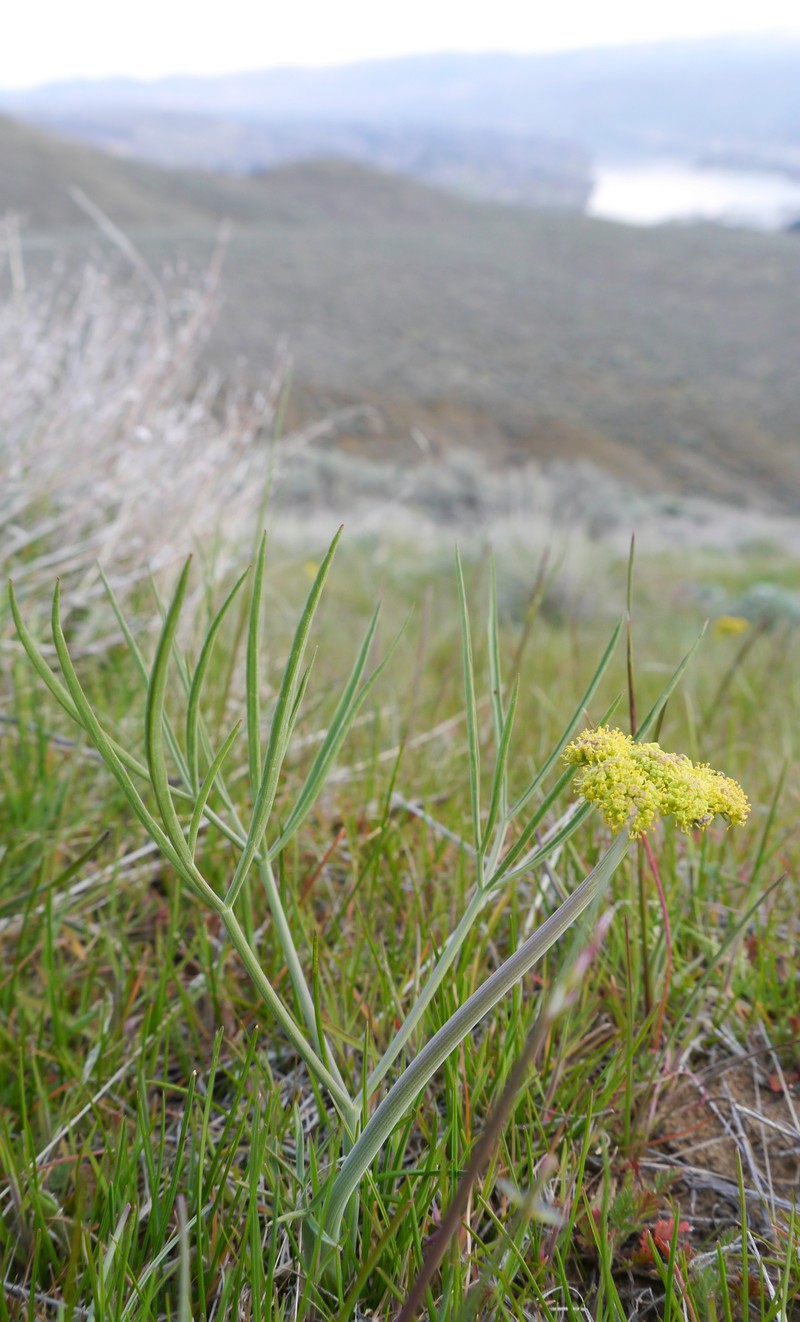
Thayne Tuason
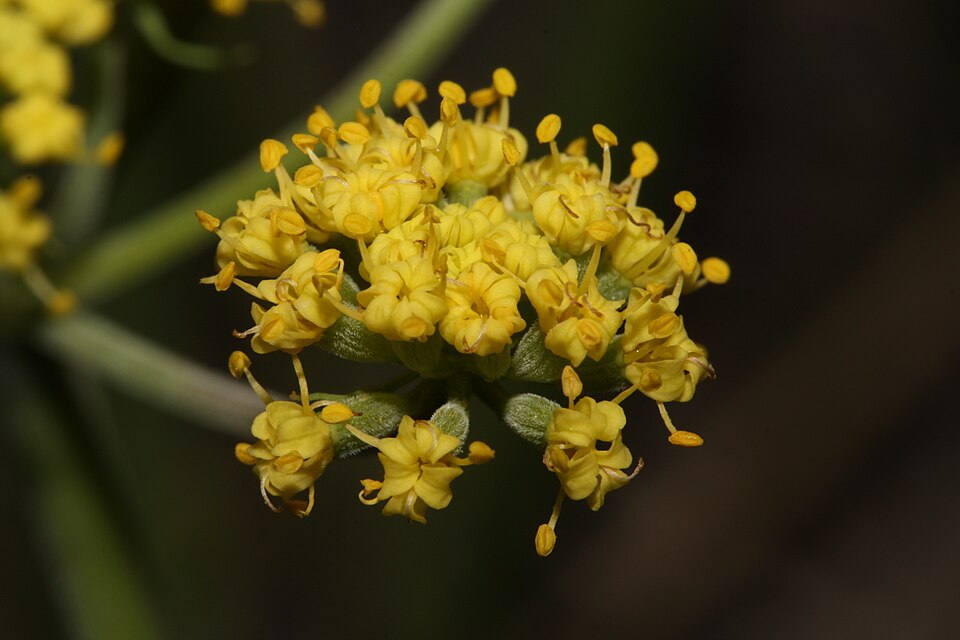
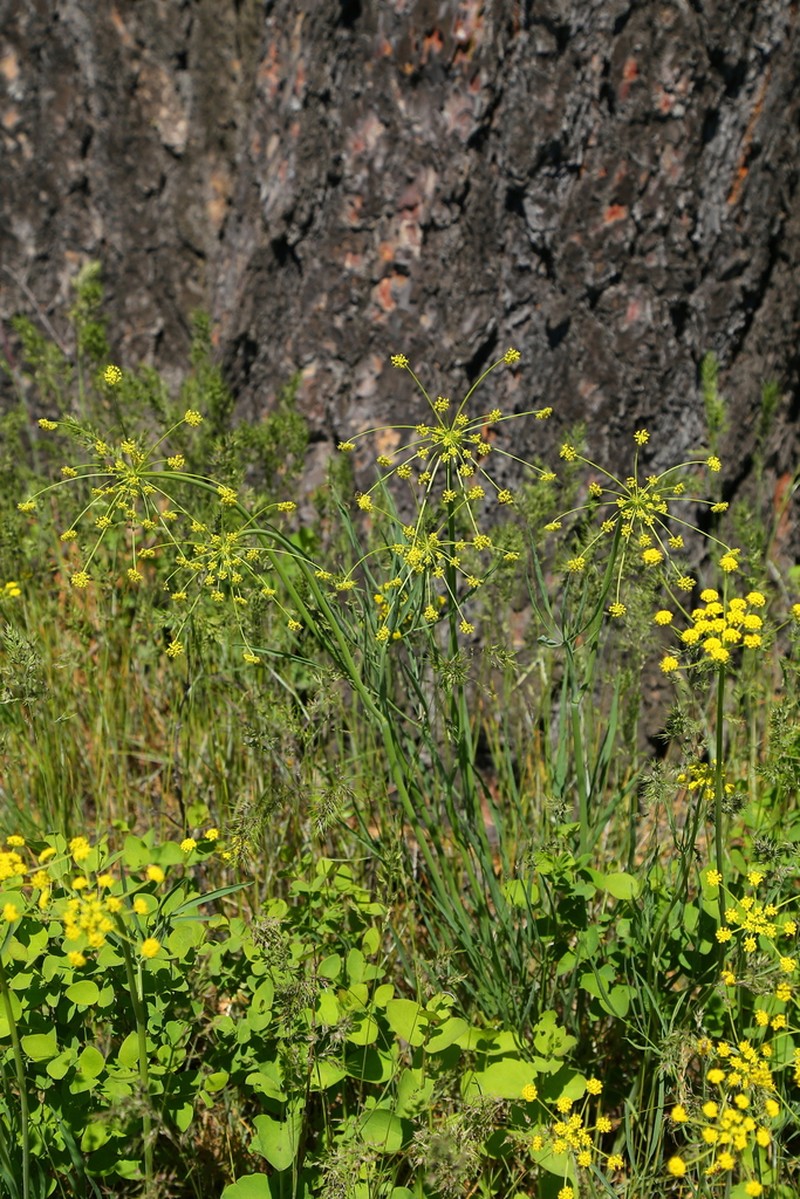
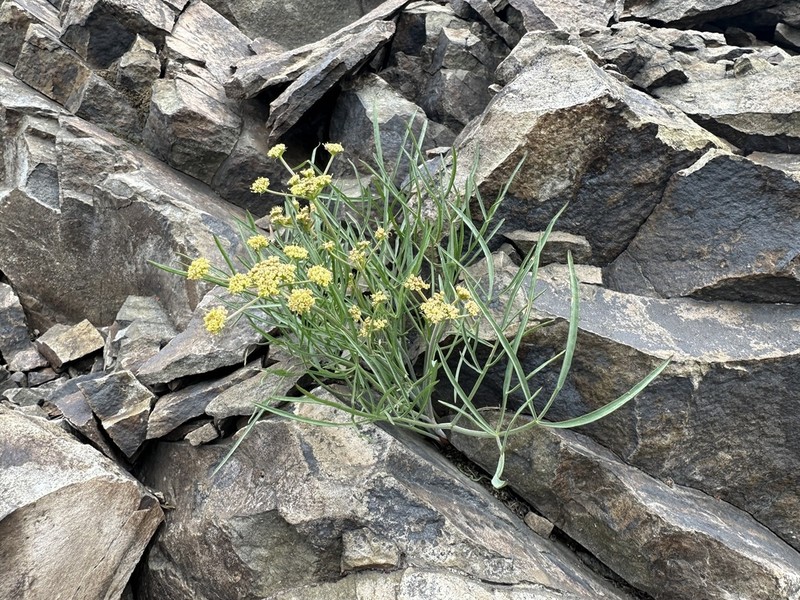
Taxonomy
- Division:
- Magnoliophyta | - Flowering plants
- Family:
- Apiaceae
- Genus:
- Lomatium
- Species:
- Lomatium triternatum
- USDA Symbol:
- LOTR2
Growth Characteristics
- Life Cycle:
- Perennial
- Growth Habit:
- Forb/herb
- Height:
- 90 cm
- Light Requirements:
- Part Shade
- Drought Tolerance:
- High
- Bloom Months:
- apr,may,jun
- Bloom Colors:
- yellow
Wildlife Benefits
- Bees:
- ★☆☆☆☆ Documented bee visitation (GBIF)
- Butterflies & Moths:
- ★★☆☆☆ Documented Lepidoptera association (GBIF)
- Caterpillars:
- ★☆☆☆☆ Recorded caterpillar host plant (HOSTS Database)
Host Plant for Caterpillars
Garden & Ecology Notes
- Wildlife Value:
- butterflies, bees
- Deer Resistant:
- Yes
Soil Requirements
- Soil Type:
- well-drained sandy or rocky soil
- pH:
- 6.0 - 8.0 (slightly acidic to neutral)
- Drainage:
- excellent drainage required
- Moisture:
- dry to moderate
- Notes:
- prefers open, sunny locations
Propagation & Germination
- Stratification:
- Cold/moist stratification required — 30–60 days
- Germination Time:
- 14–30 days
- Notes:
- Seeds benefit from cold stratification for 30-60 days to break dormancy.
Pre-treatment: Seeds require extended cold, moist stratification. Soak seeds in water for 24 hours, then place in a germinator at 4°C (39.2°F) in the dark for a 60-day prechill. Alternatively, seeds can be sown in containers in November and left outside under cool, fluctuating spring temperatures.
Establishment: Above ground growth is slow as the plants expend energy developing a substantial taproot. Plants grow in early spring and go dormant in mid-summer. In the first year, most plants will only produce a few leaves. Seed collection varies, with some protocols suggesting collection in late June or early July, and others suggesting July or August. Seed ripening is uniform within each individual umbel, but less so between umbels on the same or different plants.
Source: npn.rngr.net
Where to Buy
Nationwide Seller
- Native Seed Group (seeds)