
Gardner's Yampah
Perideridia gairdneri
- Native to:
- Canada, United States
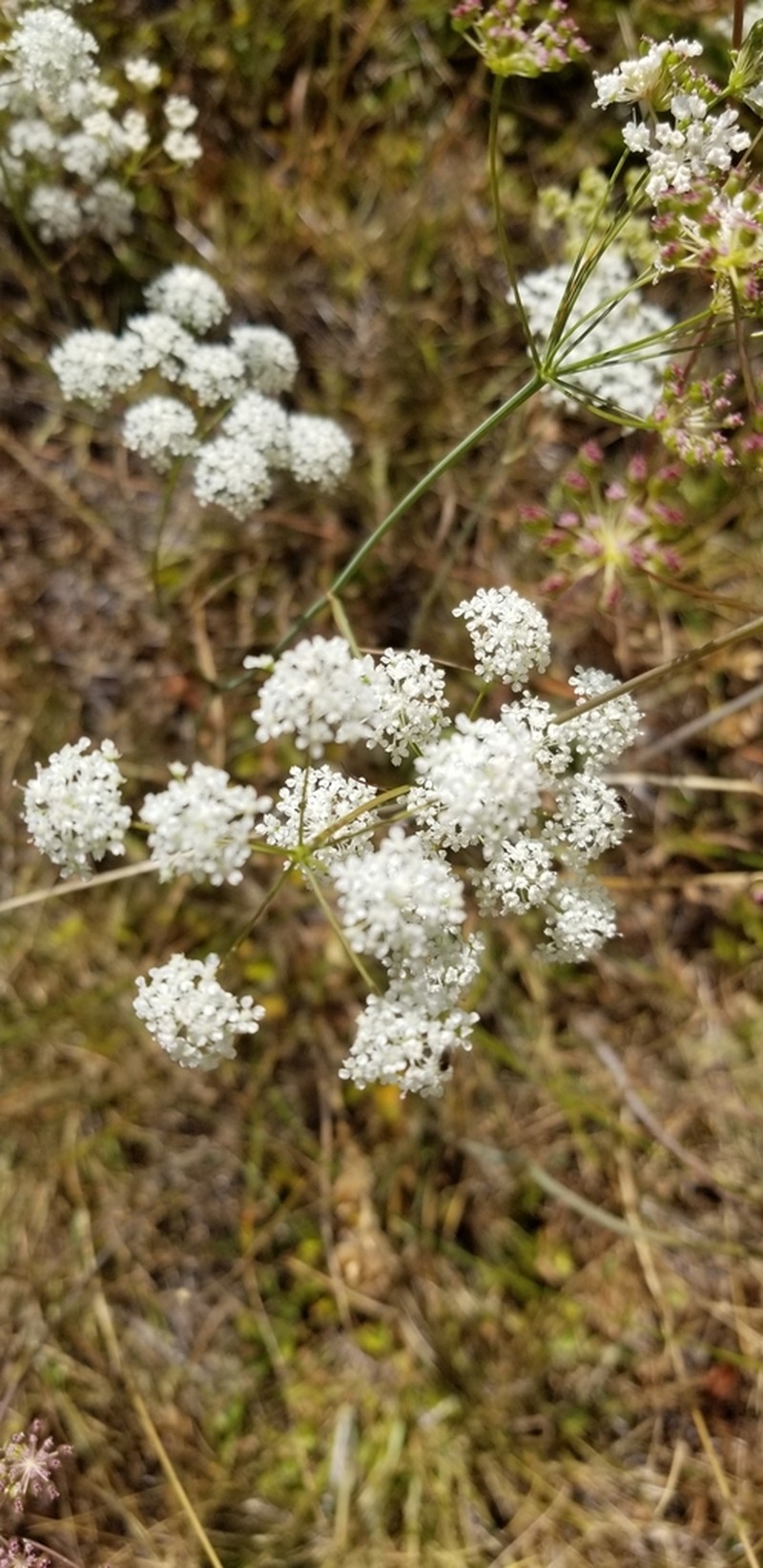
iNaturalist: © maartenvanotterloo (iNaturalist #237138526)
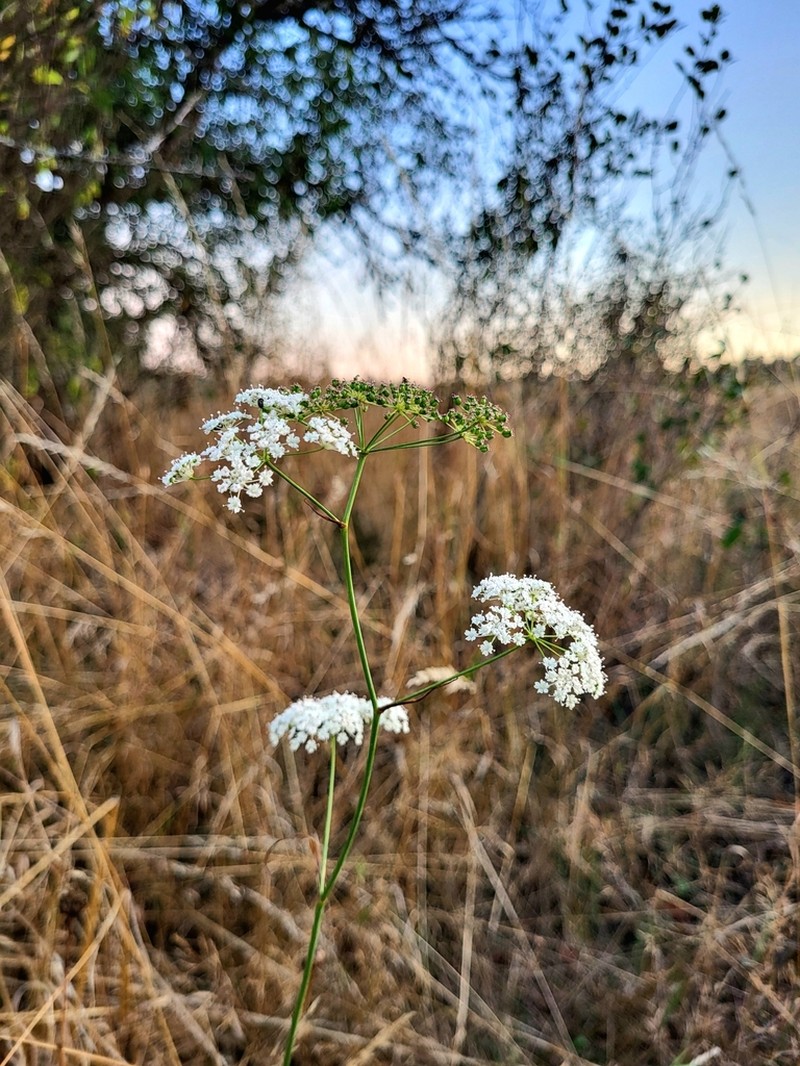
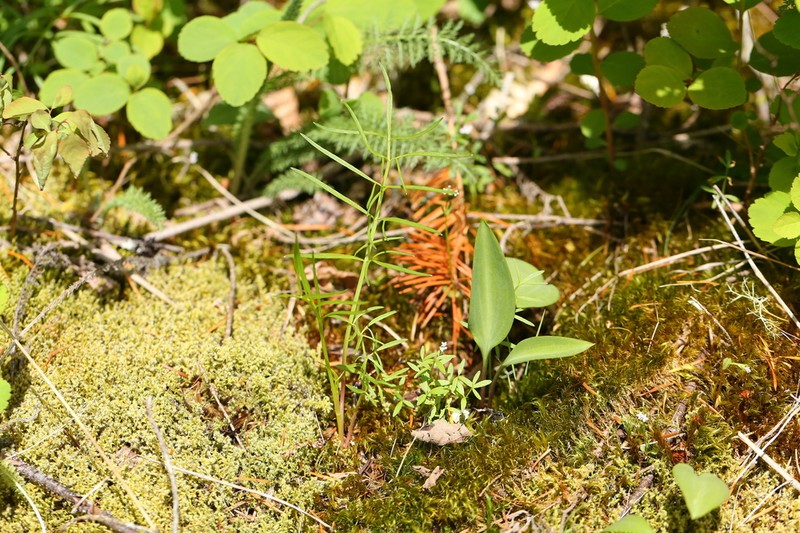
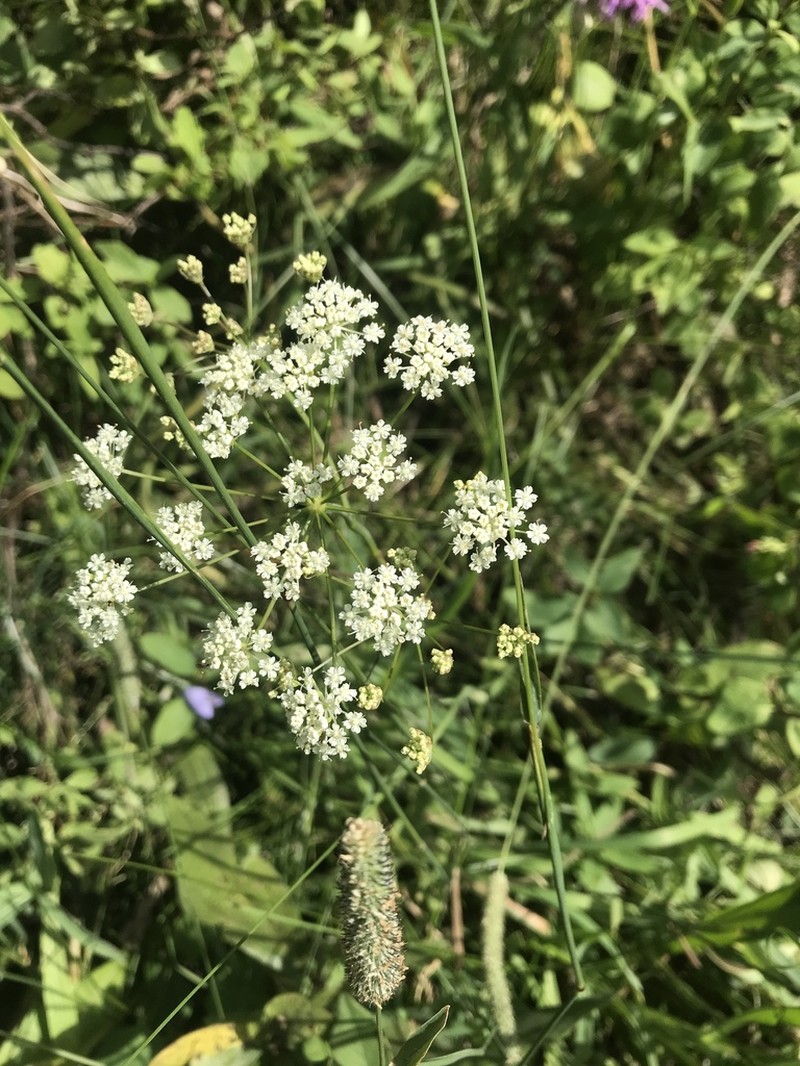
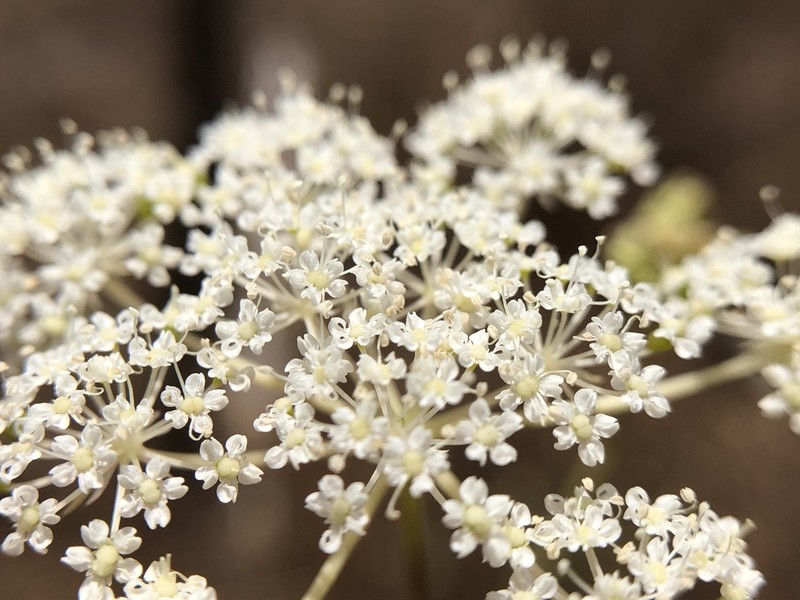
Taxonomy
- Division:
- Magnoliophyta | - Flowering plants
- Family:
- Apiaceae
- Genus:
- Perideridia
- Species:
- Perideridia gairdneri
- USDA Symbol:
- PEGA3
Growth Characteristics
- Life Cycle:
- Perennial
- Growth Habit:
- Forb/herb
- Height:
- 120 cm
- Light Requirements:
- Shade
- Drought Tolerance:
- Medium
- Bloom Months:
- jun,jul,aug
- Bloom Colors:
- white
- Food Forest:
- Contains edible parts
Wildlife Benefits
- Bees:
- ★☆☆☆☆ Documented bee visitation (GBIF)
- Butterflies & Moths:
- ★☆☆☆☆ Documented Lepidoptera association (GBIF)
- Caterpillars:
- ★☆☆☆☆ Recorded caterpillar host plant (HOSTS Database)
Host Plant for Caterpillars
Reported Fauna Sightings
Garden & Ecology Notes
- Wildlife Value:
- butterflies, bees
Soil Requirements
- Soil Type:
- rich, well-drained loamy soil
- pH:
- 6.0 - 7.5 (slightly acidic to neutral)
- Drainage:
- excellent drainage required
- Moisture:
- consistently moist
- Notes:
- prefers open areas with full sun
Propagation & Germination
- Stratification:
- Cold/moist stratification required — 30–60 days
- Germination Time:
- 14–30 days
- Notes:
- Seeds benefit from cold stratification for 30-60 days to break dormancy.
Pre-treatment: Seeds require cold, moist stratification for 60-90 days or can be sown in the fall and left outside under cool, fluctuating spring temperatures. Alternatively, a 5 month outdoor cold, moist stratification or a 90 day cold, moist stratification can be used. After stratification, seeds can be rinsed in running water for 48 hours.
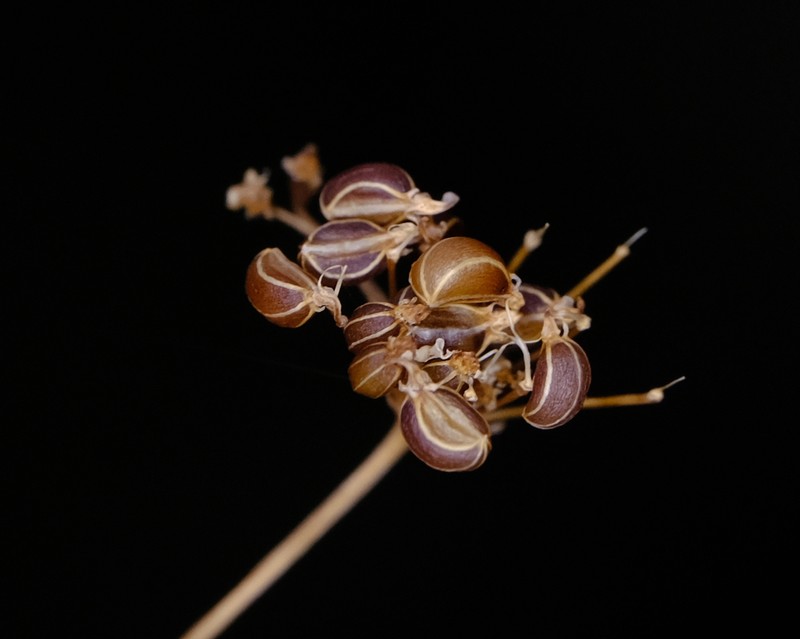
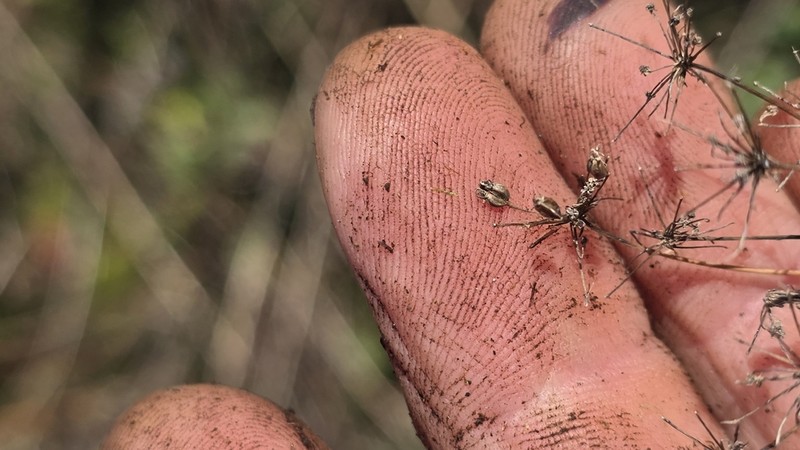
Establishment: Seeds are collected in late summer or early fall when they turn dark brown. They can be stripped from the inflorescence or the entire inflorescence can be clipped from the plant. Harvested seeds are stored in paper bags at room temperature until cleaned. Germination rates and times can vary based on stratification methods and temperatures.
Source: npn.rngr.net