
Pacific Blacksnakeroot
Sanicula crassicaulis
- Native to:
- Argentina, Canada, Chile, Mexico, United States
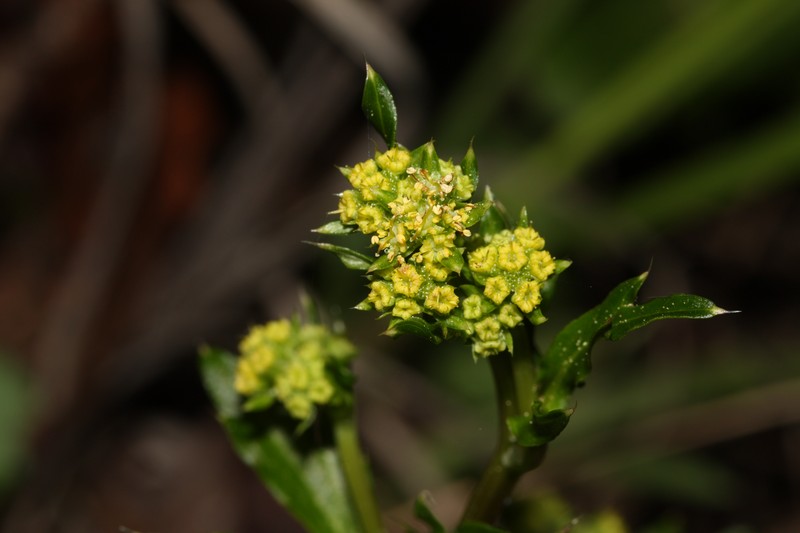
Walter Siegmund (talk)
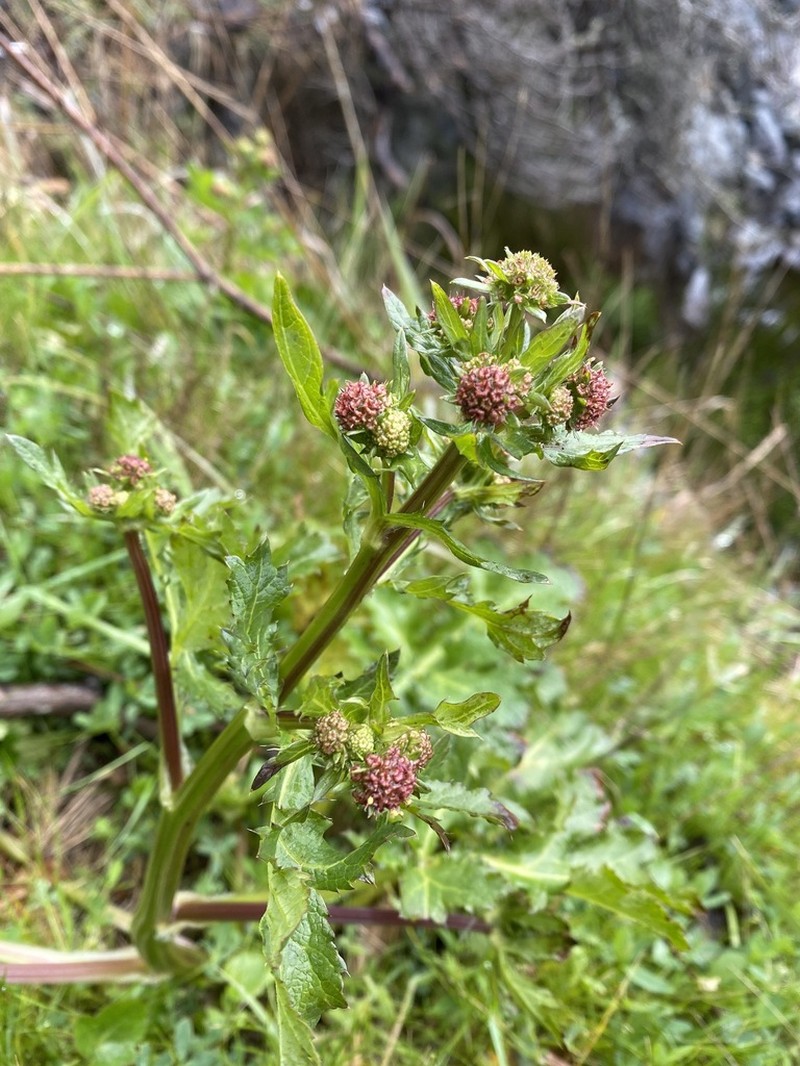
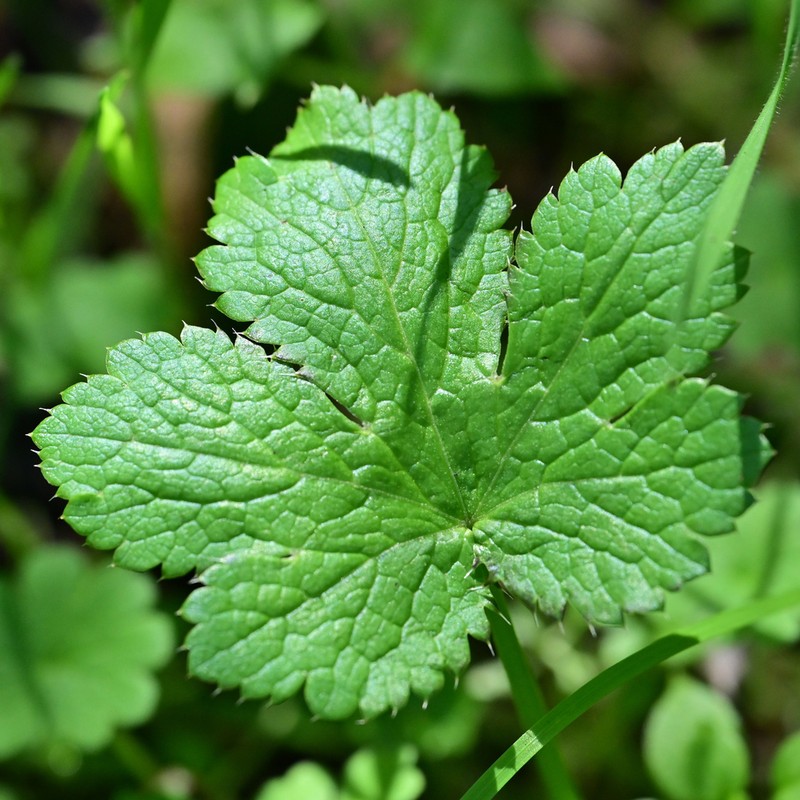
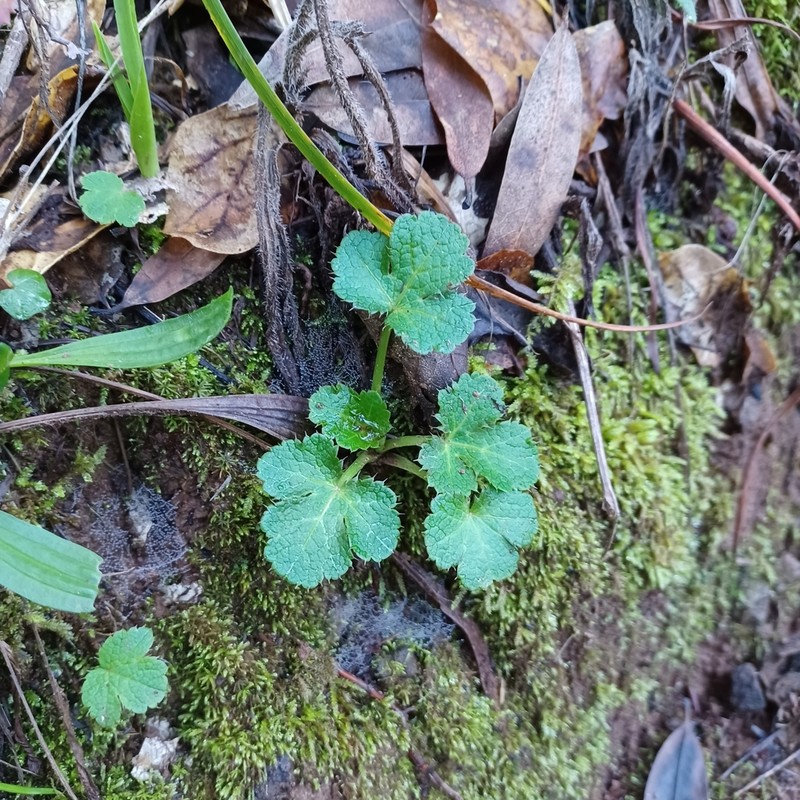
Taxonomy
- Division:
- Magnoliophyta | - Flowering plants
- Family:
- Apiaceae
- Genus:
- Sanicula
- Species:
- Sanicula crassicaulis
- USDA Symbol:
- SACR2
Growth Characteristics
- Life Cycle:
- Perennial
- Growth Habit:
- Forb/herb
- Height:
- 120 cm
- Light Requirements:
- Full Sun
- Drought Tolerance:
- Medium
- Bloom Months:
- mar,apr,may
- Bloom Colors:
- yellow, greenish-yellow
Wildlife Benefits
- Bees:
- ★☆☆☆☆ Documented bee visitation (GBIF)
- Butterflies & Moths:
- ★★★★★ Documented Lepidoptera association (GBIF)
- Caterpillars:
- ★☆☆☆☆ Recorded caterpillar host plant (HOSTS Database)
Host Plant for Caterpillars
Agonopterix oregonensis
Garden & Ecology Notes
- Wildlife Value:
- butterflies, bees
Soil Requirements
- Soil Type:
- rich, well-drained loamy soil
- pH:
- 5.5 - 7.5 (slightly acidic to neutral)
- Drainage:
- excellent drainage required
- Moisture:
- dry to moderate
Propagation & Germination
- Stratification:
- Cold/moist stratification required — 30–60 days
- Germination Time:
- 14–30 days
- Notes:
- Seeds benefit from cold stratification for 30-60 days to break dormancy.
Pre-treatment: Soak seeds in fresh water for 24 hours. Cold stratify in the refrigerator for 6 weeks.
Establishment: There are variations in the protocols, particularly in pre-treatment and germination rates. The chosen protocol is based on the higher germination rate. Seeds are collected between May 1st and July 1st. Mature inflorescences are brown. Fruits are rounded and prickly, 2 to 5 mm wide.
Source: npn.rngr.net