
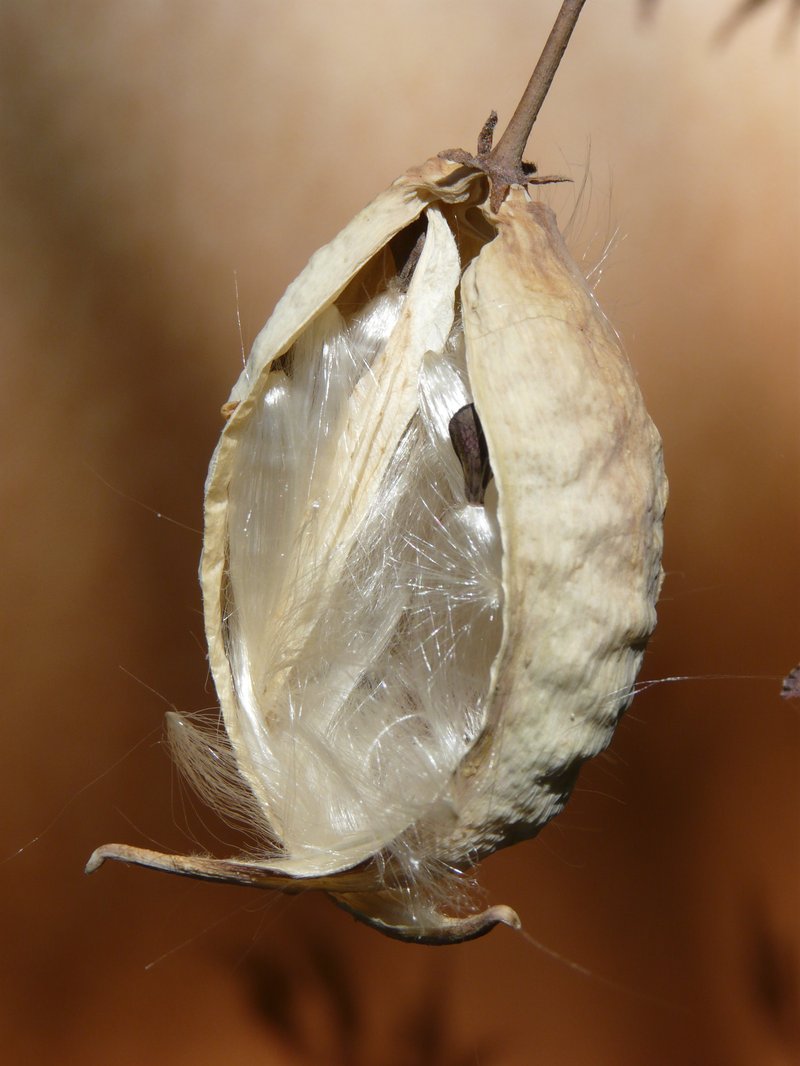
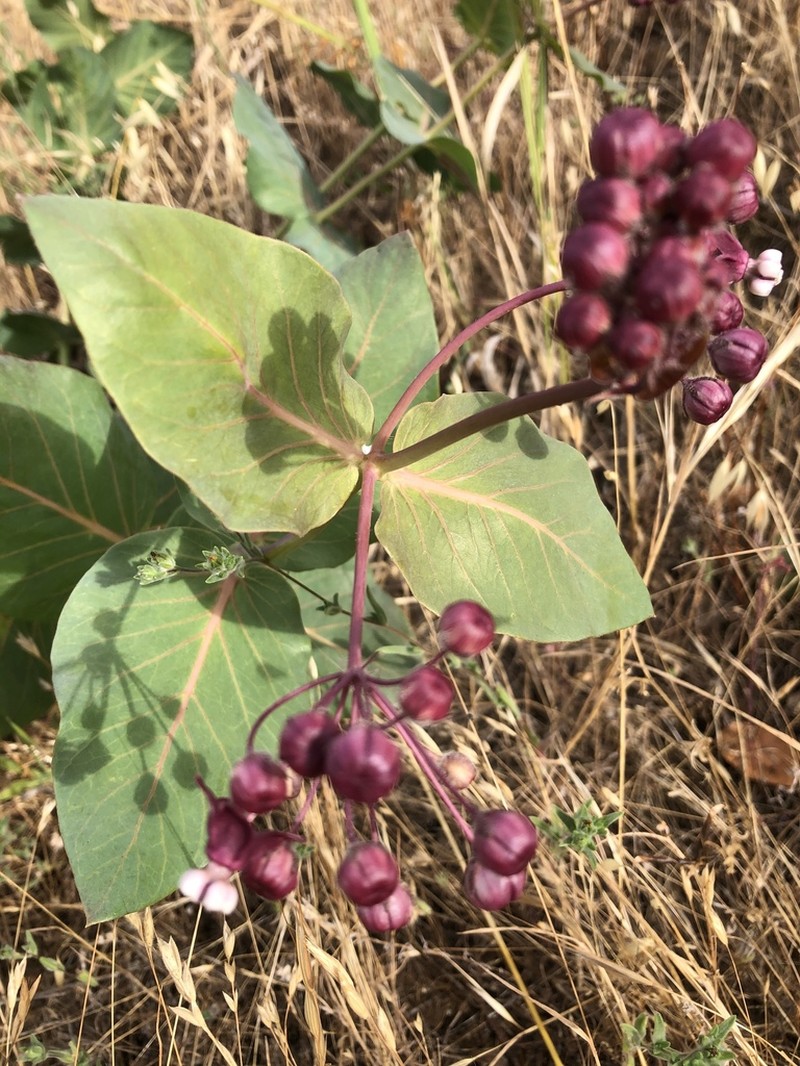
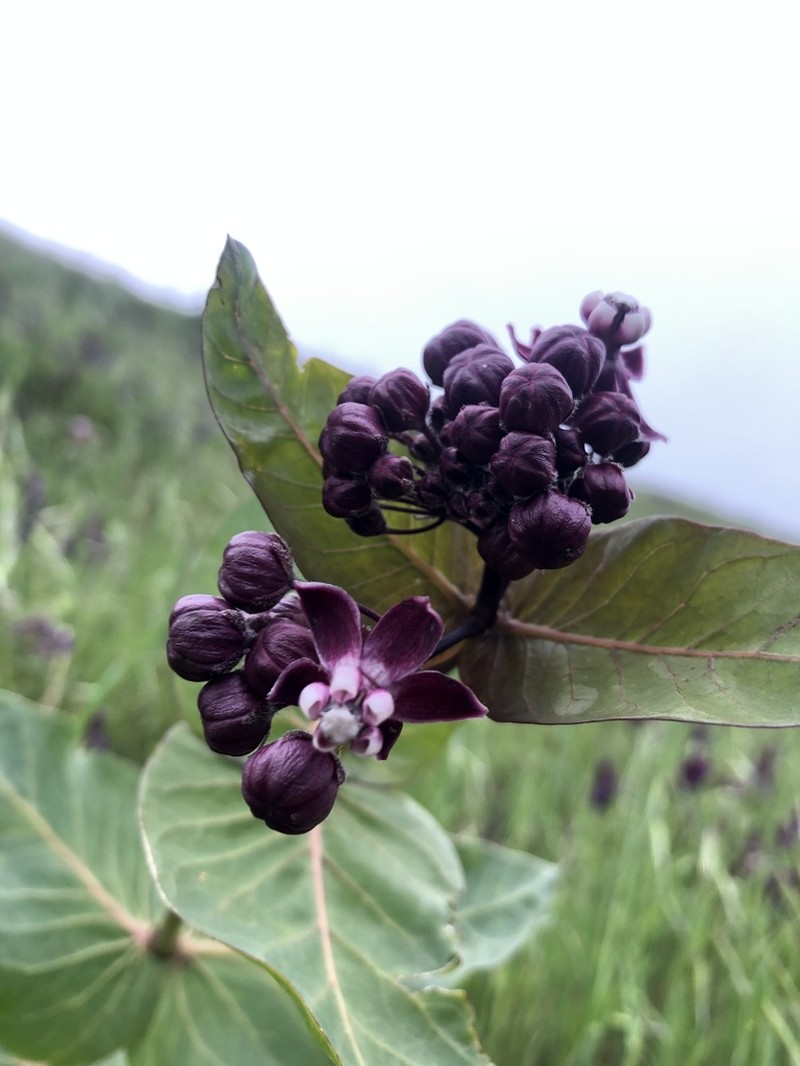
Heartleaf Milkweed
Asclepias cordifolia
- Native to:
- United States
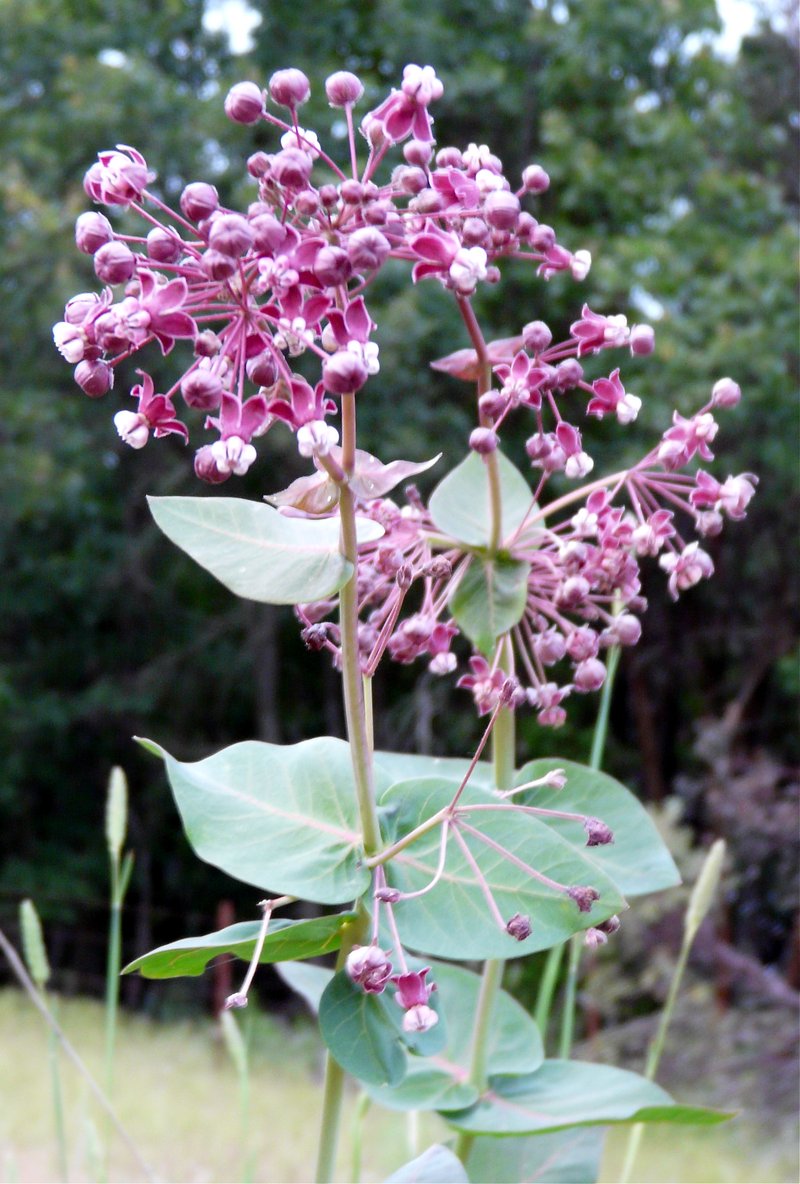
First Light (en.wikipedia.org) ( talk (en.wikipedia.org) )
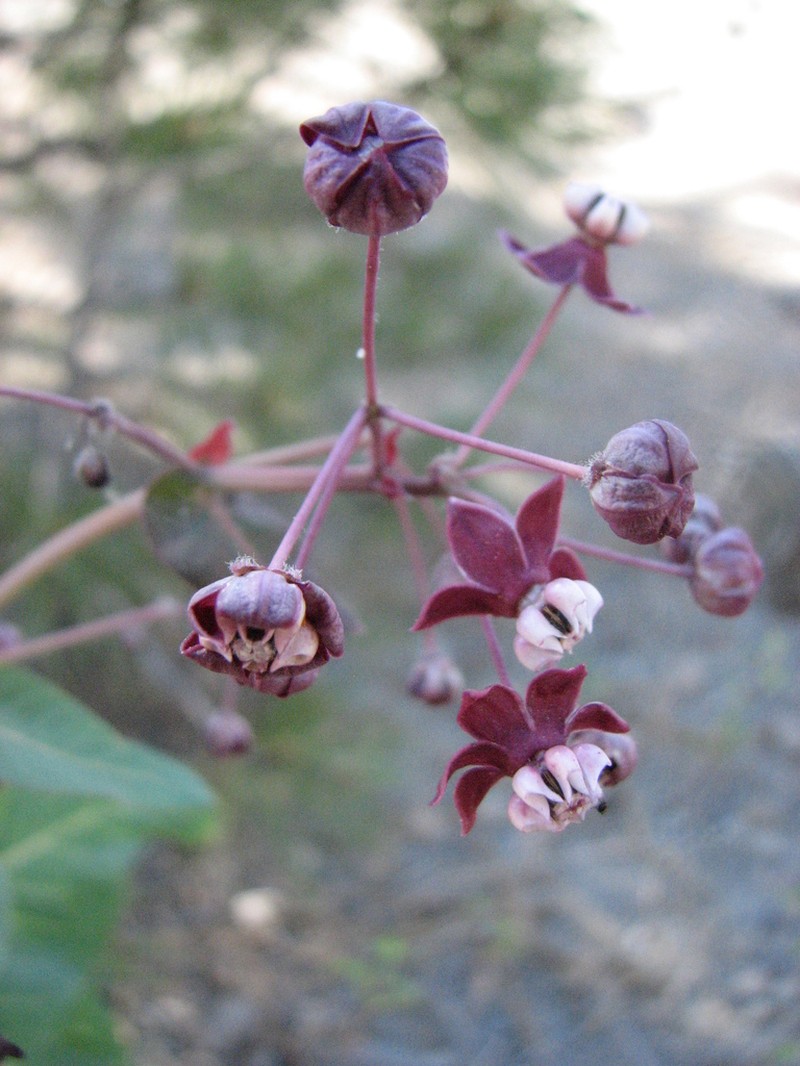
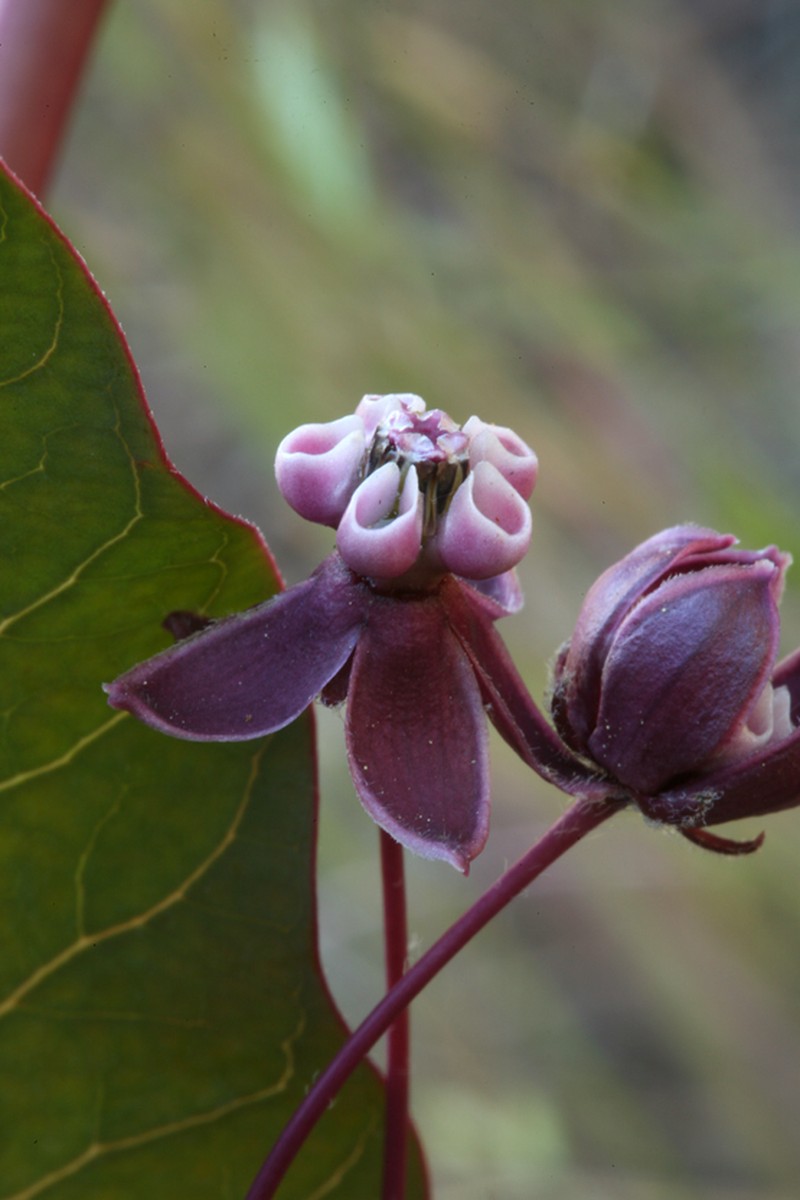
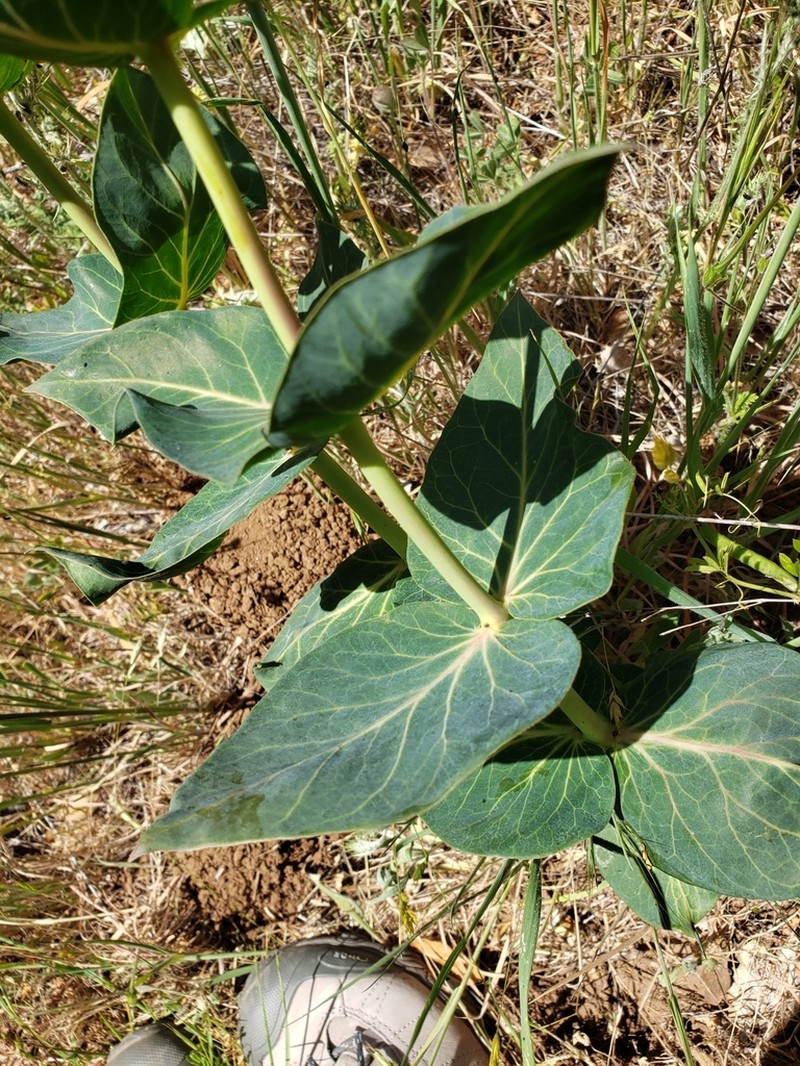
Taxonomy
- Division:
- Magnoliophyta | - Flowering plants
- Family:
- Apocynaceae
- Genus:
- Asclepias
- Species:
- Asclepias cordifolia
- USDA Symbol:
- ASCO
Growth Characteristics
- Life Cycle:
- Perennial
- Growth Habit:
- Forb/herb
- Height:
- 90 cm
- Light Requirements:
- Full Sun,Part Shade
- Drought Tolerance:
- High
- Bloom Months:
- may,jun,jul
- Bloom Colors:
- purple, red
Wildlife Benefits
- Bees:
- ★☆☆☆☆ Documented bee visitation (GBIF)
- Butterflies & Moths:
- ★★☆☆☆ Documented Lepidoptera association (GBIF)
- Caterpillars:
- ★☆☆☆☆ Recorded caterpillar host plant (HOSTS Database)
Keystone Species Ranking
- Caterpillar Keystone:
- ★★☆☆☆ Butterfly & moth species supported by this genus (NWF)
Host Plant for Caterpillars
Reported Fauna Sightings
Garden & Ecology Notes
- Wildlife Value:
- bees, butterflies, hummingbirds
- Fragrant:
- Yes
Soil Requirements
- Soil Type:
- rocky, well-drained, nutrient-poor soil
- pH:
- 6.0 - 7.5 (slightly acidic to neutral)
- Drainage:
- excellent drainage required
- Moisture:
- dry to moderate
- Notes:
- prefers open, sunny locations
Propagation & Germination
- Stratification:
- Cold/moist stratification required — 30–60 days
- Germination Time:
- 14–30 days
- Notes:
- Seeds benefit from cold stratification for 30-60 days to break dormancy.
Pre-treatment: Seeds are removed from the refrigerator and soaked in room temperature water for 24 hrs, followed by cold stratification in damp vermiculite for 66 days. Alternatively, seeds can be placed in fine mesh bags into a 1% hydrogen peroxide (3:1 water/3% hydrogen peroxide) soak for 24 hours, rinsed, and placed in water for an additional 24 hours. The bags are then placed in sealed containers in refrigeration at 1 to 3 °C for 45 days. Regular checks for mold are recommended.
Establishment: Seeds are hand collected from two different counties in northern California. A majority of the seed came from a single, large patch of milkweed growing at approximately 2,000 ft elevation and northeast facing slopes in Napa County, CA. A small amount of seed came from Folsom Lake Recreation Area in El Dorado, CA. Collect seeds after pods have ripened, but before they have split open. The seeds are wind dispersed, so be careful when gathering to place in a paper or burlap bag to avoid losing them.
Source: npn.rngr.net
ORGHPS Germination Guide: Should not need chilling
Where to Buy
Nationwide Seller
- Sheffield's Seed (seeds)